 bluename
 Got mealybugs on your Gollum jade? Here’s the honest answer: mix 1 part 70% isopropyl alcohol with 1 part water, spray every part of the plant, and repeat every 4 days for 2 weeks. That’s the fastest way to treat Gollum jade plant pests naturally. I know it sounds too simple, but it took me three nearly-dead plants to get this right. In this post, I’ll walk you through the exact steps I used, the mistakes that made my mealybug problem ten times worse, and the two-week schedule that finally cleared my plant.
Mealybugs are sneaky little sap-suckers. They look like tiny balls of cotton, and they love hiding in the creases of Gollum jade leaves. If you see white fuzz, sticky leaves, or ants wandering around your pot, you’re dealing with an infestation. So let’s fix it — without harsh chemicals.
Why Mealybugs Love Gollum Jade So Much
First, you need to understand why this plant is a mealybug magnet. Gollum jade is a succulent with tubular, fleshy leaves. Those leaves store water, which makes the plant juicy and full of sap. Mealybugs enjoy easy meals. They poke into the leaves and drink that sap. The more stressed your plant is, the more vulnerable it becomes.
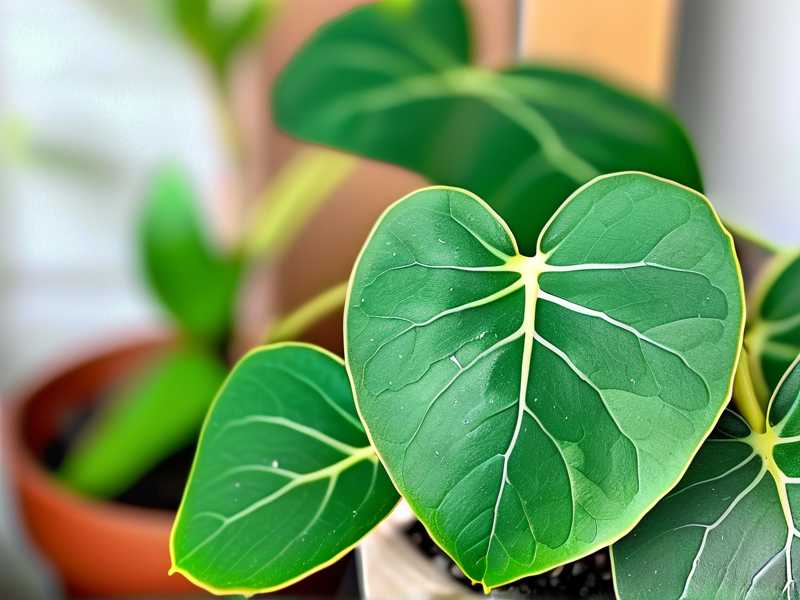
I remember when my Gollum jade was sitting in a shady corner. It looked fine at first, but the leaves got soft and pale. Within a week, I spotted white cottony clusters under every leaf. That’s when I learned that healthy plants fight pests much better than weak ones. The trick is to make your plant strong enough to shrug off infestations.
Also, mealybugs reproduce fast. One female can lay hundreds of eggs in those fuzzy sacs. If you only wipe off a few adults, the eggs hatch later and finish the job. That’s why a one-time spray never works. You have to keep treating for at least two weeks.
The 3 Biggest Mistakes I Made With Gollum Jade Pest Control
I want to be straight with you. I killed two Gollum jade plants before I figured this out. The third barely survived because I finally stopped making these three mistakes.
Mistake #1: Watering Too Much
I used to water my Gollum jade every couple of days. I thought succulents just liked water. Huge error. Overwatering leads to root rot, and root rot weakens the whole plant. A weak plant attracts mealybugs like crazy.
Here’s a hard truth: 90% of indoor plants die from overwatering. I read that after losing my second jade, and it hit me like a brick. My mealybug problem didn’t start because I was careless with pests. It started because I drowned the roots.
So, let your soil dry out completely before you water again. For Gollum jade, that usually means every 10 to 14 days in moderate conditions. When you do water, give it a thorough soak and then let the excess drain. Your plant will thank you.
Mistake #2: Wrong Light Placement
Light is another thing I got completely wrong. I put my Gollum jade in a dark hallway because I thought it would survive anywhere. It did survive, kind of. But it stretched out, lost its tubular shape, and became pale. That’s when mealybugs moved in.
Gollum jade needs bright, indirect light. Morning sun is fine, but fierce afternoon sun can scorch the leaves. I tried a south-facing window once and the leaves turned reddish-brown — that was sun stress. The best spot is an east-facing window or a few feet away from a south window. Good light keeps the plant compact and less appealing to pests.
Mistake #3: Using the Wrong Pot
I also used a pretty ceramic pot with no drainage hole. It looked amazing. But water pooled at the bottom after every watering. The roots sat in wetness, and root rot set in. That was the third mistake that almost killed my plant. Since then, I only use pots with drainage holes, or I use a plastic nursery pot inside the decorative one.
When your succulent sits in soggy soil, it sends out signals. Those signals weaken the plant and make it taste even better to mealybugs. Seriously, the best pest control is an unappealing, tough plant.
My 2-Week Natural Treatment Plan for Mealybugs on Gollum Jade
Once I stopped watering too much, fixed the light, and switched pots, I still had to kill the bugs. Here’s the exact routine that worked for me. I used three natural remedies, and I rotated them so the mealybugs wouldn’t get used to one thing. It sounds like a lot, but each step only takes a few minutes.
Remedy #1: Rubbing Alcohol Spray
This is my go-to for quick kills. Rubbing alcohol dissolves the waxy coating on mealybugs, which dehydrates them almost instantly. It’s cheap and easy to find.
What I used: 70% isopropyl alcohol, water, a spray bottle, and cotton swabs.
My steps:
- I mixed 1 part alcohol with 1 part water in a spray bottle.
- Before spraying, I dipped a cotton swab in the mixture and gently dabbed every visible mealybug. This knocked down the adults.
- Then I sprayed the whole plant — stems, leaves, and leaf crevices. Gollum jade has those little tubular leaves where bugs love to hide, so I made sure to hit every side.
- I waited 10 minutes, then I lightly misted the plant with plain water to rinse off any residue. Some people skip this step, but I found it helped prevent leaf burn.
- I repeated this every 4 days for 2 weeks.
One thing to watch out for: don’t spray in direct sunlight. Alcohol can dry out leaves faster when the sun is hitting them. I learned that after burning a few tips. Now I always treat plants in the late afternoon.
Remedy #2: Neem Oil Solution
Neem oil is a natural pesticide that messes with mealybug hormones. It doesn’t kill instantly, but it stops eggs from hatching and keeps new bugs from maturing. When I paired it with the alcohol spray, my infestation cleared up much faster.
What I used: cold-pressed neem oil, mild dish soap (as an emulsifier), water, and a spray bottle.
My steps:
- I mixed 1 teaspoon of neem oil with a few drops of dish soap in 1 liter of water.
- I shook the bottle really well because neem oil and water separate quickly.
- I sprayed the entire plant, especially the undersides of leaves and the stem joints.
- I let the plant dry in a shaded area. Neem oil can cause leaf burn in bright sunlight, so I always did this in the evening.
- I repeated it every 5 to 7 days for 2 weeks.
The smell is strong, but it fades. Actually, I kind of associate it with my plants recovering now. If the smell bothers you, just open a window.
Remedy #3: Insecticidal Soap + Manual Removal
Sometimes you just need to get physical. The fuzzy sacs that mealybugs live in are stubborn. Spray alone doesn’t always reach them all. So I combined manual removal with a gentle insecticidal soap spray.
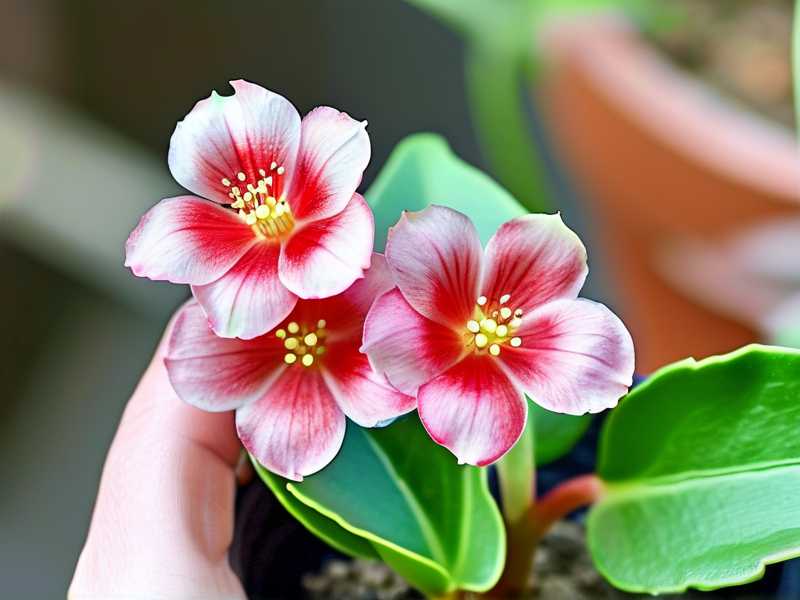
What I used: a soft toothbrush, cotton swabs, and a commercial insecticidal soap (or you can make your own with a mild liquid soap).
My steps:
- I dipped the toothbrush in water and gently brushed the white fuzz clusters. This dislodged eggs and adults from the leaf crevices.
- I used a cotton swab to wipe away any leftover residue.
- I sprayed the plant with insecticidal soap, making sure it covered all the leaves.
- I left the soap on and wiped the plant with a clean cloth after about 10 minutes. This helped prevent any soap build-up.
- I repeated this procedure every 3 to 4 days for the first week, then dropped to weekly checks.
Honestly, manual removal makes a huge difference. If you skip it, you’re just waiting for the spray to do all the work. But mealybugs are stubborn. You have to remove their hiding spots.
What I Observed Over 14 Days (Week by Week)
I want to share exactly what happened during my two-week treatment, so you know what to expect.
Day 1–3: I found the infestation and started with the alcohol spray. I saw a lot of mealybugs turn brown and shrivel up overnight. But the next day, I noticed some tiny ones still crawling around. That’s normal. The alcohol killed the adults, but eggs were still hatching.
Day 4–7: I switched to neem oil. The fuzzy clusters looked drier. Some leaves had a bit of sunburn, but that was my fault for spraying too close to the window. After a week, I didn’t see any large adult mealybugs. But I kept going because I knew the eggs weren’t gone.
Day 8–10: I did manual removal with the toothbrush. I found a few tiny mealybugs in the fold between the stem and leaf. If I hadn’t looked carefully, I would have missed them. After removing them, I sprayed insecticidal soap.
Day 11–14: The plant looked clean. No white fuzz. No sticky leaves. I waited two more days and checked again — nothing. The treatment was successful. My Gollum jade started making new growth after about two weeks, which for me was a sign that it was finally healthy again.
What I learned from this process is that you have to be patient. One spray won’t fix everything. You need to stay on schedule for the full 14 days, even when you think the bugs are gone.
How to Prevent Mealybugs From Coming Back
After all that work, I definitely didn’t want a repeat. So I changed a few habits that made a big difference.
Check new plants before bringing them home. I now isolate any new succulent for at least two weeks. I’ve been burned by a “clean” plant that actually had mealybugs hiding in the soil.
Keep leaves dry. Mealybugs breed in wet, humid leaf crevices. I stopped misting my Gollum jade. Succulents don’t need misting anyway. Instead, I wipe the leaves with a dry cloth now and then.
Inspect weekly. Every Sunday, I spend two minutes looking at the stem joints and under leaves. Early detection is honestly the best natural remedy. Catching two mealybugs is way easier than fighting a colony.
Use bottom watering. I place the pot in a tray of water for 10 minutes instead of pouring from the top. This keeps the leaves dry and triggers deep root growth. Stronger roots mean a tougher plant.
Give it a winter rest. Gollum jade slows down in winter. I water less often, sometimes once a month. Overwatering in winter is a one-way ticket to root rot and pest invasions.
The RHS also stresses that healthy plants are far less prone to pest attacks. And the AHS recommends regular monitoring as your first line of defense. Those two organizations know their stuff. I’ve followed their advice and it honestly saved my plants.
Frequently Asked Questions
Can I use dish soap instead of insecticidal soap?
Technically yes, but be careful. A small amount of mild dish soap can work in a pinch, but regular dish soap is too harsh. It can strip the plant’s natural wax layer and cause leaf damage. Better to use a true insecticidal soap from a garden store. If you must make your own, use a very mild liquid soap and test it on one leaf first.
How often should I inspect my Gollum jade for mealybugs?
At least once a week. I check mine every Sunday, and I always look underneath the leaves and around the stem joints. If you’ve recently dealt with an infestation, check every 2 to 3 days for a month. It takes just a minute and can save you from a huge headache later.
Will mealybugs spread to other plants?
Yes, they definitely can. Mealybugs crawl and they can also hitch a ride on your hands or gardening tools. That’s why I always isolate a sick plant. If you have other plants nearby, inspect them too. When I treated my Gollum jade, I moved it to a separate room until the 14 days were over.
What I’d Tell a Beginner
If you’re staring at a mealybug-covered Gollum jade right now, don’t panic. I’ve been exactly where you are. The worst thing you can do is overwater it in a panic or throw a ton of chemical sprays at it. Calm down. Mix up that alcohol spray, grab a cotton swab, and start wiping.
Take it from someone who killed two plants before learning the basics. The natural remedies work if you stick to the schedule. Give your plant good light, let the soil dry, use a pot with drainage, and keep checking for those fuzzy white bugs. In two weeks, you’ll probably be in the clear.
I still check my Gollum jade every Sunday, even when it looks perfect. And you know what? It’s been bug-free for over a year now. So stick with it. Your plant can recover, and you can absolutely beat these pests without harsh chemicals. Just be patient, be consistent, and remember — the bugs are not smarter than you.





