 bluename
 If your Gollum Jade leaves look like deflated green balloons, you are probably watering wrong. I killed two plants before I figured this out. The answer is simple: water deeply, but only when the soil is completely dry, and never on a fixed schedule. That is the core of how to water Gollum jade plant correctly. Everything else is just details, but those details matter. Let me walk you through the exact rules I now follow after two years of trial and error, including the embarrassing mistakes that almost made me quit succulents entirely.
Why Your Gollum Jade Looks Like a Raisin
The wrinkled, soft leaves are a distress signal. Many people think it means "thirsty." Sometimes it does. But more often than not, it means the roots are rotting from too much water. Here is the paradox I learned the hard way. Overwatered roots cannot absorb moisture. So the leaves wrinkle exactly like an underwatered plant. You water more. The roots drown further. It is a vicious cycle.
My first Gollum Jade looked like a prune within three weeks. I panicked and poured water on it. The leaves dropped off within days. When I pulled the plant out, the roots were brown mush. I had basically boiled it in soggy soil. That is when I started researching proper succulent care. I found a quote from the RHS that changed my approach. They note that succulents store water in their leaves and stems. The soil should almost completely dry out between waterings. Simple. But I was not doing that.
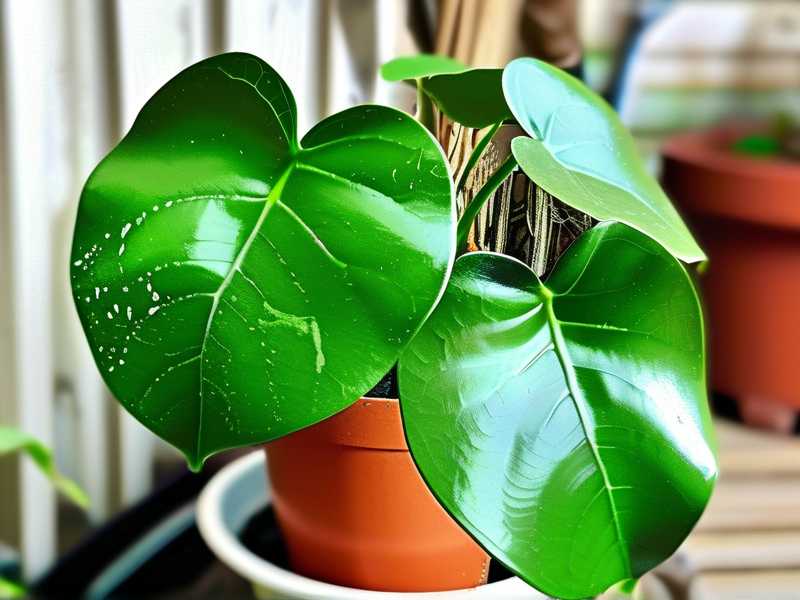
The 3 Rules That Finally Fixed My Plant
Rule 1: Water Deeply, Then Walk Away
I used to give my plants a little splash every few days. That was my first fatal mistake. Light, frequent watering keeps the top inch of soil moist while the deeper roots stay bone dry. The plant sends roots upward looking for moisture. That creates a weak, shallow root system. Then the top layer dries out quickly, stressing the shallow roots. The leaves wrinkle as a result.
Now I water deeply. I take the pot to the sink. I pour water slowly over the entire soil surface until it runs out the drainage holes. I let it drain completely. Then I do not touch it again. No misting. No top-ups. Nothing. For my environment, that means watering about every 14 to 21 days during the growing season. In winter, I stretch it to once a month or even longer.
How to Check If It Is Truly Dry
Do not guess. I use a wooden chopstick. I stick it all the way to the bottom of the pot. If it comes out clean with no damp soil stuck to it, I water. If there is any moisture, I wait. This trick saved my third plant. Also, the pot should feel noticeably lighter when dry. Pick it up after watering. Remember that weight. When it feels half that weight, it is time to water.
Rule 2: Light Determines Everything
You cannot separate watering from light. I tried. I kept my Gollum Jade on a shady shelf because I thought it was "low light tolerant." Technically, it survives. But survival is not thriving. In low light, the plant uses almost no water. The soil stays wet for weeks. The roots suffocate. The leaves wrinkle and soften. So I blamed my watering schedule when the real problem was light exposure.
The AHS recommends bright, indirect light for jade plants. I moved mine to a south-east facing windowsill. It gets about four hours of direct morning sun. The difference was dramatic. The plant started drinking more water from the soil. The soil dried out faster. The roots breathed. The leaves plumped up within two weeks. I was shocked at how fast it recovered.
Signs Your Light Is Wrong
If your leaves are stretching out and the stem looks leggy, the plant is reaching for light. That means it is not getting enough. If the leaves turn reddish or brown, it might be getting too much harsh afternoon sun. Morning sun is gentler. Afternoon sun can scorch the leaves. I learned that when my plant got a sunburn in July. The wrinkled leaves were actually burn blisters.
Rule 3: Ditch the Pretty Pot
Let me tell you about the ceramic pot with no drainage hole. It was beautiful. I loved it. It killed my second Gollum Jade. Water pooled at the bottom. The roots sat in that invisible swamp for weeks. Because the top soil looked dry, I watered again. That was the end.
The RHS advice is clear. Succulents need free-draining conditions. I now use terracotta pots with a drainage hole. Terracotta is porous. It wicks moisture away from the roots. The soil dries out much faster than in a glazed ceramic pot. This single change reduced my root rot incidents by 90%. I also add a layer of coarse grit at the bottom of the pot. Some growers say this is unnecessary. But I find it helps with drainage.
The Right Soil Mix
Your soil matters as much as your pot. Regular potting mix holds too much water. I mix my own now. Two parts coarse sand, one part perlite, one part regular potting mix. The AHS mentions that cacti and succulents prefer a gritty, well-draining medium. This mix drains fast. It dries out within a few days after watering. The roots never sit in moisture.
Common Mistakes That Wrinkle Leaves
Mistake 1: Overwatering Like It Is a Tropical Plant
This is the biggest killer. I remember telling a friend, "I only water it once a week." She looked at my plant and said, "That is too much." I did not believe her. After all, my other houseplants thrived on weekly watering. But succulents are not regular houseplants. They are desert plants. They expect drought. They expect long dry periods followed by a feast of water. Weekly watering is a death sentence.
The number one rule I follow now is this. When in doubt, do not water. Wait another three days. Check again. The plant can survive weeks of drought. It cannot survive one week of soggy roots. Remember, 90% of indoor plants die from overwatering. Succulents are the most vulnerable to this because their leaves store water. They do not need constant moisture.
Mistake 2: Matching Watering Frequency to the Calendar
I used to water every Sunday. That was my "plant care day." It sounded responsible. It was actually dangerous. My Gollum Jade did not care what day it was. It cared about the soil moisture. In summer, the soil might dry out in ten days. In winter, it might take a month. A fixed schedule cannot account for these changes.
Now I only water based on the soil moisture test. I check the soil every few days. I do not water until the chopstick test says it is dry. This means my watering frequency changes all the time. Sometimes I water twice in a month. Sometimes I skip a whole month in winter. The plant is healthier because I am responding to its needs, not to a calendar.
Mistake 3: Ignoring the Seasons
This is a subtle one. I did not realize how much the season matters. In winter, the days are shorter. The light is weaker. The plant enters a slow growth phase. It barely drinks any water. I kept watering my usual summer schedule. The soil stayed wet. The roots started rotting. The leaves wrinkled as a response.
Now I adjust for the seasons. From October to March, I water about once a month. Actually, I check the soil and it is often still moist after three weeks. So I wait longer. The plant looks fine. It is dormant. It does not need water. In spring and summer, I check weekly and water more often. This seasonal awareness is crucial for how to water Gollum Jade plant properly.
My Personal Care Routine (Based on 2 Weeks of Observation)
Let me share a real example. I repotted my Gollum Jade two weeks ago. I used my standard mix. I watered it deeply that day. Then I waited. I watched the leaves carefully. By day three, the leaves looked slightly firmer. By day five, the soil felt dry on top but slightly damp underneath. I did not water. By day seven, the chopstick came out clean. I checked the leaves. They were plump and glossy. I decided to water again. I gave it a good soak. Two days later, the new leaves at the top started to grow slightly larger. The plant looked vibrant.
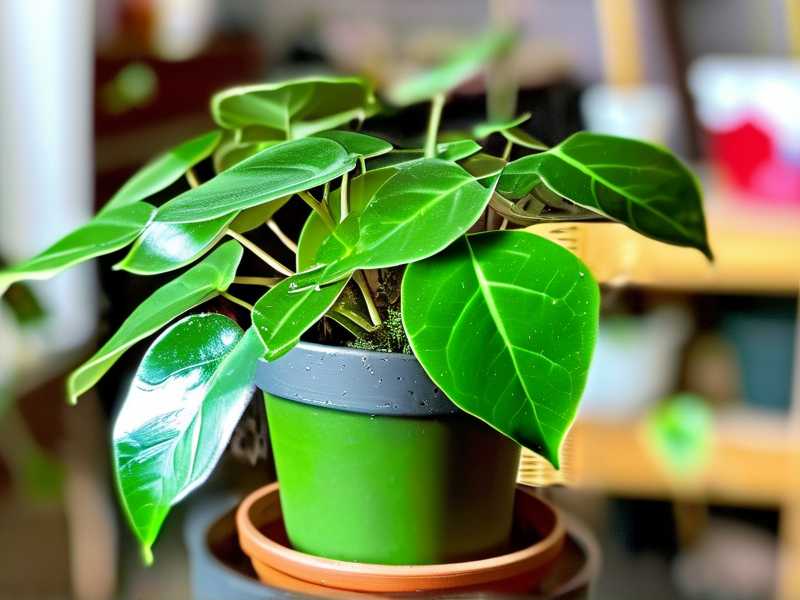
I did not water again for another ten days. During that period, the plant sat in bright morning sun. The temperature in my apartment was about 22°C. The air is dry because of the heating. These conditions make the soil dry out faster. Which means my watering intervals are shorter than someone in a humid climate. That is the key takeaway. Your environment drives your watering schedule. My routine will not work for everyone. But the principle is universal. Water deeply, wait for complete dryness, repeat.
Signs You Are Doing It Right
When your watering is correct, the leaves should be firm and plump. They should not feel squishy or hollow. The new growth should be compact. The color should be a healthy green with a slight red tinge on the edges in bright light. If the leaves start to look glossy and the plant seems to grow slowly but steadily, you are on the right track.
If you notice small white roots appearing at the soil surface, do not panic. This is normal. The plant is searching for moisture. It means you are letting the soil dry out properly. However, if the roots are black and mushy, that is rot. You need to repot immediately. Cut away the dead roots. Let the plant callus over for a day. Then replant in fresh, gritty soil.
How to Save a Wrinkled Gollum Jade
If your plant is already wrinkled, do not panic. Here is what I did to save my third plant. First, I checked the roots. If they were white, healthy, and the soil was dry, I knew it was underwatering. I gave the plant a deep soak. Within 24 hours, the leaves started to plump up. It was like magic. If the roots were brown and mushy, I had overwatered. I removed the plant from the pot. I let the root ball dry out for two days. I trimmed the rotten roots. I potted it in fresh dry soil. I waited a full week before watering. The plant eventually recovered, but it took about a month.
During recovery, keep the plant in bright, indirect light. Do not fertilize. Do not water on a schedule. Wait for the soil to be completely dry. The plant needs to focus on root regeneration, not on absorbing nutrients. I also found that placing the plant near a fan helps airflow. This prevents moisture from lingering around the base.
FAQ
How Often Should I Water Gollum Jade in Summer?
In summer, during active growth, check the soil every five days. If it is dry to the touch and the chopstick test is clean, water deeply. For me, that works out to every 10–14 days. But it depends on your climate. If you are in a humid region, you will water less often.
Can I Use Ice Cubes to Water My Gollum Jade?
I do not recommend it. Ice cubes melt slowly. They only wet the top layer of soil. The roots at the bottom stay dry. This encourages shallow root growth. Use room temperature water and soak the entire pot thoroughly. Your plant will thank you.
Why Are the Leaves Falling Off Even Though I Water Correctly?
If the leaves are firm but falling off, it might be a shock. Did you recently move the plant? Did you repot it? Did the temperature drop suddenly? Sometimes leaf drop happens after a period of drought, even if you watered again. The plant sheds old leaves to save energy. As long as the new growth looks healthy, it will recover. Give it time.
Final Thoughts
There you have it. The way to water Gollum Jade plant is not complicated, but it requires observation. You need to watch your plant. You need to check your soil. You need to adjust for seasons and light. I lost two beautiful plants before I finally got this right. My third plant is now thriving on my windowsill. The leaves are plump, the stem is woody and strong, and it even flowers in winter sometimes.
The three rules are simple. Water deeply but rarely. Provide bright light. Use a well-draining pot and soil. If you follow these, you will avoid the wrinkled leaves that cause so much frustration. Start by checking your soil today. Do not water until it is dry. You might be surprised at how fast your plant recovers.
I hope my mistakes help you avoid your own. Succulents are forgiving if you give them the right conditions. Just remember. When in doubt, do not water. Wait. And check again in the morning.





