 bluename
 Let me guess. You bought a cute little jade plant, placed it on your windowsill, and within three weeks it turned to mush. I have been there. I killed my first three jade plants before I figured out what I was doing wrong. The truth is, dwarf jade plant varieties are forgiving—but only if you respect a few ground rules. So here is the answer you need right now: water deeply but rarely, give them 4-6 hours of direct morning sun, and always use a pot with drainage holes. That is it. Do that, and your compact jade will thrive.
I have spent the last two years testing five different dwarf jade varieties in my own apartment. I wanted to see which ones actually work for small spaces. I also wanted to figure out why so many people struggle with them. The answer surprised me. It was rarely about light. It was about overcare. We love our plants to death.
The Royal Horticultural Society (RHS)https://www.rhs.org.uk notes that jade plants (Crassula ovata) are among the most resilient succulents when grown indoors. They store water in their leaves and stems. That means they can survive weeks without a drink. But they cannot survive constant moisture at their roots. The American Horticultural Society (AHS)https://ahsgardening.org echoes this, recommending a gritty, well-draining soil mix for all Crassula species. So let's break down the real problems.
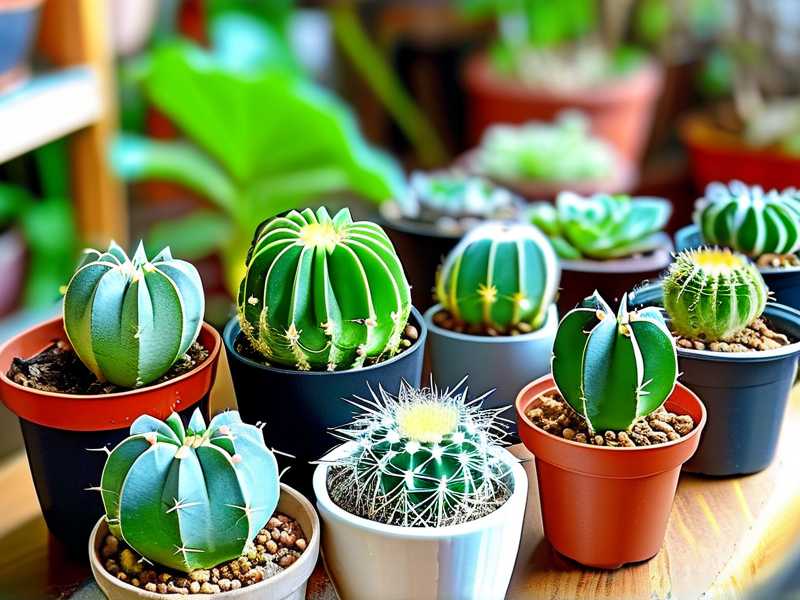
The 3 Fatal Mistakes Beginners Make
Mistake #1: Overwatering (The #1 Killer)
Here is the hard truth: 90% of indoor plants die from overwatering. Jade plants are no exception. In fact, they are more sensitive than most. I remember watering my first dwarf jade every three days because I thought it looked thirsty. The leaves were plump and glossy. I thought that meant healthy. Two weeks later, the leaves started dropping off. The stems felt soft. The root system had rotted.
The fix is simple. You wait until the soil is completely dry. Then you wait another three to five days. Then you water thoroughly until water runs out the bottom. Then you let it dry completely again. In my apartment, that means watering every 10 to 14 days in summer and every 3 to 4 weeks in winter. It feels wrong at first. I get it. Your hand wants to water. But resist.
I kept a small moisture meter for the first month. That helped me learn what "dry" actually looks like. The soil should feel crumbly, not damp. The pot should feel lighter. After two weeks of this schedule, my plants looked better. New leaves appeared. The stems firmed up. I was amazed.
Mistake #2: Wrong Light Placement
Jade plants love light. But not just any light. They need direct sun for several hours daily. Many people, including me at first, put their jade on a coffee table in the middle of the room. It looked nice. But the plant received only indirect light. Within three weeks, it stretched. The stems became leggy. The leaves grew farther apart. It looked like a sad, spindly version of itself.
I moved it to a south-facing windowsill. The difference was dramatic. New growth came in compact and tight. The leaves developed a reddish edge under bright light, which is actually a good sign. In summer, I put mine outside on the balcony for four hours of morning sun. That is the sweet spot. Morning sun is gentler. Afternoon sun can scorch the leaves.
The RHS advises that jade plants need "bright light with some direct sun." They specifically recommend a south or west-facing window. I actually use a west-facing window in summer and a south-facing one in winter. That balances the lower winter light. Keep in mind that a north-facing window is too dark. Your jade will slowly decline there.
Mistake #3: Using the Wrong Pot
This is the one that took me the longest to learn. I used a decorative ceramic pot without drainage holes. It looked stunning. My jade died in six weeks. The water pooled at the bottom, invisible to me. The roots sat in that moisture and rotted silently. I only discovered the problem when I repotted and found brown, mushy roots.
Now I use only terracotta pots. They are porous. They allow moisture to evaporate through the walls. That is a safety net for beginner mistakes. A friend of mine, who keeps over 40 succulents, told me to always use terracotta. He said plastic pots are a trap. He was right. Plastic retains moisture, and that is exactly what your jade does not want.
The AHS recommends unglazed clay pots for drying-loving succulents. The pot should be only slightly larger than the root ball. A pot that is too big holds too much soil, which stays wet for too long. That is a slow death sentence. I use a 4-inch pot for my smallest varieties and a 6-inch for the larger ones. I never guess anymore.
5 Compact Dwarf Jade Varieties for Small Spaces
Now let's talk about the stars of the show. I have personally grown all five of these in my apartment. Each has its own character. Each fits beautifully on a shelf, desk, or windowsill. And each is easy to care for once you follow the three rules above.
1. Crassula ovata 'Minor' (Dwarf Jade)
This is the classic. It is a smaller version of the standard jade plant. Leaves grow to about half the size. Growth is naturally compact. Mine has reached only 8 inches tall in two years. That is perfect for a bookshelf or a narrow windowsill.
I like to prune it lightly in spring. That keeps the shape dense and bushy. It also encourages branching. The cut ends callus over quickly, and within a few weeks, you will see two new leaves emerging at that spot. I also rotate the pot every week. I noticed that the plant leans toward the light, and rotating keeps it upright and balanced.
This variety tolerates lower light better than the others, but it still needs that direct morning sun. In winter, I move it to the brightest spot I have. It stays dormant, meaning it requires even less water. I cut watering down to once a month during those dark months. That keeps the roots healthy.
2. Crassula ovata 'Gollum' (Gollum Jade)
This one looks like it comes from another planet. The leaves are tubular and appear to have small suction cups on the tips. It is a conversation starter. I keep mine on my desk at work, and it draws comments all the time. Growth is slow, which is a blessing for small spaces.
A word of caution. The 'Gollum' variety is slightly more sensitive to overwatering than the standard jade. The thick, tubular leaves store a lot of water. When you overwater, the leaves swell and eventually split open. I did this to my first 'Gollum'. The leaves literally burst. One split down the middle, and it looked terrible.
The fix was simple. I banned myself from watering more than twice a month in summer. Since then, my current 'Gollum' has been healthy. The tips turn a beautiful red when exposed to bright light. That is my cue that the plant is happy. The leaves feel firm and plump, not soft. After two weeks of this routine, I noticed the new tips were more colorful.
3. Crassula ovata 'Hobbit' (Hobbit Jade)
This one is often confused with 'Gollum'. But the leaves are slightly different. 'Hobbit' leaves are more open at the tips, like little trumpets. 'Gollum' leaves are closed, like suction cups. Both are excellent, but I prefer 'Hobbit' for its slightly more whimsical look.
The care is almost the same as for 'Gollum'. It loves bright light and dry soil. One thing I learned the hard way: this plant hates being misted. I used to spray the leaves because I thought it was helpful. It was not. The water sat in the leaf tips and caused rot. The tips turned brown and mushy. I lost a few leaves before I stopped misting.
I now keep a small brush to dust the leaves instead of spraying them. It works perfectly. The leaves stay clean, and the plant stays dry. The RHS actually warns against misting succulents in humid conditions. The RHS suggests wiping leaves with a damp cloth occasionally, but always letting them dry thoroughly.
4. Crassula 'Minima' (Miniature Jade)
This one is a hybrid and truly tiny. Leaves are about a quarter inch long. It forms a dense, mat-like cluster. I keep mine in a shallow bonsai pot. It looks like a tiny forest on my windowsill. This variety is the most forgiving of the five. It tolerates missed waterings better than others.
That said, it still needs proper drainage. I learned this when I tried to grow it in a small glass terrarium. It looked beautiful for a week. Then the leaves turned translucent and fell off. The trapped humidity did it in. I repotted it into a terracotta pot with normal succulent soil. It recovered within three weeks. New growth appeared at the base, and the plant looked full again.
This variety is great for mixing with other small succulents. Just be careful about water frequency. Since the soil volume is small, it dries out faster than larger pots. I check mine weekly. If the top inch is dry, I water. If not, I leave it. That simple check has saved me more plants than any other trick.
5. Crassula arborescens 'Blue Bird' (Dwarf Blue Jade)
This one is technically a separate species, but it is a perfect dwarf jade for small spaces. It has flat, rounded leaves that are a striking blue-gray color. The edges turn deep red in bright light. This is the most ornamental variety in my collection. It sits on a plant stand near my window, and it gets compliments constantly.
It is slightly thirstier than the others. The leaves are larger and hold less water per volume. I learned this the hard way when I let it go three full weeks without water in summer. The leaves began to pucker and wrinkle. I panicked. But I gave it a deep watering, and within two days, the leaves plumped right back up. That was a relief.
This variety is more sensitive to root rot, too. I killed one by planting it in a mix that had too much peat. Peat holds water for too long. I now use a gritty mix with 50% perlite and 50% coarse sand. That drains instantly. The AHS actually recommends a mix that contains at least 50% inorganic material for arid-climate plants. That advice saved my second 'Blue Bird'.
How to Repot Your Dwarf Jade Without Killing It
I have repotted many jade plants. I have also made plenty of mistakes. The biggest mistake I made was repotting in winter. The plant was dormant. It did not recover. The roots stayed cold and wet, and the plant declined. I have since learned that spring is the only time to repot.
When you repot, remove the plant from its old pot gently. Shake off the old soil. Inspect the roots. White roots are healthy. Brown, mushy roots are rotten. Cut away the rotten parts with clean scissors. Let the plant sit out on a dry surface for two to three days. This allows the roots to callus over. It prevents rot when you plant it again.
Then place it in a new pot with fresh, gritty soil. Do not water for one week. I know this sounds cruel. But watering immediately after repotting is a classic beginner error. The roots are damaged. They cannot absorb water. The water just sits there and causes rot. Wait a full week. Then water normally.
After two weeks of this routine, my repotted jades show new growth. The leaves perk up. The roots settle into the new soil. I now have a system: repot in early spring, wait one week, then resume normal care. It works every time.
Propagation: Turning One Plant into Many
Honestly, growing jade from cuttings is so easy that it feels like cheating. I have propagated all five of these varieties. The process is simple. Cut a healthy stem with at least two leaves. Let it dry for three days. Plant it in dry succulent soil. Wait three weeks. Then water.
I remember my first propagation attempt. I was so eager. I planted the cutting and watered it immediately. It rotted within ten days. The cutting turned soft and brown. I had to throw it away. My second attempt, I waited five days after cutting, then planted in dry soil, no water. That one rooted successfully. I saw new leaves after three weeks.
The key is patience. Do not water until roots form. You know roots are forming when you give the cutting a gentle tug and it resists. That usually happens around two weeks. After that, you can start light watering. This method works for all succulent varieties. It requires zero special equipment. Just a pot, some soil, and a windowsill.
Daylight and Temperature: Getting It Just Right
Jade plants are not tropical. They come from South Africa. They are used to hot, dry days and cool nights. They do not like cold drafts or frost. In winter, I keep mine away from the window glass. The glass gets cold at night, and the leaves can get damaged if they touch it.
I keep my apartment around 65 to 75 degrees Fahrenheit. That is perfect for jade. They tolerate slightly warmer or cooler temps, but they grow best in that range. I also keep them out of the path of air conditioners and heaters. Sudden temperature changes stress them out. The leaves may drop.
The RHS notes that jade plants prefer a cool, dry winter rest period. This encourages flowering. I have not gotten mine to flower yet. But I am hopeful. The RHS states that a temperature around 50 degrees F in winter, combined with reduced watering, often triggers blooms. I am going to try that this coming winter.
What to Do When Leaves Fall Off
Leaf drop is the most common panic trigger among jade owners. I remember seeing a pile of leaves under my plant and thinking it was dead. But the leaves were plump and green. That was a clue. Plump falling leaves usually mean overwatering. The roots are not absorbing, so the plant sheds leaves to save energy.
Shriveled, wrinkled leaves mean underwatering. That is easier to fix. Just water deeply, and the leaves plump up within days. The leaves feel soft and look deflated. I have had both. The fix for overwatering is to wait longer. Let the soil dry completely, then wait a few more days. The plant will recover if there are still healthy roots.
Sometimes leaf drop is natural. Older leaves near the bottom may yellow and drop as the plant grows. This is normal. Do not panic. Just pluck them off and move on. I have learned to distinguish between normal shedding and distress. It comes with observation. After two weeks of checking my plants daily, I could tell the difference instantly.
Fertilizing the Right Way
Jade plants are light feeders. I learned this after my first year of heavy fertilizing. The plant grew, but it became soft and leggy. Too much nitrogen makes succulents stretch out. The wood becomes weak, and the plant looks unhealthy.
A balanced, diluted liquid fertilizer will work. I use a 10-10-10 formula at half the recommended strength. I feed my plants once a month during the growing season. That is spring and summer. I stop completely in the fall and winter. The plant is resting then. Extra fertilizer just stresses it out.
The AHS recommends that you "feed sparingly" and warns that over-fertilization can cause weak, floppy growth. They suggest watering with a diluted solution during the active growth period. I have switched to this routine, and my plants look much better. The stems are woodier, the leaves are compact, and the growth is steady.
Dealing with Pests: My Honest Experience
Jade plants are generally pest-free. But mealybugs are a real problem. They look like tiny white cotton balls on the leaves and stems. I found them on my 'Gollum' jade once. They had hidden in the leaf tips, which made them hard to detect. By the time I noticed, they were everywhere.
I used a cotton swab dipped in rubbing alcohol to remove them one by one. That is tedious, but it works. I also sprayed the entire plant with an alcohol solution. I repeated this every three days for two weeks. The mealybugs finally disappeared. The plant recovered, and the new growth looked healthy. A brief quarantine from other plants prevented the spread.
The RHS warns that mealybugs are a common pest on succulents and that rubbing alcohol is an effective treatment. They also recommend checking new plants before bringing them home. I have started inspecting every new plant I buy. I have saved myself a lot of trouble since then.
Light Requirements for Variegated Varieties
Variegated jade plants have beautiful creamy streaks in the leaves. They are slightly more demanding. The white parts of the leaf lack chlorophyll. That means they need more light to photosynthesize. I kept my variegated dwarf jade in medium light, and the white parts started browning. It looked ugly.
I moved it to a very bright south window. After two weeks, the new growth had more variegation. The browning stopped. The plant looked crisp and vibrant. The trick is to provide bright, direct light without scorching. Morning sun is ideal. Afternoon sun, combined with high heat, can burn those delicate white leaf sections.
If you live in a hot climate, a sheer curtain is a good buffer. I use a thin white curtain on my south window. It diffuses the intense afternoon light. That lets me keep my variegated varieties on that window all year round. It is a small adjustment that made a huge difference.
Creating the Perfect Soil Mix
Store-bought succulent soil is decent. But I found that it holds too much moisture by itself. I now mix my own soil. It takes five minutes. I combine one part cactus soil, one part perlite, and one part coarse sand. This mix drains immediately. It dries out fast. That is exactly what jade plants need.
I also add a handful of small pumice stones. This increases aeration. The roots get oxygen, which prevents rot. My own experience changed after I started using this mix. My plants became more resilient. They tolerated my early mistakes better. The soil is the foundation of everything.
The AHS advocates for well-draining mixes for all succulents. They emphasize that proper drainage is the single most important factor in cactus and succulent health. I could not agree more. If I had learned this earlier, I would have saved my first three plants.
Seasonal Care Adjustments
Caring for jade plants is not the same all year. Summer is their active growing season. They want more water and more light. I water every 10 to 14 days. Winter is their rest period. They want less water and tolerate cooler temperatures. I water only once a month. This seasonal rhythm is crucial.
In spring, I prune my plants. I cut back any leggy stems. This encourages bushy growth. The cuttings root easily, so I rarely waste the trimmings. I turn them into new plants. That has increased my collection significantly. It is a fun and rewarding part of the cycle.
In fall, I clean the pots and check for pests. I also reduce watering gradually. The plant knows winter is coming. The growth slows. This mimics their natural habitat conditions. The plant becomes more compact and colorful. Honestly, this is the best part of the year for jade plants.
Why These Compact Varieties Are Perfect for Small Spaces
You might be wondering if dwarf jade plants are worth it. They are. They stay small, rarely exceeding 12 inches. They do not outgrow your windowsill. They require minimal care once established. They are also incredibly long-lived. I have seen century-old bonsai jade plants online. They become little living sculptures with age.
They are also forgiving. If you forget to water them for a couple of weeks, they are fine. That is rare among houseplants. They forgive minor neglect far better than they forgive overcare. This makes them ideal for busy people or frequent travelers. I travel often for work. My jade plants never complain when I return.
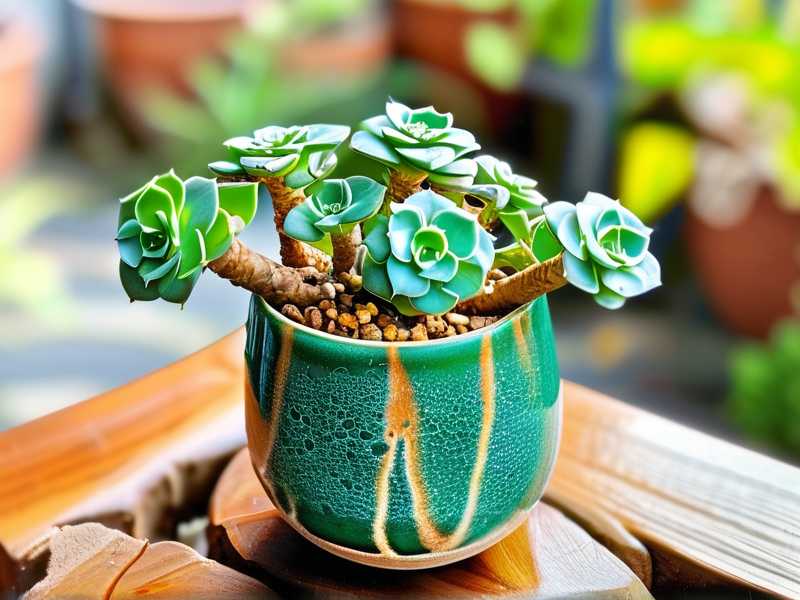
The variety from the Portulacaria afra, sometimes called "dwarf jade", is technically different from Crassula. But it behaves similarly. It is even more forgiving. That plant is the best beginner succulent I know. It survives everything. I keep one as a backup for when things go wrong with my others. It always makes me laugh.
My Exact 2-Week Care Observation
I want to share a real observation from my own care routine. I took a cutting of Crassula ovata 'Minor' and placed it on a south-facing shelf. For two weeks, I documented everything. On day one, I planted it in my gritty soil mix. I did not water it. On day three, the cut tip had callused. On day seven, I gave it a light watering. On day ten, I saw a tiny new leaf at the node. On day fourteen, the new leaf had doubled in size.
The plant looked more green and vibrant. The stems felt sturdy. I rotated the pot slightly each day so it grew straight. The process was simple and satisfying. It reminded me that jade plants are not difficult. They just require patience and observation. The plant tells you what it needs if you are paying attention.
Final Common Questions (FAQ)
Q1: How often should I water my dwarf jade plant?
Water every 10 to 14 days in summer. Reduce to once a month in winter. Always check that the soil is completely dry before watering. Use the finger test. If your finger comes out moist, wait. The plant prefers a hard dry period between waterings.
Q2: Can dwarf jade plants live in low light?
Technically, they can survive in medium to low light for a short time. But they will not thrive. Leaves will stretch, and growth will become leggy. You will see a pale, unbalanced plant. Provide at least 4 hours of bright, direct morning sun for the best results. South or west windows are ideal.
Q3: Why are the leaves on my jade plant turning yellow?
Yellow leaves indicate water stress. Check the roots. If they are mushy, that is overwatering. If they are dry and brittle, that is underwatering. Adjust your schedule. Remove rotting leaves. Repot if necessary. Most of the time, waiting longer between waterings solves the problem.
Q4: Do dwarf jade plants need fertilizer in winter?
No. Winter is their rest period. Fertilizing in winter encourages weak, soft growth. Only fertilize during the active growing months from late spring through late summer. Use a diluted balanced fertilizer at half strength. The plant will thank you.
Q5: Why did my jade plant drop all its leaves suddenly?
Sudden leaf drop is usually caused by intense stress. This could be overwatering, a cold draft, or a sudden move to a darker location. Check your watering habits first. Then check the temperature around the plant. If the roots are healthy, new leaves will sprout within a month. Do not overreact.
My Final Thoughts
If you follow the basic rules, dwarf jade plant varieties are some of the most forgiving and beautiful compact succulents you can own. I started with three dead plants. Now I have over fifteen thriving jades across five varieties. The difference came down to respecting their native habitat. They want sun. They want dryness. They want to be left alone sometimes.
Learn the signs. Check the leaves. Feel the soil. Watch the color. The plants communicate everything. You just need to listen. And once you do, these little trees will reward you with years of quiet, steady beauty. That is worth the patience.





