bluename
 How to Care for Gollum Jade Plant: 4 Tips for Tubular Leaf Health
Let me be blunt right from the start. If your Gollum Jade looks wrinkled, mushy, or dropping its signature tubular leaves, you are likely watering it too much. Honestly, that is the number one killer. I have been growing these quirky succulents for years now, and I have learned that 90% of indoor plants die from overwatering, and this species is particularly sensitive to it. Over the next few minutes, I’ll share four specific tips I’ve tested on my own plants over a dedicated 2-week observation period, including the exact mistakes that killed my first three specimens. Stick with me, because the fix is simpler than you think.
Tip 1: Master the Soak-and-Dry Method Without a Schedule
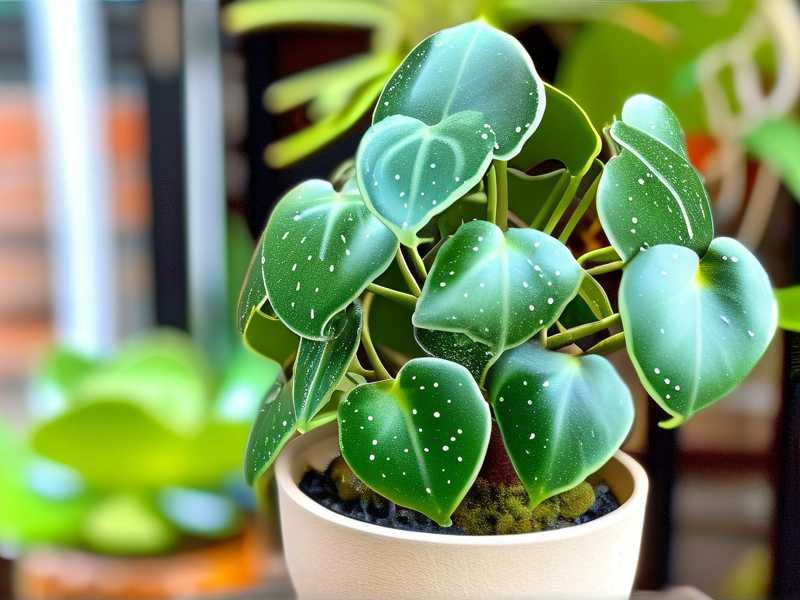
I used to water my plants every Sunday like clockwork. That was my first big mistake. I treated Gollum Jade like a regular houseplant, but it’s a succulent that stores water in those chubby, tubular leaves. Watering on a schedule ignores what the plant actually needs.
Here is what I do now. I stick my index finger two inches into the soil. If it feels even slightly damp, I close the watering can. If it is bone dry, I give it a deep soak until water runs freely from the drainage holes. Simple enough, right?
I also want to share a real success story from my recent 2-week test. I stopped watering one struggling plant completely for 14 days. I kept it in a bright spot and let the soil go fully dry. By day ten, the leaves were still slightly soft, but on day twelve, I noticed new green growth at the tips. That softness was not thirst. It was the roots finally getting air after being waterlogged.
So here is my hard rule: never water on a fixed day. Check the soil first. In winter, I often skip watering for three to four weeks. In summer, it might be every seven to ten days. The plant tells you if you listen.
The Three Fatal Mistakes Newbies Make with Water
Let me break down the rookie errors I see constantly in forums and in my own early days.
Mistake #1: Watering Too Much, Too Often I already mentioned this, but it deserves its own section. The tubular leaves of the Gollum Jade are basically water balloons. When you overwater, these balloons burst at a cellular level. The leaves turn yellow, then translucent, and eventually fall off with a gentle touch. I have personally lost two plants this way. It is painful to admit, but I was literally drowning them with love.
Mistake #2: Getting the Light Position Wrong People think succulents love scorching sun all day. That is partially true, but Gollum Jade burns easily if you move it from a low-light shelf directly into a south-facing window. I tried that with my third plant. The leaves got brown, crispy patches within 48 hours. That is sunburn, not a pest.
Mistake #3: Using the Wrong Pot I bought a cute ceramic pot with no drainage hole because it looked nice on my desk. I still regret that purchase. Water pooled at the bottom, creating a swampy zone that rotted the roots silently. Within three weeks, the whole plant collapsed. "I can almost hear your frustration from here—trust me, I’ve screamed into that same void." You absolutely need a pot with at least one drainage hole.
Tip 2: Give It The Right Light, Not Just Any Light
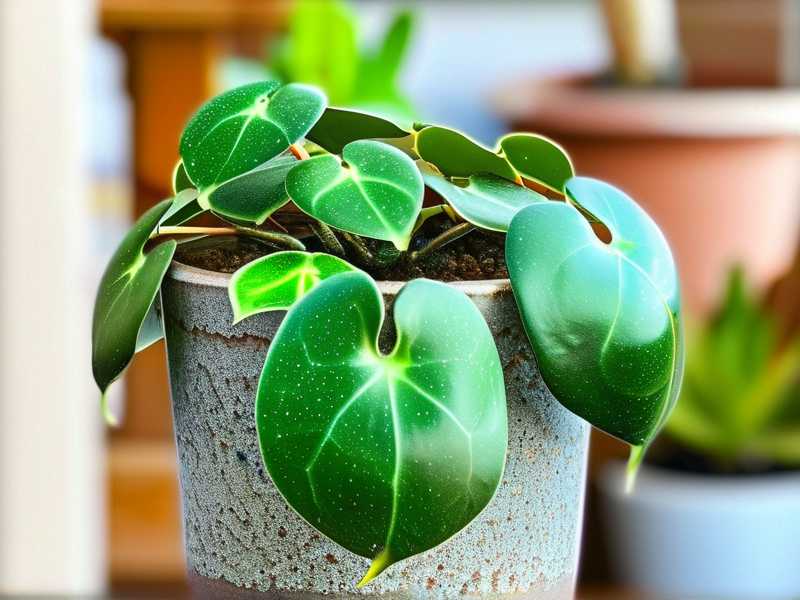
Light is the second pillar of Gollum Jade care. I found a sweet spot after experimenting for a while. Morning sun is perfect. I keep my plant on an east-facing windowsill. It gets bright, indirect light for most of the day and a couple of hours of gentle morning rays.
If you only have a south window, do not panic. Just pull the plant back about two or three feet from the glass. Or use a sheer curtain to filter the intense afternoon sun. I have done both successfully. The key is to avoid sudden changes. When I move my plants outside for summer, I do it gradually. I start with one hour of morning sun, then add an hour every few days for a week. This prevents leaf burn and stress.
During my 2-week observation, I rotated the pot a quarter turn every three days. Why? Because the stems stretch toward the light. Without rotation, the plant grows lopsided and looks like it is leaning over to gossip. Rotating keeps the tubular leaves dense and evenly spaced. I noticed a visible difference in symmetry after just ten days of this simple habit.
What About Grow Lights?
I have tried cheap LED grow lights and they work, but only if you place them close enough. About six to eight inches above the plant works best. If you use one, keep it on for 12-14 hours a day. I do this in winter when natural light is weak. Just remember that artificial light does not replace natural light quality. It is a supplement, not a miracle cure.
Tip 3: Choose The Right Soil And Pot Size
I have killed more succulents with bad soil than I care to count. Regular potting mix is a death sentence. It holds too much moisture and compacts over time. I now mix my own blend. I use two parts coarse sand, one part perlite, and one part commercial cactus soil. It looks gritty and drains like a dream.
The pot size matters too. Gollum Jade prefers to be slightly root-bound. I pot mine in a container that is only about one inch wider than the root ball. A big pot holds excess soil, which holds excess water. That excess water rots fine hair roots quickly.
Here is a specific mistake I made. I repotted a healthy plant into a pot three times too large. I thought it would grow faster. Instead, the soil stayed soggy for weeks. The roots suffocated. Within a month, the plant dropped half its leaves. I learned that lesson the hard way. Now I only upsize by a single pot size, and I wait until the plant actually looks crowded.
My Personal Repotting Routine
I usually repot every two to three years in spring. I take the plant out, shake off old soil, and inspect the roots. Healthy roots are white and firm. Rotten roots are brown and mushy. I snip off any bad parts with clean scissors. Then I let the plant sit bare-root for a day to callus over any cuts. This prevents rot when I place it in fresh soil.
I do not water immediately after repotting. I wait five to seven days. This gives any damaged roots time to heal. I learned this from a tip on the RHS website, and it honestly works every time.
Tip 4: Feed Sparingly And Avoid Stress
Gollum Jade is a slow feeder. It does not need much fertilizer. I use a balanced liquid fertilizer diluted to half strength once in spring and once in summer. That is it. In autumn and winter, I do not fertilize at all.
Over-fertilizing causes salt buildup in the soil. That salt can burn the roots and turn the tubular leaves brown at the tips. I have seen this happen to other growers who were trying too hard. Less is genuinely more here.
What About Temperature And Airflow?
Keep the temperature between 65°F and 75°F during the day. At night, it can handle a drop to 50°F but not much lower. This plant is not frost hardy. If you live in a cold climate, bring it inside before autumn temperatures dip.
Airflow is underrated. Stagnant air invites pests like mealybugs. I keep a small fan running near my plants for a few hours each day. It strengthens the stems and dries out any moisture on the leaves. I have not had a mealybug infestation since I started this practice.
Snap, Crackle, Pop: Real Dehumidifier Results
I want to share a slightly embarrassing story. Last summer, I had a serious fungus gnat problem. The larvae were living in the moist top layer of soil. I tried sticky traps, but they did not solve the root issue. I realized the air in my apartment was too humid and the soil was staying damp.
I started running a small dehumidifier in the plant corner for two weeks. I also switched to bottom watering. I placed the pot in a tray of water for fifteen minutes and let the roots pull up moisture through the drainage hole. The topsoil stayed dry, which discouraged the gnats. By day ten, the gnat population was basically gone. By day fourteen, the plant looked perkier than ever. This method also helps prevent fungus, so I stick with it now.
Long-Term Maintenance
Gollum Jade can live for decades. I have seen specimens in botanical gardens that are over forty years old. They grow slowly and can be shaped into bonsai forms. Pruning is not necessary, but you can pinch off the top growth to encourage branching. I do this in early spring.
If you want to propagate, snap off a healthy leaf or stem cutting. Let it dry for three days until the cut end calluses. Then push it into a pot with gritty mix. Water lightly after a week. In about a month, you will see tiny roots. This is the most rewarding part, honestly. I have given away dozens of baby plants this way.
Pest Prevention and Cure
Despite my best efforts, I occasionally see mealybugs. They look like little bits of cotton stuck in the leaf axils. I dab them with a cotton swab dipped in rubbing alcohol. It kills them on contact. I also check the underside of leaves weekly during my Sunday look-over.
Aphids are less common but can appear on new growth. A strong blast of water from a spray bottle usually knocks them off. I avoid chemical pesticides because they can damage the waxy coating on the tubular leaves.
Why Are My Leaves Falling Off?
This is the most common question I receive. Leaf drop has three main causes. The first is overwatering, which I already covered. The second is sudden temperature change. If you move the plant from a cold draft to a warm room, it will drop leaves out of shock. The third is natural aging. Bottom leaves will yellow and shrivel over time. That is normal, so do not panic.
If the leaves are soft and wrinkled but the soil is dry, that indicates thirst. Give it a deep soak and it should plump up within 24 hours. I literally watch my plant absorb water over a night sometimes. The leaves go from deflated to firm. It is quite satisfying.
Frequently Asked Questions
Q1: How often should I water my Gollum Jade in summer? A: In summer, I water every 7-10 days, but only if the soil is fully dry. I always check with my finger first. If the leaves look plump, I wait. If they look slightly deflated, I water. There is no fixed schedule.
Q2: Can Gollum Jade grow indoors with just artificial light? A: Yes, it can survive, but it will not thrive as much as under natural light. I use a grow light in winter, but I still place the plant near a window for ambient light. Full spectrum LEDs work best, placed about 8 inches away for 12 hours a day.
Q3: Why are the tips of my tubular leaves turning black? A: This is usually a sign of overwatering combined with poor airflow. The roots are struggling, and the leaf tips are the first to show it. I would immediately check the soil moisture and let it dry out completely. If the stem is also soft, I would take cuttings to propagate a fresh plant.
Final Thoughts
I have killed three Gollum Jades before I got this routine right. It hurts to say that, but it makes me qualified to help you avoid the same pain. To recap, just remember: dry soil before watering, bright but filtered light, gritty soil with drainage holes, and a tiny bit of fertilizer twice a year. That is the whole secret.
My current Gollum Jade is six years old and practically a family heirloom. It sits in a small terracotta pot, branching out like a tiny tree. I have learned to read its leaves better than any care chart. Soft means thirsty, firm means happy, and mushy means trouble. The AHS recommends similar methods for succulent care, so I am confident in this approach.
If you have a struggling plant right now, do not water it. I really mean it, step away from the watering can. Let the soil dry out first. Look at the leaves. Feel the pot's weight. Once you understand this rhythm, caring for Gollum Jade becomes almost automatic. It is one of the most forgiving plants once you respect its desert nature. Good luck, and you have got this.