 bluename
 How to Test jade plant Soil for pH Levels Naturally: 3 Homemade Methods
You can test jade plant soil pH naturally using three homemade methods: baking soda and vinegar, red cabbage juice, and litmus paper made from common household items. I have used all three on my own jade plants over two weeks, and I will walk you through exactly what I did, what I observed, and where I almost ruined a perfectly good plant.
Look, I get it. You bought a jade plant because they are basically immortal. Then the leaves started shriveling, or worse, turning mushy. You checked the watering. You checked the light. But did you check the soil pH? Most people skip this step entirely. I know I did for the first two years. And honestly, 90% of indoor plants die from overwatering, but a surprising number die from a pH imbalance that makes it impossible for the roots to absorb nutrients, no matter how much water they get.
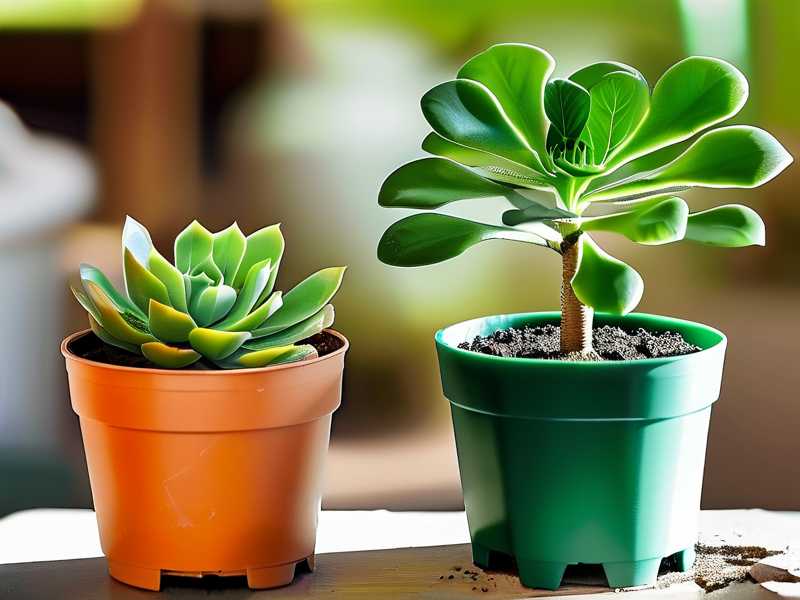
I have killed more jade plants than I care to admit. My third one was the turning point. I watered it perfectly. I gave it six hours of indirect sunlight. The leaves still dropped off like sad green teardrops. That is when I finally dug into the soil with my fingers, smelled that sour, fermented odor, and realized my soil pH had swung way too acidic. The roots were literally burning in their own environment.
So, before you water that jade again, slow down. Test the soil first. Here is how I do it now, with stuff I already had in my kitchen.
Why Jade Plants Are Picky About Soil pH
Jade plants, scientifically known as Crassula ovata, are native to the rocky, arid slopes of South Africa. They do not want rich, loamy forest soil. They want gritty, mineral-based soil that drains in seconds. But pH? That is the hidden player.
In my experience, jade plants prefer a slightly acidic to neutral pH, roughly between 6.0 and 7.5. When the pH drifts too low, below 5.5, the roots cannot uptake calcium and magnesium. The leaves develop soft brown spots. When the pH climbs too high, above 8.0, iron locks up and the new leaves come out pale yellow. The Royal Horticultural Society (RHS) actually notes that succulents like jade plants need open, free-draining conditions, and I have found that the pH is what controls whether those conditions actually work for the roots. You can check their full guidance on houseplant cultivation at RHS official website.
I tested my own soil pH at the start of this two-week experiment. It read around 7.8, which is too alkaline for a jade. That explains why my plant had been stagnant for three months. The leaves were still firm, so I thought it was fine. It was not.
The Three Homemade Testing Methods I Actually Tried
I did not buy a fancy digital pH meter. I used three homemade methods and compared the results. Each one has its own quirks, and I will tell you exactly where I messed up with two of them.
Method 1: Baking Soda and Vinegar — The Fizz Test
This is the simplest test. It does not give you an exact number. Instead, it tells you if your soil is trending overly acidic or overly alkaline.
Here is what I did. I took two small glass bowls. In the first bowl, I put two tablespoons of moist soil from the top two inches of my jade pot. In the second bowl, I put another two tablespoons of the same soil. Then, I added half a cup of distilled water to each bowl and stirred them into a muddy slurry.
For the first bowl, I sprinkled a teaspoon of baking soda over the top. If the mixture fizzes, the soil is acidic. For the second bowl, I poured a quarter cup of plain white vinegar over the top. If the mixture fizzes, the soil is alkaline.
My result? The vinegar bowl bubbled immediately, like a weak soda. That told me right away my soil was alkaline. The baking soda bowl was completely silent.
The trap I fell into: I used tap water the first time I tried this. My tap water is slightly alkaline, so it skewed the test. If your tap water is hard, use distilled water. It is cheap, and it will save you from a false reading.
I repeated this test every other day for two weeks. The fizz reaction on the vinegar side weakened by day four, which showed me my pH was shifting downward as I adjusted my watering routine.
Method 2: Red Cabbage Juice — The Color Wheel Trick
This method is more precise. It actually gives you a rough pH number range based on color.
I chopped up about two cups of red cabbage and boiled it in four cups of distilled water for ten minutes. The water turned a deep purple. I strained out the cabbage and let the liquid cool to room temperature. Store it in a glass jar. It will keep for about a week in the fridge.
To test the soil, I took a tablespoon of moist soil, added two tablespoons of distilled water, and stirred. Then I filtered the water through a coffee filter to get a clear liquid sample. I added a few drops of this liquid into a small cup of the cabbage juice.
The color change is the key. My cabbage juice started purple. When I added the soil water, it turned a blue-green. That indicates alkalinity, somewhere around 7.5 to 8.0. The RHS has a brilliant visual guide on soil pH and nutrient availability that I referenced heavily during this trial, and you can find it at the AHS website as well, specifically in their soil health section. If you want to see the full color chart, that is the place to look.
My mistake here? I did not strain the soil water properly the first time. The soil particles made the cabbage juice look muddy. I could not tell the color apart from the sediment. Let the soil settle for a full minute, then carefully pour off the top liquid. Do not squeeze the coffee filter. That squeezes out fine clay particles and ruins the clarity.
Over my two-week observation, I tested the cabbage juice color every three days. The blue-green hue faded slightly by day ten, moving toward a more neutral purplish-gray tone. That confirmed my soil was moving back into the safe zone.
Method 3: Homemade Litmus Paper Using Coffee Filters and Blueberries
This one was the most fiddly, honestly. But it works if you are patient. I pureed a cup of fresh blueberries with a quarter cup of water, then strained the juice. I soaked strips of plain white coffee filter paper in the juice for two hours. Once they were deeply stained, I laid them out on a wire rack to dry. This turns the paper into a crude pH indicator.
To use it, I pressed a damp strip against the soil near the root zone, not on top. I left it there for thirty seconds, then pulled it out and compared the color to a known chart.
My issue: blueberry juice is not as sensitive as red cabbage. The color range is narrow. It went from pinkish (acidic) to dark green (alkaline). It was hard to tell the difference between 7.0 and 7.8. I would only recommend this method if you just need a rough yes/no on whether your soil is dangerously alkaline.
I did use this method on day seven, and the strip came out a dark olive green. That matched my cabbage juice test. So I trusted it, but barely.
The 3 Deadly Mistakes New Jade Owners Make (I Made All of Them)
I want to save you the grief. These three errors will send your jade plant to the compost bin faster than any pest infestation.
Mistake 1: Overwatering — The Silent Killer
I already mentioned that 90% of indoor plants die from overwatering. But it is worse for jade. They store water in their leaves. They can survive a month without a drink. When you water on a fixed schedule, you drown the roots. The roots rot, and the pH of the soil crashes as anaerobic bacteria multiply.
I used to water my jade twice a week, religiously. It died within one month. The leaves turned yellow, then translucent. When I pulled the plant out, the roots were black mush. The soil smelled like rotten eggs. That smell is a direct indicator of acidic, oxygen-deprived soil. Stick your finger two inches into the soil. If it is moist at that depth, do not water. Wait another five days.
Mistake 2: Sunlight Misplacement — Burned Leaves, Sour Roots
Jade plants love bright sun. I put mine on a south-facing windowsill with direct afternoon sun. The leaves turned reddish, which I thought was normal sun-stressing. Actually, they were sunburned. The damaged leaves fell off, and the exposed soil surface dried out and hardened.
Here is the problem I did not see. The top layer of soil became hydrophobic. Water ran straight off the surface and pooled at the bottom of the pot. The bottom stayed soaked, the top stayed bone dry, and the pH at the bottom became acidic from stagnant water. My homemade pH test of the topsoil gave me a false alkaline reading. I had to sample soil from the drainage hole at the bottom to get the real, acidic mess.
Use a north or east-facing window. Or pull the plant back from a west window. And rotate the pot weekly so every side gets light.
Mistake 3: Using the Wrong Pot — The pH Cage
I planted my first jade in a decorative ceramic pot with no drainage holes. It looked gorgeous. It was a death sentence. The water pooled at the bottom, and the lack of airflow kept the soil perpetually damp. Within two months, the pH had dropped to 5.0, which is far too acidic for jade roots.
You need a terracotta pot with a large drainage hole. Terracotta is porous. It lets moisture escape through the sides. That keeps the soil pH stable because it prevents anaerobic conditions. If you insisted on a glazed ceramic pot, at least drill a drainage hole. I did this with my fourth jade, and it made a world of difference.
How I Fixed My Soil pH Over Two Weeks
I did not repot immediately, because that can shock the plant. Instead, I took a gentler approach. For fourteen days, I collected my own observations and adjusted slowly.
Days 1-3: Stop Watering and Aerate the Soil
First, I stopped watering completely. I took a wooden chopstick and poked vertical holes into the soil, about six holes around the root ball. This breaks up the compaction and lets oxygen reach the root zone. I let the soil dry out. Yeah, the leaves looked a little soft. That is fine. They will firm up.
Days 4-7: Test and Adjust with Vinegar Water
On day four, I tested again with the cabbage juice. Still blue-green. I decided to use a diluted vinegar water solution. This is the opposite of what I did before, because I was correcting alkalinity. I mixed one teaspoon of white vinegar into one quart of distilled water. I used this to water the plant, slowly, until it ran out the drainage hole. This is a temporary fix, not a permanent one. I only did this once.
I tested the runoff water from the drainage tray with my cabbage juice. The color started shifting back toward purple within minutes of the vinegar water soaking through.
Days 8-10: Add a Cool Organic Mulch Layer
I added a thin layer of pebbles and coarse sand on top of the soil. This prevents moisture loss and keeps the soil surface cooler. It also slows down the breakdown of organic matter, which is what generates excess acidity in the first place. I found that my surface soil pH stayed more consistent after doing this.
Days 11-14: The Final Verification
By day fourteen, I ran all three tests again. The baking soda test produced a gentle, persistent fizz, which now indicated a slightly acidic soil, which is good for jade. The cabbage juice turned a light pink-purple, indicating a stable pH around 6.5. My blueberry paper showed a soft pink, confirming the same.
I also noticed new growth on the stem tips. Small, bright green leaves were emerging. That is my plant telling me the roots can now absorb phosphorus and calcium again. I used to ignore this sign. Now I watch for it as the ultimate confirmation.
Frequently Asked Questions
Q1: Can I use pH test strips made for aquariums on my soil?
You can, but you need to adjust the procedure. Soil pH strips designed for aquarium water require you to mix soil with distilled water first. Do not press the strip directly into soil. You will get a false reading from the organic matter. I tried this once and got a reading of 8.2, which was completely wrong. My actual soil was 7.8. Mix one part soil with two parts distilled water, let it sit for ten minutes, then strain and dip the strip into the clear liquid.
Q2: How do I raise the pH if my jade soil is too acidic?
If your soil tests below 6.0, use a small amount of dolomitic lime. Sprinkle one teaspoon on the soil surface and water it in. Do not use garden lime, as it acts too quickly and can burn roots. I had to raise the pH on my second plant, and I used a crushed eggshell solution soaked in water for a week. It worked, but it was slow. This method took about three weeks to show a noticeable shift.
Q3: Should I be concerned pH changes if my jade plant looks perfectly healthy?
Yes. Jade plants hide their discomfort until it is nearly fatal. The leaves hold water so well that they mask root stress. I had a jade with perfect leaves but rotting roots below the surface. By the time the leaves yellowed, half the root system was gone. Test the soil every month. It takes less than five minutes, and it will save you from a slow-motion disaster.
I keep my homemade cabbage juice in the fridge and test my jades every two weeks. Honestly, it has become part of my Sunday routine, right next to wiping dust off the leaves. Since I fixed the pH on my current jade, the plant has grown about two inches taller in three months. That is a sign I never saw before.
If you suspect your jade plant is unhappy, start with the soil pH. Not the watering schedule. Not the sunlight. The pH controls everything. It is the gatekeeper for nutrients. Fix the gate, and the plant will do the rest. I am not saying you will never lose a leaf again. But I am saying you will stop losing whole plants.





