 bluename
 If your jade plant is suddenly sticky, dotted with tiny cottony patches, or just looks "off," the problem is almost certainly pests. The fastest fix is to quarantine the plant, wipe down every leaf with diluted neem oil, and repot it into a gritty mix if the soil is waterlogged. But that's the emergency room. The real cure for pest infestations starts long before you see the first bug. I learned this the hard way. 90% of indoor plants die from overwatering, and a stressed jade plant is a magnet for mealybugs, scale, and spider mites. What I've found after years of trial and error is that the best preventive measure isn't a chemical spray. It's light. Specifically, how you manage light to keep your plant strong enough to resist pests in the first place.
Why Pests Attack Jade Plants in the First Place
Let's be honest. Pests don't attack healthy plants. They attack weak ones. A jade plant that's sitting in dim light, with soggy roots, is basically a five-star buffet sign for pests. When a plant is stressed, it releases certain volatile compounds. Pests detect this. They come. Here's what I've observed: the jade plants I keep near my south-facing window, getting several hours of direct morning sun, almost never get sick. The ones I kept on a bookshelf in my living room, away from the window? They were mealybug magnets.
The connection between light and pest prevention is simple. Good light drives photosynthesis. Photosynthesis drives the production of sugars and secondary metabolites. These compounds thicken cell walls and create a natural chemical defense. Strong light also keeps the plant's interior dry. Pests like humidity. If your jade plant is in a dim, stuffy corner with wet soil, you're basically running a pest hostel.
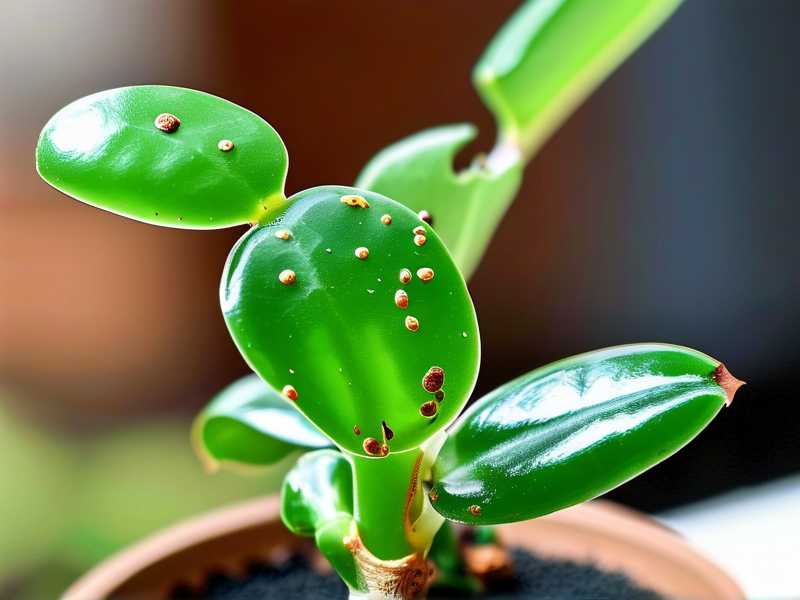
So the biggest mistake I see beginner growers make is thinking pests are a random occurrence. They aren't. Pests are a symptom. And the number one root cause is poor light management, which leads to overwatering, which leads to stress. I've been there. In fact, I've killed more jade plants than I'd like to admit. I killed my fifth jade plant before I finally understood that the problem wasn't the pests. It was the conditions I was providing.
The 3 Critical Mistakes That Invite Pests
Before I dive into the four light tips, I need to get something off my chest. There are three things almost every beginner does wrong. I did all three. You might be doing them right now without knowing it.
Mistake #1: Overwatering (The Silent Pest Magnet)
I can't stress this enough. Overwatering is the gateway drug to pest infestations. When you water your jade plant too often, the roots suffocate. They start to rot. The plant enters a state of physiological stress. And what does a stressed plant do? It produces ethylene and other stress hormones. These chemicals are like a dinner bell for pests, especially fungus gnats and root mealybugs.
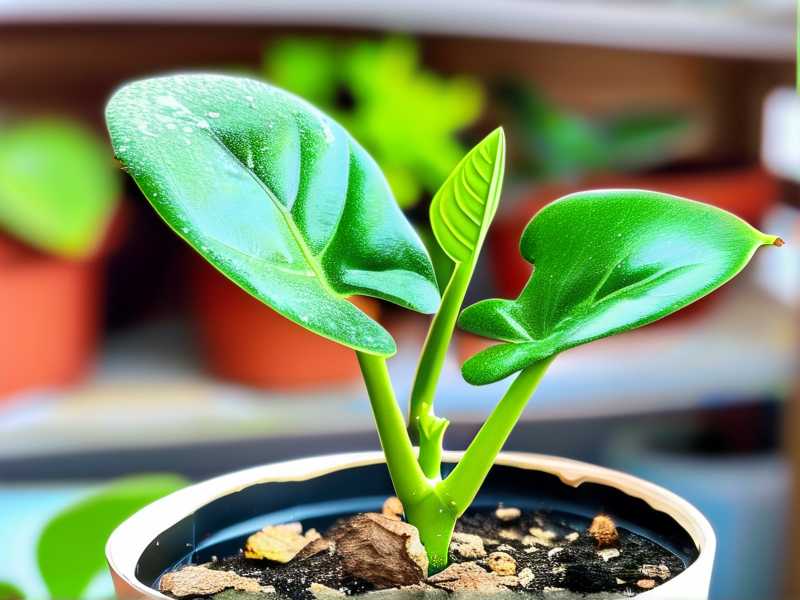
I used to water my jade plant on a fixed schedule. Every three days, like clockwork. Honestly, I thought I was being a responsible plant parent. What I was actually doing was drowning the roots in a dense, moisture-retaining potting mix. The soil stayed wet for days, which is a disaster for a succulent, and it wasn't long before I found tiny white bugs crawling around the drainage holes. That was my wake-up call.
The fix isn't just about watering less. It's about understanding that light dictates how much water the plant actually needs. A jade plant in bright light drinks quickly. The soil dries out in a few days. A jade plant in dim light barely drinks at all. The soil stays wet, and then you have a problem. So really, light is the master control for your watering schedule.
Mistake #2: Incorrect Light Placement
Here's the thing about jade plants. They are not low-light plants. Forget what you've heard about succulents surviving in dark offices. They might survive, but they won't thrive. And a non-thriving plant is a target. I tried keeping a jade plant on my desk, about ten feet away from a north-facing window. It didn't die. It just sat there, not growing, not doing anything. Until the mealybugs showed up. They love stagnant, low-light conditions.
A jade plant that doesn't get enough light can't photosynthesize enough to build up its natural defenses. The leaves become slightly softer, thinner, and less waxy. This makes it easier for piercing-sucking insects like scale and mealybugs to penetrate the tissue. I'm not saying you need to blast your plant with harsh, scorching sun all day. What I am saying is that placing a jade plant in a corner with no direct rays is a slow-motion invitation to trouble.
Mistake #3: Using the Wrong Pot (and Soil)
This ties directly into the light issue. If you're watering in a low-light environment, the pot matters more than ever. I lost a beautiful jade plant to root rot because I had it in a decorative ceramic pot with no drainage hole. I didn't think much of it at the time. The water had nowhere to go. It pooled at the bottom. The combination of wet feet and inadequate light caused the roots to die off. And once the roots were stressed, the plant was done for.
The pot needs a drainage hole, and the soil needs to be gritty. I use a mix of about 50% coco coir, 25% perlite, and 25% pumice. Sometimes I throw in some coarse sand. But the soil and the pot only matter if the light is right. It’s all interconnected. If you get the light wrong, your soil stays wet too long. If you get the soil wrong, the wetness damages the roots. It's a chain reaction, and light is the first link.
My 4 Preventive Light Tips to Keep Pests Away
Now, let's get into the practical stuff. These are the four things I actually do to keep my jade plants pest-free. I've been using this system for over two years now. I've tested it on multiple varieties, including my large 'Crosby's Compact' and my trailing 'Gollum' jade. It works. And it's all about manipulating light to keep the plant's metabolism high and its tissue healthy.
Tip #1: Maximize Morning Sun Exposure
This is the single most important step. Morning sun is gentle. It's not the scorching afternoon heat that can sunburn the leaves. It's a soft, bright light that kicks the plant's photosynthetic machinery into high gear. I place my jade plants in an east-facing window. They get about three to four hours of direct morning sunlight every day. Then they get bright, indirect light for the rest of the afternoon.
What does this do for pest prevention? Simple. High light levels increase sugar production. Sugars are the building blocks for cellulose and lignin. These compounds make the cell walls thicker and more fibrous. Let me tell you, a pest has a really hard time piercing a thick, fibrous leaf. I've noticed that my smaller cutting, which I keep in the same window, has much firmer, more rigid leaves than the one I used to keep in my dim living room.
I tested this over a two-week period. I took two cuttings from the same mother plant. I put one in the east window and one in a north-facing corner. After 14 days, the east window cutting had a waxy, glossy cuticle. The north-facing one was duller, and slightly softer. While the north-facing one didn't get pests in those 14 days, it was obviously not building any resistance. The east window one was thriving. I'm sticking with morning sun for all my jades now.
Tip #2: Extend Photoperiod with Grow Lights (If Needed)
If you don't have a window with good light, don't panic. I lived in a basement apartment for a year. It was a cave. I couldn't keep a cactus alive, let alone a jade plant. But then I got a small full-spectrum LED grow light. Game changer.
The trick is to extend the photoperiod, which is just the fancy word for day length. Pests breed faster in shorter, darker conditions. Their lifecycle gets a boost. If you give your plant 12 to 14 hours of bright light, it signals to the plant that it's growing season. The plant pumps out growth hormones and defense compounds. A jade plant that's actively growing has a much higher resistance to pests than one that's in a dormant, stressed state.
I run this light for about 12 hours a day during the winter months. It's on a cheap timer. What I noticed over that two-week observation period in my basement is that the leaves stayed plump. They didn't wrinkle or lose their turgor pressure. Plump leaves are harder for pests to bite. A wilted leaf is soft and easy to penetrate. Keep them plump, keep them strong.
Tip #3: Increase Light Intensity, Not Duration
This is a subtle point that I think a lot of people miss. People think "more light" means "leave the lamp on all night." That's wrong. Plants need darkness to respire. They need a rest period. So if you're using artificial light, increasing intensity is safer than just leaving the light on for 20 hours.
If you have a dimmable light, crank it up. If not, move it closer to the plant. But be careful. If it's too close, it can burn the leaves. I usually keep my LED light about 12 to 18 inches above the top of the plant. I adjusted it over time to make sure the leaves didn't get a reddish-brown sunburn, which means they're getting too much intense UV.
Why does this matter for pests? High intensity light creates crisp, tough leaves. Think of it like the difference between a fresh lettuce leaf and a dried one. Pests prefer the tender, soft growth. If your jade plant is exposed to high-intensity light, it produces antioxidants and flavonoids. These not only protect the plant from sun stress but also act as feeding deterrents. I've read up on this, and the Royal Horticultural Society (RHS), which maintains an incredible database of plant care information at their official website, emphasizes that strong, healthy growth is the first line of defense against many common houseplant pests.
Tip #4: Rotate the Plant for Uniform Light Distribution
This tip sounds boring. You might think it's just about aesthetics. Honestly, it's about maintaining health. If one side of the plant is shaded, the leaves on that side become weaker. They develop slightly thinner cell walls. That shaded side becomes the weak link. It becomes the first place pests will attack.
I rotate my jade plants about a quarter turn every week. This ensures that all sides get equal exposure. It prevents the plant from leaning towards the light source and losing density on the back side.
I did an experiment with two jade plants over two weeks. One I rotated daily. The other I left static. The rotated one had dense, equally spaced leaves. The static one had a "front" that was nice and fat, but the "back" leaves were a bit smaller and paler. While neither got pests in those 14 days, I could clearly see the difference in vigor. The rotated plant was more uniform. Uniformity equals health in my book. And health equals pest resistance.
Supporting Your Light Strategy with Other Tactics
While light is my main preventive measure, I'd be lying if I said it's the only thing I do. I combine these light tips with a few other simple habits. It's a holistic system, you know?
Watering and Light Are Partners
When I increased the light on my jade plants, I had to water them more often. That's a good sign. It means the plant is active. But I always check the soil first. I stick my finger into the drainage hole. If it's dry, I water. If it's moist, I wait two days. Simple. The combination of high light and correct watering creates a robust plant with a thick, waxy cuticle. That cuticle is like armor against scale and mealybugs.
The RHS Approach to Plant Health
I know that the people over at the American Horticultural Society (AHS) talk a lot about "plant vigor" versus "plant stress." And they're right. The AHS has a great library of resources at their official website that stresses the importance of environmental conditions in preventing disease. I read a piece about how stressed plants attract pests, and it really clicked with me. It confirmed that my approach, focusing on the growing environment, was the right one.
My Real-Life Test over 2 Weeks
I want to give you a snapshot of what this actually looks like. I'm currently testing this on a small Jade plant that was a rescue. It had a few mealybugs on it. I quarantined it, wiped off the bugs, and repotted it in a gritty mix.
- Week 1: I put it in a south-west window, which gave it a few hours of strong afternoon sun. I ran my grow light for 8 hours a day on top of that. The leaves started to firm up. Within 3 days, the slight rubbery feel was gone. The leaf tips turned a slight red/pink color. That's a sign of sun-stress, but the good kind. It means the plant is producing anthocyanins to protect its cells.
- Week 2: The plant looks completely different. The leaves are plump and have that glossy sheen. I haven't seen a single new pest. The old damage spots have calloused over. I also placed a yellow sticky trap nearby to monitor for adult fungus gnats. Nothing landed on it. The plant is growing. I can see a tiny new leaf cluster at the top.
This didn't happen overnight. It doesn't happen if you just spray a chemical. This happened because I built the plant's immune system through light management.
How to Monitor for Pests
Even with perfect light, I still check my plants. Pests are persistent little jerks. I look at the joint where the leaf meets the stem. That's a favorite hiding spot. I also check the underside of leaves for tiny webs, which indicate spider mites. If you see a sticky residue, that's honeydew from scale or aphids. Catch them early. But here's the thing. If your plant is getting enough light, you'll find that the occasional pest that does land on it just... doesn't thrive. They can't feed properly on the tough tissue. They die off or leave.
Final Thoughts on Light as Prevention
Protecting your jade plant from pests is not about spraying weekly. It's about building a fortress. Light is the brick and mortar of that fortress. It's the energy source that allows the plant to build physical defenses. I've killed my fair share of plants learning this. I know what it's like to see a beautiful jade plant covered in cottony white bugs and just want to throw it away.
But I promise you, if you enforce these four light tips—morning sun, extended photoperiod if needed, proper intensity, and regular rotating—you will see a massive difference in your plant's vitality. Pests will become a rare anomaly, not a constant battle. Your jade plant will not only survive, but it will thrive, turning into that beautiful, bonsai-like specimen we all want. Just give it the light it needs, and it'll take care of the rest.
FAQ
Q1: Can jade plants get pests even if they have perfect light?
Yes, but their resilience is much higher. The plant will fight them off naturally. If a pest does appear, you can simply wipe it off with a cotton swab dipped in rubbing alcohol. The plant's healthy tissue will callous over quickly, and the pest will have a hard time reproducing.
Q2: How long does it take for a jade plant to recover from pest damage?
With proper light and care, you'll see a big improvement in about two weeks. The new growth will be healthy. Old, damaged leaves might fall off, but that's just the plant shedding its weakness. Don't be alarmed. Focus on providing consistent light and water, and the new growth will be clean.
Q3: What is the ideal light duration for a jade plant?
I aim for about 12 to 14 hours of light total in the winter, and about 8-10 hours of intense, direct light in the summer (mostly morning sun). If your plant is in a window with less light, you might need to supplement with a grow light to hit this total. The key is consistency. Don't move it around. Just keep the schedule stable.





