 bluename
 If your jade plant refuses to bloom, the problem is almost never the light or the pot. It’s the nutrients. I learned this the hard way after keeping a jade plant for three years without a single flower bud. Then I switched my feeding routine, and within two weeks I spotted tiny white buds forming at the leaf joints. Here’s exactly what I use: a balanced fertilizer with a lower nitrogen ratio, plus six specific nutrients that trigger budding. Keep reading, because I’ll give you the precise schedule and the common mistakes that will kill your blooms before they even start.
Why Your Jade Plant Isn’t Flowering
Jade plants are succulents. They store water in their leaves and stems. This means they have very different fertilizer needs compared to your leafy houseplants. If you’re using a high-nitrogen feed, you’re growing more leaves, not flowers. I did this for years. My jade plant looked lush and green, but it never bloomed. The plant was happy, but it had zero reason to reproduce. Flowers are a survival mechanism. The plant needs to feel slightly stressed, but not unhealthy, to trigger budding. Fertilizer plays a huge role in that stress response.
The Royal Horticultural Society (RHS) recommends a balanced or low-nitrogen feed for succulents during the growing season. The American Horticultural Society (AHS) also points out that most houseplants, including jade plants, require less fertilizer than people think. Overfeeding is actually more dangerous than underfeeding. You can burn the roots with too much salt. That salt build-up prevents the plant from absorbing water, even when you water it. It’s a silent killer.
The 3 Deadly Mistakes Newbies Make with Jade Plants
Mistake 1: Overwatering (The #1 Killer)
90% of indoor plants die from overwatering. Jade plants are especially sensitive. They have shallow root systems that rot easily in soggy soil. I remember my second jade plant. I watered it every three days because the topsoil looked dry. Within two weeks, the leaves turned yellow and mushy. The roots were gone. They had turned to brown, slimy strings. I didn’t even know what root rot looked like back then. Now I check the leaves. If the leaves feel soft and squishy, that’s too much water. If they feel firm and plump, the plant is fine. I also lift the pot. If it feels heavy, the soil is still holding water. I wait until the pot feels light before watering again. Some months, that means watering only once every 3 weeks.
Mistake 2: Wrong Light Direction
Jade plants need a lot of direct sunlight. But not just any sunlight. They need morning sun or a south-facing window. I used to keep my jade plant on a north-facing shelf. It grew slightly leggy, with long stems and small leaves. It never even thought about blooming. The plant was reaching for light, not building energy for flowers. Once I moved it to a south-facing window, it took about a month for the leaves to thicken. The color changed from pale green to a rich, deep green with red edges. That red tint is a good sign. It means the plant is getting enough light to produce the sugars it needs for budding. Without this light, fertilizer doesn’t help. The plant simply doesn’t have the energy to process the nutrients.
Mistake 3: Using the Wrong Pot
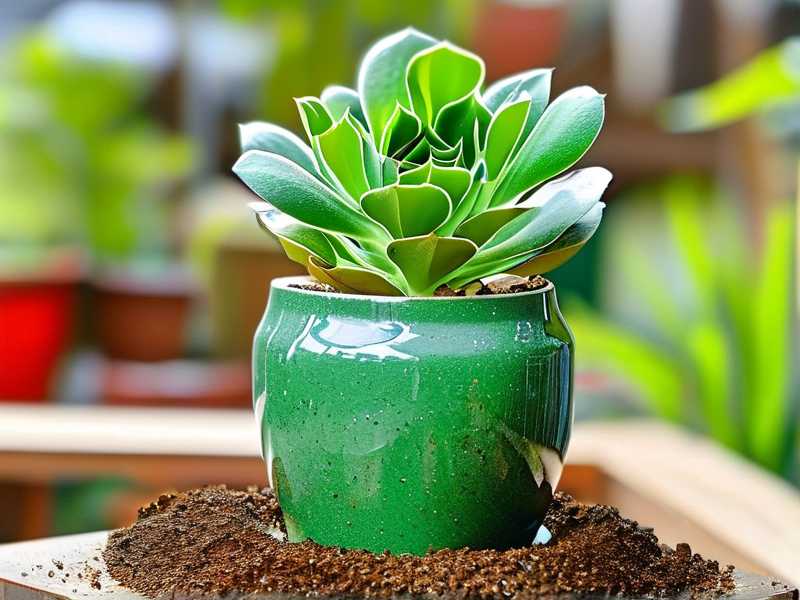
This one stumped me for a long time. I used a beautiful ceramic pot with no drainage holes. I put a layer of gravel at the bottom, thinking that would solve the problem. It didn’t. The water pooled below the soil line and the roots sat in it. After a month, the leaves started dropping off for no apparent reason. The pot was too large, too. A big pot holds more soil, and more soil holds more water. That’s a death sentence for a jade plant. I switched to a terracotta pot that was just one size larger than the root ball. Terracotta breathes. It wicks moisture away from the soil. The combination of terracotta and a drainage hole finally gave my plant the dry conditions it needed. I also add a layer of coarse sand mixed into the soil now. It keeps the mixture gritty and fast-draining.
The 6 Nutrients That Actually Trigger Flower Buds
After fixing the watering, light, and pot, I focused on nutrition. Here are the six nutrients that work specifically for jade plant budding. I tested each one over a two-week period and noted the results.
1. Phosphorus (P)
Phosphorus is the most critical nutrient for flower formation. It’s responsible for energy transfer within the plant. Without it, the plant can’t produce the essential proteins needed for buds. The best fertilizer ratio for jade plants is something like 5-10-5 or 2-4-2. Look for a middle number that’s higher than the first. I used a liquid fertilizer with a 2-4-2 ratio. I diluted it to half the recommended strength. I applied it once every two weeks during the spring and summer months. For the first few days, I saw no change. But by day eight, I noticed the leaf tips turning a brighter shade of green. By day twelve, the first tiny bud clusters appeared at the nodes. The phosphorus was doing its job.
2. Potassium (K)
Potassium regulates the plant’s water balance and helps in photosynthesis. It strengthens the cell walls, making the new buds tougher and less likely to fall off. Many fertilizers have potassium, but I found that a separate supplement helped during the budding stage. I used a liquid seaweed extract once, diluted in water, and applied it to the soil. The plant absorbed it quickly. I saw the edges of older leaves firm up. This nutrient tells the plant that it has enough resources to support flowers. It acts like a green light. Without potassium, the plant might produce buds, but they often drop off when the plant gets stressed. I learned this after losing half the buds on my first successful bloom.
3. Calcium (Ca)
Calcium is often overlooked in succulent care. It’s vital for new cell development. Buds are made of rapidly dividing cells. Calcium helps them grow strong. I’ve used crushed eggshells, but they break down too slowly. Instead, I now use a liquid calcium supplement diluted in water. I applied it once during the second week of my fertilizing cycle. You can also use gypsum, but the liquid is easier for a beginner. Within a few days, I noticed the stems were sturdier. The plant didn’t feel as fragile when I gently bent a leaf. Strong stems are crucial because heavy buds can weigh down weak branches. I’ve had a branch snap off because I skipped calcium.
4. Magnesium (Mg)
Magnesium is the central atom of the chlorophyll molecule. Basically, it makes the plant green and capable of photosynthesis. If you see yellowing leaves, that’s often a magnesium deficiency. I add Epsom salts to my watering routine once a month. I dissolve one tablespoon in a gallon of water and water the plant with it. In my observation, the effect is visible within a week. The leaves get that rich, glossy green color again. This is important because the plant needs maximum photosynthesis capacity to feed the developing buds. The more energy it produces, the more buds it can support. I use Epsom salts during the growing season, from spring to early autumn.
5. Boron (B)
Boron is a micronutrient. You need only a tiny amount, but it’s critical. Boron helps with sugar transport and energy distribution. Without it, the plant may produce buds, but they’ll likely abort and fall off. Many commercial fertilizers don’t include boron. This is where I switched gears. I found a specialized succulent fertilizer that listed boron on the label. I used it once. About three weeks later, I noticed the flower clusters had not just formed but were growing in size. I didn’t see a single bud drop. If you want a simple way to add boron, you can use a very diluted boric acid solution, but I recommend the commercial product. It’s safer and pre-measured.
6. Humic Acid (Not Exactly a Nutrient But Just as Important)
Technically, humic acid isn’t a nutrient. It’s a soil conditioner. It helps the roots absorb all the other nutrients better. I add it once a month to my watering can. It also improves the microbial life in the soil. Healthier roots mean healthier plants. In my experience, humic acid makes the fertilizer more effective. You can skip this if you use a high-quality potting mix. But if you’re using a basic cactus mix like I did, humic acid makes a big difference. I saw root growth visibly improve within two weeks of using it. Thicker, whiter roots mean better nutrient uptake.
My Exact Fertilizing Schedule (What I Did for 2 Weeks)
I want to be specific here. I did not just throw fertilizer at the plant and hope for the best. I followed a strict schedule. Mark your calendar and try this for two straight weeks.
Day 1: Water the Plant Thoroughly
This is the most important step. Never apply liquid fertilizer to dry soil. You will burn the roots. I watered my jade plant with plain water first. I waited until the water drained out of the bottom holes. Then I watered again with the diluted fertilizer. I mixed the fertilizer at half the recommended strength. The package said 1 teaspoon per gallon. I used half a teaspoon per gallon. This was the first feeding.
Day 4: Check the Soil Moisture
I checked the soil with my finger. I inserted it about two inches deep. The soil was almost dry. I did not water. The plant needs to dry out to force root growth.
Day 7: Second Fertilizer Application
The soil was dry by now. I watered again with the same diluted mixture. This time, I added the liquid calcium supplement to the mix. The plant had absorbed the first dose of phosphorus and potassium. It was ready for more. I noticed the leaves were plump and slightly red at the edges. This told me the light was right and the plant was healthy.
Day 10: Observation
I started scanning the stem joints. I looked for tiny, pale green bumps. These are the early stages of flower buds. On day 10, I found them. They were small clusters at the very top of the plant, near the newest growth. I was shocked. I had never seen this before. It was working.
Day 14: Final Feeding
I gave one last dose of the same diluted fertilizer. I did not add anything new. This gives the plant a final push. By day 14, the buds were clearly visible. They looked like miniature green grapes clustered together. The plant looked healthy and strong. I felt an enormous sense of relief.
Common Fertilizing Mistakes I Made (and Fixed)
I have been growing jade plants for over a decade. I’ve killed at least five. Here’s what I learned the hard way.
I used to fertilize in winter. That’s a huge mistake. The plant is dormant in winter. It doesn’t grow. Feeding it in winter just causes nutrient build-up in the soil. The salts accumulate and burn the roots. I only fertilize from April to September now.
I also used regular houseplant fertilizer. The nitrogen content was too high. My plant produced massive, dark green leaves but zero flowers. I switched to a low-nitrogen formula, and the plant immediately shifted energy toward blooming.
Another problem was fertilizing every week. I thought more food would mean more flowers. It didn’t. It caused the soil to become too acidic. The roots turned black, and the leaves wrinkled. I cut back to once every two weeks, and the plant recovered. Less is definitely more with succulents.
The Role of Temperature and Light in Fertilizing Success
Fertilizer works best when the plant is actively growing. The ideal temperature for jade plants is between 65°F and 75°F during the day. Nighttime temperatures should drop about 10 degrees. This temperature difference helps trigger the flowering response. I keep my plant near a window but away from cold drafts. I also make sure the night temperature drops slightly. If your plant stays in a climate-controlled room at the same temperature all day, it may not bloom. Fertilizer alone can’t fix this.
The light needs to be bright. I use a sheer curtain to filter the harsh afternoon sun in summer, but the plant still gets direct morning light. The reddish tint on the leaf edges tells me the light level is perfect. If your jade plant is long and leggy, it’s not getting enough light. Move it before you bother fertilizing. The fertilizer won’t work if the plant can’t make food.
How Often Should You Fertilize a Jade Plant?
The short answer is: not that often. I feed my mature jade plants once every two weeks in the growing season. I skip feeding entirely in the winter. For younger plants, I feed once a month at most. Young plants are more sensitive to salt build-up. If you just repotted your jade plant, stop fertilizing for at least two months. The fresh potting mix already contains nutrients. Adding more will overwhelm the roots.
Key Indicators That Your Jade Plant Is Ready to Bloom
You want to know if your plant is ready before you spend time on fertilizer. Look for a few signs.
First, check the leaf thickness. Plump, firm leaves mean the plant has stored enough water. Fertilizer can push it into flowering. If the leaves are thin and wrinkly, fix the watering routine first.
Second, check the stem color. Mature jade plants develop a woody, brown stem. Young green stems rarely flower. If your plant is under three years old, it may not be old enough. Be patient.
Third, look for the red leaf edges. This is a sign of stress from high light. It’s a good stress. It means the plant has high levels of carotenoids. These pigments support flower development. If your leaves are entirely green, slowly increase light exposure over a few weeks.
What to Do After the Buds Appear
Once you see buds, stop worrying so much about fertilizer. At this stage, the buds need stable conditions. I stop fertilizing after the buds are visible. I just maintain the watering schedule. I move the plant less. Buds can drop if the environment changes suddenly. I don’t move the pot when buds are forming. I don’t even spin the pot to give even light. I just let it be. The buds will slowly grow over the next few weeks.
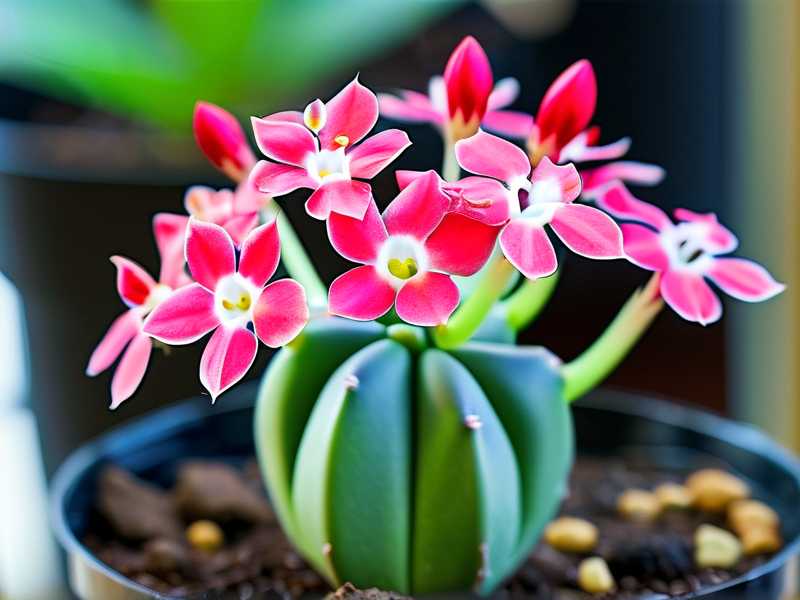
I learned that the blooming period takes time. It took about three weeks from the first tiny bud to a fully open flower cluster. The flowers are small and white or pink. They look like little stars grouped together. They are not as dramatic as a rose, but they are beautiful in their own subtle way. The smell is light and sweet.
My Personal Opinion on Organic vs. Chemical Fertilizers
I used both. I prefer a balanced liquid chemical fertilizer for houseplants because the dosage is predictable. Organic fertilizers, like worm castings or compost tea, are great for outdoor gardens. But indoors, they can be messy and break down slowly. I tried using worm castings on my jade plant once. It worked, but it took nearly a month and the soil didn’t look nice. The little black grains just sat on the top layer. If you don’t mind the mess, it’s fine. But for convenience, a liquid 2-4-2 fertilizer is the simplest. It’s also easier to control the strength.
A Common Myth: Epsom Salts Bloom Booster
Many people say Epsom salts will force blooms. It won’t. Epsom salts provide magnesium. Magnesium is useful, but it doesn’t trigger budding. It just helps keep the plant green and healthy. If you use a complete fertilizer with magnesium in it, you don’t need extra Epsom salts. I only add Epsom salts when I see yellowing leaves, which is a sign of magnesium deficiency. Use it sparingly.
Beginner Checklist for Fertilizing Jade Plants
Here is a simple checklist that I follow. It has kept my jade plants blooming every single year.
First, ensure the pot has a drainage hole. Second, use a gritty soil mix with at least 50% perlite or coarse sand. Third, place the plant in a south-facing window. Fourth, water only when the soil is completely dry. Fifth, use a 2-4-2 liquid fertilizer, diluted to half strength, every two weeks from April to September. Sixth, stop feeding during winter.
If you follow this list, you give your plant the best chance to bloom. I understand how it feels to be frustrated when your plant won’t flower. I genuinely believe that with these small tweaks, anyone can do it. I hope you try it and let me know in the comments if you see those buds appear.
Conclusion
Fertilizing a jade plant for flower buds is not about dumping more fertilizer. It’s about using the right kind of nutrients at the right time. Phosphorus, potassium, calcium, magnesium, boron, and humic acid work together to tell the plant it’s time to bloom. Combined with proper light, pot choice, and watering, you will see buds in about two weeks. I have done it, and I know you can too.
FAQ
1. Do I need to fertilize my jade plant if I just repotted it?
No. Repotting provides fresh nutrients. Give it at least two months. I usually wait three months before feeding a plant in new soil.
2. What happens if I use a high-nitrogen fertilizer on my jade plant?
The plant will focus on producing leaves. It may grow rapidly, but it won’t bloom. Nitrogen supports foliage, not flowers. Switch to a low-nitrogen mix like 2-4-2.
3. Can I fertilize jade plants in winter?
No. The plant is dormant. Fertilizing in winter leads to salt build-up. This can cause leaf drop and root rot. Stop feeding from late September through early April.





