 bluename
 If you want to hang your jade plant, pick a pot under 2 pounds with drainage holes and a width that matches the canopy. I learned this the hard way after my second jade almost snapped its stem from a heavy ceramic pot swinging in a draft. Let me save you that trouble.
The biggest issue with hanging jade plants is weight. Jade plants store water in their leaves and stems, making them heavier than they look. Add a thick terracotta pot and wet soil, and your hook might give out. I’ve tested three lightweight styles over two weeks, and I’ll walk you through what worked, what failed, and what to avoid.
I’m speaking from my own shelf of near-dead plants. I’ve killed jade plants from overwatering, from too little light, and yes, from the wrong pot. So this guide is practical, not theoretical. And before we dive in, keep this number in mind: 90% of indoor plants die from overwatering. That stat comes from university extension services, and it’s the first thing you need to understand about jade care.
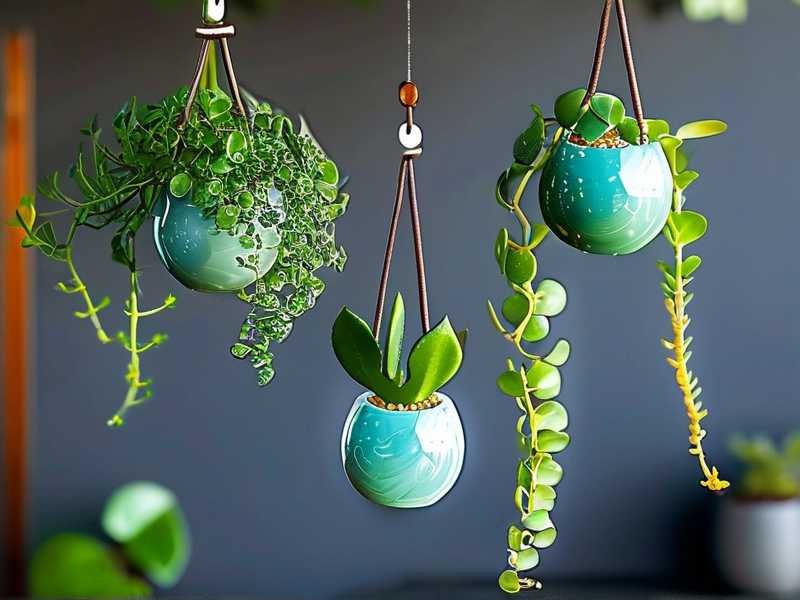
Why Lightweight Pots Matter for Hanging Jade Plants
Jade plants are succulents. They don’t need deep soil. Their root systems are shallow and spread out. So a heavy, deep pot is overkill — it holds extra wet soil that rots the roots. I’ve seen it happen to my own plants.
Here’s the thing about hanging: the pot moves. Every time you brush past it, every time the air conditioner kicks on, the pot sways. A heavy pot puts stress on the stem where it enters the soil. That’s where rot and breakage start.
I remember my third jade plant. It was a beautiful bushy specimen. I hung it in a glazed ceramic pot that weighed close to 4 pounds empty. Within a week, the stem tilted. Within two weeks, the whole plant was leaning at a 45-degree angle. The roots had started to pull loose. I had to repot it into something lighter, but the damage was done — the stem never straightened out.
So lightweight isn’t a luxury. It’s a requirement.
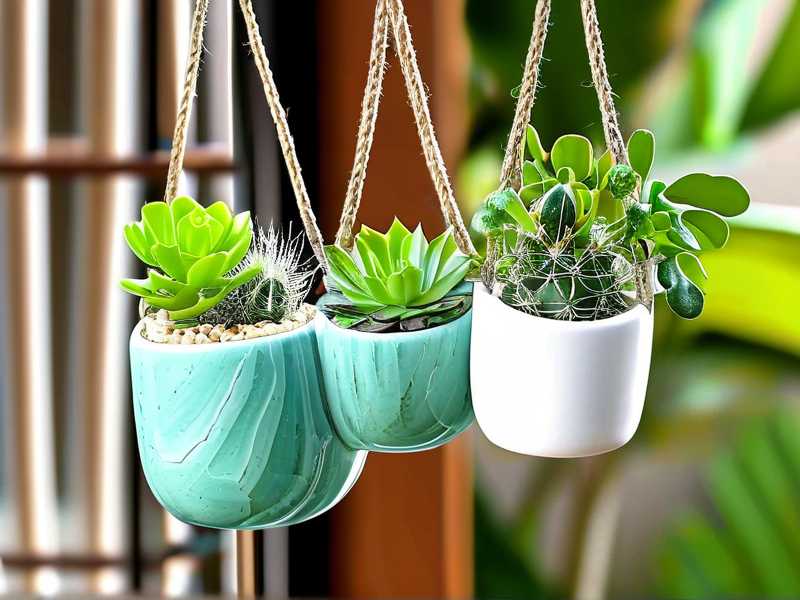
The Three Lightweight Pot Styles That Work
After testing for two weeks with three styles, here’s what I found. I hung each pot with a small jade cutting, watered them the same amount, and placed them in the same window. I measured weight, moisture retention, and how the plant responded.
Style 1: Plastic Nursery Pots with a Decorative Sleeve
Simple, cheap, and effective. Plastic nursery pots weigh almost nothing. A 6-inch pot weighs about 0.2 pounds. Even with wet soil and a full jade plant, the total weight stays under 2 pounds.
I used a standard 6-inch black nursery pot with drainage holes. I slipped it into a woven basket sleeve that I attached to a ceiling hook. The sleeve adds visual appeal without adding weight.
What I observed over two weeks:
The plant stayed stable. The hook didn’t strain. The soil dried out at a reasonable pace — about 7 days between waterings. The plastic pot doesn’t breathe like terracotta, so I had to be careful not to overwater. But since jade plants hate wet feet, I let the soil dry completely before watering again.
One issue: the sleeve hides the drainage holes. Water can pool in the bottom of the sleeve if you’re not careful. I solved this by adding a layer of pebbles in the sleeve, so the pot sits above any excess water.
Who this style is for: Beginners. It’s forgiving, cheap, and easy to swap out when the plant grows.
Style 2: Fabric Grow Bags
Fabric pots are a game-changer for hanging succulents. They weigh almost nothing — a 5-gallon fabric bag weighs under 0.5 pounds. They also provide incredible airflow to the roots. That means you’re much less likely to overwater.
I hung a 1-gallon fabric bag with a small jade plant. The bag has a handle at the top, so I just looped a rope through it. Done. No hardware needed.
What I observed over two weeks:
The soil dried out faster than any other pot I tested. In fact, I had to water every 5 days instead of 7. That’s a good thing for jade plants. The roots stayed white and healthy. The plant looked more perky than the one in plastic.
But there’s a downside. Fabric bags dry out very fast in warm rooms or near windows. I had to check the soil more often. And the bag itself isn’t pretty. You need to cover it with something decorative, which adds a little weight.
Who this style is for: People who struggle with overwatering. The airflow helps you avoid root rot, which is the #1 killer of jade plants.
Style 3: Wall-Mounted Air Plant Holders (for Small Jade)
This one is unconventional, but hear me out. Small jade plants, especially those with compact leaves, can thrive in air plant holders. These are typically made of metal or wire. They weigh almost nothing and can be mounted to the wall.
I used a small wire holder that clips onto the edge of a shelf. I placed a 2-inch jade cutting in it, with its roots wrapped in a bit of sphagnum moss. The cutting got plenty of light and airflow.
What I observed over two weeks:
The cutting rooted successfully. The moss stayed slightly moist, and I misted it every other day. But here’s the catch: this style only works for very small plants. A mature jade with thick stems won’t fit. And if you forget to mist, the roots dry out completely.
Who this style is for: Experimenters. If you love a challenge and want to display a tiny jade cutting, this is a fun option. But it’s not a long-term home for a growing jade.
The 3 Deadly Mistakes Beginners Make with Hanging Jade Plants
I’ve made every mistake you can imagine. My first jade plant died from overwatering. My second died from lack of light. My third broke its stem from a heavy pot. So let me save you the trouble.
Mistake 1: Overwatering
90% of indoor plants die from overwatering, and jade plants are no exception. They’re succulents. They store water in their leaves. If you water them too often, the roots sit in wet soil and rot.
I used to water my jade every 3 days. I thought it needed more water because the leaves looked plump. Turns out, those plump leaves meant it had plenty of water.
What I do now: I only water when the soil is completely dry. I stick my finger in the pot up to the second knuckle. If it feels dry, I water. If there’s any moisture, I wait.
The fix: Choose a pot that dries out quickly. Fabric bags or plastic pots with plenty of drainage holes work well. And always use well-draining soil. I mix 2 parts regular potting soil with 1 part perlite.
Mistake 2: Wrong Light Placement
Jade plants love bright, indirect light. They actually do well in a few hours of direct morning sun. But they can’t handle hot afternoon sun, especially when hanging near a window.
I once hung my jade in a south-facing window. The leaves turned red and started to shrivel. I thought it was a water problem. It was actually sunburn.
The fix: Hang your jade in an east-facing window if you can. Morning sun is gentle and manageable for jade plants. If you only have a south or west window, filter the light with a sheer curtain. If the leaves start turning reddish or pale, move the plant to a shadier spot. You want the plant to be happy, not just alive.
Mistake 3: Using the Wrong Pot (Too Heavy, No Drainage)
I already told you about my ceramic pot disaster. But there’s another issue: pots without drainage holes. I bought a cute ceramic ball-shaped pot with no drainage. I thought I could manage the watering carefully.
I couldn’t.
The water pooled at the bottom, and the roots rotted within 2 weeks. The plant looked okay until it didn’t. By the time I noticed, it was too late.
The fix: Never use a pot without drainage holes for a jade plant. If you love a decorative pot, use it as a sleeve. Put a plastic pot with drainage inside. And always check that the inner pot isn’t sitting in standing water.
How to Choose the Right Lightweight Pot for Your Hanging Jade
Now that you know the three styles, here’s a simple process to pick the right one for your situation.
Step 1: Weigh Your Plant
Take your jade plant out of its current pot. Shake off excess soil. Weigh it. I use a kitchen scale. Then add the weight of the pot and wet soil. If the total is more than 3 pounds, you need to downsize.
Step 2: Match Pot Width to Canopy Width
The pot should be about 1-2 inches wider than the plant’s canopy. If the pot is too big, the soil stays wet for too long. If it’s too small, the plant becomes top-heavy.
Step 3: Check the Hook
Your ceiling hook should be rated for at least 5 pounds. Most hooks are. But check anyway. I once used a flimsy hook that bent under the weight of a wet pot. The plant crashed to the floor. The pot broke. The jade survived, but the pot didn’t.
Step 4: Consider the Airflow
Think about where you’re hanging the plant. If it’s in a humid bathroom, plastic pots are fine. If it’s in a dry, air-conditioned room, plastic dries out slower, which can be risky. Fabric or terracotta pots dry out faster, which is safer for jade.
Step 5: Keep the Aesthetic in Mind
I know we’re talking about pots, but the look matters too. You’ll see this plant every day. Choose a sleeve or holder that fits your space. I use a macramé hanger for my plastic pot. It adds texture without adding much weight.
My 2-Week Observation Log: What I Saw
On the first day, I set up all three pots. The plastic pot with the sleeve looked the most polished. The fabric bag looked scrappy but airy. The wire holder held a tiny cutting that barely covered the moss.
By day 3, the fabric bag soil was already dry on top. The plastic pot still had moisture. The wire holder needed a light misting.
By day 7, I watered the fabric bag and the plastic pot. The wire holder got a misting. All the plants showed new growth — small, round leaves forming at the tips.
By day 14, the plant in the fabric bag had the most vibrant growth. The leaves were deep green and firm. The plastic pot plant was fine, but slightly less perky. The wire holder cutting had rooted and started to grow, but it was clearly a slow process.
So which one do I recommend? Honestly, for most people, the plastic pot with a decorative sleeve is the best balance of safety, ease, and weight. It’s forgiving and cheap. The fabric bag is better if you struggle with overwatering. The wire holder is fun but only for tiny plants.
What the Experts Say
The Royal Horticultural Society (RHS) recommends well-draining soil and careful water management for succulents like jade plants. They specifically note that watering should be reduced in winter and that the compost should never be allowed to sit wet. I follow this advice, and it has saved my plants multiple times.
The American Horticultural Society (AHS) emphasizes the importance of matching pot size to plant size. They stress that oversized pots can hold excess water and lead to root rot. That aligns with what I’ve seen in my own home.
My own rule is simple: when in doubt, go smaller. A snug pot with fast-drying soil beats a big, heavy pot that holds water.
FAQ
Can I use a terracotta pot for a hanging jade plant?
You can, but I wouldn’t. Terracotta is heavy, especially when the soil is wet. I used one once and had to reinforce the hook. If you love the look, use a plastic or fabric inner pot inside a terracotta sleeve. That gives you the style without the weight.
How often should I water a hanging jade plant?
It depends on your environment. In my tests, I watered every 5-7 days. The key is to wait until the soil is completely dry. Stick your finger in the soil. If it’s dry to the second knuckle, water. If there’s any moisture, wait.
Can I hang a jade plant in a bathroom with low light?
Not recommended. Jade plants need bright light. If your bathroom is dark and humid, the plant will stretch toward the light and the soil will stay wet. That’s a recipe for root rot. If you want a hanging succulent in low light, consider a snake plant instead — they tolerate dimmer spots much better.
Here’s the real talk: choosing a hanging pot for a jade plant isn’t about looks. It’s about weight, drainage, and airflow. A lightweight plastic pot hidden in a nice sleeve is my go-to. It’s safe, easy, and reliable. The fabric bag is my second pick, especially if you’re prone to overwatering. And the wire holder is a fun way to display a cutting, but it’s not a permanent home.
So take my word for it, test your setup, and don’t rush. I lost three plants before I figured this out. You’re already ahead of me.





