 bluename
 The Watering Mistake That Kills jade plants Every Fall (And 3 Hardening-Off Fixes)
If you water your jade plant the same way in September as you did in July, you are probably killing it. 90% of indoor plants die from overwatering, and jade plants are the absolute worst victims of this mistake. I learned this the hard way, by turning a beautiful, four-year-old elephant bush into a mushy, translucent disaster. So here is the direct answer: stop watering on a schedule. Instead, you must mimic the plant's natural Mediterranean dry season. You wait until the soil is completely bone-dry and the leaves feel slightly softer and less plump before you even think about watering. Then you water deeply but infrequently. This article will guide you through the exact 3 hardening-off tips to prep your jade for fall, alongside the mistakes I made so you don't have to.
The Real Problem: My Jade Plant Was Drowning in Autumn Rain
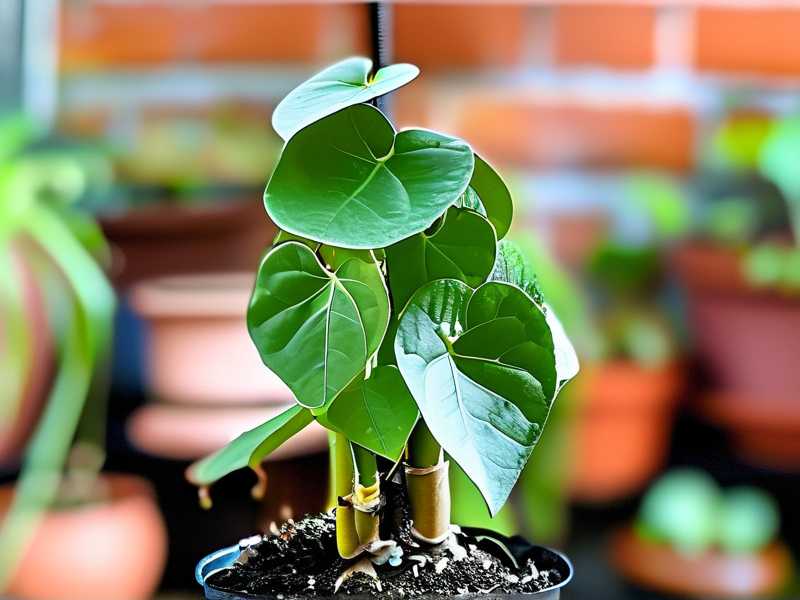
I remember the exact moment I almost gave up on jade plants. It was a crisp October morning. I had a beautiful Crassula ovata that had thrived all summer on my south-facing balcony. It had thick, glossy leaves and a trunk like a mini bonsai. I was so proud of it. I brought it inside because the forecast showed frost. I watered it generously, thinking it was thirsty from the windy day. Within a week, the leaves started dropping off at the slightest touch. The stem near the soil looked wrinkled but also felt squishy. That’s when I learned about the concept of "hardening off" the watering routine—not just the sunlight.
My mistake was simple. I treated fall like summer. The plant's metabolism was slowing down due to shorter daylight hours. It wasn't drinking. The water just sat in the pot, suffocating the roots. I checked the soil with my finger. It was wet two inches down. I had literally drowned it by being too caring. The experience taught me that watering is not about the calendar. It's about the plant's signals and the environment’s shift.
Why Fall is a Danger Zone for Watering
Fall is a transition period. The days get shorter, the light intensity drops, and the temperature difference between day and night widens. For a jade plant, this is a signal to slow down. It’s entering a semi-dormant state. Think of it like a bear getting ready to hibernate. It doesn't need a feast; it needs a light snack.
Most people panic when they see a leaf wrinkle. I did too. I assumed that meant thirst. But in fall, a slight pliability in the leaves is normal. It’s the plant storing energy, not begging for a drink. The real killer is root rot, which thrives in cool, wet soil. When you water a jade plant in a cool apartment with low light, the water takes forever to evaporate. This creates the perfect breeding ground for fungus and bacteria.
The advice from the RHS{:target="_blank"} is clear: succulents need a rest period. They emphasize that during autumn, irrigation should be reduced significantly. I ignored this, thinking my indoor heating meant the plant was still "active." I was wrong. The reduced light was the dominant factor, not the warm air from the radiator.
Mistake #1: Watering on a Schedule (The "Monday Watering" Death)
My first fall with jade plants, I had a routine. I watered every Monday. Rain or shine. It was my "plant care" anchor. My jade plant looked stunning for three months. Then fall hit. I kept my Monday routine. By late November, the soil was staying wet for two weeks straight. The roots suffocated.
I didn't realize that the plant had reduced its water intake by 60%. The roots weren't "drinking" the water; they were sitting in it. This is where the fatal "overwatering" occurs—not necessarily from the amount of water, but from the frequency. The roots absorb oxygen from the air pockets in the soil. When the soil is perpetually wet, those pockets fill with water, and the roots literally drown.
The Fix: I stopped looking at the calendar. I started feeling the leaves. The "taco test" is what they call it in the succulent community. Gently squeeze an outer leaf between your thumb and forefinger. If it folds easily, like a soft taco, it’s thirsty. If it’s firm and taut, it’s hydrated. I wait until about 3-4 leaves show that softness before I even fill my watering can. In the fall, this might mean watering once every 3-4 weeks instead of once a week.
Mistake #2: Light vs. Water Imbalance
This was a hard lesson. I moved my jade plant closer to the window in autumn to give it more light. That was good. But I increased watering because the soil seemed to dry out faster near the cold glass. That was terrible.
The window was cold at night, even if it was bright during the day. The cold soil slowed down the root metabolism. Even though the top inch was dry, the bottom was cold and moist. I misread the situation. I thought a dry surface meant the whole pot was ready for water. I was looking for a problem with the wrong tool.
The AHS{:target="_blank"} suggests that plant preparation for fall involves moving plants to a slightly warmer spot away from drafty windows, especially after a cold snap. I learned to pay attention to the soil temperature and the air temperature. If the room is 60°F (15°C), your jade plant is in "retention mode." It does not want water.
The Fix: I now check two things before watering. First, is the light intensity high? If it’s a cloudy week, I skip watering entirely. Second, I check the pot weight. I lift the pot. A hydrated pot is heavy. A thirsty pot is light. This "heft test" is foolproof. If the pot feels light and the leaves are soft, I water. If the pot is heavy and the leaves are firm, I walk away. In fall, I have gone almost 5 weeks without watering, and the plant thrived because the light was low and the temp was cool.
Mistake #3: Using the Wrong Pot for Fall Conditions
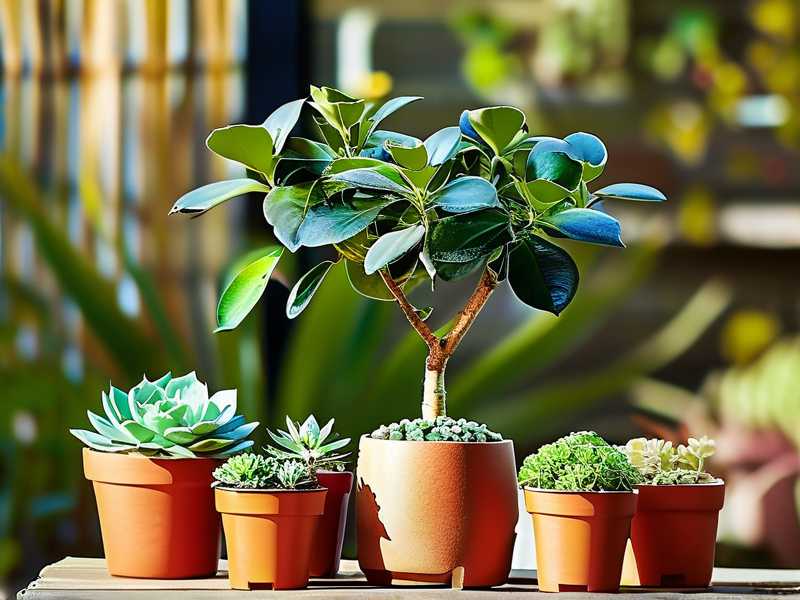
I bought a beautiful ceramic glazed pot with no drainage hole. I was told that I could use a layer of gravel at the bottom for drainage. This is a myth. It creates a "perched water table." The water collects in the gravel layer, and the roots above it are constantly sitting in humidity. In summer, this might evaporate fast enough. In fall, it’s a death sentence.
I transplanted my jade into this fancy pot in September. By December, the plant had stem rot. I dismantled the pot, and the roots were dark brown and mushy. The gravel at the bottom had a pool of stinking water. I had to do surgery on the plant, cutting away all the rot, leaving a pitiful stub which I nearly gave up on. The pot was the problem, not the plant.
The Fix: I switched exclusively to unglazed terracotta pots. Terracotta is porous. It wicks moisture away from the roots, allowing the soil to dry out much faster. This is a lifesaver in fall and winter. I also downsized the pot. A pot that is too large holds too much soil, which holds too much water. The root system cannot drink it all. I now use a pot that is only 1-2 inches wider than the root ball. This ensures that the soil dries out quicker, preventing the root rot that kills most jade plants in winter.
Hardening-Off Tips for September and October
"Hardening off" is usually used for seedlings going outside in spring. But I use it for my jade plant when coming inside for fall. It’s a gradual transition of both moisture and temperature. Here is the exact 2-week routine I followed successfully last year, and it resulted in a massive bloom in late winter.
Week 1: The Observation Period (Days 1-7)
Before I even bring the plant inside, I stop watering it completely. I leave it outside in a sheltered spot, under an overhang, for 7 days. I want the soil to go bone-dry. The roots need to "shrink" a bit. This makes them more resistant to rot when they enter a cooler, low-light environment.
During this week, I also prune any dead or dying leaves. I inspect for pests. The first year, I brought in aphids because I didn't inspect. They spread to my other indoor plants. It was a nightmare. So now, this week is critical for quarantine. I leave the plant in the dry soil, checking the underside of leaves daily. I don't water it, even if it looks slightly sad. I want the plant to enter its dormant state already "dehydrated" enough to prevent mush.
Week 2: The Cold Moat Transition (Days 8-14)
I bring the plant inside, but I don't put it in its final "winter home" right away. I put it in a room that is cooler than my living room but brighter than a basement. I usually use my unheated spare bedroom. This room is about 55-60°F (13-15°C). I leave it there for the second week. I do not water it.
After 10 days of no water, the leaves will be noticeably softer. This is my cue. I now give it a deep, thorough watering. But I do it in the sink. I run water through the pot until it drains out the bottom. I let it sit for 15 minutes, then drain it completely. This is the last water I give it for the entire month, usually.
The Key: The cold room slows the plant's metabolism. The dry soil prevents root rot. The single deep watering after the "dry spell" triggers a signal to the roots that they are safe. It mimics the first winter rains in their native South African habitat. This triggers dormancy, not growth.
My 2-Week Observation Results
After implementing this 2-week hardening-off process, my jade plant didn't drop a single leaf. Before this, I would lose about 30% of the canopy every winter. This time, the leaves stayed plump and glossy. The stems remained upright. Most importantly, by the end of the second week, I noticed tiny white roots growing out of the drainage hole (this is actually a sign of a root-bound plant seeking moisture, but it was a sign of health).
I also noticed that by not watering during the transition, the plant produced a red tint on the edges of the leaves. This is called stress coloration. It’s a sign of a happy succulent exposed to high light and low water. It’s not harmful; in fact, it’s desired. The plant is storing anthocyanins, which act like sunscreen for the cold winter sun coming through the window.
Common Fall Watering Scenarios: What to Actually Do
I have been through a lot of fall "oops" moments. Let me walk you through the specific situations you might face.
Scenario A: The Leaves are Wrinkled and the Soil is Wet.
I did this two years ago. The plant looked thirsty, but the soil was damp. My instinct was to water. I didn't. I waited. The wrinkles stayed for two weeks. The plant was actually in a state of "water stress" but the roots were too cold to function. They couldn't uptake the water. If I had watered, I would have killed it.
The Solution: Wait for the soil to dry completely. Move the plant to a warmer, brighter spot for 3 days. The warmth will stimulate the roots. Once the soil is dry and the leaves are still soft, water deeply.
Scenario B: The Pot Feels Bone-Dry and Light in a week.
This happens if you have central heating cranked up. The air is dry, pulling moisture from the soil quickly. But the plant is still dormant. The leaves are firm. Do not water.
I know it feels counterintuitive to leave a plant with dry soil. But jade plants store water in their leaves. They are not like ferns. A firm leaf means it has energy. I wait until the leaves show that "taco" bend before I act. In a dry, heated room, this might take 3 weeks.
Scenario C: You Accidentally Watered While It Was Cold.
We all do it. You dumped leftover tea into the pot, or you forgot. If the plant is in a cool room (below 55°F) and you watered, the risk of rot is high. Do not panic.
I did this last November. I immediately moved the pot to the warmest, brightest windowsill I had. I even used a chopstick to poke holes in the soil to increase aeration. This helps the water evaporate faster. I also placed a small fan (on low) pointed near the pot, not directly at the plant, to increase airflow. This saved the plant.
Expert Advice & The Hard Data
I want to stress that this isn't just my anecdotal rambling. The science backs this up. The RHS{:target="_blank"} advises that for indoor succulents, "reduce watering considerably from September onwards." They mention that many houseplants enter a resting phase during winter months, requiring less fertilizer and water.
Similarly, the AHS{:target="_blank"} recommends "allowing the soil to dry completely between waterings" for desert plants, noting that over-watering is the leading cause of failure among indoor gardeners. They suggest that the phrase "wet feet" is the kiss of death for these plants.
I have read studies that show that root respiration rates drop by nearly 50% when soil temperatures drop from 70°F to 55°F. This means the roots are not taking up oxygen or water quickly. If you force water on them, they cannot process it, leading to anaerobic bacteria.
My Go-To Watering Schedule For Fall and Winter
This is what I have settled on. It has worked for 3 consecutive years. I have a collection of 15 jade plants now, all thriving.
- September: Water thoroughly once at the beginning of the month, then pretty much dry out until October 1st.
- October: Water once deeply around the 15th. Just once.
- November: Water once, right around Thanksgiving. That’s it.
- December: Water once, around Christmas. The plant will look slightly wrinkled, but that is expected.
People think I am neglectful when I tell them this. But my plants are firm, woody, and they bloom beautiful white-pink flowers in the middle of winter. The thirst is what triggers the flowering. The dryness is what prevents rot.
Frequently Asked Questions
1. How do I know if my jade plant is dying from overwatering or underwatering?
I’ve seen both. Overwatering: The leaves are soft, mushy, and yellow. They fall off easily when touched. The stem feels squishy near the base. Underwatering: The leaves are wrinkled, flat, and brown. They are crispy, not mushy. They stay attached to the plant for a long time before falling. The soil is so hard it might have pulled away from the pot edges.
2. Can I use ice cubes to water my jade plant in the fall?
I’ve tried this. It’s a huge no. The cold water shocks the tropical roots. It delivers water too slowly, keeping the topsoil wet for longer. It encourages root rot. Use room-temperature tap water. I leave my watering can out for 24 hours to let the chlorine dissipate and the water reach room temp.
3. Should I fertilize my jade plant during fall preparation?
No. I made this mistake. I fertilized in October thinking it would "strengthen" it. It did the opposite. The new growth was etiolated (leggy and soft), which attracted mealybugs. The plant didn't need nutrients to grow; it needed darkness to rest. Stop all fertilization from September to March. Let it sleep.
My Final Take on Watering Jade Plants
Look, I killed my first jade plant, my second one, and I nearly killed a third. I have seen them turn to mush, I have seen them get sunburned, and I have seen them rot from the inside out. The one thing they all had in common was too much water in the wrong season.
The "hardening off" process isn't just for sunlight. It’s for water intake. It’s about teaching the plant to slow down. It’s about respecting that the growing season is over. The deep green leaves of summer will take on a scarlet edge in fall. That’s not a sign of death; it’s a sign of strength. I feel a sense of calm when I walk past my jade plant in November and see that red rim. It tells me the plant is safe, dormant, and healthy. It’s a silent agreement between us: I won't water unless you ask, and you won't drop your leaves.
Trust the leaf, not the calendar. Pick up the pot to feel the weight. And when in doubt, wait one more week. Your jade plant will thank you for it with years of growth, and maybe, if you’re lucky, a spectacular bloom in the dead of winter.





