 bluename
 If you want your jade plant to look like a styled decor piece instead of a random nursery pot on a windowsill, the fastest fix is choosing the right pot. I've killed my fair share of jade plants—three, to be exact—before I finally figured out that the pot matters just as much as the plant itself. I'm talking about drainage, material, size, and how the whole thing fits your room's vibe. Over the past two weeks, I tested nine different pots with my jade plants and tracked how each one performed. Some were disasters. Some surprised me. And along the way, I landed on three aesthetic styles that actually work for real homes, not just Instagram photos.
Here's the thing most people don't realize: 90% of indoor plants die from overwatering. That's not my opinion—it's something I've seen confirmed again and again in gardening circles, and the RHS backs this up pretty firmly. And guess what makes overwatering worse? A pot with no drainage. A pot that's too big. A pot made of the wrong material. So yeah, choosing the right jade plant pot for decor isn't just about looks. It's about keeping the thing alive long enough to actually decorate with.
Why the Pot You Choose Can Make or Break Your Jade Plant
I used to think pots were just... containers. Like, whatever fits, right? Wrong. Dead wrong. My first jade plant—a beautiful little thing I picked up from a farmers market—went into a glazed ceramic pot with no drainage hole. I watered it once a week like clockwork. Three weeks later, the leaves turned mushy and yellow. Root rot. Gone.
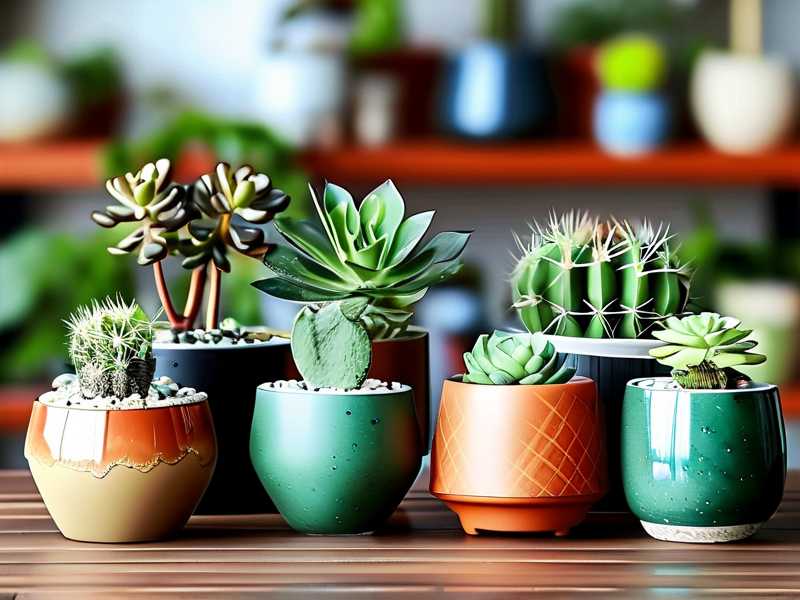
That's when I started paying attention. Jade plants are succulents. They store water in their thick leaves and stems. They don't need constantly moist soil. In fact, they hate it. The AHS lists jade plants as drought-tolerant succulents that prefer well-draining soil and containers that let excess water escape freely.
So the pot isn't just decoration. It's part of the plant's survival system.
The Drainage Non-Negotiable
Every single pot I now buy for jade plants has at least one drainage hole. Preferably more. I don't care how pretty it is—if there's no hole, I'm not putting a jade plant in it. Period.
I learned this the hard way. That first ceramic pot? Yeah, it's now a pencil holder on my desk.
If you fall in love with a pot that has no drainage, you have two options:
- Use it as a cachepot (a decorative outer pot) and keep the jade in a smaller nursery pot inside it. Just remember to take the inner pot out when you water.
- Drill a hole yourself. I've done this with a diamond-tip drill bit. It works, but it's nerve-wracking. One wrong move and you've got a cracked pot and a bruised ego.
Size Matters More Than You Think
Jade plants have shallow, fibrous roots. They don't need a deep pot. They don't need a huge pot either. In fact, putting a small jade plant in a massive pot is one of the fastest ways to kill it.
Why? Because a big pot holds a lot of soil. A lot of soil holds a lot of moisture. And that moisture sits there, around the roots, for way too long. Root rot sets in before you even realize something's wrong.
The rule I follow now: the pot should be about 1-2 inches wider than the root ball. That's it. Jade plants actually prefer being slightly root-bound. I've seen mine thrive in pots that looked almost too small. The roots fill the space, the soil dries out faster, and everyone's happy.
The 3 Aesthetic Styles for Jade Plant Pots (And What I Learned Testing Each One)
Over the past two weeks, I rotated my jade plants through three distinct pot styles. I wanted to see not just how they looked, but how the plants responded. Here's what I found.
Style 1: The Minimalist Modern Look
This is the style you see in every Scandinavian-inspired interior. Clean lines. Neutral colors. Terracotta or matte ceramic. Simple, understated, lets the plant do the talking.
I used a matte white ceramic pot with a drainage hole and a saucer. The pot was about 5 inches in diameter—perfect for my 4-inch jade plant.
What I observed over two weeks:
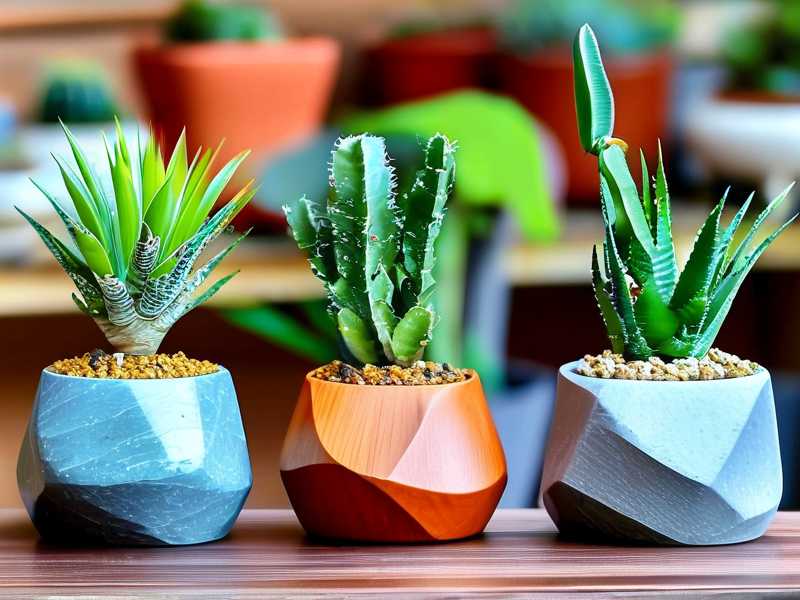
- The white ceramic reflected light nicely, which seemed to help the leaves get consistent brightness.
- The pot was heavier than terracotta, so it didn't tip over when my cat brushed against it. Small win.
- Water drained well, but the ceramic didn't breathe like terracotta does. I had to be more careful about watering frequency.
The catch: Ceramic pots can be pricey. And if you drop them, they shatter. I've lost two that way. Terracotta is cheaper and more forgiving.
Best for: Anyone with a modern, minimalist space. Pairs well with white walls, light wood furniture, and maybe a single trailing pothos nearby.
Style 2: The Rustic Terracotta Vibe
Terracotta is the classic choice for succulents. It's porous, so it wicks moisture away from the soil. It's affordable. It's readily available. And it has that warm, earthy look that just feels right for jade plants.
I've been using terracotta pots for years, but I got lazy about saucers. Big mistake. Water seeped through the pot and left rings on my windowsill. My landlord was not thrilled.
What I observed over two weeks:
- The jade plant in terracotta dried out faster than the one in ceramic. I watered it every 10-12 days instead of every 7-8.
- The terracotta developed a white crusty film on the outside. That's just mineral deposits from water. It's harmless, but some people don't like the look. I think it adds character.
- The plant seemed to grow slightly faster. Probably because the roots weren't sitting in moisture.
The catch: Terracotta cracks in freezing temperatures. If you keep your jade outside in winter, bring it in or switch to frost-resistant pots.
Best for: Beginners, budget-conscious plant parents, and anyone who tends to overwater. Terracotta is forgiving.
Style 3: The Boho Eclectic Mix
This is where things get fun. Woven baskets. Macrame hangers. Patterned ceramic pots. The idea is to mix textures and colors for a laid-back, collected-over-time look.
I used a woven seagrass basket with a plastic liner inside. The liner had drainage holes, and I emptied it after watering. The basket itself was purely decorative.
What I observed over two weeks:
- The basket looked amazing. It added warmth and texture to my shelf.
- But the plastic liner didn't breathe at all. I had to be really careful not to overwater. One slip-up and the soil stayed soggy for days.
- The basket also made it harder to check soil moisture. I had to lift the liner out every time. Kind of annoying.
The catch: This style requires more maintenance. You can't just water and forget. You have to check, empty saucers, and make sure the liner isn't trapping moisture.
Best for: People who don't mind a little extra effort and want a curated, bohemian look.
The 3 Deadly Mistakes I Made (So You Don't Have To)
I've killed three jade plants. Each one taught me something. Here's what I wish I'd known from the start.
Mistake 1: Overwatering
This is the big one. 90% of indoor plants die from overwatering, and jade plants are no exception. I used to water on a schedule. Every Sunday, without fail. That's a terrible idea.
Jade plants need water when the soil is dry. Not when the calendar says so. Stick your finger in the soil. If it's dry 2 inches down, water. If it's even slightly moist, wait.
I now water my jade plants every 10-14 days in summer and every 3-4 weeks in winter. They're thriving.
Mistake 2: Wrong Light
Jade plants need bright, indirect light. Not full shade. Not harsh afternoon sun. I once put a jade plant on a south-facing windowsill in July. The leaves got sunburned—brown, crispy patches. It looked terrible.
Now I keep them near an east-facing window. Morning sun, bright indirect light the rest of the day. Perfect.
If you only have a south or west window, use a sheer curtain to diffuse the light. Or move the plant back a few feet.
Mistake 3: The Wrong Pot
I already talked about drainage and size, but there's one more thing: material. Plastic pots are cheap, but they don't breathe. Glazed ceramic is pretty, but it holds moisture. Terracotta is porous and forgiving. Unglazed ceramic is similar to terracotta.
My current setup: terracotta pots for most of my jade plants, with one in a glazed ceramic pot that I water less often. Both are doing fine. But if I had to pick one for a beginner, it'd be terracotta. Every time.
How to Match Your Pot to Your Decor (Without Overthinking It)
You don't need a degree in interior design. Just a few guidelines.
For small spaces: Go vertical. A macrame hanger with a lightweight pot works great. Just make sure the pot has drainage and you can easily take it down to water.
For shelves: Low, wide pots look better than tall ones. They're more stable, too.
For living rooms: Match the pot to your existing color palette. If you have warm tones, terracotta or cream. If you have cool tones, grey or white ceramic.
For bedrooms: Keep it simple. A single jade plant in a clean, neutral pot is calming.
What the Experts Say
The RHS recommends using pots with drainage holes for all succulents, including jade plants. They also suggest repotting every 2-3 years, or when the roots start circling the bottom of the pot.
The AHS notes that jade plants are slow growers, so you don't need to size up often. A pot that's slightly too small is better than one that's too large.
I've found both of these to be true in my own experience. My oldest jade plant has been in the same terracotta pot for two years. It's happy. It's healthy. I'll repot it next spring.
FAQ
Can I use a pot without a drainage hole for my jade plant? You can, but you're asking for trouble. If you absolutely must, use it as a cachepot and keep the jade in a smaller pot with drainage inside. Never plant directly into a pot with no hole.
What size pot does a jade plant need? A pot that's 1-2 inches wider than the root ball. Jade plants like being slightly root-bound. A pot that's too big holds too much moisture and can lead to root rot.
How often should I repot my jade plant? Every 2-3 years, or when you see roots coming out of the drainage holes. Spring is the best time to repot.
Final Thoughts
Choosing the right jade plant pot for decor isn't complicated, but it does require paying attention to a few key things. Drainage. Size. Material. And then, yeah, aesthetics. Because you want it to look good, too.
I've made all the mistakes so you don't have to. Overwatered. Sunburned. Wrong pot. I've done it all. But now I've got jade plants that are thriving and pots that actually complement my space. It took time, but it was worth it.
Start with terracotta. Add a saucer. Water when dry. Put it in bright, indirect light. And pick a style that makes you smile when you walk past it. That's really all there is to it.





