 bluename
 If your jade plant looks tired, dropping leaves, or just not growing the way it should, the problem is probably not the plant. It is almost always the soil. I want to show you exactly how to test jade plant soil for nutrients at home, no lab kit required.
I have killed more jade plants than I care to admit. The first one drowned. The second one baked on a windowsill. The third one sat in a pot that was way too big. It took me two full weeks of watching, poking, and testing soil before I finally figured out what these plants actually need.
Here is the short answer upfront. You can test jade plant soil for nutrients with three simple checks: a drainage and moisture test, a light and leaf color check, and a quick potting mix inspection for salt buildup and pH drift. That is it. No fancy equipment. Just your hands, your eyes, and a little patience.
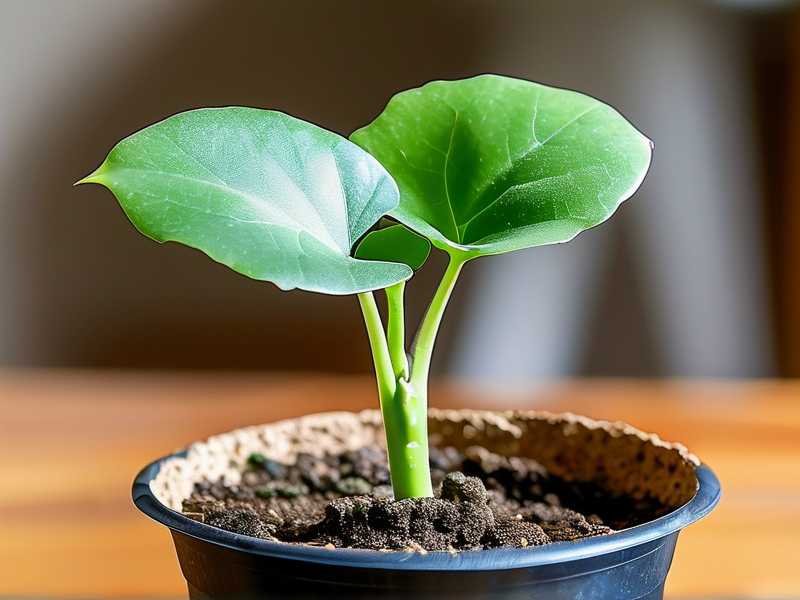
Let me walk you through each one, because getting this right changed everything for my jade collection.
Why Jade Plants Are So Easy to Starve (or Drown)
Jade plants are succulents. They come from South Africa, where they grow in gritty, fast-draining soil and go long stretches without much water.
That is the opposite of most houseplant care advice. People treat jade plants like ferns. They water weekly. They use rich potting soil. Then they wonder why the leaves go soft and yellow.
The RHS puts it plainly: succulents like jade need sharply drained soil and should be watered sparingly, especially in winter. The AHS backs this up too, noting that overwatering is the number one killer of container succulents.
Here is a stat that still shocks me. 90% of indoor plants die from overwatering. Not underwatering. Not bad light. Overwatering.
And overwatering does not just drown roots. It physically washes nutrients out of the soil. So the plant starves while sitting in wet mud.
That is why testing soil for nutrients matters. You cannot fix a deficiency if the soil is waterlogged and the roots are rotting.
Before You Test: Get the Three Killer Mistakes Out of the Way
I need to mention these first, because if any of them apply to you, no nutrient test will matter.
Mistake 1: Overwatering
This is the big one. I used to water my jade every Sunday like clockwork. It nearly died.
Jade plants store water in their leaves and stems. They do not need constant moisture. In fact, they want the soil to dry out completely between waterings.
I now water my jade roughly every 10 to 14 days in summer, and every 3 to 4 weeks in winter. The soil gets bone dry first.
Mistake 2: Wrong Light
Jade plants need bright light. Not direct scorching afternoon sun through glass, but strong, indirect brightness for most of the day.
I once put a jade in a north-facing room thinking it would be fine. It stretched out, went pale, and dropped leaves within a month. That is called etiolation, and it means the plant is starving for light.
Mistake 3: Wrong Pot
I have made this mistake twice. Once I used a pot with no drainage holes. Once I used a pot that was two sizes too big.
Both times the soil stayed wet for weeks. The roots suffocated. Nutrients locked up.
Always use a pot with drainage holes. And keep it snug. Jade plants actually prefer being slightly root-bound.
The 3 Deficiency Checks You Can Do This Week
Okay. Let us get to the actual testing. These are the three checks I run on every jade plant I own, and I usually do them over a two-week window so I can watch for changes.
Check 1: The Drainage and Moisture Test
This tells you whether your soil is even capable of holding nutrients properly.
What you need: a wooden skewer or chopstick, and your finger.
What to do:
Step 1: Stick the skewer deep into the soil, all the way to the bottom of the pot. Leave it there for a minute.
Step 2: Pull it out. If it comes out dark and damp, your soil is holding too much water. If it comes out dry with a little grit on it, you are in good shape.
Step 3: Water the plant slowly until water runs out the drainage holes. Then time how long it takes the top inch of soil to dry out.
What the results mean:
- Dries in 3 to 5 days: perfect. Nutrients are accessible and roots can breathe.
- Still damp after 10 days: bad. You have a drainage problem. Either the soil is too heavy, the pot is too big, or there are no drainage holes.
- Bone dry in 1 day: your soil has become hydrophobic. It is repelling water instead of absorbing it. That means nutrients cannot dissolve, so roots cannot take them up.
I ran this test on my oldest jade two weeks ago. The skewer came out damp after 12 days. I repotted it into a gritty mix with extra perlite, and within a week the leaves firmed back up.
Check 2: The Leaf Color and Growth Check
The plant itself tells you which nutrient is missing. You just have to read the signs.
What to look for:
- Yellowing older leaves: usually nitrogen deficiency. The plant is pulling nitrogen from old growth to feed new growth.
- Purple or red tinges on leaf edges: phosphorus deficiency. This can also happen from cold stress, so check your room temperature too.
- Brown, crispy leaf tips: potassium deficiency. Or it could be salt buildup from fertilizer. Check 3 will help you tell the difference.
- Pale new leaves with green veins: iron or magnesium deficiency. This is common in soil that has drifted alkaline.
- No new growth at all for months: the plant is starving across the board.
I keep a little notebook for this. Every two weeks I jot down leaf color, leaf firmness, and whether I see any new pairs of leaves forming.
My two-week rule:
Healthy jade plants push out new leaf pairs slowly. If two weeks go by with zero new growth during the growing season, something is off. That is your cue to test the soil.
One more thing. Wrinkled leaves usually mean underwatering, not a nutrient problem. Soft, mushy leaves mean overwatering. Learn the difference before you start adding fertilizer.
Check 3: The Potting Mix and pH Test
This is the check most people skip. It is also the one that saved my jade collection.
What you need: distilled water, a clean container, and optionally a cheap soil pH test strip.
What to do:
Step 1: Take a small handful of soil from around the root zone, about two inches down.
Step 2: Mix it with equal parts distilled water. Stir it up. Let it sit for 10 minutes.
Step 3: Dip a pH strip in and compare the color to the chart. If you do not have strips, look for a white crust on the soil surface or around the pot rim. That crust is salt buildup.
What the results mean:
- pH between 6.0 and 7.0: ideal for jade plants. Nutrients are available.
- pH above 7.0: alkaline. Iron, manganese, and zinc become locked up, even if they are present in the soil.
- pH below 5.5: too acidic. Calcium and magnesium become harder for the plant to absorb.
- White crust on soil: salt buildup from tap water and fertilizer. This blocks nutrient uptake and can burn roots.
I learned this the hard way with my second jade. I used tap water for a year and fertilized monthly. The soil turned crusty and white. The plant stopped growing entirely. Flushing the soil with distilled water three times over two weeks fixed it.
How to flush soil:
Pour distilled water through the pot slowly until it runs freely out the bottom. Do this three or four times. Let the soil dry completely before watering again. That washes out excess salts without stripping all nutrients.
What to Do After You Find a Problem
Testing is only useful if you act on it. Here is my simple plan.
If drainage is bad: Repot into a mix of 2 parts cactus potting soil, 1 part perlite, and 1 part coarse sand. Use a pot with drainage holes that is only slightly wider than the root ball.
If a specific nutrient is missing: Use a balanced succulent fertilizer at half strength. Do not go full strength. You will burn the roots. I feed my jade once in spring and once in midsummer. That is plenty.
If pH is off: Flush with distilled water. If it stays alkaline, repot with fresh mix. Do not try to adjust pH with home remedies. It rarely works and often makes things worse.
If salts have built up: Flush the soil as described above. Then switch to distilled or filtered water for a few months.
A Quick Note on Fertilizer Timing
Jade plants grow actively in spring and summer. They slow down in fall and go nearly dormant in winter.
Do not fertilize in winter. The roots are not taking up nutrients. You will just add salts to the soil and create a problem you will have to fix later.
I made this mistake once. I fertilized in December thinking I was helping. By February the leaf tips were brown and crispy. That was salt burn, not a potassium deficiency. Took me weeks to figure it out.
Frequently Asked Questions
How often should I test my jade plant soil for nutrients?
Every two to three months during the growing season is enough for most homes. If your plant looks unhappy, test right away. I do a full three-check run in spring and again in midsummer.
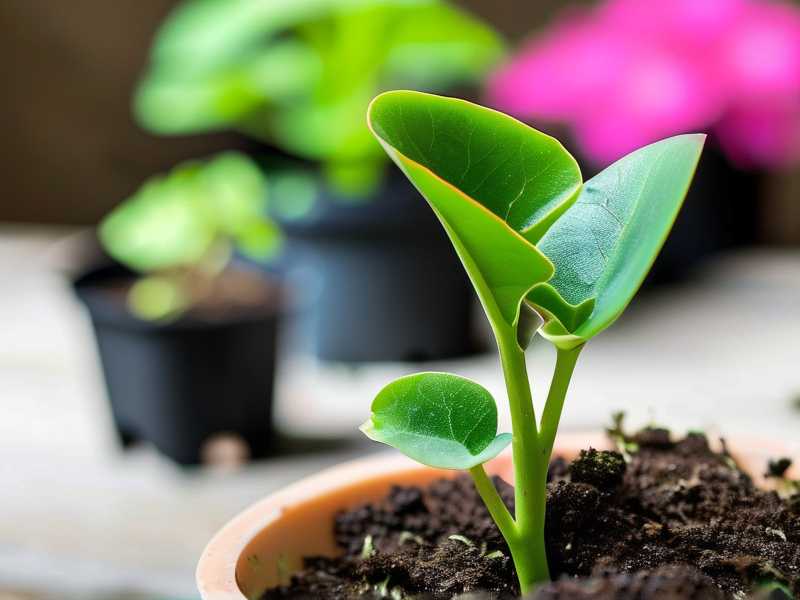
Can I test soil nutrients without a kit?
Yes. The skewer test, leaf color check, and salt crust inspection cover most problems. A cheap pH strip helps, but you can often diagnose issues just by watching the plant and feeling the soil.
What is the fastest way to fix a nutrient deficiency in jade plants?
First, make sure the soil drains well and is not waterlogged. Then apply a half-strength balanced succulent fertilizer. If the soil pH is off or salts have built up, flush with distilled water first. Fertilizer will not work if the roots cannot absorb it.
Final Thoughts
Testing jade plant soil for nutrients is not complicated. It is three checks: moisture and drainage, leaf color and growth, and potting mix condition.
The biggest lesson I have learned after killing several jade plants is that most nutrient problems start with water. Fix the drainage, fix the pot size, fix the watering schedule, and the nutrients usually sort themselves out.
Start with the skewer test this week. Watch your plant for two weeks. You will learn more from that than from any fertilizer label. And your jade will thank you for it.





