 bluename
 How to Fertilize jade plant with Organic Matter: 6 Natural Options That Actually Work
If your jade plant looks a little pale, stops pushing out new leaves, or just sits there like a statue for months, it's probably hungry. I've killed more jade plants than I'd like to admit, and every single time it came down to two things: I either drowned the roots or I never fed the poor thing. So here's the short answer up front. To fertilize a jade plant with organic matter, you want a gentle, slow-release approach. Worm castings, compost tea, diluted fish emulsion, kelp meal, banana peel tea, and a basic compost top-dressing will all feed your plant without burning it. Feed during the growing season, keep it weak, and never fertilize a bone-dry or soaking-wet plant.
That's the whole game in a nutshell. Now let me walk you through how I actually do this at home, because the details matter way more than the list.
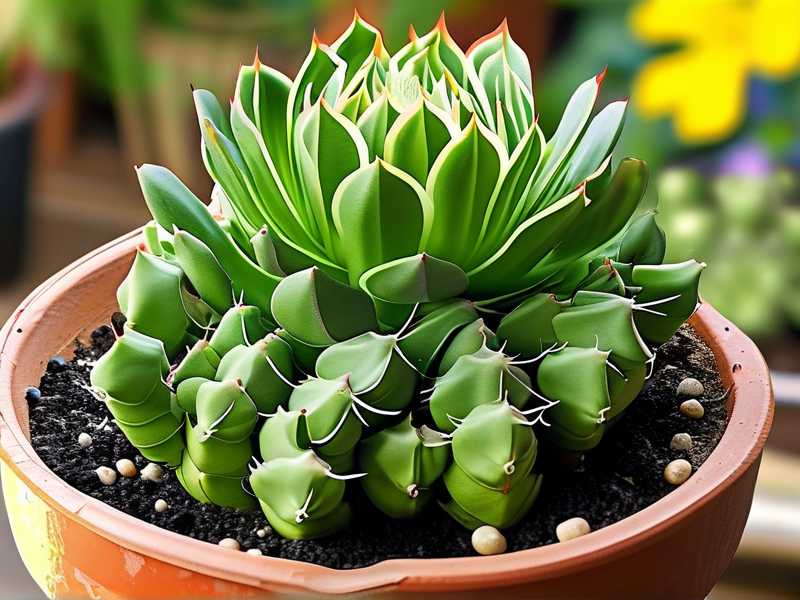
One thing I learned the hard way: it's not the fertilizer that kills jade plants. It's everything around it. According to the RHS, most houseplant problems trace back to watering and light, not feeding. The AHS says something similar, which is honestly a relief because it means you don't need fancy products. You just need to stop making the big mistakes first. And here's a stat that should be tattooed on every new plant parent's forehead: 90% of indoor plants die from overwatering.
So before we even talk fertilizer, let's deal with the three fatal errors that took out my first four jade plants.
The Three Mistakes That Killed My Jade Plants Before Fertilizer Ever Mattered
Mistake one: overwatering. I used to water my jade every Sunday like clockwork. That's a death sentence. Jade plants store water in those thick leaves and stems. They want to dry out almost completely between drinks. I finally figured this out after watching a perfectly healthy jade turn to mush from the bottom up. The stem went soft, the leaves dropped, and by the time I noticed, the roots were already rotting.
My fix: I only water when the top inch or two of soil is bone dry. In winter, I stretch that out even more, sometimes to once every three or four weeks. I stick a wooden skewer into the soil and if it comes out clean with no damp soil clinging to it, I water. That's it.
Mistake two: wrong light. I once parked a jade on a north-facing windowsill thinking it would be happy in "bright indirect light." It wasn't. The plant got leggy, the stems stretched toward the window like it was begging for its life, and the leaves lost that nice reddish edge. Jade plants want real sun. Not scorching afternoon summer sun through a magnifying-glass window, but four to six hours of direct or very bright light.
My fix: south or west window, right up close. If the plant starts getting those reddish tips, that's usually a good sign, not a bad one. It means it's getting enough light.
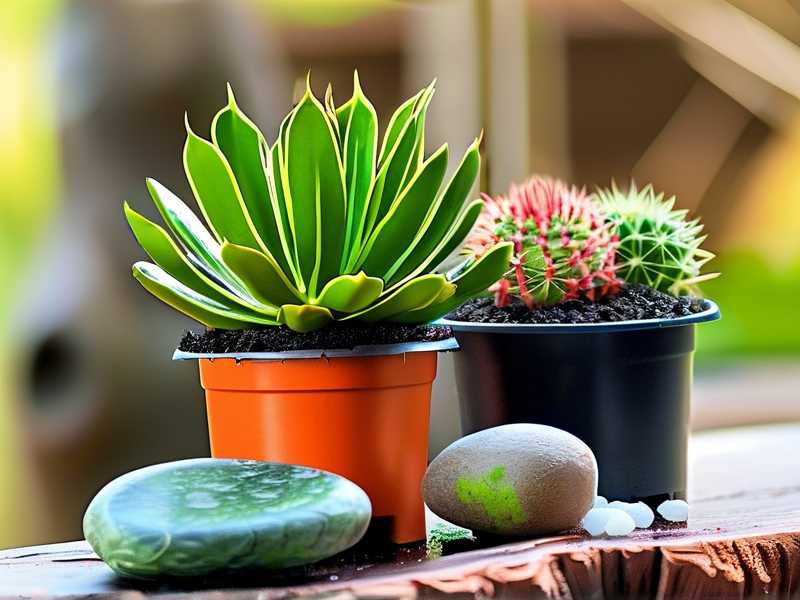
Mistake three: the wrong pot. I loved cute glazed ceramic pots with no drainage holes. Big mistake. Water pooled at the bottom and the roots sat in it. Now I use terracotta or unglazed clay pots with a drainage hole, and I always empty the saucer after watering. Terracotta breathes, which helps the soil dry out faster. That alone saved my next jade plant.
Fix those three first. Fertilizer on top of bad watering and bad light is like putting premium gas in a car with four flat tires.
Why Organic Matter Works Better for Jade Plants Than Synthetic Fertilizer
Jade plants are slow growers. They're not tomatoes. They don't want a big nitrogen hit that pushes out soft, weak growth. They want steady, mild nutrition.
That's why organic options are so good here. They release nutrients slowly as they break down. There's way less risk of salt buildup in the soil, which is a real problem with synthetic fertilizers in pots. Salt buildup shows up as white crust on the soil surface and brown, burnt leaf tips, and I've seen it happen to my own plants more than once.
Organic matter also feeds the soil itself, not just the plant. It improves the texture, helps with drainage, and supports the tiny microbes doing the actual work. For a plant that hates wet feet, better soil structure is a genuine gift.
When to Fertilize Your Jade Plant
Timing is everything. I feed my jade plants from early spring through late summer, when they're actively growing. That's usually every four to six weeks.
Once fall hits and the plant slows down, I stop feeding entirely. Feeding in winter is a common beginner move, and it just sits there unused, causing problems. If your plant is putting out new leaves, it's growing and it can use food. If it's not doing anything, hold off.
Also, never fertilize a freshly repotted plant for at least a month. The fresh soil usually has enough nutrients, and the roots need time to settle. And never fertilize a dry plant. Water it first, then feed a day or two later. Otherwise you risk burning the roots.
6 Natural Options for Fertilizing Jade Plant with Organic Matter
1. Worm Castings
This is my number one pick, and it's the one I recommend to anyone who just killed their first jade.
Worm castings are essentially worm poop, and they're packed with gentle, slow-release nutrients. They won't burn your plant no matter how heavy-handed you get. I sprinkle about a tablespoon or two on the top of the soil and scratch it in lightly with a fork. That's it.
I noticed a real difference after about two weeks. My jade that had been sitting idle for months started pushing out tiny new leaves at the tips. Not explosive growth, just steady, healthy progress. That's exactly what you want with jade.
You can also mix worm castings into your potting soil when you repot. I do about one part castings to four parts regular cactus mix.
2. Compost Tea
This one is a little more involved but worth it. Compost tea is basically water that's been steeped with finished compost, and it delivers nutrients in liquid form.
I make a simple version. I put a couple of handfuls of compost into a bucket, add water, stir it, and let it sit for a day or two. Then I strain it and use the liquid to water my jade plants. Dilute it so it looks like weak tea, not dark coffee.
I tried the bubbled, aerated version once with an aquarium pump. It worked fine, but honestly the simple soak-and-strain method gave me similar results without the fuss. I feed this to my jade about once a month during spring and summer.
3. Diluted Fish Emulsion
Fish emulsion smells terrible. I'm not going to pretend otherwise. My partner threatened to ban me from the kitchen after I used it indoors.
But it works. It's a liquid organic fertilizer that's high in nitrogen, which supports leafy growth. The key word is diluted. I mix it at half or even quarter strength of what the bottle says. Jade plants are not heavy feeders, and full strength will burn them.
I feed fish emulsion maybe once every six weeks at most. Always water the plant first, then apply. And do it outside or in a well-ventilated space if you can, unless you enjoy your living room smelling like a bait shop.
4. Kelp Meal
Kelp meal is dried seaweed, and it's a fantastic source of trace minerals and natural growth hormones. It doesn't deliver a huge nitrogen punch, which makes it perfect for jade.
I sprinkle a light dusting on the soil surface and water it in. You can also make a kelp tea by soaking it in water overnight. I've done both, and honestly, the top-dressing method is easier.
What I like about kelp is that it seems to help with overall plant vigor, not just growth. My jades look greener and sturdier when I use it regularly. I add it maybe every eight weeks during the growing season.
5. Banana Peel Tea
This is the DIY option everyone asks about, and it's decent, though not a complete fertilizer.
Banana peels are rich in potassium, which supports strong stems and overall plant health. I chop up a few peels, put them in a jar of water, and let them sit for two or three days. Then I strain the liquid and dilute it further before watering.
Here's the catch. Banana peel tea doesn't provide much nitrogen or phosphorus, so it's not a full meal. It's more of a supplement. I use it alongside other options, not instead of them. Also, don't just bury banana peels in the pot. They rot, attract fruit flies, and get moldy. I learned that one the gross way.
6. Basic Compost Top-Dressing
Sometimes the simplest option is the best. If you have good finished compost, just spread a thin layer on top of the soil.
I use about a quarter inch, no more. Too thick and you smother the soil surface and encourage fungus gnats. I scratch it in gently with a chopstick or a small fork, being careful not to damage the shallow roots jade plants have.
This mimics what happens in nature. Organic matter breaks down on the surface and nutrients work their way down with watering. It's slow, but it's safe, and it improves the soil over time.
How I Apply These Without Making a Mess
Here's my actual routine. Once a month from March through September, I do one of the following, rotating through them. Worm castings one month, compost tea the next, kelp the month after.
I always water the plant thoroughly the day before I feed. Then I apply the fertilizer to moist soil, never dry.
I keep a small notebook and jot down what I used and when. Sounds nerdy, but I forgot what I'd fed my plants more than once and ended up doubling up. That's how you get burnt leaf tips.
What I Noticed After Two Weeks
I want to be realistic here. Jade plants are slow. After two weeks of consistent organic feeding, you probably won't see a jungle explode out of your pot.
What you will notice, if your plant was nutrient-deficient, is subtle stuff. The leaves look a bit plumper. The color deepens from pale green to that rich jade green. New growth might start as tiny nubs at the stem tips.
That's exactly what happened with my main jade. Two weeks after I started worm castings and compost tea, the leaf color improved noticeably, and I spotted two tiny new leaves. Nothing dramatic. But with jade plants, slow and steady is the whole point.
If you see burned tips, yellowing, or mushy stems after feeding, stop immediately. You've either overfed or the plant was already stressed from watering or light issues.
A Few Extra Things I've Learned
Don't fertilize a jade that's flowering, if you're lucky enough to get flowers. Let it finish first. And don't fertilize a sick plant. Fix the underlying problem first, whether that's root rot, pests, or bad light.
Also, less is always more with jade plants. When in doubt, use half the amount you think you need. I've never once regretted underfeeding a jade. I've definitely regretted overfeeding one.
FAQ
Can I use regular garden fertilizer on my jade plant?
I wouldn't. Garden fertilizers are usually too strong for potted jade plants. You'll risk burning the roots and building up salts in the soil. Stick with diluted organic options or a dedicated succulent fertilizer at half strength.
How often should I fertilize a jade plant?
During the growing season, every four to six weeks is plenty. In fall and winter, stop entirely. Jade plants go semi-dormant and can't use the nutrients.
Is coffee grounds a good fertilizer for jade plants?
Used coffee grounds can work as a mild top-dressing, but don't overdo it. They're slightly acidic and can compact the soil if you pile them on. I use a thin sprinkle once or twice a year, mixed into the top layer, and that's it.
Stop drowning your jade. Give it real light and a pot with drainage. Then feed it gently with organic matter, and it'll reward you for years. Mine has outlived three moves and one very clumsy cat, and it's still going strong.





