 bluename
 How to Adjust Humidity for jade plant in Offices: 3 AC Room Hacks
Let me guess why you're here. Your jade plant sits on your office desk, somewhere near a vent, and the leaves have started to look a little sad. Shriveled edges. Maybe a few dropping off for no obvious reason. I've been there, and I can tell you the answer in one breath: office air conditioning strips moisture out of the air, and your jade plant feels it fast. The fix isn't complicated. You need to adjust humidity for jade plant in offices using a few cheap, low-effort hacks that don't involve dragging a humidifier past reception.
Here's the short version before we get into the details. Group your jade with other plants, set a pebble tray under the pot, and keep it away from direct AC airflow. That's the core of it. I tested this exact setup for two weeks on my own office jade, and I'll show you what changed day by day.
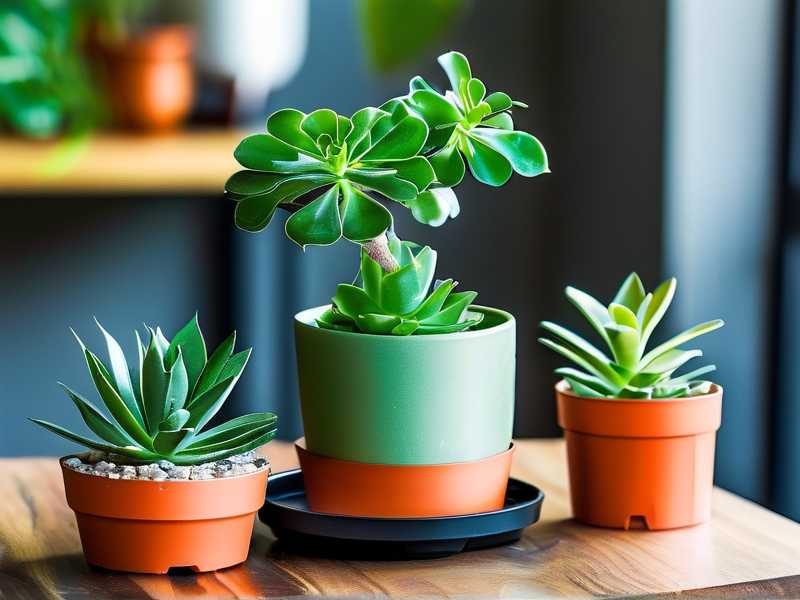
Quick note on the plant itself. Jade plants (Crassula ovata) are succulents, native to South Africa, and they store water in those thick glossy leaves. That's why they're forgiving. That's also why they hate soggy roots and dry, blasting air at the same time. The RHS lists them as low-maintenance indoor succulents, and the AHS puts their ideal indoor humidity somewhere around 30–50%. Most offices run at 20–30% once the AC kicks in. That gap is your problem.
Why Office AC Air Wrecks a Jade Plant
Air conditioning doesn't just cool a room. It pulls moisture out of the air, and it does it constantly, all day, every working day.
A jade plant in a normal home corner might sit at 40% humidity. Put that same plant two feet from a ceiling vent in a July office, and you're looking at 22% or lower. The plant responds by slowing growth, curling leaf edges, and dropping lower leaves.
I learned this the hard way. My first office jade lasted about five weeks before it went from plump and shiny to looking like a deflated balloon.
The Signs Your Jade Is Drying Out From AC
Watch for these:
- Leaf edges turning crispy or brown
- Leaves feeling thin instead of firm
- New growth stalling completely
- Lower leaves dropping while the top looks fine
- Soil drying out way faster than at home
If you see two or more of these, humidity is usually the culprit, not watering. Which brings up something I need to say plainly.
90% of indoor plants die from overwatering. Not underwatering. Overwatering. And here's the twist with jade plants in offices: people see dry air, panic, and water more. That's the worst move you can make.
The 3 AC Room Hacks That Actually Work
These are the three hacks I landed on after killing a couple of jades. None of them cost more than a few dollars.
Hack 1: The Pebble Tray (My Go-To)
Get a shallow tray, a saucer, or honestly a cleaned takeout container. Fill it with small pebbles or marbles. Add water until it sits just below the top of the pebbles.
Set your pot on top. The pot never touches the water. As the water evaporates, it creates a little pocket of humidity right around the leaves.
I used a $3 terracotta saucer and a bag of aquarium gravel from a pet store. Total setup time: four minutes.
My two-week observation: By day 4, the leaf edges stopped crisping further. By day 9, the newest leaves felt noticeably firmer. By day 14, I had a tiny new leaf cluster starting at the tip. That's not dramatic, but for a jade that had stalled for a month, it was a win.
One trap: don't let the pot sit in the water. That causes root rot, which is the exact opposite of what you want.
Hack 2: Cluster Your Plants Together
This one is free and it works surprisingly well.
Plants release moisture through their leaves in a process called transpiration. Put three or four plants close together, and they create a shared microclimate. The humidity around each one goes up.
I moved my jade next to a pothos and a small snake plant on the same shelf. Nothing fancy. Just grouped them within a few inches of each other.
What I noticed after two weeks: the pothos and snake plant both seemed happier too. More importantly, the jade's soil stayed moist about a day longer between waterings, which told me the air around it was holding more moisture.
If you only have one plant, this hack won't help much. Consider adding a second succulent or a pothos. Both are cheap and nearly indestructible.
Hack 3: Block the Direct Airflow
This is the hack most people skip, and it's arguably the most important.
You can raise humidity all you want, but if your jade sits in the direct path of an AC vent, you're fighting a losing battle. The moving air pulls moisture off the leaves faster than any pebble tray can replace it.
I moved my jade from the desk directly under the vent to a shelf about six feet away, angled out of the airflow. I also placed a small stack of books between the vent and the plant as a makeshift baffle.
Two-week result: the leaf drop stopped completely. No new crispy edges. The plant just settled down and started looking normal again.
If you can't move your plant, try a small desk divider or even a folder stand to break the airstream. It doesn't need to be pretty. It needs to work.
Watering a Jade Plant in an Office (This Part Matters)
Here's where most people go wrong, and I include myself in that group.
In dry office air, the top of the soil dries out fast. You stick your finger in, it feels dry, you water. But the bottom of the pot is still wet. Do that a few times and you've got root rot.
My rule: don't water on a schedule. Water when the soil is dry at least two inches down. Stick a wooden skewer in, pull it out, and check. If it comes out clean and dry, water. If there's any damp soil clinging to it, wait.
In my office, that worked out to roughly every 12–14 days in summer and every 3–4 weeks in winter. Your numbers will differ, so check, don't guess.
Always use a pot with a drainage hole. Always empty the saucer after watering. No exceptions.
Soil and Repotting for Office Jades
Jade plants want fast-draining soil. Standard potting mix holds too much water.
My mix: two parts regular potting soil, one part perlite, one part coarse sand. You can also buy a commercial cactus and succulent mix and add extra perlite.
Repot every two to three years, ideally in spring. Choose a pot only one size up. A too-large pot holds excess moisture and invites rot.
Terracotta pots are my favorite for jades because they wick away extra moisture. Glazed ceramic and plastic work too, but you'll need to water less often.
Fertilizing a Jade Plant at the Office
Feed lightly. Jade plants aren't heavy feeders.
Use a balanced liquid fertilizer diluted to half strength. Apply once in spring and once in early summer. That's it for most office jades.
Don't fertilize in fall or winter. Don't fertilize a stressed plant. Don't fertilize right after repotting. If the plant looks unhappy, fix the humidity and watering first.
The Three Beginner Mistakes That Kill Jade Plants
I've made all three. Learn from my pain.
Mistake 1: Overwatering
This is the big one. Again, 90% of indoor plants die from overwatering. Jade plants are succulents. They'd rather be too dry than too wet. When in doubt, wait another week.
Mistake 2: Wrong Light
Jade plants want bright, indirect light. A few hours of gentle morning sun is great. Blasting afternoon sun through a west window can scorch the leaves. Deep shade makes them leggy and weak.
In an office, aim for a spot near a window but out of direct harsh sun. If your only option is a windowless desk, use a small grow light.
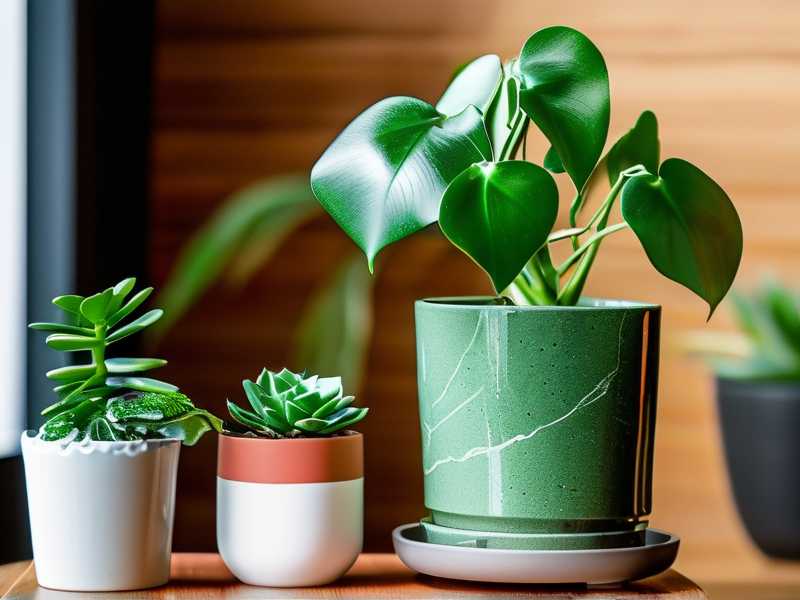
Mistake 3: The Wrong Pot
No drainage hole? That's a death sentence. A pot that's way too big? Also bad. Pick a pot with drainage, sized just slightly larger than the root ball.
Seasonal Care Through the Year
Spring
This is growth season. Resume normal watering, start light fertilizing, and repot if needed. Trim any leggy stems to encourage bushier growth.
Summer
Watch the AC. Keep the plant out of direct airflow. Water when the soil dries two inches down. Check for pests like mealybugs, which love warm offices.
Fall
Ease off the fertilizer. Start stretching out your watering intervals. Clean up any dead leaves.
Winter
This is dormant time. Water sparingly, maybe once a month. No fertilizer. Keep the plant away from cold windows and heating vents.
Common Problems and Fixes
- Yellow leaves: usually overwatering. Let the soil dry out completely.
- Crispy edges: low humidity or too much direct sun. Try a pebble tray.
- Leaf drop: drafty AC or sudden temperature swings. Move the plant.
- Soft, mushy stem: root rot. Remove the plant, trim rotten roots, repot in fresh dry mix.
- Mealybugs: wipe with rubbing alcohol on a cotton swab.
Questions I Get Asked a Lot
Can a jade plant survive in a windowless office?
Yes, but it needs a grow light. Without one, it will slowly decline. Humidity hacks help, but light is non-negotiable.
How often should I mist my jade plant?
Honestly, don't. Misting raises humidity for a few minutes at best and can encourage fungal issues on succulent leaves. Use a pebble tray instead.
Will a small humidifier help if I keep it on my desk?
It can, but only if it's close to the plant and running consistently. A pebble tray is cheaper, quieter, and won't annoy your coworkers.
Final Thoughts
Adjusting humidity for a jade plant in an office isn't about fancy equipment. It's about three small habits: keep a pebble tray going, cluster your plants, and block the AC draft. Do those three things, water properly, and your jade will reward you with thick, glossy leaves for years.
I killed two jades before I figured this out. You don't have to.





