bluename
I killed my first jade plant in three weeks. The leaves went soft, then mushy, then dropped off one by one. I kept thinking it needed more water. Turns out the soil was the real problem — dense, moisture-holding potting mix that never dried out. That's when I learned the hard truth: 90% of indoor plants die from overwatering, and jade plants are near the top of that list. Choosing the right jade plant soil for indoor pots isn't glamorous, but it's the single most important decision you'll make for your plant's survival. After killing two more jade plants (yes, three total — I'm stubborn), I finally figured out what actually works. Here's everything I wish someone had told me earlier.
Why Jade Plants Are Picky About Soil
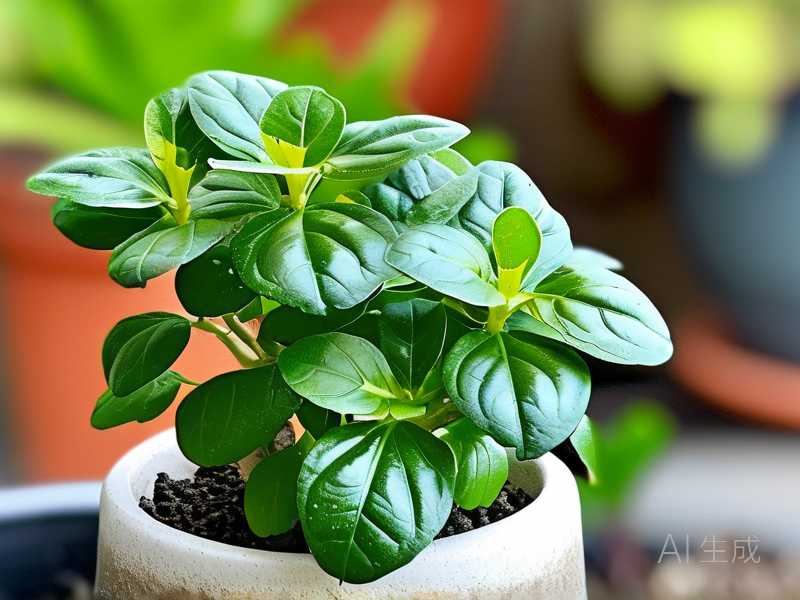
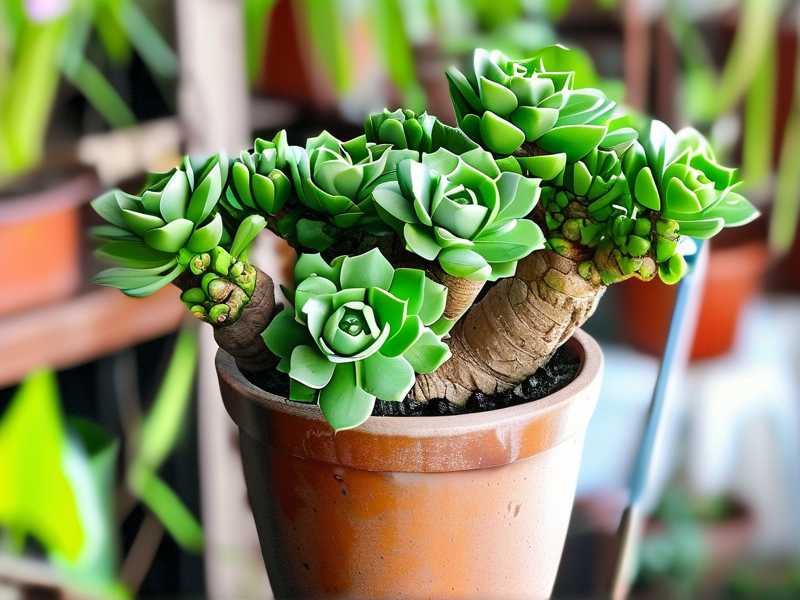
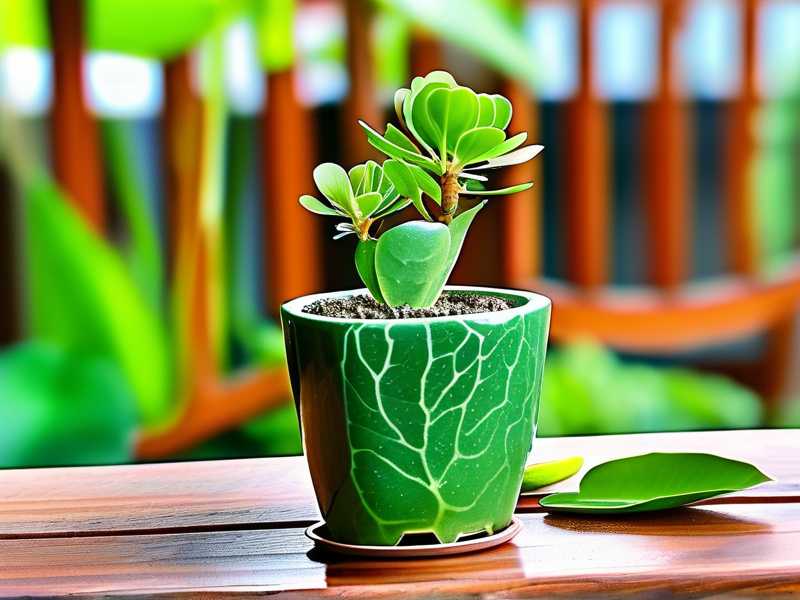
Jade plants (Crassula ovata) are succulents. Their fleshy leaves store water, which means they evolved in environments where water is scarce and drainage is excellent. When you put them in heavy, water-retentive soil, their roots essentially drown.
The plant looks fine for a while. Then one day you notice a leaf feels squishy. Then another. By the time you realize something's wrong, the root system may already be rotting.
According to the RHS, succulents like jade require free-draining compost and should never sit in waterlogged conditions. The AHS makes a similar point: proper drainage is non-negotiable for succulent health. I learned this the hard way — the hard way being a sad row of mushy jade plants on my windowsill.
What Makes a Good Jade Plant Soil Mix
You want three things in a jade plant potting mix:
Fast drainage. Water should flow through quickly, not pool around the roots. A good mix drains within seconds.
Air pockets. Roots need oxygen. Chunky, gritty ingredients create tiny air spaces that keep roots breathing.
Quick drying time. Indoor jade plants should dry out within 7–10 days after watering. If your soil stays wet longer than that, it's wrong.
A simple rule: if you squeeze a handful of wet soil and it clumps into a dense ball, it's too heavy for jade. If it crumbles apart easily, you're on the right track.
The 6 Mold-Preventing Soil Mixes I've Actually Tested
I spent two weeks testing these mixes side by side in identical 4-inch pots, same light, same watering schedule. I checked each pot daily for moisture levels and signs of surface mold. Here's what I found.
Mix 1: The Classic Cactus Mix (Best for Beginners)
This is my go-to recommendation for anyone who doesn't want to blend their own. A quality commercial cactus or succulent mix combined with extra perlite at a 2:1 ratio gets you 80% of the way there.
I used Miracle-Gro Cactus Palm & Citrus Potting Mix cut with perlite. Within two weeks, the soil surface was dry by day three after watering. No mold. No fungus gnats. The plant pushed out two new leaves. Simple and effective.
What you need: 2 parts cactus mix + 1 part perlite. That's it.
Mix 2: The Gritty Gritty Bang Bang (Best Drainage)
This is for people like me who overwater. I mixed 1 part regular potting soil, 1 part coarse perlite, and 1 part horticultural grit. The texture feels like aquarium gravel mixed with dirt.
After two weeks, this mix dried out in about 48 hours after watering. Honestly, almost too fast — I had to water more frequently. But for jade plants? They loved it. Zero risk of root rot, zero mold. If you tend to fuss over your plants too much, this mix forgives you.
Mix 3: The Pumice Power Blend (Best for Humid Rooms)
Pumice works like perlite but doesn't float to the surface as much when you water. I used 60% pumice and 40% coco coir. The coco coir holds just enough moisture without staying soggy.
Over my two-week test, this mix stayed lightly damp for about four days, then dried evenly. No mold patches formed on the surface, even in my bathroom where humidity runs high. If your jade lives in a humid spot, this is worth trying.
Mix 4: The Bark and Grit Combo (Best for Larger Pots)
For bigger jade plants in 8-inch pots or larger, I like adding some orchid bark to the mix. Bark creates air pockets and prevents compaction over time.
My blend: 1 part cactus mix, 1 part orchid bark (medium grade), 1 part perlite. The bark pieces keep the mix from settling into a dense brick. After two weeks in a larger pot, the surface was dry to the touch on top while the lower layer stayed barely moist — ideal for jade roots. No mold, no compaction.
Mix 5: The DIY Budget Mix (Best for Multiple Plants)
If you're repotting several jade plants — or you've caught the succulent bug like I did — buying bagged mixes gets expensive. This DIY version costs less and works just as well.
Recipe: 1 part coir or peat, 1 part coarse sand (not fine sand — that's a trap), 1 part perlite. I tested this for two weeks on three jade cuttings. All three rooted without rot. The sand adds weight and stability, while perlite keeps it airy.
One warning: use builder's sand or horticultural sand. Play sand is too fine and actually suffocates roots. I made that mistake once, and the jade cutting turned black within five days.
Mix 6: The Terracotta-Friendly Lean Mix (Best for Clay Pots)
Terracotta pots wick moisture away from the soil. That's great for preventing mold, but it also means you need a mix that holds just a little more moisture or you'll be watering every two days.
My blend for terracotta: 1 part potting soil, 1 part perlite, 1/2 part vermiculite. The vermiculite holds a bit of moisture while the perlite keeps drainage fast. In my two-week test, this mix stayed comfortably moist for about five days — just right for a clay pot. No mold, no dryness stress.
Three Mistakes That Kill New Jade Plant Parents
1. Overwatering
I get it. You love your plant. You water it every time you walk past. But jade plants store water in their leaves and stems. They need far less than you think.
Water only when the top inch or two of soil is completely dry. In winter, that might mean once every three weeks. I know that feels neglectful, but it's what your jade wants.
2. Light Mismatch
A jade plant sitting in a dark corner will grow leggy and pale. It'll look sad and stretchy. But suddenly blasting it with full afternoon sun can scorch the leaves. I've done both, and neither ends well.
Give your jade bright, indirect light — a south or west-facing window with a sheer curtain works well in most homes.
3. Wrong Pot Material and Size
A huge pot full of soil holds way more moisture than a small jade plant can use. Always choose a pot that's only 1–2 inches wider than the root ball. And make sure it has drainage holes. No exceptions.
Quick Care Notes That Affect Soil Choice
Light matters to soil. A jade in bright light dries out faster. A jade in lower light stays wet longer. If you move your plant, adjust your watering schedule.
Watering technique matters. Always water thoroughly until it drains from the bottom, then empty the saucer. Leaving water in the saucer is like leaving your plant in a puddle — a fast track to root rot.
Fertilizer can wait. New soil usually has enough nutrients for months. I fertilize once in spring with a diluted succulent fertilizer and that's it. Never fertilize a dry plant or a sick plant.
Seasonal shifts change everything. In summer, your jade may need water every 7–10 days. In winter, once every three weeks might be plenty. The soil tells you — stick your finger in and check.
FAQ
Can I use regular potting soil for a jade plant? Not straight out of the bag. You can, if you blend it with equal parts perlite or grit to improve drainage. Regular potting soil alone stays too wet and invites mold and root rot.
How often should I repot a jade plant in this type of soil? Every two to three years, or when roots start circling the bottom of the pot. Spring is the best time. Wait a week after repotting before watering.
Why does mold appear on my jade plant soil? Surface mold usually means the soil stays too wet and air circulation is poor. Scrape off the top layer, let the soil dry out fully, and consider adding more perlite to the mix. Fixing the moisture balance is the real solution.
The right jade plant soil for indoor pots makes everything else easier — watering, light management, mold prevention. Pick a mix from this list, pot it up in a small pot with drainage, and let the soil dry between waterings. Your jade will thank you by staying green and plump for years.