 bluename
 How to Fix jade plant Stiff & Dry Leaves: 4 Flexibility-Restoring Solutions
There’s a special kind of plant parent panic that sets in when you run your fingers over your beloved jade plant and, instead of the plump, fleshy leaves you expect, you’re met with stiff, dry, and leathery foliage. It feels wrong. A healthy jade (Crassula ovata) leaf should have a slight give, a juicy resilience that speaks of good health. When they turn rigid and lose their signature flexibility, it’s a clear distress signal. I know this panic intimately because I watched my prized, decade-old jade slowly transform from a lush, green gem into a stiff, dull version of itself. I was worried I was losing it. But through trial, error, and a lot of patient observation, I discovered the roadmap back to health. This guide isn’t just theory; it’s the four-step process I personally followed over two weeks to restore my plant’s vitality, complete with the mistakes I made along the way.
The stiffness and dryness are symptoms, not the disease itself. They almost always point to issues with the plant’s water management system. Jade plants are succulents, storing water in their leaves, stems, and roots. When those leaves deflate and harden, the plant is essentially running on empty. The goal isn’t to just pour water on the problem. The goal is to understand why the plant is dehydrated and systematically restore its ability to hydrate itself. We’ll focus on diagnosing the root cause and applying targeted, flexibility-restoring solutions.
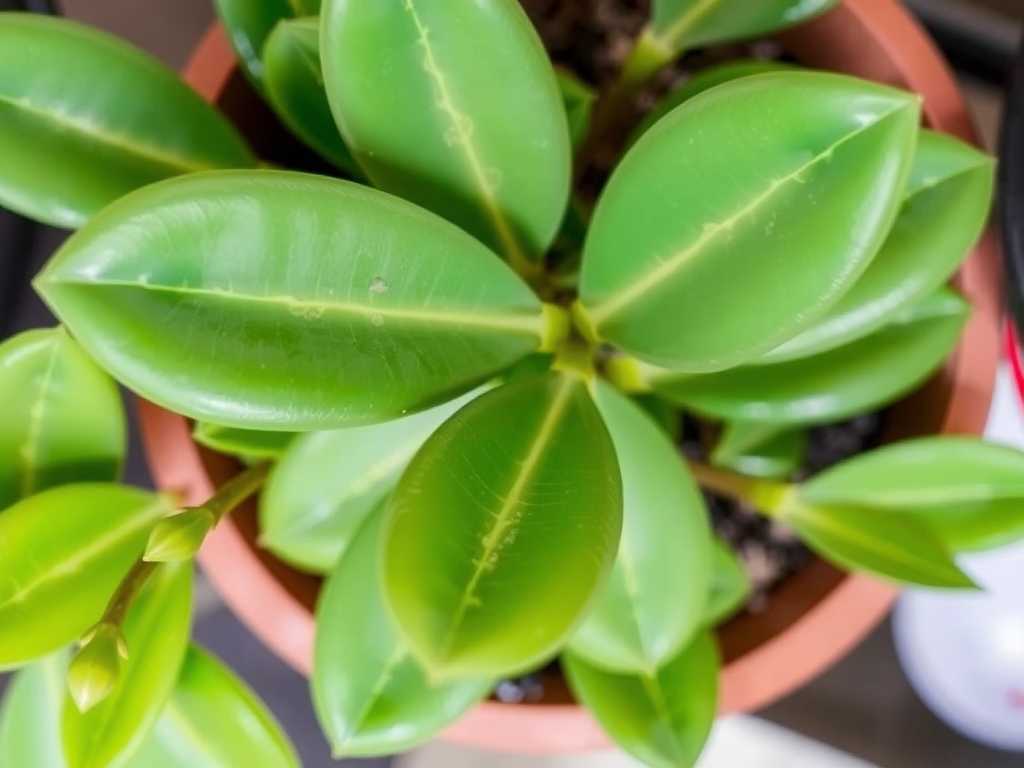
Understanding the "Why": Diagnosing Your Jade’s Thirst
Before you act, you need to play plant detective. Stiff, dry leaves can stem from opposite ends of the care spectrum, and treating the wrong cause can do more harm than good. I learned this the hard way. Seeing dry leaves, I initially assumed pure underwatering and drenched the soil. This led to the first soggy, yellowing leaves—a sign of overwatering stress on an already compromised root system.
The Royal Horticultural Society (RHS) notes that succulents like jade plants show "wrinkled or shriveled leaves" when thirsty, but they equally stress that "symptoms of overwatering can sometimes mimic underwatering" if roots have rotted and can no longer take up moisture. This was the key insight I missed at first.
Here’s how to properly diagnose:
- The Soil Test: Don’t just skim the surface. Stick your finger or a wooden chopstick 2-3 inches into the pot. Is it bone-dry and pulling away from the edges? That points to chronic underwatering. Is it damp, soggy, or musty-smelling? That points to overwatering and potential root rot.
- The Leaf Check: Are the leaves uniformly stiff and dry, perhaps with some lower leaf loss? Or are there mixed signals—some stiff leaves alongside others that are yellowing, soft, or translucent?
- The Root of the Problem: The most definitive check. Gently tip the plant out of its pot. Healthy jade roots are firm and white or light tan. Rotten roots are mushy, dark brown or black, and may fall apart to the touch. The American Horticultural Society (AHA) emphasizes that "healthy roots are the foundation of a healthy plant," and for succulents, this means a system capable of efficient water uptake and storage.
My plant showed a combination: bone-dry soil that repelled water, roots that were mostly dry and brittle but with a few starting to darken from my initial overzealous watering. My diagnosis was a case of severe underwatering leading to soil hydrophobia and early-stage root stress.
Solution 1: The Gradual Rehydration Technique (For Chronic Underwatering)
If your diagnosis points to simple, prolonged thirst, the worst thing you can do is flood the pot. Parched soil and desiccated roots can become hydrophobic—meaning they actively repel water. The water will just run down the inside of the pot and out the drainage hole, never reaching the roots.
This is the step-by-step method I used over 48 hours:
- Initial Bottom Soak: I placed my jade’s nursery pot (with drainage holes) inside a basin filled with about 2 inches of lukewarm water. I let it sit for 20-30 minutes, allowing the soil to wick moisture up from the bottom slowly and evenly.
- Top-Watering Follow-Up: After the bottom soak, I gently watered from the top to help settle the moisture throughout the entire root ball. I let all excess water drain completely.
- The "Damp Towel" Humidity Boost: I didn’t stop there. Knowing the leaves were desperate for humidity, I placed the plant on a pebble tray filled with water (ensuring the pot sat above the waterline) and loosely tented a clear plastic bag over it for a few hours at a time over the next two days. This created a mini-greenhouse effect, reducing transpiration stress and allowing the leaves to rehydrate through the air.
- Observation: Within the first 24 hours, I noticed the stiffest leaves hadn’t changed much, but the newer, smaller leaves at the tips began to feel slightly softer. This was my first sign of success.
Solution 2: Root Rescue & Soil Revival (For Overwatering or Hydrophobic Soil)
If your soil is a problem—either waterlogged or bone-dry and compacted—rehydration alone isn’t enough. The plant needs a fresh foundation. This was the most crucial step for my jade.
- Gentle Root Inspection: I carefully removed all old soil, teasing it away from the roots under a gentle stream of water. I found the root ball I mentioned earlier: mostly dry but with a few compromised sections.
- Precise Pruning: Using sterilized scissors (wiped with isopropyl alcohol), I snipped away any dark, mushy, or completely brittle dead roots. The AHA recommends pruning damaged roots back to healthy tissue to prevent the spread of decay and stimulate new growth.
- The Perfect Fresh Start: I repotted the plant into a clean pot only slightly larger than the root ball, using a brand new, well-draining succulent/cactus mix. I specifically chose one with added perlite and pumice for aeration, as the RHS advises a "gritty, free-draining compost" for succulents to prevent future waterlogging.
- The Settling-In Period: After repotting, I waited a full 7 days before watering. This allowed any minor root injuries from pruning to callous over, preventing rot. I placed the plant in bright, indirect light and simply left it alone.
Solution 3: Optimizing the Watering Rhythm
You can’t restore flexibility and then go back to old, harmful habits. I had to learn my plant’s new language. Instead of watering on a calendar schedule (my old mistake), I adopted the "soak and dry" method, which is the gold standard for jade plant care.
- The Method: Water deeply and thoroughly until water flows freely from the drainage holes. This ensures the entire root ball is moistened.
- The Rule: Then, let the soil dry out completely before even thinking about watering again. Use the finger test. For my repotted plant in its gritty mix, this cycle took about 10-14 days.
- My Two-Week Observation Log:
- Day 3 Post-Repot: No visible change. Leaves still stiff. Patience is key.
- Day 7: First deep watering after the repotting wait. Performed the bottom-soak method to ensure even saturation.
- Day 10: The most rigid older leaves showed little improvement, but the central stem and all new growth points felt firmer to the touch, not harder. The plant looked more upright.
- Day 14: A breakthrough! Several of the mid-level leaves, which had been stiff and slightly wrinkled, began to plump up. Their flexibility returned noticeably. The deep green color intensified. This confirmed the roots were now functional and delivering water effectively.
Solution 4: Environmental Fine-Tuning for Lasting Health
Watering is only part of the equation. The environment dictates how quickly a plant uses that water. I audited my jade’s conditions:
- Light: Jades need bright light to maintain firm growth and metabolize water efficiently. I moved mine to a south-east facing window where it received several hours of direct morning sun and bright indirect light all day. Stronger light promotes tighter growth and helps the soil dry appropriately.
- Temperature & Humidity: I kept it away from cold drafts and heating/cooling vents, which can cause rapid moisture loss and stress. The average room humidity was fine; I discontinued the plastic bag tent after the initial recovery phase.
- The Fertilizer Pause: During the entire two-week recovery and for a month after, I used no fertilizer. A stressed plant recovering from root issues cannot process fertilizer, and the salts can burn new roots. The RHS advises to "feed only healthy, actively growing plants."
Navigating the Recovery: What to Expect and Avoid
The recovery isn’t instantaneous. Here are the pitfalls I encountered:
- The Temptation to Overwater: After the first signs of improvement, I was tempted to water again to "help it along." I stuck to the finger test and resisted. Overwatering is the fastest way to undo all progress.
- Leaf Loss: Some of the oldest, most damaged leaves never recovered. They yellowed and dropped off. This is normal. The plant is shedding irreparable parts to focus energy on new growth. Don’t panic.
- Patience with Older Leaves: The newest leaves recovered first. The oldest, stiffest leaves may never regain perfect flexibility, but as long as new growth is healthy, the plant is on the mend.
Common Questions from Fellow Plant Lovers
Will the already stiff leaves ever become soft again? It depends on the severity of the damage. In my experience, leaves that are dry and stiff but still green and firmly attached often regain a good degree of plumpness, especially if they are not the oldest leaves. However, severely desiccated or wrinkled leaves may not fully recover. The plant will often prioritize resources for new growth. Focus on the health of the new leaves emerging—they are your true success metric.
How often should I water my jade plant to prevent this? Throw away the weekly schedule. Frequency depends entirely on your environment: pot size, soil type, light, and season. The only reliable method is the "soak and dry" cycle. Water deeply, then wait until the soil is completely dry at depth before watering again. In summer, this might be every 10-14 days; in winter, it could be every 3-4 weeks or longer.
My jade plant leaves are flexible but also dropping. What does that mean? Sudden leaf drop, especially if the leaves are still fleshy and green, is a classic sign of shock or overwatering. It’s different from the slow, dry leaf loss of underwatering. Check your soil moisture immediately. If it’s wet, stop watering, improve air circulation, and consider checking the roots for rot as outlined in Solution 2. It can also be caused by a sudden drastic change in temperature or light.
Watching a jade plant’s stiff, dry leaves gradually soften and regain their joyful resilience is one of the most rewarding experiences in plant care. It requires moving from reactive panic to systematic, patient problem-solving. The journey taught me to listen to my plant’s physical language—the feel of its leaves, the weight of its pot, the state of its soil—over any predetermined schedule. By diagnosing the true cause, whether it’s underwatering, overwatering, or a failing root environment, and applying these targeted, flexibility-restoring solutions, you give your jade the precise support it needs to thrive. Start with the soil and roots, master the watering rhythm, and provide steady light. Your jade will repay you with decades of sturdy, lush growth, its leaves once again serving as tiny, green reservoirs of vitality.





