bluename
 How to Stop jade plant Leaf Curling from Overwatering: 5 Fixes
I’ve been there. You walk over to your beloved jade plant, a symbol of luck and resilience, only to find its normally plump, glossy leaves looking sad, wrinkled, and curling inward. Your heart sinks. Is it a pest? Not enough light? In my years as a plant enthusiast, I’ve learned that nine times out of ten, when a jade plant’s leaves curl, the silent culprit is overwatering. It’s a common mistake—we love them a little too much. But don’t worry; I’ve been through this exact crisis and nursed my plant back to vibrant health. This guide will walk you through the five critical fixes I personally used, based on two weeks of careful observation and a few mistakes I had to correct along the way.
Understanding Why Overwatering Causes Leaf Curl
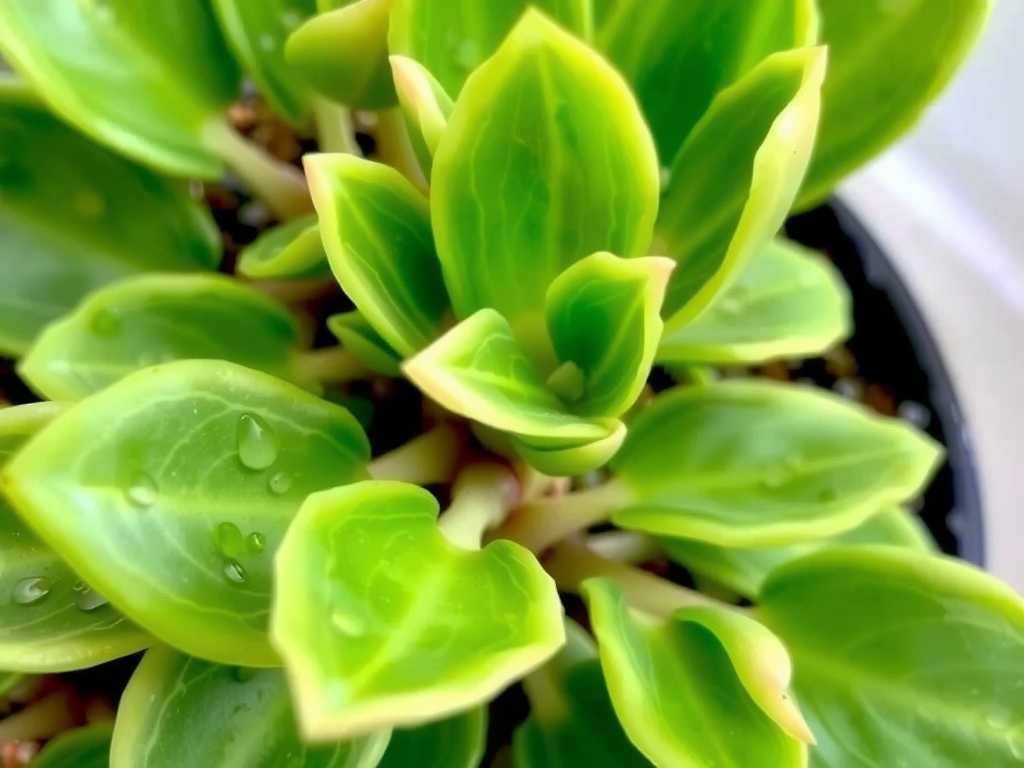
First, let’s talk about why this happens. Jade plants are succulents. They store water in their thick leaves and stems, adapted to survive dry periods. Their roots need to breathe. When the soil is constantly wet, the roots suffocate and begin to rot. A damaged root system can’t deliver water or nutrients to the plant effectively. Ironically, this creates symptoms of underwatering—like leaf curl and wrinkling—because the leaves are actually dehydrating due to the root failure. It’s a cruel trick. Recognizing this was my first “aha” moment. I stopped adding more water and started fixing the environment.
Fix 1: The Immediate Intervention – Stop Watering and Assess the Damage
The moment I noticed the persistent curl, I put the watering can down. This is the most crucial and immediate step. I gently removed the plant from its pot to inspect the roots, something the American Horticultural Society’s plant care guides always recommend for accurate diagnosis. What I saw confirmed my fears: the soil was soggy several inches down, and some roots were dark, mushy, and had a foul smell—classic signs of rot.
Here’s what I did:
- I carefully shook off the wet soil from the root ball.
- Using sterilized scissors, I trimmed away all the soft, brown, or blackened roots, leaving only the firm, white, healthy ones. This step felt scary, but it’s a necessary surgery to save the plant’s life.
- I left the plant’s root system bare on a paper towel in a warm, airy spot out of direct sun for a full 24 hours. This allowed the roots to callous over and any excess moisture to evaporate, preventing further rot when repotted.
My Week 1 Observation: After repotting (which we’ll get to next), the plant looked worse before it got better. Some lower leaves yellowed and dropped—this was the plant’s natural stress response and a way to conserve energy for root recovery. I had to resist the urge to intervene.
Fix 2: Repot with the Right, Fast-Draining Soil Mix
You cannot put a recovering jade plant back into dense, moisture-retentive soil. It will just restart the rotting cycle. I created a custom, gritty mix that provides excellent drainage and aeration, mimicking their natural habitat.
My recipe, which aligns with recommendations from succulent experts, was:
- 2 parts standard potting soil
- 1 part coarse perlite
- 1 part horticultural grit or coarse sand This creates a loose, chunky environment where water flows through quickly. I chose a clean pot with ample drainage holes that was only slightly larger than the remaining root system. A pot too big holds excess wet soil, which is a risk. I gently placed the plant in the new mix, filled in around the roots, and did not water it yet.
Fix 3: Master the “Soak and Dry” Watering Technique
This fix is about preventing future overwatering. The “soak and dry” method is the golden rule for jade plant care. After the initial repotting, I waited a full seven days before giving the plant its first drink. This gave the disturbed roots time to heal and seek out moisture.
The technique is simple:
- Soak: When the plant is ready (soil is completely dry, and leaves show the slightest hint of softness), place the pot in a sink and water thoroughly until water runs freely out the bottom. This ensures the entire root ball is moistened.
- Dry: Let all excess water drain away. Then, do not water again until the soil is completely dry all the way to the bottom. To check, I use a wooden chopstick inserted into the soil; if it comes out clean, it’s time to water.
My Week 2 Observation: Implementing this was my turning point. After that first careful watering, I waited. Over the next 10-14 days, I watched closely. The leaf curl didn’t reverse overnight, but it stopped getting worse. The stems felt firmer. A few plump, new leaves even began to emerge at the growing tips—the surest sign of recovery.
Fix 4: Optimize Light and Environment for Recovery
A stressed plant needs ideal conditions to focus its energy on healing. I moved my jade to a spot with several hours of bright, indirect light. Direct, harsh afternoon sun can further stress a recovering plant, so I provided some filtered light. I also ensured good air circulation around the plant, which helps soil dry evenly and prevents fungal issues. I kept it in a room with stable, warm temperatures, away from cold drafts or heating vents that cause additional stress.
Fix 5: Patience and Pruning for Future Growth
This is perhaps the hardest fix. Recovery takes time—often several weeks to months. The curled leaves may not fully uncurl; the plant will often shed them and grow new, healthy ones. About three weeks in, I did some light pruning. I removed a few of the most severely curled and damaged leaves to improve the plant’s appearance and redirect energy. I also pinched back the very tips of a couple of stems to encourage bushier growth once the plant was stronger.
The Mistake I Had to Fix: Around day 10, I panicked because progress seemed slow. I gave it a tiny “encouraging” sip of water, thinking it needed a boost. This was wrong. It kept the lower soil layer damp and delayed the drying cycle. I learned that with jade plants, especially in recovery, inaction is often the best action. I went back to strictly monitoring soil dryness and resisted any further premature watering.
How long does it take for curled jade plant leaves to uncurl? Don’t expect already curled leaves to flatten out completely. They often remain curled or are eventually shed. The true sign of success is that the curling stops progressing and the new growth that emerges is firm, plump, and flat. This renewal process can take 4-8 weeks.
Can a jade plant recover from severe root rot? Yes, if there are still some healthy, firm white roots left after trimming. If the rot has advanced up the stem, you can still save the plant by taking healthy stem or leaf cuttings to propagate. I’ve done this as a last resort, and it’s a rewarding way to start anew.
Should I use fertilizers to help it recover faster? Absolutely not during the initial recovery period. Fertilizing a stressed plant with damaged roots can burn them and add further stress. Wait at least 3-4 months, until you see consistent, healthy new growth, before applying a diluted, balanced fertilizer at half-strength.
Watching my jade plant slowly return to health taught me more about plant care than any quick success ever could. The journey from soggy soil and curled leaves to a sturdy, thriving plant hinged on understanding its needs, not my impulse to care for it. By halting water, performing root surgery, repotting in gritty soil, mastering the watering cycle, and providing a stable environment, you give your jade the foundation it needs to overcome overwatering. Trust the process, be patient, and your resilient friend will reward you with years of lush growth.