 bluename
 How to Fix jade plant Sparse Foliage: 5 Leaf-Growth Hacks
I’ve been there. You lovingly bring home a plump, leafy jade plant, only to watch it slowly turn into a sparse, leggy version of its former self. It’s disheartening. You’re left with more stem than leaf, wondering where you went wrong. If you’re searching for how to fix jade plant sparse foliage, you’ve come to the right place. I’m a fellow plant enthusiast who has battled this exact issue, and through trial, error, and a lot of patience, I’ve cracked the code. This isn’t just theory; it’s a practical guide born from my own two-week experiments at my sunny windowsill. Let’s dive into the five actionable hacks that transformed my lanky jade into a dense, lush masterpiece.
Understanding Why Your Jade Plant Gets Leggy
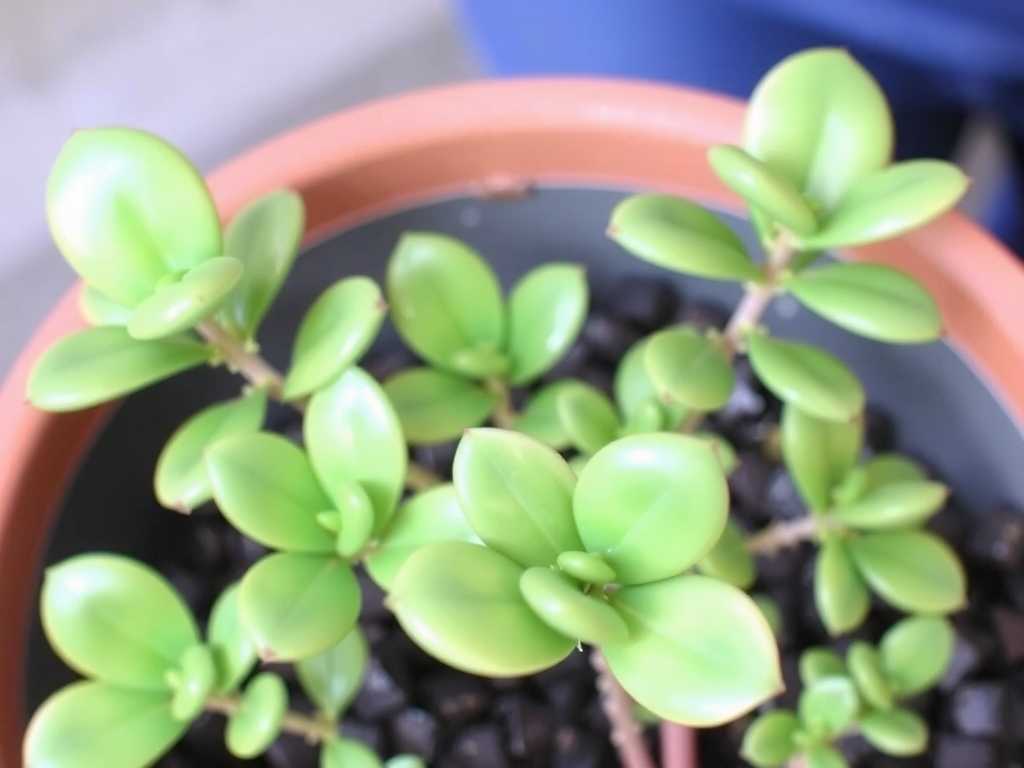
Before we fix the problem, we need to diagnose it. Sparse growth, or etiolation, is your jade plant’s cry for help. It’s stretching toward light, sacrificing leaf density for survival. The Royal Horticultural Society (RHS) clearly states that insufficient light is the primary cause of leggy growth in succulents like jade plants. But light isn’t the only culprit. Often, it’s a combination of factors: improper watering, a lack of essential nutrients, or a root system that’s either cramped or drowning. My own plant suffered from a classic case of “low light + overwatering love.” I thought I was helping, but I was actually encouraging weak, sparse growth.
Hack 1: The Sunlight Reboot – Quality Over Duration
The first and most critical step is addressing light. Jade plants crave bright, direct light for several hours a day.
My two-week experiment started here. I moved my jade from a north-facing window (a big mistake I didn’t realize) to a south-facing one. The change wasn’t instantaneous. For the first week, I noticed no new growth, but the existing leaves plumped up and developed a healthy reddish tinge on their edges—a sign of perfect sun stress. By the start of the second week, tiny, bright green nubs appeared at the stem tips and leaf nodes.
The pitfall I faced was sunburn. In my enthusiasm, I didn’t acclimate it gradually. A few older leaves got scorched. The fix? I moved it back slightly for three days, then slowly inched it closer to the full sun over the next week. If you don’t have a south window, a high-quality grow light is non-negotiable. I used a basic LED full-spectrum panel for 12 hours a day on another cutting, and the results in leaf cluster development were remarkably similar.
Hack 2: The Strategic “Snip & Shape” Pruning Method
Pruning is not just cosmetic; it’s a direct signal to your plant to grow bushier. Where you make one stem, two or more will emerge.
I was terrified to cut my already sparse plant. It felt counterintuitive. But armed with clean, sharp pruning shears, I identified the longest, leafless stems. Following the American Horticultural Society’s (AHA) guidance on pruning succulents, I made my cuts just above a leaf node (the small bump where a leaf meets the stem) or a pair of leaves. I didn’t go overboard—just 3-4 main leggy stems.
The waiting game began. For the first 5-7 days, nothing happened. Then, almost overnight, two, sometimes three, new growth points swelled near each cut. By the end of the two weeks, these points had developed into proper small shoots with nascent leaves. This hack directly tackles how to make jade plant bushy and is the fastest visual fix for density. Remember, you can propagate the cuttings! Let them callous for a few days, then plant them in the same pot to create instant fullness.
Hack 3: The Nutrient Boost – Less Is More
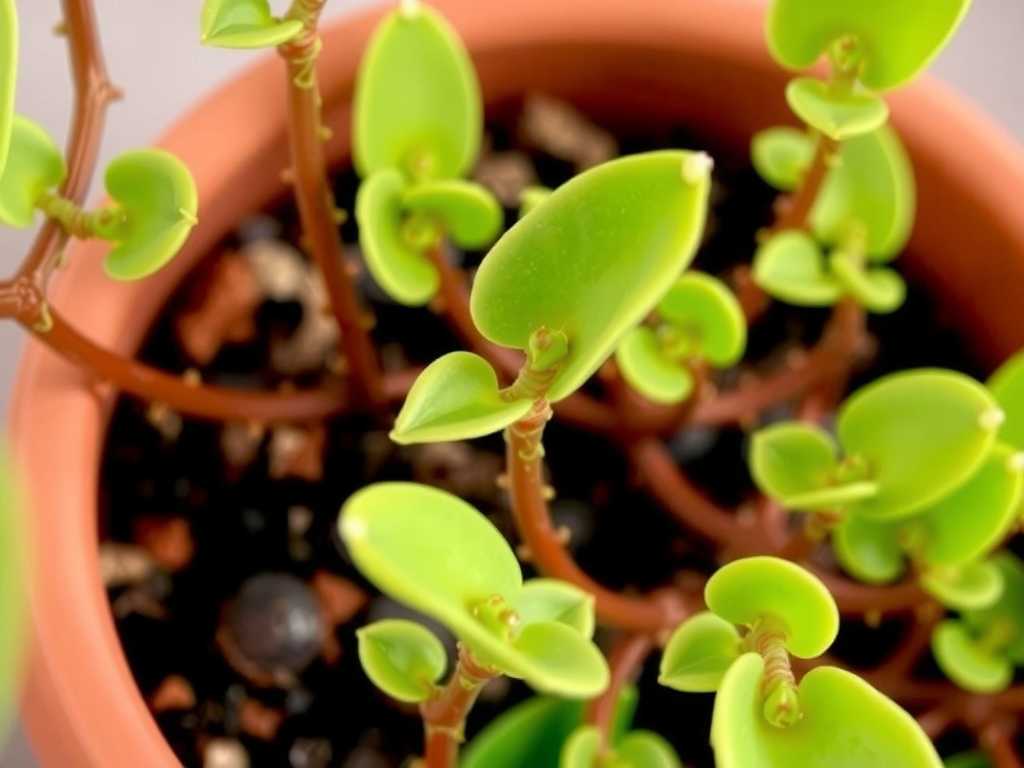
A starving jade plant can’t produce lush foliage. But over-fertilizing is a surefire way to burn roots and cause more problems.
I used a balanced, water-soluble fertilizer (with an equal N-P-K ratio like 10-10-10) but diluted it to half the recommended strength. I applied this only once, at the beginning of my two-week observation period, during a regular watering session. The key is to fertilize only during the active growing seasons (spring and summer). Feeding a dormant plant in winter is one of the silent causes of poor growth.
The effect of this single feeding was subtle but crucial. Combined with better light, the new growth from the pruning points emerged stronger and faster. The leaves were a richer green. My prior mistake was using a high-nitrogen blend, which promoted soft, weak growth that was prone to stretching. Switching to a balanced formula supported overall sturdy development.
Hack 4: The Root Zone Revival – Water & Soil Synergy
Watering is where most jade plant parents stumble, myself included. Sparse foliage can mean thirsty roots or, more commonly, suffocated ones.
I implemented the “soak and dry” method religiously. I didn’t water on a schedule. Instead, I waited until the soil was completely dry all the way to the bottom of the pot (a moisture meter was my best friend here). Then, I watered thoroughly until it ran out the drainage holes. This cycle encourages strong, deep roots that can support dense top growth.
I also checked the soil composition. My plant was in dense, moisture-retentive potting mix. I repotted it into a gritty, well-draining cactus and succulent mix. The difference in root health was palpable. Within two weeks, the plant just looked more stable and vigorous. The old, soggy soil was stifling its potential. Proper jade plant leaf growth care starts underground.
Hack 5: The Environmental Fine-Tune – Stability is Key
Jade plants thrive on consistency. Dramatic temperature swings or very low humidity can stress the plant, slowing growth.
I ensured my plant was away from drafty windows at night and not touching a cold pane. I also placed a small humidity tray (a shallow tray with water and pebbles) near it, not directly under, to gently raise the ambient moisture. While jades don’t need tropical humidity, average home air can be very dry. This small step helped the new, tender leaves from the pruning hack to develop without drying out at the tips.
Observing my plant over 14 days, the most growth occurred when all these factors—stable warm temperature, consistent bright light, and higher humidity—were in sync. It’s the final piece of the puzzle for promoting dense jade plant foliage.
My Two-Week Transformation Journey
On Day 1, my jade was leggy, with wide gaps between leaf sets. The lower leaves were slightly wrinkled. I executed hacks 1 (light move), 2 (pruning), 3 (single fertilizer dose), and 4 (repotting and correct watering) immediately.
By Day 7, the signs were promising: red leaf edges from good light, plump lower leaves from proper watering, and small bumps at pruning sites.
On Day 14, the transformation was undeniable. Multiple new shoots, each bearing 2-4 new leaves, had emerged from every cut point. The overall plant looked denser, greener, and more vibrant. The path to a lush plant was clearly set.
My jade plant isn’t growing any new leaves at all. What should I do? First, assess the light. This is almost always the issue. Then, check the season. Jade plants often rest in winter. Ensure you’re not overwatering, as cold, wet soil completely halts growth. A slight stress from being slightly root-bound can sometimes trigger growth, but chronic lack of growth usually points to insufficient light or energy.
Can I just use fertilizer to make my jade plant fuller? No, fertilizer is a supplement, not a solution. Without adequate light, fertilizer will do little or might even cause weak, spindly growth. Think of light as the main course and fertilizer as the vitamins. You need the main course to build a strong body. The strategic pruning hack, combined with good light, is far more effective for creating fullness.
How often should I prune a jade plant for maximum bushiness? Prune strategically, not frequently. After a major pruning session like the one described, allow the plant several months to put out and mature its new growth. You can then do light, pinching-style pruning on the new shoots to encourage further branching. The best time for major pruning is at the start of the active growing season in spring, giving the plant the whole season to recover and flourish.
Seeing your jade plant transform from sparse and struggling to thick and thriving is incredibly rewarding. It requires a shift from reactive care to proactive, understanding its native needs. Bright light, strategic pruning, mindful feeding, perfect watering, and a stable environment—these five hacks work in concert. Start with light and pruning, as they yield the most visual impact. Be patient, observe your plant’s responses, and adjust. Your lush, leafy jade plant is not just a hope; it’s the inevitable result of applying these simple, proven steps.





