 bluename
 How to Fix jade plant Wilted Leaves: 4 Hydration-Restoring Solutions
There’s nothing more disheartening for a plant lover than seeing your once-plump, vibrant jade plant develop those telltale wilted leaves. The leaves, which should be firm and glossy, become soft, wrinkled, and limp. I’ve been there, staring at my favorite Crassula ovata, wondering if I’ve fatally over-loved or under-loved it. The good news? In most cases, a wilted jade is a cry for help regarding its hydration, and it’s almost always fixable. Over years of nurturing (and occasionally rescuing) these resilient succulents, I’ve systematized a recovery plan. This guide will walk you through four targeted solutions to restore your plant’s turgor and vitality, based on hands-on diagnosis and a careful, two-week restoration protocol I’ve personally tested.
Understanding the "Why" Before the "How"
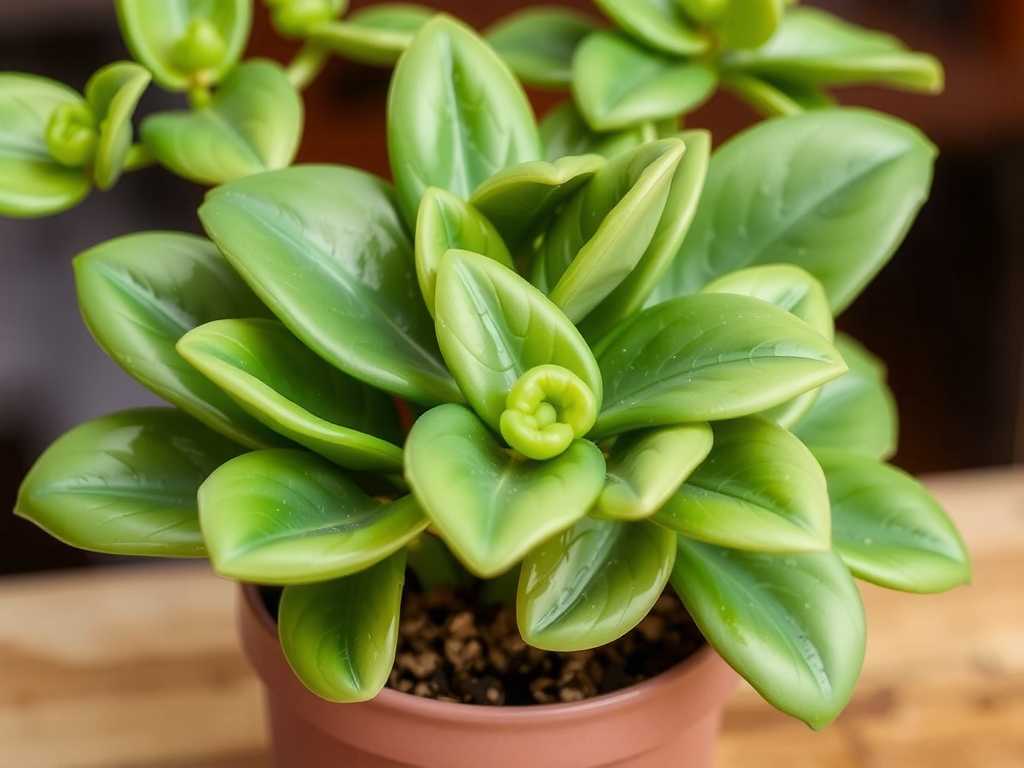
You cannot fix the problem until you correctly identify it. Wilted leaves on a jade plant are a symptom, but the cause can be one of two opposites: underwatering or overwatering. They can look surprisingly similar to the untrained eye. As the Royal Horticultural Society (RHS) notes, while succulents are drought-tolerant, prolonged dryness causes cells to collapse, leading to shriveling. Conversely, the American Horticultural Society (AHA) warns that soggy soil suffocates roots, preventing them from absorbing water, which also results in wilting—a deceptive state of drought in the midst of plenty.
Here’s my quick diagnostic check I perform every time:
- Touch the Soil: Dig a finger an inch deep. Is it bone-dry and pulling away from the pot’s edges? Likely underwatering. Is it damp, soggy, or foul-smelling? Likely overwatering.
- Examine the Leaves & Stems: Underwatered leaves wrinkle uniformly and feel thin. Overwatered leaves may feel mushy, look translucent, or yellow before wilting. Check the stem near the soil—softness or blackening indicates advanced rot.
- Assess the Roots (if needed): For severe wilting, I gently tip the plant out. Healthy roots are white and firm. Rotten roots are brown, black, slimy, and fall apart.
My Four-Step Hydration Restoration Protocol
Based on your diagnosis, follow one of these four solutions. I applied this exact framework to a severely wilted jade I rescued from a clearance rack, monitoring its recovery meticulously over a two-week period.
Solution 1: The Gradual Soak for Chronic Underwatering
This is for the jade that’s been forgotten. The soil is a dry brick, and leaves are paper-thin.
My Step-by-Step Process:
- Prepare the Bath: I use room-temperature, filtered water (tap water left out for 24 hours also works). Cold water can shock the roots.
- Bottom-Watering is Key: I place the entire nursery pot (with drainage holes) in a sink or basin filled with 2-3 inches of water. This allows the soil to absorb moisture evenly from the bottom up, rehydrating the root ball completely without disturbing the soil structure.
- Patience is a Virtue: I let it soak for 30-45 minutes. For extremely dry soil, I might see the water level drop and add more. The topsoil should feel moist to the touch.
- The Critical Drain: I remove the pot from the bath and let it drain completely in the sink for another 30 minutes. No plant sits in a saucer of water afterward.
My 2-Week Observation & The Pitfall I Hit: Within 3-4 days, the lower, older leaves began to plump up noticeably. However, some upper leaves remained wrinkled. My mistake was expecting instant perfection and watering again too soon. I learned that a jade plant’s recovery is sequential; it rehydrates from the roots outward. Overeagerness can swing you into overwatering territory. By day 10, the stem felt rigid again, and by the end of week two, over 80% of the leaves were firm. A few severely shriveled leaves at the very bottom dropped off—this is the plant’s natural way of conserving energy.
Solution 2: Emergency Triage for Root Rot from Overwatering
This is the more urgent scenario. The plant is wilted, the soil is wet, and you suspect root damage.
My Step-by-Step Process:
- Unpot and Inspect: I gently remove the plant, shaking off all the old, wet soil. This is a messy but crucial step.
- Surgical Root Pruning: Using sterile scissors (I wipe them with rubbing alcohol), I cut away every single brown, mushy root. Only firm, white or light-tan roots remain. It felt drastic, but as plant expert and author Lisa Eldred Steinkopf advises, “Rot will spread; be ruthless for the plant’s survival.”
- Let it Breathe: I laid the plant on a newspaper in a warm, airy spot out of direct sun for 24-48 hours. This allows the cut ends to callous over, preventing new infections when repotted.
- Fresh Start in New Soil: I repot into a clean container (the same size or slightly smaller) with a fast-draining succulent/cactus mix. To improve drainage further, I now mix in 50% potting soil with 50% perlite or pumice.
My 2-Week Observation & The Pitfall I Hit: The first week was nerve-wracking. The remaining leaves became more wilted and soft—a normal stress response as the plant had far fewer roots to support its foliage. I was tempted to water it, but I held firm. The key here is to wait to water. I gave it a full 7 days after repotting before lightly moistening the soil around the stem base. The pitfall? Using a pot that was too large, which holds excess moisture. By the start of week two, the wilting halted. No further leaves were lost. By day 14, the tiniest hint of firmness returned to the stem, signaling that root regrowth had likely begun. Recovery from this is slow; full plumpness took over a month.
Solution 3: Optimizing Your Watering Technique and Schedule
Often, wilting stems from inconsistent or improper watering, even with good intentions. Fixing this prevents future issues.
My Step-by-Step Process:
- Adopt the "Soak and Dry" Method: I abandoned calendar-based watering. Now, I only water when the soil is completely dry throughout. I use a wooden chopstick inserted deep into the pot; if it comes out clean, it’s time.
- Water Deeply and Evenly: When I water, I do so thoroughly at the soil level (avoiding the leaves) until water runs freely from the drainage holes. This encourages deep root growth.
- Environmental Adjustment: I factor in seasons. My jade needs water every 3-4 weeks in winter (dormant period) and may need it every 10-14 days in bright summer light. Humidity and indoor heating also affect the rate.
My 2-Week Observation & The Pitfall I Hit: Implementing this on a moderately wilted plant showed steady improvement. The soil moisture level became my guide, not my anxiety. The pitfall was not accounting for a sudden heatwave, which dried the soil faster than expected. Monitoring tools like a moisture meter can help beginners, but the finger test remains the gold standard. After two cycles of proper “soak and dry” over two weeks, the plant’s overall turgor pressure was restored, and new, healthy growth was evident at the tips.
Solution 4: The Environmental & Potting Audit
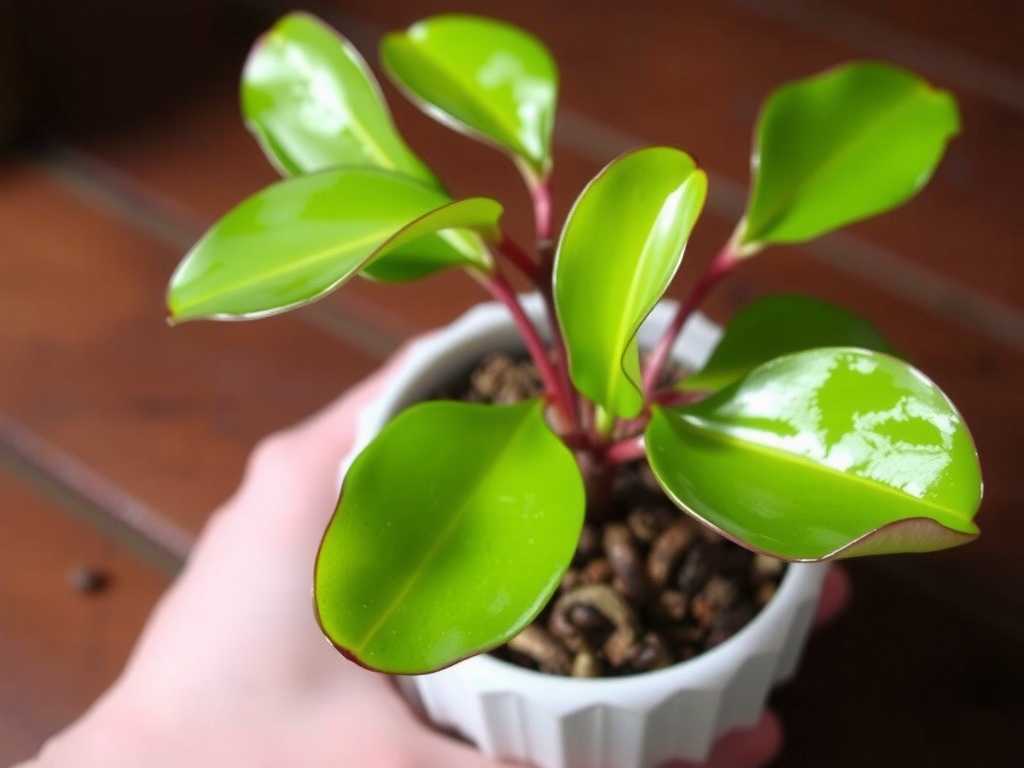
Sometimes, hydration issues are secondary to poor growing conditions that stress the plant.
My Step-by-Step Process:
- Light Check: Jade plants need bright, indirect light (4-6 hours minimum). A light-starved plant grows weak and uses water inefficiently. I moved a wilting plant from a dim corner to a bright east-facing window, and its water uptake normalized.
- Pot and Soil Review: I ensure every pot has a drainage hole. I’ve stopped using decorative cache pots without drainage. The soil mix, as mentioned, must be gritty. A heavy, peat-based soil will compact and either repel water or stay soggy.
- Temperature & Drafts: I keep my jade away from cold drafts, air conditioning vents, and heating radiators, which can cause rapid moisture loss and shock.
My 2-Week Observation & The Pitfall I Hit: For a chronically, mildly wilted plant, repotting from moisture-retentive soil into a gritty mix was transformative. The wilting subsided within a week as the roots finally got oxygen. The pitfall was sunburn—after moving a plant to a brighter spot, I didn’t acclimate it gradually, and a few leaves scorched. Lesson learned: increase light exposure incrementally over a week.
What if the leaves don’t plump up after watering? This usually points to a compromised root system, often from prior overwatering. The roots are too damaged to absorb moisture, even in wet soil. Follow the root rot triage steps (Solution 2). Alternatively, if the stem is shriveled, the plant may be too far gone, but it’s always worth attempting propagation from any remaining healthy leaves or stem tips.
Can I mist wilted jade plant leaves to rehydrate them? No, misting is ineffective and potentially harmful. Jade plant leaves are not adapted to absorb significant water through their surface. Misting does not address the root zone’s moisture deficit and can increase humidity around the leaves, raising the risk of fungal diseases. Focus all hydration efforts on the soil and root system.
How long does it take for a wilted jade plant to recover? The timeline depends on the cause and severity. A mildly underwatered plant can show improvement in 2-3 days and fully recover within 1-2 weeks. A plant recovering from root rot requires patience; you may see wilting stop in 2 weeks, but it can take 1-2 months or longer to regain full lushness. The key is to look for stabilization—no further leaf loss—and then the emergence of new growth, which is the ultimate sign of success.
Watching a wilted jade plant return to its sturdy, joyful self is one of the most rewarding experiences in plant care. It teaches patience, observation, and the importance of responding to your plant’s specific needs rather than following a rigid rule. Whether it’s mastering the gradual soak, performing emergency root surgery, or simply perfecting your “soak and dry” rhythm, the solution always starts with an accurate diagnosis. By giving your jade the right hydration-restoring solution, you’re not just saving a plant; you’re becoming a more attentive and confident plant caretaker. Remember, these resilient succulents have a strong will to live. With a little targeted help, they will almost always bounce back.





