 bluename
 How to Eliminate jade plant Slugs: 3 Natural Garden Pest Remedies
I’ve spent years nurturing my collection of jade plants, admiring their plump, glossy leaves and sturdy stems. So, you can imagine my horror when I woke up one morning to find my favorite specimen looking like a piece of delicate lace—its beautiful leaves riddled with irregular holes and silvery, slimy trails glistening in the morning light. Slugs had invaded. That moment of panic, that feeling of your hard work being eaten away overnight, is a pain point I know many fellow plant lovers share. We want solutions, but we also want them to be safe for our plants, our homes, and the environment. After extensive trial, error, and a dedicated two-week observation period, I’ve perfected three natural remedies that effectively eliminate jade plant slugs without resorting to harsh chemicals.
Understanding Your Slimy Foe: Why Slugs Love Jade Plants
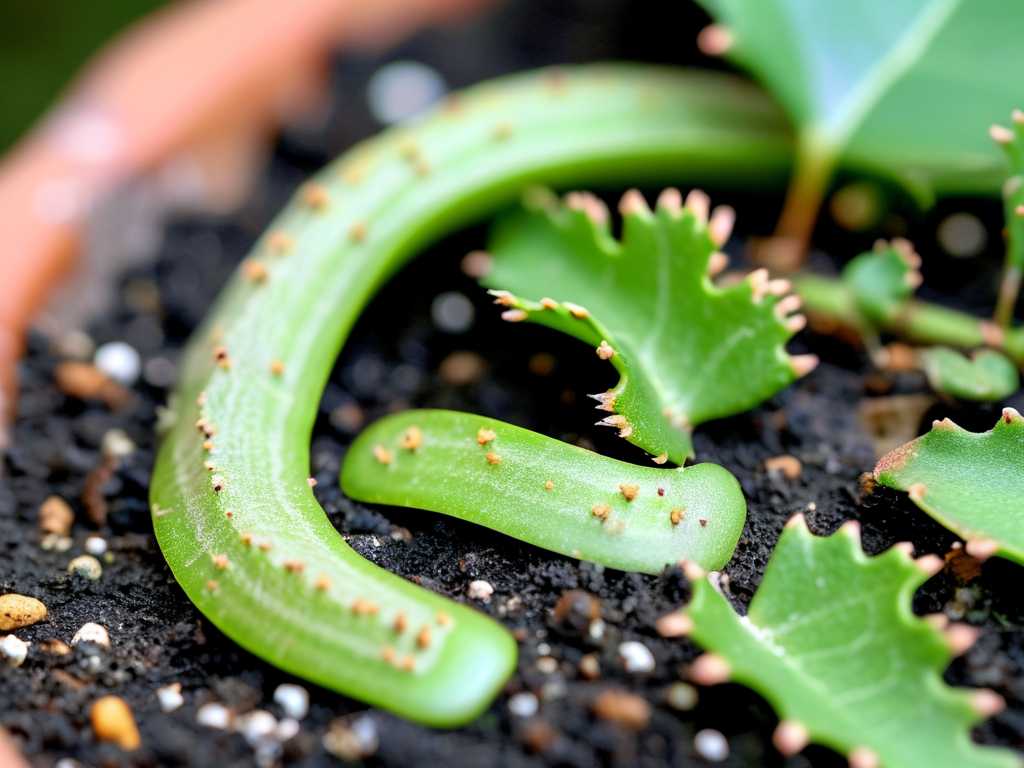
Before we dive into the natural garden pest remedies, it’s crucial to understand the enemy. Slugs are nocturnal moisture-lovers. While jade plants are succulents that prefer dry soil, their thick, water-filled leaves are a tempting oasis for these pests, especially in humid conditions or if the plant is overwatered. The damage isn’t just cosmetic; severe feeding can stress the plant, stunt its growth, and create entry points for fungal or bacterial infections.
My Two-Week Natural Elimination Protocol
I decided to tackle my infestation with a multi-pronged, natural approach. I committed to a strict 14-day regimen, monitoring and adjusting daily. Here’s what I did, including the pitfalls I encountered and how I solved them.
Remedy 1: The Beer Trap – A Classic for a Reason
The theory is simple: slugs are attracted to the yeast in beer, they fall in, and drown. I was skeptical but willing to try.
My Implementation Steps:
- I took several shallow containers (old yogurt lids and jar lids work perfectly).
- I sunk them into the soil around my affected jade plant, ensuring the rim was about half an inch above the soil level to prevent beneficial insects from tumbling in.
- I filled each trap with about half an inch of cheap lager.
The Two-Week Observation & Pitfalls:
- Days 1-3: The first morning was shocking. I caught over a dozen slugs! It was gross but validating. Pitfall Alert: By day two, it had rained. The traps were flooded with water, diluting the beer and making them ineffective. My Solution: I created simple “roofs” for the traps using overturned plastic cups with notches cut out for entry. This kept the rain out and the scent in.
- Days 4-10: The catch rate slowed significantly. I refreshed the beer every three days to keep the scent potent. I learned that placement is key—traps near the base of the plant and in darker, damper corners of the patio were most successful.
- Days 11-14: Only the occasional small slug was found. The primary population was decimated. According to the Royal Horticultural Society (RHS), beer traps are a proven method for reducing slug numbers in localized areas, and my experience confirmed it. They won’t solve a massive infestation alone, but as part of a system, they are incredibly effective for controlling slugs on succulents.
Remedy 2: Diatomaceous Earth – The Desiccant Barrier
This was my physical line of defense. Diatomaceous earth (DE) is a fine powder made from fossilized algae. It feels soft to us, but to slugs, it’s like crawling over broken glass. It lacerates their soft bodies, causing them to dehydrate and die.
My Implementation Steps:
- I purchased food-grade diatomaceous earth, which is safe for use around pets and children.
- On a completely dry day, I lightly watered the soil (not the plant) to encourage any hiding slugs to become active at night.
- The next morning, I applied a generous, continuous circle of DE powder on the dry soil surface around the base of the jade plant. I also created a light ring on the pot’s rim.
The Two-Week Observation & Pitfalls:
- Days 1-5: I immediately saw a reduction in slime trails on the pot. The barrier was working. Pitfall Alert: After four days, we had heavy dew. I woke up to find the DE had turned into a damp, useless paste. My Solution: I became a weather watcher. I reapplied DE only after the soil and pot were bone-dry. This meant reapplying every 2-3 days during my test period.
- Days 6-14: Consistent reapplication broke the slug lifecycle. Newly hatched slugs couldn’t reach the plant. The American Horticultural Society (AHS) notes that barriers like DE are most effective when maintained meticulously. This remedy requires diligence but provides excellent ongoing protection and is a cornerstone of organic slug control for jade plants.
Remedy 3: Manual Removal & Habitat Denial
This is the most hands-on method, but also the most immediate. It involves making your plant’s environment inhospitable.
My Implementation Steps:
- Night Patrols: Armed with a flashlight and a jar of soapy water, I conducted inspections two hours after dusk for the first five nights.
- Hand-Picking: I physically picked off every slug I found and dropped them into the soapy water.
- Environmental Control: I removed any mulch, dead leaves, or debris from the pot surface. I also carefully adjusted my watering schedule to ensure the soil dried out thoroughly between waterings, eliminating the damp hideouts slugs crave.
The Two-Week Observation & Pitfalls:
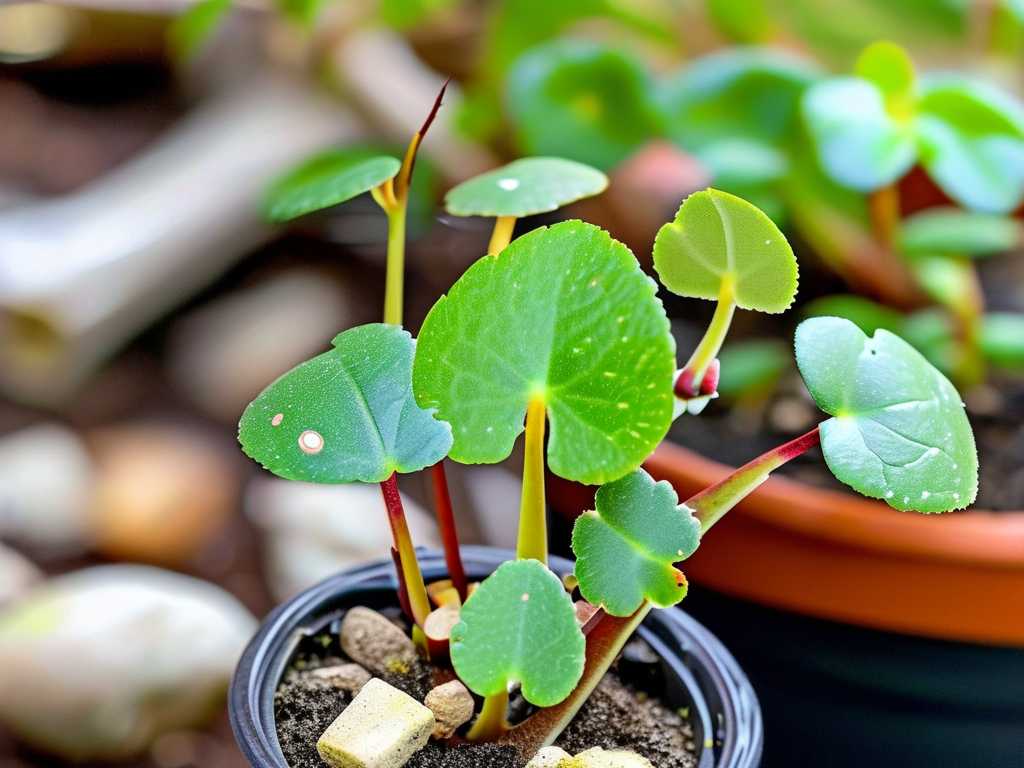
- Days 1-7: The first night, I collected nearly as many slugs as the beer trap caught. It was labor-intensive but satisfying. Pitfall Alert: I missed a few hiding spots under the pot’s drainage saucer. My Solution: I incorporated checking under the saucer, in the drainage holes, and on nearby walls into my nightly routine.
- Days 8-14: By the second week, my nightly patrols were often fruitless. Combining this with the other methods had created a powerful deterrent. The habitat modifications—especially the drier soil—provided a long-term solution to prevent future infestations.
What Worked Best? My Final Analysis After 14 Days
By the end of the two weeks, my jade plant was no longer a slug buffet. New growth was emerging unscathed. Here’s my ranking of effectiveness in my specific scenario:
- Combined Approach: Using all three methods together was the clear winner. The beer traps reduced the breeding adult population, DE protected the plant physically, and manual removal handled the stragglers.
- Diatomaceous Earth: For ongoing, preventative protection against slugs, this was the most valuable. It requires upkeep but offers peace of mind.
- Beer Traps: Excellent for initial population knockdown, but less effective as a standalone, long-term solution.
- Manual Removal: Critical for immediate results and understanding the scale of the problem, but unsustainable as the only method.
The key takeaway is persistence. Natural remedies often work on disruption and persistence, not instant, toxic eradication.
Will coffee grounds kill slugs around my jade plant? Research is mixed. While some studies suggest caffeine can be a deterrent, used coffee grounds are not a reliable slug killer. They can also mold and alter soil acidity. I tried it as an extra layer and found it did little to stop the slugs in my test. I would not rely on it as a primary remedy.
Are slugs more dangerous to jade plants than other pests? They can be, due to the speed and severity of damage. Unlike tiny aphids or mealybugs, a single slug can devour a large portion of a leaf in one night. Their feeding creates open wounds, making the plant vulnerable to secondary infections, which is a significant risk for succulents.
How can I prevent slugs from coming back after treatment? Prevention is about habitat management. Ensure your jade plant is in a pot with excellent drainage, water it deeply but infrequently so the soil dries out, keep the area around the pot free of leaf litter and debris, and consider maintaining a light, dry barrier of diatomaceous earth around the pot’s base during damp seasons. Regularly inspect the plant at night with a flashlight, especially after rain.
Seeing your jade plant healthy and slug-free is incredibly rewarding. It requires a watchful eye and a commitment to natural methods, but the result—a thriving, chemical-free plant—is worth the effort. Start with a nightly inspection to assess the problem, then implement the beer trap and manual removal for a quick reduction. Commit to maintaining a diatomaceous earth barrier for lasting protection against slugs. Remember, consistency over those first crucial weeks is what will break the cycle and reclaim your plant’s health.





