bluename
 How to Save Your jade plant from Sunburn: 4 Recovery Steps That Actually Work
I’ve been there. You move your beloved jade plant to a sunnier spot, dreaming of lush, red-tipped growth, only to find ugly brown or white scorch marks on its leaves a few days later. That sinking feeling is all too familiar. Sunburn on a jade plant isn’t just cosmetic; it’s a sign of real cellular damage. As a long-time succulent enthusiast, I’ve made this mistake more than once. But through trial, error, and careful observation, I’ve developed a reliable, step-by-step recovery process. This guide isn’t just theory; it’s the exact method I used to nurse my own sunburned jade back to health over a critical two-week period.
Understanding Jade Plant Sunburn: More Than Just a Tan
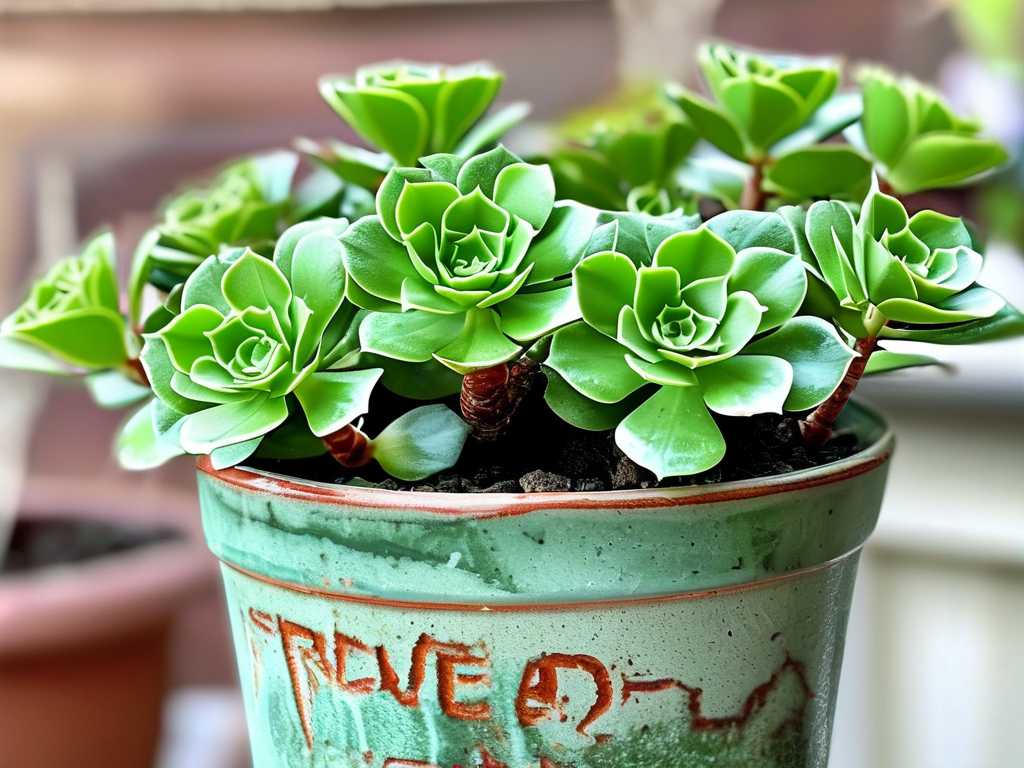
First, let’s clarify what we’re dealing with. Jade plants (Crassula ovata) love bright light, but they need time to acclimate. Direct, intense afternoon sun—especially through a window—can overwhelm their tissues. According to the Royal Horticultural Society (RHS), sunscald occurs when plant cells are literally cooked, leading to permanent scarring. The damaged leaves won’t revert to green; they are essentially dead tissue. Our goal, therefore, isn’t to “heal” the burnt leaves but to save the rest of the plant and promote healthy new growth.
My 4-Step Recovery Protocol: A Two-Week Rescue Mission
I initiated this protocol immediately after discovering the damage on my mature jade. The entire active recovery phase took about 14 days, with ongoing care adjustments afterward.
Step 1: The Immediate Relocation and Assessment
Action is crucial. The moment I saw the crispy, discolored patches, I moved the plant. I chose a location with bright, indirect light—an east-facing windowsill was perfect. This provides ample luminosity without the harsh, direct rays that caused the problem. The American Horticultural Society (AHS) emphasizes that stressed plants are more vulnerable to secondary issues, so a gentle environment is key.
Here’s the assessment I did: I gently examined every stem and leaf. I looked for leaves that were over 50% damaged, completely shriveled, or soft/mushy (which could indicate rot setting in). This initial triage helps you understand the severity. My plant had about a dozen leaves with significant scorch marks, primarily on the top and southwest-facing side.
Step 2: The Delicate Art of Pruning Damaged Foliage
This step feels scary but is necessary for plant health and aesthetics. You should remove sunburned leaves carefully. I used a pair of sterilized, sharp precision pruners. For leaves that were partially damaged, I made a clean cut through the petiole (leaf stem) close to the main branch. For leaves that were entirely burnt and attached directly to the stem, I left them be initially—pulling them off can create open wounds. They often dry up and fall off on their own later.
The Mistake I Made: In my anxiety, I tried to peel off a slightly burnt leaf and accidentally stripped a piece of bark from the stem. This created an unnecessary entry point for disease. The Solution: Patience. If it doesn’t snap off cleanly with gentle pressure, leave it. Focus only on the clearly doomed foliage.
Step 3: Optimizing Water and Soil for Stress Recovery
Watering is where most people, including my past self, go wrong. A sunburned plant is under hydrological stress. Its damaged leaves lose water more efficiently, yet its root system might be shocked. The goal is to support, not overwhelm.
I checked the soil moisture deeply. It was bone dry. I gave the plant a thorough, deep watering until it drained freely from the bottom, ensuring the entire root ball was moistened. Then, I let the soil dry out almost completely before even thinking about watering again. I stuck my finger two inches into the soil to check. Over the next two weeks, I only watered once more. The Royal Horticultural Society advises that overwatering a stressed succulent is a faster killer than the initial sunburn.
Step 4: Patience, Observation, and the Long-Term Acclimation Plan
This is the most critical step. For 14 days, I simply observed. I resisted the urge to move it, over-fertilize (I used no fertilizer at all), or repot it. The plant’s job was to stabilize. By day 7, I noticed the remaining healthy leaves had firmed up and lost any slight wrinkling they had. No new scorch marks appeared. By day 14, tiny new growth nodes were visible at the tips of the stems—a sure sign the plant had redirected its energy to recovery.
Once the plant was stable, I began a very gradual acclimation to sunlight. I started giving it one hour of gentle morning sun, then increased it by 30 minutes every 3-4 days. This slow process, often called “hardening off,” allows the plant to build protective pigments and adapt without further injury.
Why This Recovery Process Works: The Science Behind the Steps
This method aligns perfectly with plant physiology. Relocation halts further damage. Pruning removes non-functional tissue, so the plant stops wasting resources on it. Proper watering prevents root rot, the silent killer that often follows environmental stress. The observation period allows the plant’s internal systems to reset. Experts from botanic gardens consistently stress that after a stress event, the best medicine is often a period of stable, uneventful care.
Common Questions About Jade Plant Sun Damage
Will the sunburned leaves turn green again? No, they will not. The damaged cells are permanently scarred. The leaves may dry out and fall off, or you may choose to remove them as I did. The plant’s recovery is shown through new, healthy growth.
Should I use a fertilizer to help it recover faster? Absolutely not during the initial recovery phase. Fertilizing a stressed plant can “burn” the roots and force new, weak growth. Wait at least a full month, or until you see robust new growth, before resuming a diluted, balanced feeding schedule.
Can a severely sunburned jade plant be saved? In most cases, yes, if the stems are still firm and green. Even if all leaves are lost, a jade can often regenerate from its stems and branches. Follow the steps above, focus on stem health, and have patience. It may take many months, but these plants are remarkably resilient.
Seeing those first new, perfectly green leaves emerge after a sunburn scare is incredibly rewarding. It’s a lesson in reading your plant’s signals and responding with calm, informed care. Remember, recovery is a marathon, not a sprint. By providing a stable environment, resisting the urge to over-care, and allowing time for natural healing, you give your jade plant the best possible chance to not just survive, but to thrive once again.