 bluename
 How to Fix jade plant Leaf Yellowing from Nutrient Deficiency: 5 Fixes
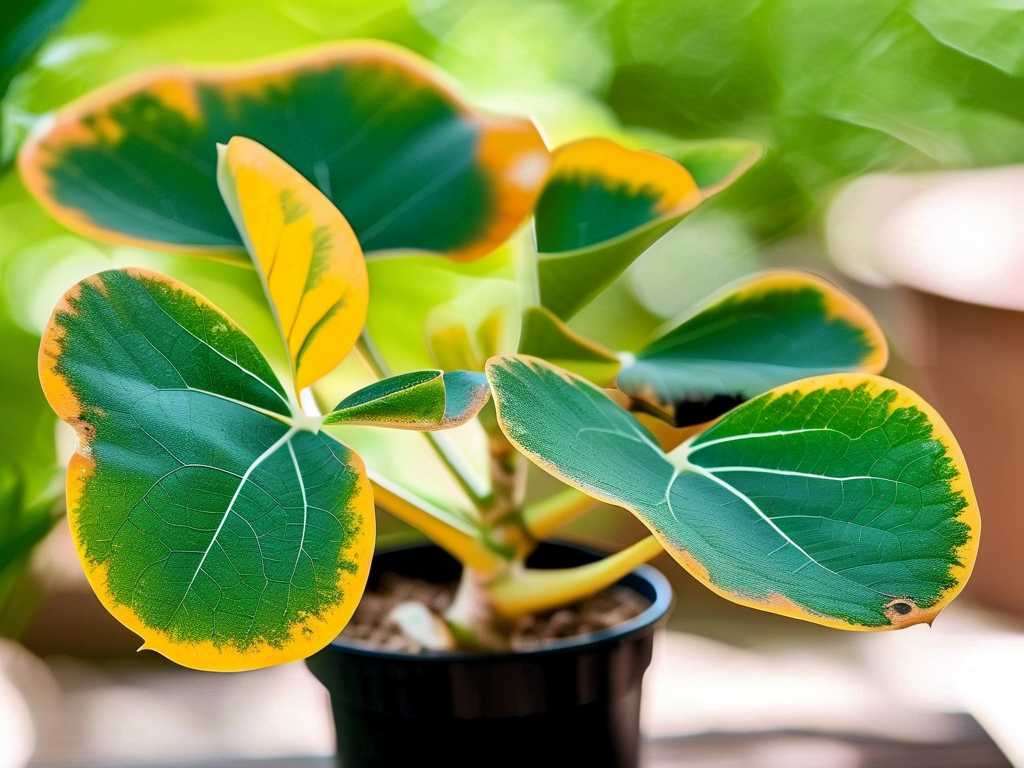
I’ve been there. You walk past your beloved jade plant, a symbol of prosperity and resilience, and your heart sinks. Those plump, emerald-green leaves are now sporting patches of pale yellow, starting at the edges or maybe right in the center. It’s a silent cry for help. After years of nurturing these succulents and, yes, making my fair share of mistakes, I’ve learned that leaf yellowing is often a direct signal of nutrient deficiency. It’s not just about watering less; it’s about feeding right. In this guide, I’ll walk you through the exact, step-by-step fixes I used to diagnose and cure nutrient-related yellowing in my own jade plant, based on a real two-week rescue mission.
Understanding the Root Cause: It’s Not Always Overwatering
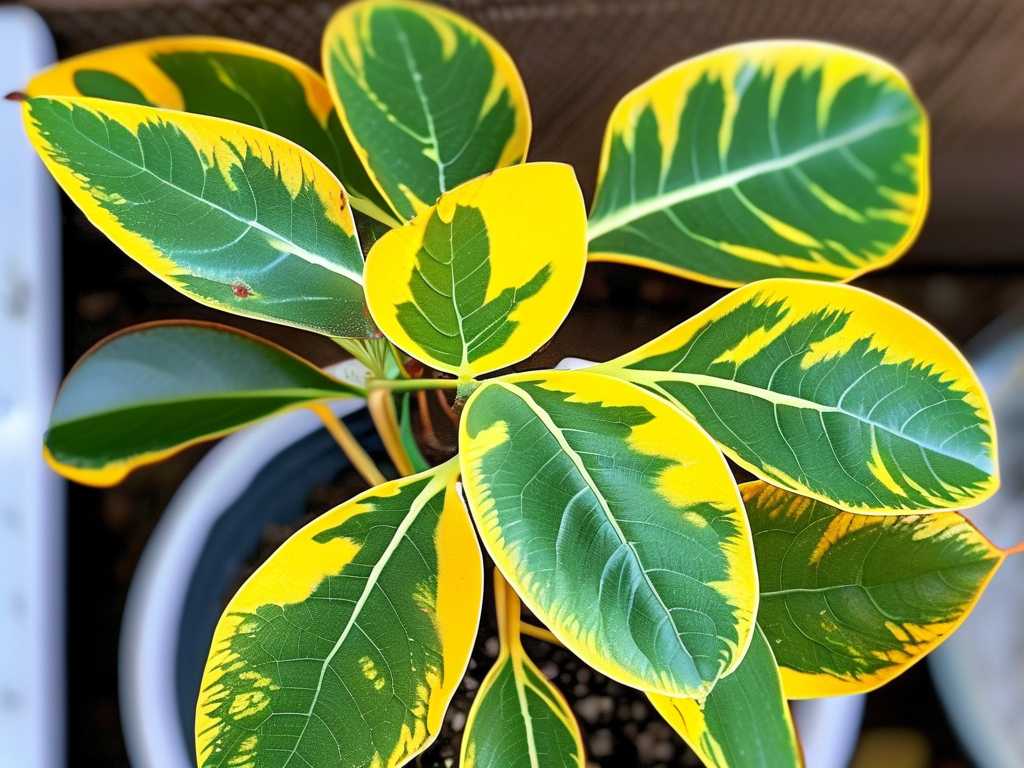
Most plant care guides immediately blame overwatering for yellow leaves—and they’re often correct. But when you’re sure your watering schedule is sound (letting the soil dry completely between drinks), the culprit shifts. Nutrient deficiency means your plant has exhausted the available food in its potting mix. Jade plants are light feeders, but they aren’t zero-feeders. According to the Royal Horticultural Society (RHS), symptoms like interveinal chlorosis (yellowing between the leaf veins) or uniform pale yellowing can point directly to lacks in key nutrients like nitrogen, iron, or magnesium. My plant showed a general, overall lightening of green, a classic sign it was hungry.
My 5-Step Diagnostic and Recovery Plan
I committed to a structured, two-week observation and treatment plan. The goal wasn’t just a quick fix, but a sustainable recovery.
Step 1: The Soil Flush – Resetting the Foundation
Before adding anything new, you must clear the slate. Salt buildup from tap water or old fertilizer can lock out nutrients, making them unavailable to roots, even if they’re present in the soil. This was my first “aha!” moment and a common pitfall many overlook.
- My Action: I took my jade plant to the sink. Using lukewarm, filtered water (to avoid shocking the roots), I slowly poured water through the soil for several minutes, allowing it to drain freely from the bottom. I repeated this four to five times. This process, known as leaching, flushes out excess mineral salts.
- The Pitfall & Fix: The main risk here is overwatering. To avoid this, I ensured the pot had excellent drainage and I completed the entire flush in one session, letting the plant drain thoroughly afterward. I then placed it in bright, indirect light with great airflow to help the soil dry appropriately.
- Week 1 Observation: Within 3 days, I noticed no further spread of yellowing. The existing yellow leaves didn’t recover (they rarely do), but the progression halted. This confirmed that a toxicity or lockout issue was likely present.
Step 2: Choosing the Right Fertilizer – Precision Nutrition
You can’t just use any fertilizer. A balanced, water-soluble formula designed for succulents or cacti is ideal. These are typically lower in nitrogen and include micronutrients. I specifically looked for one containing chelated iron and magnesium.
- My Action: I selected a liquid fertilizer with an N-P-K ratio of 2-7-7, which supports root and stem health without promoting the soft, weak growth that high-nitrogen formulas can cause in succulents.
- Expert Backing: The American Horticultural Society (AHS) emphasizes that “feeding should match plant needs.” For slow-growing jade plants, a half-strength dilution is always safer than full strength to prevent root burn.
- My Application: One week after the flush, when the soil was completely dry, I prepared the fertilizer at half the recommended strength. I watered my plant thoroughly with this solution, ensuring even saturation.
Step 3: The Iron and Magnesium Boost – Targeting Chlorosis
If your yellowing is between the veins, an iron deficiency is a prime suspect. For older leaves yellowing from the edges, magnesium may be needed. My plant had hints of both.
- My Action: Alongside the balanced fertilizer, I used an Epsom salt (magnesium sulfate) spray for a foliar boost. I dissolved one teaspoon of Epsom salts in a gallon of water and lightly misted the leaves in the early morning.
- Important Note: Foliar feeding is a supplement, not a replacement for soil nutrition. I did this only once during the two-week period to avoid leaf moisture issues.
- Week 2 Observation: This was the turning point. By day 10, the healthy green leaves looked more vibrant. The newest growth at the stem tips showed a deeper, richer green color. The yellow leaves remained, but the plant’s overall vigor improved visibly.
Step 4: Repotting for the Long Term (When Necessary)
If your jade hasn’t been repotted in years, the soil is likely depleted. Fresh soil provides a new reservoir of slow-release nutrients.
- My Situation: My plant was in the same pot for over three years. After the two-week recovery period, I planned its repotting.
- My Mix: I used a commercial cactus/succulent mix but amended it further with extra perlite for drainage and a small handful of worm castings for gentle, organic nutrition.
- The Result: Repotting into fresh, well-draining soil mix is the ultimate long-term fix for preventing nutrient deficiency. It gives your plant a fresh start and minimizes future dependency on liquid fertilizers.
Step 5: Consistency and Observation – The Key to Health
Recovery doesn’t end with one treatment. I established a consistent, minimalist feeding schedule.
- My Schedule: I now fertilize only during the active growing season (spring and summer), at half-strength, every 6-8 weeks. I never fertilize in fall or winter when the plant is dormant.
- Ongoing Care: I always water with filtered or rainwater when possible to prevent hard water salt buildup. I rotate the plant for even light exposure, which helps it utilize nutrients efficiently for photosynthesis.
Your Questions, Answered
Can yellow jade leaves turn green again? Unfortunately, no. Once a leaf loses its chlorophyll and turns yellow, it will not revert to green. The goal of treatment is to stop the progression and ensure all new growth emerges healthy and green. You can gently remove severely yellowed leaves once they are dry and crispy.
How often should I fertilize my jade plant to prevent yellowing? Less is more. For established plants, feeding at half-strength with a balanced succulent fertilizer 3-4 times during the growing season (March-September) is sufficient. Over-fertilization is more dangerous and can cause leaf drop and root damage.
What’s the difference between yellowing from overwatering and from nutrient deficiency? Overwatering typically causes leaves to become soft, mushy, and translucent yellow before they fall off. The yellowing often starts on lower leaves and is accompanied by wet soil. Nutrient deficiency yellowing is more gradual, often leaves the leaf firm, and can show specific patterns (like veining). The soil will be dry if watering habits are correct.
Watching my jade plant regain its lush, green vitality over those two weeks was incredibly rewarding. The process taught me that successful plant care is about thoughtful diagnosis, not just reaction. By flushing the soil, applying targeted, gentle nutrition, and committing to a consistent care routine, you transform from a worried plant owner into a confident plant nurturer. Your jade plant’s return to health is a testament to its resilience and your informed care. Start with the soil flush, nourish with patience, and enjoy the deep, prosperous green that returns to your plant’s leaves.





