 bluename
 How to Eliminate jade plant Caterpillars: 3 Natural Pest-Removal Remedies
There’s a special kind of heartbreak that comes from finding your beloved, glossy-leaved jade plant riddled with holes. You’ve nurtured it for years, only to discover tiny, hungry caterpillars methodically turning its succulent flesh into their personal buffet. If you’re searching for how to eliminate jade plant caterpillars, you’ve likely felt that mix of panic and determination. I know I have. As a long-time plant enthusiast, I’ve faced this exact invasion. Chemical sprays felt like overkill for my indoor sanctuary, so I embarked on a mission to find natural pest-removal remedies that were tough on pests but gentle on my plant and home.
This guide is the result of my hands-on, two-week battle against these leaf-munchers. I’ll walk you through the three most effective, natural solutions I personally tested, detailing every step, the results I observed, and the very real mistakes I made along the way. My goal is to save you time and your jade plant’s lush beauty using methods you can feel good about.
Identifying the Culprit: Is It Really a Caterpillar?
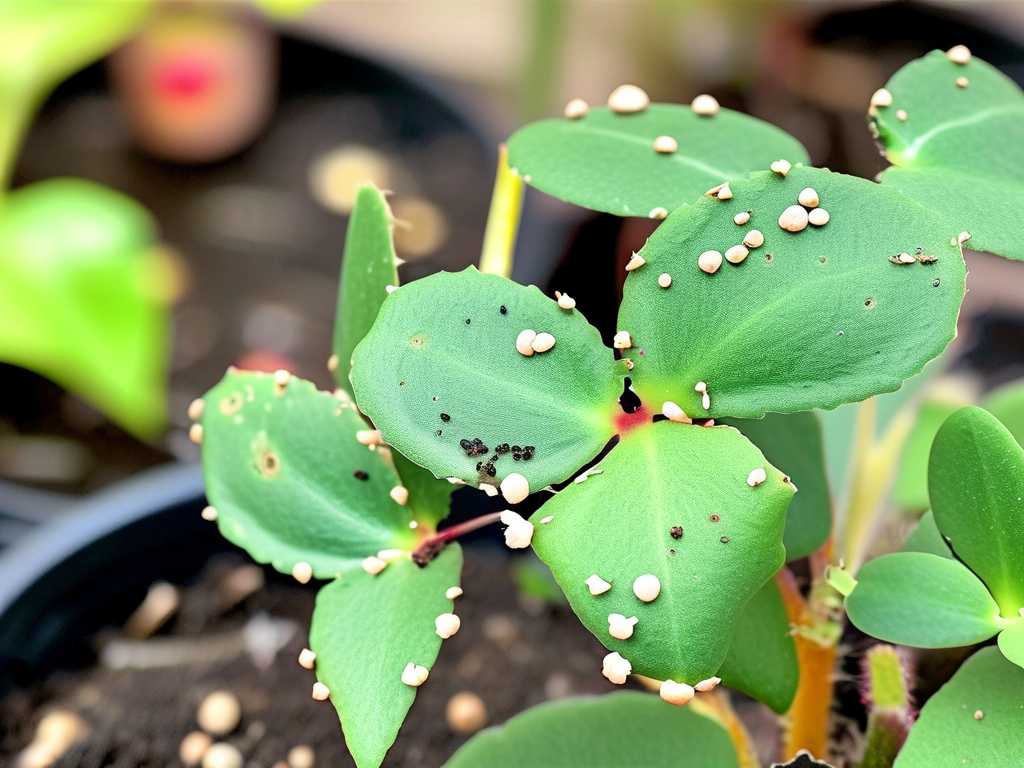
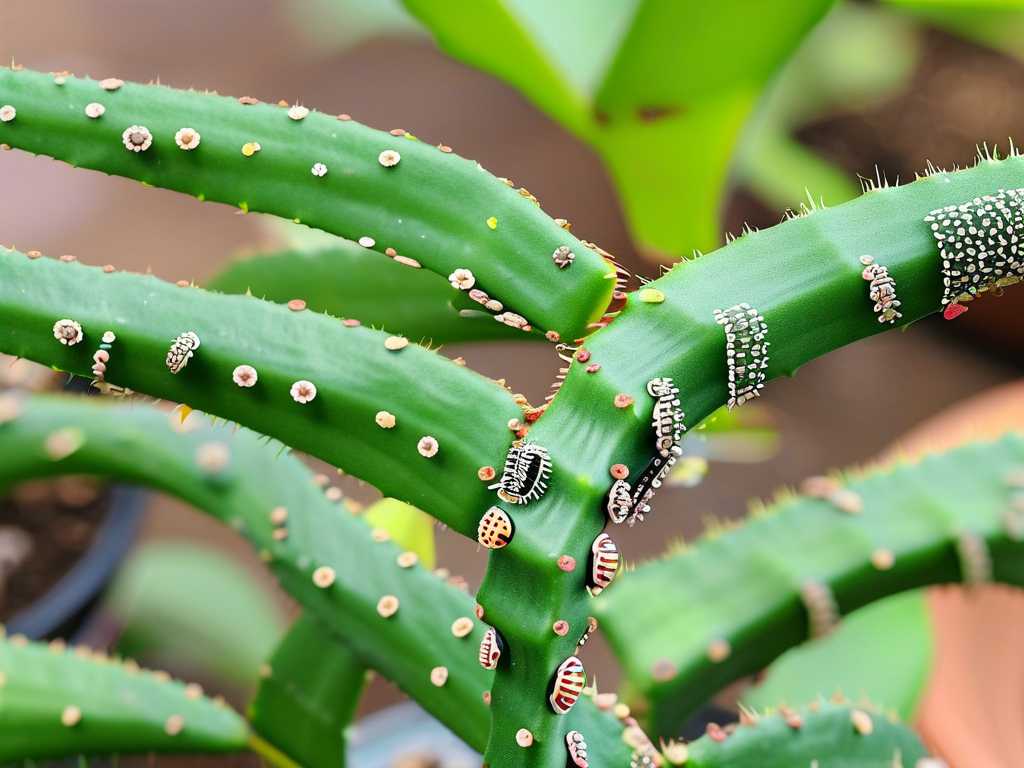
Before you declare war, ensure your enemy is correctly identified. The damage on jade plants is often caused by caterpillars from moths like the Genista Broom Moth or other leafrollers. You might see irregular chewed edges, holes in the center of leaves, or even silky webbing. The caterpillars themselves can be green, brown, or striped, and they’re masters of hiding on the undersides of leaves or in the plant’s dense branches.
I once misdiagnosed a slug problem as a caterpillar issue, wasting a week on the wrong treatment. Carefully inspect your plant at dusk or dawn with a flashlight; this is when they are most active. Confirming the pest is the critical first step in effectively removing caterpillars from succulents.
Remedy 1: The Manual Removal & Soapy Water Blitz
Nothing is more immediate and satisfying than taking matters into your own hands.
My Step-by-Step Process:
- Isolation: I immediately moved my affected jade plant away from others to prevent the pests from spreading. This is non-negotiable.
- The Glove-Up Pick: Wearing gardening gloves, I spent a solid 30 minutes meticulously inspecting every leaf, stem, and crevice. I turned each leaf over, looking for caterpillars and their eggs (tiny, often clustered dots). Every offender I found was dropped into a jar of soapy water (a few drops of mild dish soap in water). They cannot survive this.
- The Soapy Spray Down: After the manual hunt, I created a gentle insecticidal soap spray. I mixed 1.5 teaspoons of pure castile soap with 1 liter of water in a spray bottle. In the early evening (to avoid sun-scorch on wet leaves), I thoroughly drenched the entire plant, paying special attention to the undersides of leaves. The soap breaks down the caterpillars’ protective layer and suffocates smaller ones.
- Repeat Protocol: I repeated the manual check every other day and the soapy spray once a week for two weeks.
My Two-Week Observation & The "Gotcha" Moment:
Within three days, I saw a dramatic halt in new leaf damage. By day seven, the plant looked stable. However, around day ten, I noticed a few new holes. I had become complacent and skipped a manual check. Sure enough, a new batch of tiny caterpillars had hatched from eggs I’d missed. This taught me a crucial lesson: consistency is key in natural caterpillar control. I resumed my schedule, and by the end of week two, the plant was pest-free and showing signs of new, unscathed growth.
The Mistake I Made: My initial soap mixture was too strong—I used a harsher dish detergent. It left a faint residue on the leaves. I fixed this by switching to a pure, liquid castile soap and thoroughly rinsing the plant with clean water a few hours after each soap application.
Remedy 2: Neem Oil – The Natural Systemic Disruptor
For a more systemic approach, I turned to neem oil, a renowned organic insecticide. According to the American Horticultural Society (AHS), neem oil works as an antifeedant and growth regulator, making it an ideal long-term solution for jade plant pests.
My Step-by-Step Process:
- Preparation: I purchased cold-pressed, 100% pure neem oil. The key is to create an emulsion. I mixed 1 teaspoon of neem oil with 1/3 teaspoon of mild soap (the emulsifier) in a small container of warm water, then diluted this concentrate in 1 liter of lukewarm water.
- Evening Application: I sprayed the plant until it dripped, covering every surface, top and bottom. I placed the plant in a shaded spot to dry overnight, as neem can cause phototoxicity if exposed to direct sun while wet.
- Consistent Schedule: I applied this neem oil spray once every 4-5 days for two weeks. For ongoing prevention, I now use it every two weeks.
My Two-Week Observation & The Power of Patience:
The neem oil treatment doesn’t kill on contact like the soapy blitz. For the first 4-5 days, I saw little change and worried it wasn’t working. But by the end of the first week, the existing caterpillars appeared lethargic and stopped feeding. New hatchlings failed to thrive. This aligns with the AHS description of its disruptive effect on pest life cycles. By the end of the second week, the infestation was completely broken. The plant’s overall health seemed to improve, likely because neem also has fungicidal properties.
The Mistake I Made: I didn’t shake the spray bottle constantly during application. Neem oil separates quickly, leading to an uneven, ineffective spray. The fix was simple: shake vigorously every 30 seconds while using it.
Remedy 3: Diatomaceous Earth – The Physical Barrier
For a dry, mechanical solution, I used food-grade Diatomaceous Earth (DE). This fine powder, made from fossilized algae, is harmless to humans and pets but lethal to soft-bodied insects. As noted in resources from the Royal Horticultural Society (RHS), DE works by physically damaging the waxy outer layer of pests, causing them to dehydrate.
My Step-by-Step Process:
- Dry Conditions: I ensured the plant’s foliage was completely dry. DE clumps when wet and loses effectiveness.
- Strategic Dusting: Using a small duster bulb, I lightly coated the soil surface, the base of the stems, and the undersides of the lower leaves. The goal is a fine, almost invisible film, not a heavy coating. I avoided covering the entire plant to not hinder photosynthesis.
- Reapplication: After any watering or if I noticed the powder was gone, I reapplied a light dusting. I maintained this barrier for the full two weeks.
My Two-Week Observation & A Surprise Benefit:
DE was fantastic for catching caterpillars as they crawled from the soil to the leaves or vice versa. Within 48 hours, I found several deceased smaller caterpillars on the soil surface. It served as an excellent supplemental defense alongside my other treatments. An unexpected benefit was that it also seemed to deter fungus gnats in the soil.
The Mistake I Made: I applied it on a windy day indoors. Do not do this. I created a fine, irritating cloud of dust all over my shelf. Always apply DE in a very still environment and consider wearing a dust mask.
Prevention: Keeping Your Jade Plant Caterpillar-Free
Winning the battle is pointless if you don’t win the war. After my two-week remediation period, I implemented a strict prevention routine:
- Regular Inspections: I make a habit of checking my jade plants closely every time I water.
- Quarantine New Plants: Any new plant spends two weeks isolated from my collection.
- Maintain Plant Health: A strong, healthy jade plant in well-draining soil with proper light is more resilient. I avoid over-fertilizing, which can promote tender, attractive new growth for pests.
- Seasonal Neem Oil Treatment: As a preventative, I use the neem oil spray every 3-4 weeks during the growing season.
Frequently Asked Questions
Can I use a vinegar spray to kill the caterpillars? I do not recommend it. Vinegar is a potent acid that can severely burn the delicate, fleshy leaves of your jade plant, causing more harm than the caterpillars. Stick to the milder, proven methods outlined above.
How long does it take to see results with natural remedies? With consistent manual removal and soap sprays, you can stop active damage within a few days. For neem oil to break the life cycle, allow 7-10 days to see significant results. Natural methods require patience and repeated application over a two-week period for complete control.
My jade plant lost many leaves. Will it recover? Absolutely. Jade plants are remarkably resilient. Once the pests are eliminated, ensure it gets plenty of bright, indirect light and water only when the soil is completely dry. It will direct its energy into new growth. I’ve seen badly damaged plants bounce back to their former glory within a single growing season.
Seeing your jade plant put out a flush of perfect, untouched green leaves after a pest battle is one of the most rewarding feelings for a plant lover. By combining vigilance with these three natural remedies—manual removal, neem oil, and diatomaceous earth—you can effectively reclaim your plant without resorting to harsh chemicals. The journey taught me that success lies in consistency, correct identification, and a willingness to adapt. Your jade plant is a survivor; with these tools, you give it the best chance to thrive.





