 bluename
 How to Stop jade plant Leaf Drop from Underwatering: 5 Fixes That Worked for Me
There’s a special kind of plant panic that sets in when you see your once-plump, vibrant jade plant (Crassula ovata) starting to shed leaves. They wrinkle, they yellow, they drop with a disheartening little tap on the windowsill. For the longest time, I assumed leaf drop meant I was overwatering. So, I’d water even less, only to watch the problem accelerate. It was a frustrating cycle. After losing a few precious leaves from a mature plant I’d nurtured for years, I realized my mistake: I was chronically underwatering it. The jade plant, a succulent famed for its drought tolerance, was quietly suffering from thirst. If you’re seeing the same signs, you’re likely dealing with jade plant underwatering, not overwatering. The good news? It’s a fixable problem. Through trial, error, and a dedicated two-week rescue mission, I perfected a recovery plan. Here are the five fixes that successfully stopped the leaf drop and brought my jade back to its glossy, green glory.
Understanding the “Why”: How Underwatering Causes Leaf Drop
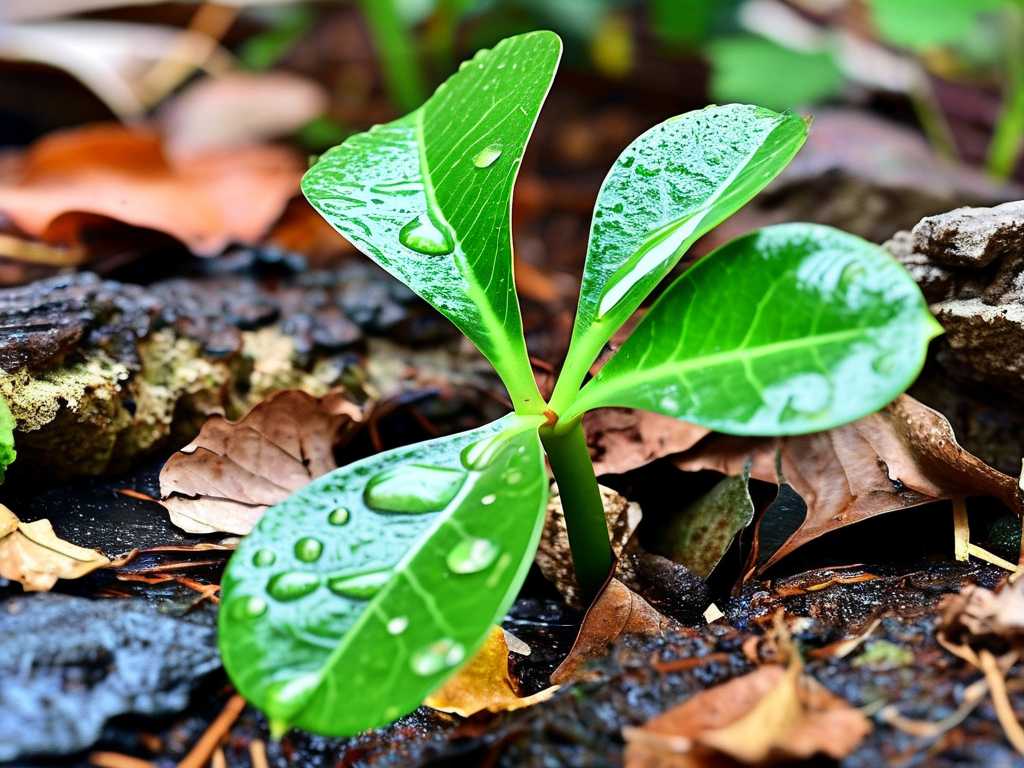
Before we dive into the fixes, let’s understand the science. As the Royal Horticultural Society (RHS) notes, succulents like jade plants store water in their thick leaves and stems. When the soil remains dry for too long, the plant starts to use up these internal reserves. The leaves lose turgor pressure—the internal water pressure that keeps them firm—and begin to shrivel and soften. As a last resort to conserve moisture and energy, the plant will strategically abort its oldest leaves. This leaf drop in jade plants is a survival mechanism, but a clear distress signal. My plant wasn’t being dramatic; it was literally conserving resources to stay alive. Recognizing this was my first step toward a proper cure.
My 5-Step Rescue Plan to Revive an Underwatered Jade Plant
This isn’t just theory. I applied these steps to my own suffering plant and documented its recovery over a critical two-week period. Patience and observation are key.
1. The “Bottom-Up” Hydration Reset (Not a Simple Top Watering)
My biggest initial mistake was giving it a standard sip of water from the top. For a severely dehydrated, root-dry succulent, this often leads to water running straight down the compacted soil edges without rewetting the core root ball. The American Horticultural Society (AHA) emphasizes the importance of thorough, even moisture for container plants.
- My Action: I placed the entire nursery pot (with drainage holes) inside a basin or sink filled with 2-3 inches of lukewarm water. I let it sit for 30-45 minutes. I watched as the water was slowly absorbed from the bottom up, visibly darkening the soil surface.
- The “Gotcha” Moment: After 30 minutes, I lifted the pot. It felt significantly heavier—a sure sign the soil mass was rehydrated. I then let it drain completely in the sink for another hour. No soggy bottoms allowed!
- Two-Week Observation: Within 48 hours, the most miraculous change occurred. The smaller, newer leaves at the stem tips began to plump up and regain firmness. The older, severely wrinkled leaves didn’t fully recover, but they stopped shriveling further. This immediate response confirmed that thirst was the core issue.
2. Diagnosing and Adjusting Your Watering Rhythm (Ditch the Calendar)
“Water every two weeks” is the worst advice I ever followed. Your plant’s needs depend on light, temperature, pot size, and soil. I shifted to the “soak and dry” method, which is the gold standard for fixing underwatered jade plants.
- My Action: I stopped watering on a schedule. Instead, I used the finger test. I’d insert my finger into the soil up to the second knuckle (about 2 inches deep). If it was completely dry, it was time for a thorough top watering until water flowed freely from the drainage holes.
- The Learning Curve: In my bright, warm south-facing window during summer, this meant watering about every 10-12 days. In the cooler, lower-light winter, it stretched to every 3-4 weeks. The plant itself told me when it was thirsty through slight leaf softness.
- Result After Two Weeks: By the end of the first week, I had successfully completed two “soak and dry” cycles based on soil dryness, not the calendar. The plant’s growth seemed more stable, and no new leaves showed signs of stress or dropping.
3. The Pot and Soil Audit: Is Your Home Helping or Hurting?
During my rescue, I discovered my plant was slightly root-bound and the old potting mix had become overly compact and hydrophobic (water-repellent). This meant even when I tried to water, the moisture wasn’t being held or distributed properly.
- My Action: After the initial recovery (around the 10-day mark), I gently tipped the plant out to inspect the roots. They were healthy but crowded. I didn’t repot into a much larger pot (a common error), as this can hold too much wet soil. Instead, I chose a new pot only 1-2 inches wider in diameter. Crucially, I repotted using a fast-draining succulent/cactus mix amended with extra perlite for aeration.
- Why This Fixes Leaf Loss: This new environment prevents the roots from being choked in dense, dry soil. The well-aerated mix allows water to penetrate evenly and then drain quickly, giving roots access to both moisture and oxygen—exactly what they need to support healthy leaves.
- Post-Repotting Care: I waited a full week after repotting before watering again to let any disturbed roots heal. The plant showed zero signs of transplant shock, and the leaves remained firmly attached.
4. Strategic Pruning and Clean-Up to Redirect Energy
All those wrinkled, yellowing, or dropped leaves weren’t just an eyesore; they were a drain on the plant’s recovery energy. The plant was still trying to sustain parts that were too far gone.
- My Action: Using clean, sharp pruning shears, I carefully removed any leaves that were more than 50% yellowed or completely shriveled and crispy. I also cleaned up any healthy-looking leaves that had already fallen from the soil surface to prevent potential mold.
- The Effect: This wasn’t just cosmetic. By removing these doomed leaves, I helped the plant redirect its precious water and nutrients toward strengthening the remaining healthy stems and promoting new growth. Within days of the cleanup and a good watering, I noticed tiny new leaf buds forming at the stem nodes.
5. Optimizing the Environment for Stress Recovery
Light and temperature play huge supporting roles. A jade plant in low light uses water much more slowly and is more prone to overwatering issues, but a stressed plant in scorching direct sun can desiccate faster.
- My Adjustment: My plant was in bright light, which was good. But I made a slight adjustment by pulling it back about 18 inches from a hot glass window during the peak afternoon summer sun to reduce heat stress while it recovered. I also ensured the room temperature was consistent, avoiding cold drafts from air conditioning.
- Long-Term Stability: This stable, bright-but-indirect light environment reduced the plant’s water stress and allowed it to photosynthesize efficiently without the added burden of extreme heat, creating the ideal conditions for long-term leaf retention.
Frequently Asked Questions (From One Plant Lover to Another)
Can a jade plant recover from severe underwatering? Absolutely, yes. Jade plants are remarkably resilient. If the stems are still firm (not mushy or completely shriveled), there is a very high chance of recovery. Follow the bottom-watering method first, be patient, and adjust care as outlined. My plant’s dramatic improvement over two weeks is a testament to their will to live.
How long does it take for wrinkled jade leaves to plump back up? The younger, less severely wrinkled leaves will often plump up within 2-3 days of a deep, thorough watering. Older, heavily wrinkled leaves may never fully regain their perfect smoothness and might eventually be shed naturally. The goal is to stop the progression and save the rest of the plant.
Should I mist my jade plant to increase humidity and prevent leaf drop? No, please don’t. Misting does not provide meaningful hydration to the roots and can promote fungal diseases on the leaves. Jade plants prefer dry foliage. Consistent, deep soil watering as described in Fix #2 is the only effective way to address underwatered jade plant problems. Humidity isn’t a major factor for these drought-adapted plants.
Watching my jade plant bounce back was incredibly rewarding. The journey taught me that even the toughest plants communicate their needs, and “neglect” isn’t always the right approach. By moving away from a rigid schedule and learning to read the signs—the soil dryness, the slight give of a leaf—I formed a better partnership with my plant. Stopping jade plant leaf fall ultimately came down to understanding its native habitat: periods of abundant water followed by a complete dry spell. Mimicking that rhythm in my home, with the right soil and pot as allies, transformed my struggling succulent back into the sturdy, evergreen symbol of prosperity it’s meant to be. Start with the bottom soak, commit to the finger test, and give it some time. Your jade will thank you with a full, healthy canopy.





