 bluename
 How to Treat jade plant Light Deficiency: 4 Leggy-Growth Fixes
I’ll be honest—there’s nothing more disheartening than watching your once-sturdy, compact jade plant suddenly start stretching out with long, weak stems and sparse leaves. It looks awkward, unstable, and frankly, a bit sad. If you’re here, you’ve likely noticed these same troubling signs in your own plant. That stretched, sparse growth is a classic cry for help: your jade plant is suffering from severe light deficiency. I know because I’ve been there, staring at my own leggy jade, wondering where I went wrong. Through trial, error, and a dedicated two-week rescue mission, I discovered four actionable fixes that can bring your plant back from the brink. This guide is born from that hands-on experience, the mistakes I made, and the proven solutions that worked.
Understanding Leggy Growth: More Than Just an Aesthetic Issue
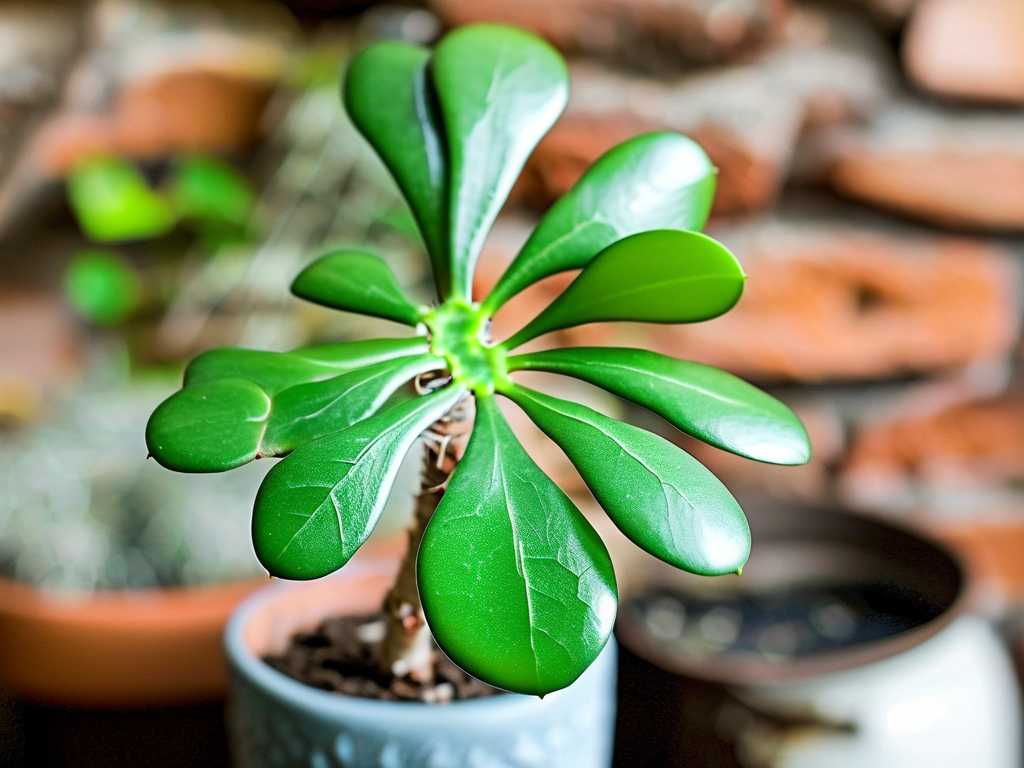
Before we dive into the fixes, let’s understand the enemy. Leggy growth, or etiolation, isn’t your plant being quirky; it’s a survival mechanism. When a jade plant isn’t receiving enough light, it literally stretches its stems to reach for a light source. The new growth becomes elongated, the spaces between leaves (internodes) widen, and the leaves themselves may grow smaller, thinner, and paler. This weakens the plant’s structure, making it prone to drooping and breaking. According to the Royal Horticultural Society (RHS), succulents like jade plants require several hours of direct sunlight daily to maintain their compact form and vibrant color. Without it, they become etiolated and vulnerable.
My own jade’s problem crept up on me. I had placed it in what I thought was a “bright” corner of my living room, but it was several feet from a north-facing window. Over months, the slow stretch began. It wasn’t until a new stem grew almost two inches between leaf sets that I sounded the alarm. The core issue was clear: jade plant light requirements were not being met. The fix wouldn’t be instant, but it had to start immediately.
Fix 1: The Strategic Relocation – Finding the Perfect Spot
The most critical step is addressing the root cause: more light. But you can’t just throw a light-starved plant into full, blazing sun—it will scorch. The move must be strategic and gradual.
My Step-by-Step Process & 2-Week Observation:
- Assessment: I first identified the sunniest spot in my home—a south-east facing windowsill that received about 4-5 hours of direct morning sun, followed by bright, indirect light all day. Morning sun is less intense than afternoon sun, making it a safer starting point.
- Gradual Introduction: On Day 1, I moved my jade plant to a spot about 3 feet away from this window, not directly on the sill. This gave it a significant boost in bright, indirect light without the direct rays.
- Incremental Movement: Every 3-4 days, I moved the plant closer to the window by about 6-8 inches. By the end of two weeks, it was finally sitting on the windowsill itself, acclimated to the direct morning sun.
- The Observation: Within the first week, I noticed a change. The plant seemed to stop its frantic stretching. The very tip of the newest growth, which had been pale and stretched, began to develop a tighter cluster of leaf buds. The existing leaves took on a slightly richer green hue with hints of red along the edges—a classic sign of a happy, sun-kissed jade. This was the first confirmation that fixing leggy jade plants starts with patient, corrected placement.
The Pitfall I Hit: Halfway through the second week, we had an unusually hot, clear afternoon. I noticed a few small, pale, scorched spots on two older leaves facing the glass. I had forgotten to account for the intensified sun through the window. I immediately pulled the plant back about a foot for two more days and used a sheer curtain as a filter during the hottest part of the day. Problem solved.
Fix 2: The Art of the Prune – Encouraging Bushy Regrowth
Once your plant is receiving adequate light, you must deal with the existing leggy growth. It won’t shrink or compact. The solution is precise pruning to encourage a bushier, more attractive shape.
My Step-by-Step Process & 2-Week Observation:
- Tool Preparation: I used a pair of sharp, clean pruning shears. I sterilized the blades with isopropyl alcohol to prevent disease transmission—a non-negotiable step.
- Identifying Cut Points: I examined each leggy stem. The goal is to cut back to just above a pair of leaves (a “node”). From this node, new branching will emerge. I chose to make my cuts where the stem was still reasonably firm, not on the thinnest, most spindly parts.
- Making the Cuts: With confidence, I made clean, angled cuts about a quarter-inch above selected leaf pairs. I removed about 30-40% of the longest growth, focusing on the most unbalanced stems. It felt drastic, but it’s necessary.
- Propagation Bonus: Don’t throw those cuttings away! I stripped the bottom leaves off a few healthy-looking cuttings, let the ends callous over for 2-3 days, and then planted them in a small pot with fresh succulent mix. This is how you multiply your jade collection.
- The Observation: For the first 5-7 days, nothing seemed to happen at the cut sites—and that’s normal. The plant was focusing energy on root and internal recovery. Around Day 10, I spotted tiny, pinkish nubs emerging from the nodes just below my cuts. By the end of Week 2, these had developed into definite new baby branches. The plant’s energy was now directed into this compact, new growth instead of vertical stretching.
Fix 3: Rotate for Uniformity – Preventing Future Lopsidedness
A common mistake is finding a good spot and then forgetting about the plant. Light comes from one direction, so the plant will naturally grow toward it again, potentially creating new, lopsided leggy growth.
My Simple Routine: I instituted a simple “Water and Rotate” rule. Every single time I checked the soil for watering (which is infrequently—only when completely dry), I would gently rotate the pot a quarter turn (about 90 degrees). This ensured all sides of the plant received equal time facing the light source over the course of a month.
The Observation: This minor habit, started during my two-week fix period, prevented any one side from becoming dominant. The new growth from the pruning fixes emerged more evenly around the plant, building a balanced, rounded shape rather than a one-sided reach.
Fix 4: When Sunlight Isn’t Enough – Supplementing with Grow Lights
Sometimes, even your best window isn’t enough, especially during short, dark winter months. This was my final hurdle. After pruning and relocating, I wanted to ensure the new growth remained compact year-round. The American Horticultural Society (AHS) notes that for indoor gardeners in low-light environments, full-spectrum LED grow lights can be an effective supplement.
My Step-by-Step Setup & Observation:
- Choosing a Light: I selected a simple, adjustable-arm LED grow light with a full-spectrum white diode. It’s not overly purple or intense, blending into my living space.
- Positioning: I mounted the light about 12 inches above the top of the jade plant. The adjustable arm allowed me to keep this distance consistent as the plant grew.
- Setting a Schedule: I used a simple outlet timer. The light turns on at 6 AM and off at 8 PM, giving the plant a consistent 14-hour “day,” supplementing the natural light from the window. This mimics long summer days, discouraging etiolation.
- The 2-Week Observation: The combination of morning sun and supplemental LED light was transformative. The new branch buds grew noticeably faster and denser than with window light alone. The leaves were plump and a deep, healthy green with strong red margins. The plant’s overall growth pace seemed steadier and more robust. It was the ultimate insurance policy against leggy growth in succulents.
Addressing Your Top Concerns
Can a severely leggy jade plant ever be truly compact again? The existing elongated stems will not shorten. However, through strategic pruning as outlined above, you can force the plant to grow new, compact branches from lower nodes. Over time, with good light, these new branches will become the dominant, bushy part of the plant, and you can eventually prune away the older, leggy “scaffolding” if you wish.
How often should I water during this recovery process? Even less than usual. After pruning, the plant has less foliage and is focused on root and shoot development, not transpiration. Water only when the soil is completely dry all the way to the bottom of the pot. Overwatering a stressed, recovering jade is the fastest way to cause root rot. I stuck to my soak-and-dry method but found the soil took nearly 50% longer to dry out after the prune.
Are the cuttings from pruning really easy to propagate? Absolutely. Jade plants are famously prolific. Let the cut end callous for a few days, then place it in or on well-draining soil. Water very lightly only when the soil is dry. In a few weeks, you’ll notice roots developing. This process not only gives you new plants but also confirms the health of your original jade.
Watching a leggy jade plant recover is a lesson in patience and observation. The fixes—strategic relocation, courageous pruning, consistent rotation, and savvy light supplementation—are not quick hacks but sustainable corrections to the plant’s environment. The transformation over a focused two-week period is just the beginning. You’ll see the real reward in the months that follow, as your jade fills out with dense, sturdy, vibrant growth, finally looking like the resilient, joyful succulent it was always meant to be. The key is to start today, be consistent, and work with your plant’s natural needs.





