 bluename
 How to Revive jade plant from Cold Damage: 4 Winter-Recovery Steps
That sinking feeling is all too familiar. You walk past your beloved jade plant one chilly morning and notice the leaves are soft, mushy, and maybe even dropping. A quick touch confirms your fear: cold damage. As a fellow plant enthusiast who has nurtured the same jade for over a decade, I’ve been there. Last winter, an unexpected draft from a poorly sealed window led to my own plant crisis. Its once plump, vibrant leaves became wrinkled and limp, with several stems turning alarmingly dark. I felt a genuine panic, worried I’d lose a green companion I’d raised from a single cutting. But don’t despair! Over a careful, two-week recovery period, I successfully nursed my jade back to health. This guide will walk you through the exact, proven steps I took to revive jade plant from cold damage, transforming a moment of plant-parent panic into a story of recovery.
Understanding the injury is the first step to healing. Jade plant cold damage occurs when temperatures dip below 50°F (10°C) for extended periods. The water inside the plant’s cells freezes, expands, and ruptures the cell walls. This is what causes the tell-tale symptoms: soft, translucent, or blackened leaves and stems. It’s a physiological injury, not a disease, which means our recovery focuses on supporting the plant’s natural healing processes, not fighting a pathogen. The Royal Horticultural Society (RHS) notes that succulents like jade are particularly vulnerable to sudden temperature drops and emphasizes that patience is the key ingredient in recovery, as new growth is the ultimate sign of success.
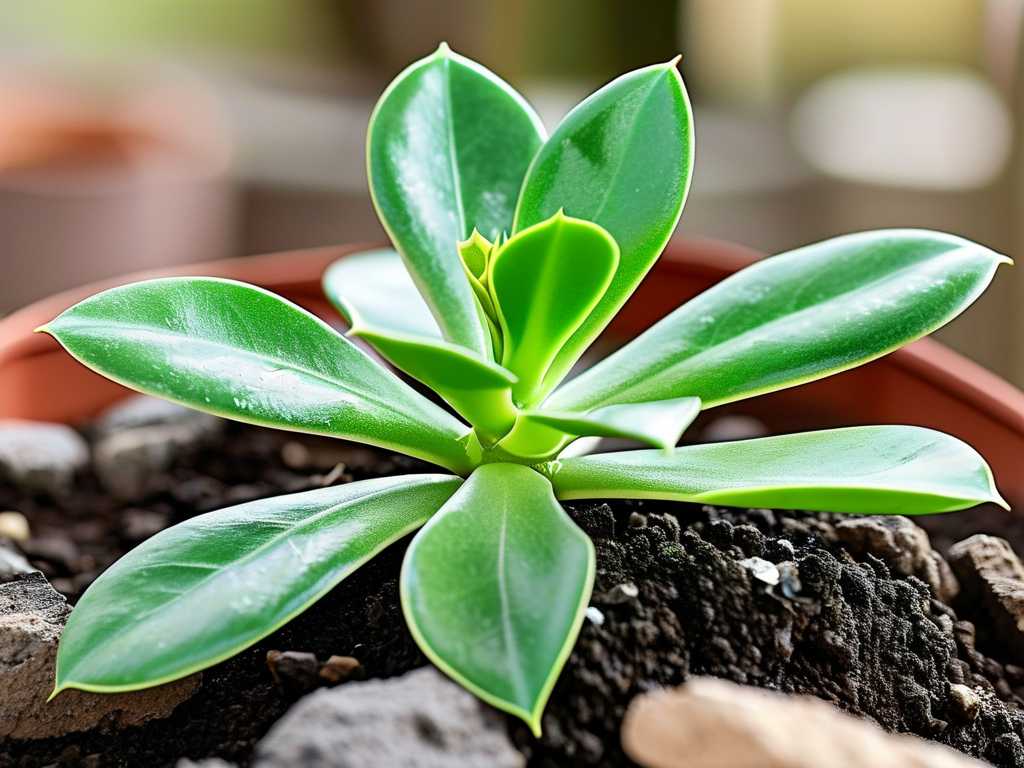
Step 1: The Immediate Triage – Assess and Move with Care
Your first actions are critical. Do not panic and overreact.
Move to a Stable, Warm Environment The moment you suspect cold damage, gently move your plant to a consistently warm spot (65-75°F or 18-24°C). Avoid placing it directly next to a heat vent or fireplace, as sudden, intense heat is another shock. I chose a bright spot in my living room, away from any drafts. This stable environment halts further damage and allows the plant to begin stabilizing its internal processes.
Conduct a Gentle Damage Assessment Do not prune anything yet! Wait 3-4 days for the plant to acclimate to the warmth. The true extent of the damage will become clearer. Healthy tissue will firm up, while severely damaged parts will continue to deteriorate. My initial assessment was too hasty; I thought several stems were goners, but after 72 hours, two of them showed signs of firming up at their bases, indicating life beneath the surface. This waiting period saved valuable parts of my plant.
Step 2: The Strategic Prune – Removing the Rot
After the waiting period, it’s surgery time. You’ll need clean, sharp pruning shears or a knife, and rubbing alcohol for sterilization.
Identifying What to Cut Look for stems that are black, brown, and mushy. Squeeze them gently. If they feel soft and give way, they need to be removed. Cut back to where the stem tissue is firm and green or white inside. For leaves, remove any that are completely translucent, black, or mushy. If a leaf is only partially damaged, you can sometimes leave it; the plant may reabsorb nutrients from it. The American Horticultural Society (AHS) advises making clean cuts just above a leaf node on healthy tissue to encourage proper healing and new branching.
My Pruning Mistake and Fix My biggest error was not sterilizing my tools between cuts. On the third cut, I noticed a smear of black goo on the blade. I realized I could be spreading decay. I immediately stopped, cleaned the shears thoroughly with rubbing alcohol, and made fresh cuts on the affected stems, going slightly further back to remove the potentially contaminated tissue. This simple act likely prevented a secondary bacterial infection.
Step 3: The Critical Dry-Out – Watering and Soil Strategy
This is where most recoveries fail. A damaged jade plant’s water needs plummet.
Hold the Water – The Two-Week Rule Do not water your plant immediately after pruning. At all. The root system is in shock and cannot effectively uptake water. Watering now invites root rot, which is a death sentence. I placed my plant in its warm, bright spot and did not water it for a full 14 days. This felt counterintuitive and scary, but it’s non-negotiable. The goal is to let the wounds from pruning callus over completely and to allow the plant to use up any existing moisture in its surviving leaves and stems.
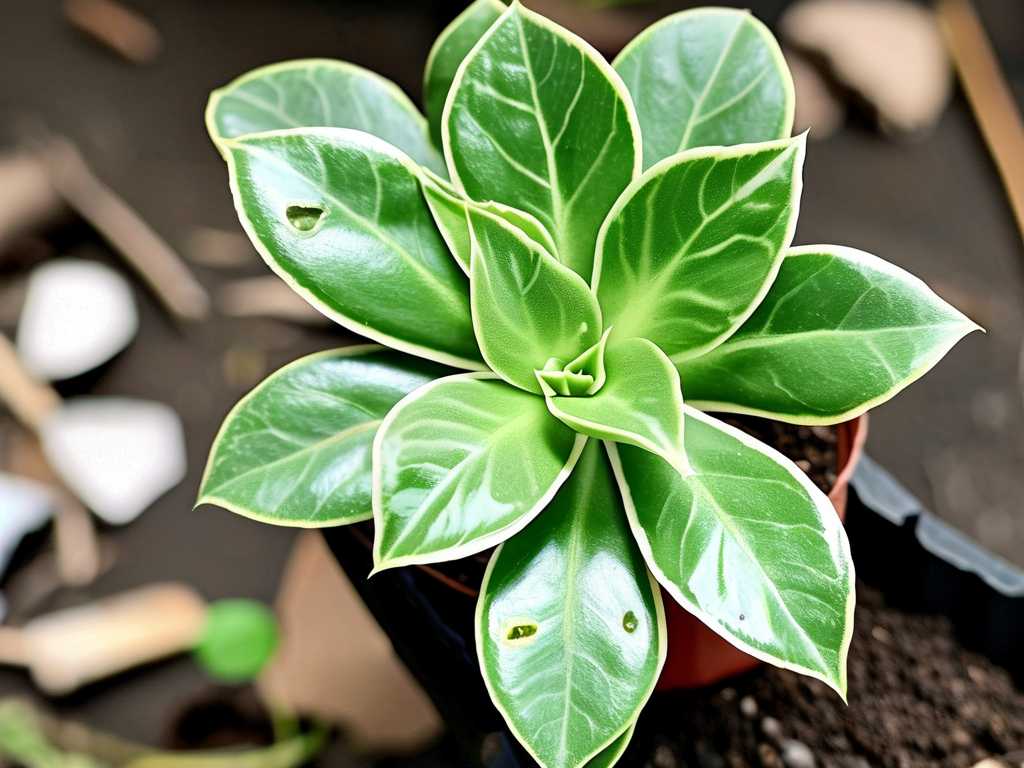
Check the Soil and Roots After the two-week dry period, I carefully tipped the plant out of its pot to inspect the roots. The soil was bone dry, which was good. I looked for any roots that were black, slimy, or foul-smelling—signs of rot. Fortunately, mine were all firm and white. If you find rot, gently shake off the old soil, prune the rotten roots with sterilized tools, and repot into fresh, dry succulent mix. I chose to simply return mine to its original pot, as the root check was clear.
Step 4: The Patient Recovery – First Water and Long-Term Care
The first watering is a milestone. Do it with intention.
The First Sip After 14 days, I gave my jade a thorough but careful soak. I used room-temperature water and poured it until it just started to drain from the bottom. I then placed it back in its bright spot and let all excess water drain away completely. The key is to then wait again until the soil is completely dry before even thinking about watering next. This first cycle might take another 10-14 days.
Observing the Two-Week Recovery Window Here’s what I observed day-by-day after that first water:
- Days 1-5: No visible change. The plant looked stable, no further leaf drop.
- Days 6-10: I noticed the remaining healthy leaves began to plump up slightly, losing their wrinkled appearance. This was the first sign of successful rehydration!
- Days 11-14: At the base of two pruned stems, tiny, bright pink buds appeared. New growth! This was the definitive sign that the plant was actively recovering and channeling energy into regeneration.
Long-Term Adjustments For the next two months, I treated it like a new plant. I only watered when the leaves showed a slight give when gently squeezed, my go-to method for judging jade plant thirst. I held off on fertilizer for three months to avoid stressing the root system. The focus was purely on consistent, bright indirect light and infrequent, deep watering.
How long does it take for a jade plant to recover from cold shock? Visible signs of recovery, like leaf firming, can appear within 2 weeks. However, the full recovery process, including significant new growth, can take 2-3 months or even a full growing season. Patience is not just a virtue; it’s a requirement.
Can jade plant leaves recover from cold damage? Partially damaged leaves may firm up but will often retain scars or discoloration. Severely damaged leaves that are mushy or translucent will not recover and should be removed. The plant’s energy is better directed toward growing new leaves and stems.
Should I fertilize my jade plant after cold damage? Absolutely not in the immediate recovery phase. Wait until you see consistent, healthy new growth for at least 1-2 months before applying a half-strength, balanced fertilizer. The initial focus must be on root and system recovery, not pushing growth.
Watching those tiny pink buds emerge on my jade plant was one of the most rewarding moments in my gardening journey. It was a powerful lesson in observation, patience, and resisting the urge to “do more.” Reviving a cold-damaged jade plant is less about dramatic interventions and more about providing the stable, neglectful-tending conditions it needs to heal itself. By following these structured steps—triage, prune, dry out, and patiently recover—you give your resilient succulent the best possible chance to bounce back. Remember, the scars tell a story of survival, and the new growth is your reward for being a calm, attentive plant caretaker.





