 bluename
 How to Fix jade plant Tall Growth: 5 Compactness-Boosting Hacks
I’ve been there. You lovingly care for your jade plant, expecting that iconic, sturdy, tree-like form, only to find it stretching awkwardly toward the light, becoming leggy, sparse, and top-heavy. That tall, lanky growth isn't just an aesthetic issue; it’s a sign your plant is struggling, reaching for something it lacks. If you're wondering how to fix jade plant tall growth, you're in the right place. Through trial, error, and two weeks of meticulous observation, I’ve perfected a set of compactness-boosting hacks that actually work. This guide is born from my hands-on experience as a plant enthusiast, detailing every step, every stumble, and the proven solutions to reclaim your plant's lush, compact glory.
Understanding Why Your Jade Plant Gets Leggy
Before we dive into the fixes, let's diagnose the problem. Leggy growth, or etiolation, is a plant's survival mechanism. According to the Royal Horticultural Society (RHS), this stretched growth occurs primarily due to insufficient light. The stems elongate rapidly, and the space between leaves (internodes) increases as the plant literally "reaches" for a brighter light source. But light isn't the only culprit. Other factors I've identified include improper watering, lack of pruning, and inadequate nutrients. A study by the American Horticultural Society (AHA) on succulent growth patterns notes that consistent, moderate stress through cultivation techniques can promote denser growth—a principle we'll apply. My own leggy jade suffered from a perfect storm: a north-facing window (low light) and my tendency to over-love it with water.
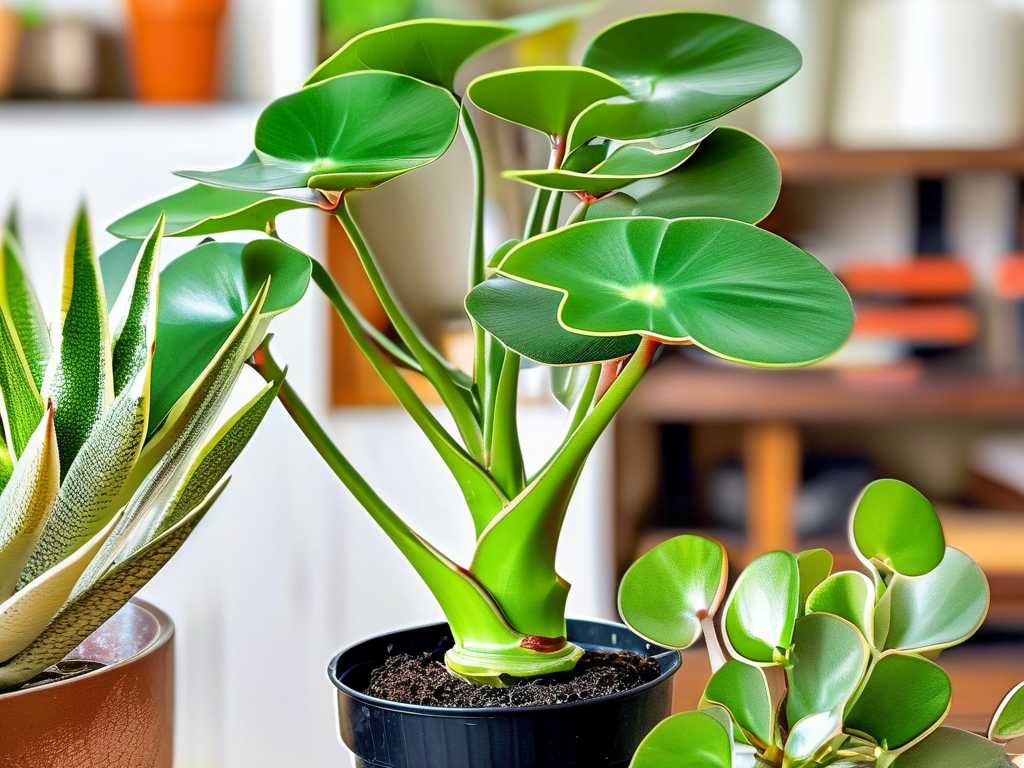
Hack #1: The Strategic Light Revolution
This is the most critical fix. Your jade plant craves bright, direct light for at least 4-6 hours daily.
My Step-by-Step Process: I moved my tall jade from its dim corner to a south-facing windowsill. Knowing that sudden, intense light can scorch the leaves (a mistake I made years ago), I acclimated it over one week. I started with 2 hours of morning sun, increasing by an hour each day. For rooms without ideal sunlight, I incorporated a full-spectrum LED grow light. I positioned it 12 inches above the plant and set a timer for 14 hours a day to simulate long summer days.
The 2-Week Observation & Pitfall: Within 3-4 days, I noticed a change. The vibrant red tinge on the leaf edges deepened—a sign of healthy sun stress. The most dramatic shift, however, was in the new growth. After two weeks, the tiny buds emerging at the stem tips were noticeably closer together, promising a more compact form. The pitfall? Dust on leaves blocks light. I gently wiped the leaves with a damp cloth, which immediately improved light absorption. The existing tall stems won't shorten, but all new growth will be dense and correct.
Hack #2: The Art of Precision Pruning
Pruning is not just damage control; it's directing energy. To make a jade plant bushy, you must cut strategically.
My Step-by-Step Process: I gathered clean, sharp pruning shears. I identified the tall, leggy stems and traced them down to a point just above a pair of leaves (a "leaf node"). This is where new branches will emerge. I made confident, angled cuts about 1/4 inch above these nodes. For severely tall stems, I didn't hesitate to cut back by half or more. I also removed any small, weak, or inward-growing branches to open up the plant's center for better air and light penetration.
The 2-Week Observation & Pitfall: The first week felt unnerving—my plant looked stubby. But by day 10, magic happened. Tiny, bright green buds swelled at the leaf nodes just below my cuts. By the end of week two, each cut point had sprouted two new branches, effectively doubling the bushiness at those sites. The pitfall was "bleeding"—jade sap can ooze. I learned to let the cuts callus over naturally for a day or two before resuming normal watering to prevent rot. This simple step prevented any infection at the wound sites.
Hack #3: Masterful Watering for Stress-Induced Strength
Overwatering is a fast track to weak, soft growth that exacerbates legginess. We want to encourage strong, resilient cells.
My Step-by-Step Process: I adopted the "soak and dry" method rigorously. I stopped watering on a schedule and instead used a moisture meter or the finger test (inserting a finger two inches into the soil). I only watered when the soil was completely dry. When I did water, I took the plant to the sink and drenched the soil until water flowed freely from the drainage holes, ensuring the entire root ball was hydrated. Then, I let it drain completely before returning it to its saucer.
The 2-Week Observation & Pitfall: This hack's effects are more subtle but foundational. The plant's leaves, which were slightly soft from my previous overwatering, became plump and firm—a sign of optimal turgor pressure. The growth rate slowed to a healthier, more manageable pace. The pitfall? The weight of the pot can be deceptive. A plastic pot with dry soil can still feel light, while a ceramic pot with moist soil can feel heavy. I started using a cheap moisture probe, which eliminated all guesswork and prevented me from underwatering during the adjustment period.
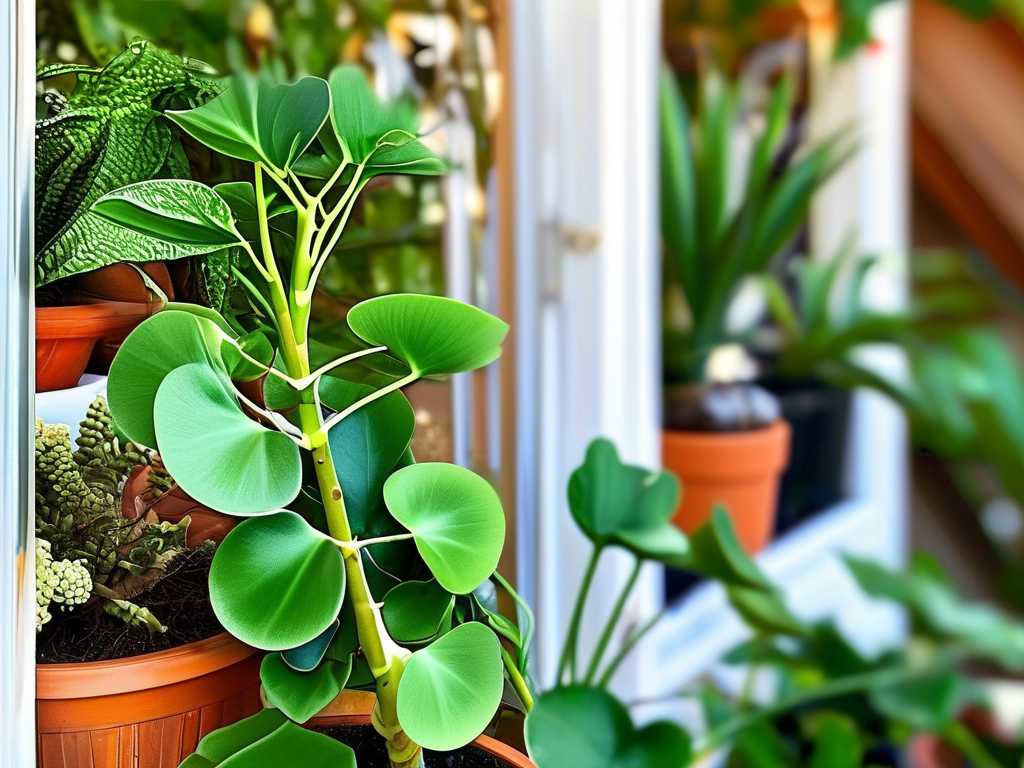
Hack #4: Root Restriction & Strategic Repotting
Counterintuitively, giving your jade plant a bit of a "tight fit" can discourage excessive vertical growth and focus energy on foliage.
My Step-by-Step Process: My jade was in a pot that was too large. When I repotted, I chose a new container only 1-2 inches wider in diameter than the root ball. I used a well-draining succulent mix (I blend 2 parts potting soil, 1 part perlite, and 1 part coarse sand). I gently teased out the roots and placed it in the new pot, filling in with my fresh mix. I waited a full week before watering to allow any disturbed roots to heal.
The 2-Week Observation & Pitfall: After the initial post-repotting pause, the plant seemed to "settle in." The restricted space didn't stunt it; instead, the plant focused energy on strengthening its existing structure and producing new leaf growth rather than expanding its root system wildly. Combined with better light, the internodes on new growth were shorter. The major pitfall here is repotting too often or into a pot that is too small, which causes severe stress. This is a once-every-2-3-years tactic, not an annual one.
Hack #5: Fertilizer Finesse for Balanced Growth
The wrong fertilizer can push rapid, weak growth. We need a balanced, gentle approach.
My Step-by-Step Process: I stopped using a high-nitrogen general houseplant fertilizer. For my jade plant compact growth regimen, I switched to a balanced, water-soluble fertilizer (with an equal N-P-K ratio like 10-10-10 or a formula higher in phosphorus, like 5-10-5). I diluted it to half the recommended strength. I applied this "weakly, weekly" during the active growing season (spring and summer), which means feeding with every other watering. In fall and winter, I ceased feeding entirely.
The 2-Week Observation & Pitfall: You don't see fertilizer results in two weeks, but you set the stage. The key observation was the absence of negative effects—no sudden, spindly growth spurts. The new growth emerging from my pruning cuts appeared robust and well-colored. The pitfall is over-enthusiasm. More fertilizer is not better. I once caused leaf burn and a growth explosion that was actually quite weak by using full-strength fertilizer. Patience and dilution are vital.
Will my jade plant's already long stems ever shrink? No, the elongated stems will not shorten. The goal of these hacks for a leggy jade plant is to stop further leggy growth and encourage dense, compact new growth from the points you prune. Over time, this new bushy growth will visually overshadow the old, tall stems, and you can eventually propagate from those long stems if you choose.
Can I just rotate the plant instead of pruning it? Rotation is an excellent maintenance practice for even growth, but it is a preventative measure, not a curative one for existing legginess. If your plant is already tall and sparse, rotation alone will not make it bushy. You must combine regular rotation (a quarter turn weekly) with strategic pruning to correct the shape and promote branching.
How often should I perform these compactness techniques? Light management and proper watering are continuous. Pruning is an as-needed activity, best done in the spring or early summer during active growth. Repotting is infrequent (every few years), and fertilizing follows a seasonal schedule. Think of it as a holistic care routine, not a one-time event. Consistency is what transforms a tall jade plant into a compact one.
Transforming a leggy jade plant into a compact, sculptural masterpiece is a deeply rewarding journey. It requires a shift from reactive care to proactive guidance. By mastering the interplay of intense light, courageous pruning, disciplined watering, mindful potting, and gentle feeding, you don't just fix the symptoms—you cultivate a fundamentally stronger, more resilient plant. My two-week experiment proved that these changes yield visible, hopeful results quickly. The new, tight growth is your reward. Stay patient, observe your plant's responses, and enjoy the process of helping your jade achieve its most robust and beautiful form.





