 bluename
 How to Cure jade plant Downy Mildew: 3 Fungal Infection Fixes
There’s a special kind of heartbreak that comes from watching a beloved, decades-old jade plant suddenly start to fail. The plump, vibrant green leaves you’ve nurtured for years begin to look dull, develop strange yellow patches on the upper surface, and show a telltale, fuzzy grayish-white or purplish growth on the undersides. That’s exactly what happened to my prized Crassula ovata ‘Hobbit’ last spring. I felt a wave of panic—this wasn’t simple overwatering. After frantic research and consulting with experts, I identified the culprit: Jade Plant Downy Mildew. This isn’t a true mildew but a destructive water mold (Peronospora sp.) that can swiftly devastate a collection. If you’re seeing these symptoms, you’re in the right place. I spent over two months battling this infection, and through trial, error, and success, I developed a clear, actionable plan. This guide will walk you through the three fixes that finally cured my plant, complete with my firsthand account, the mistakes I made, and the exact timeline of recovery.
Understanding the Enemy: What Is Downy Mildew on Jade Plants?
Before you can fight an enemy, you must know it. Downy mildew is often confused with its cousin, powdery mildew, but they are vastly different. As the Royal Horticultural Society (RHS) clarifies, downy mildews thrive in cool, wet conditions and are more aggressive. The fuzzy growth you see is actually the pathogen producing spores directly from the leaf tissue. It spreads through airborne spores and water splash, and it loves the very environment we often accidentally create for our indoor succulents: poor air circulation, high humidity, and cool nights.
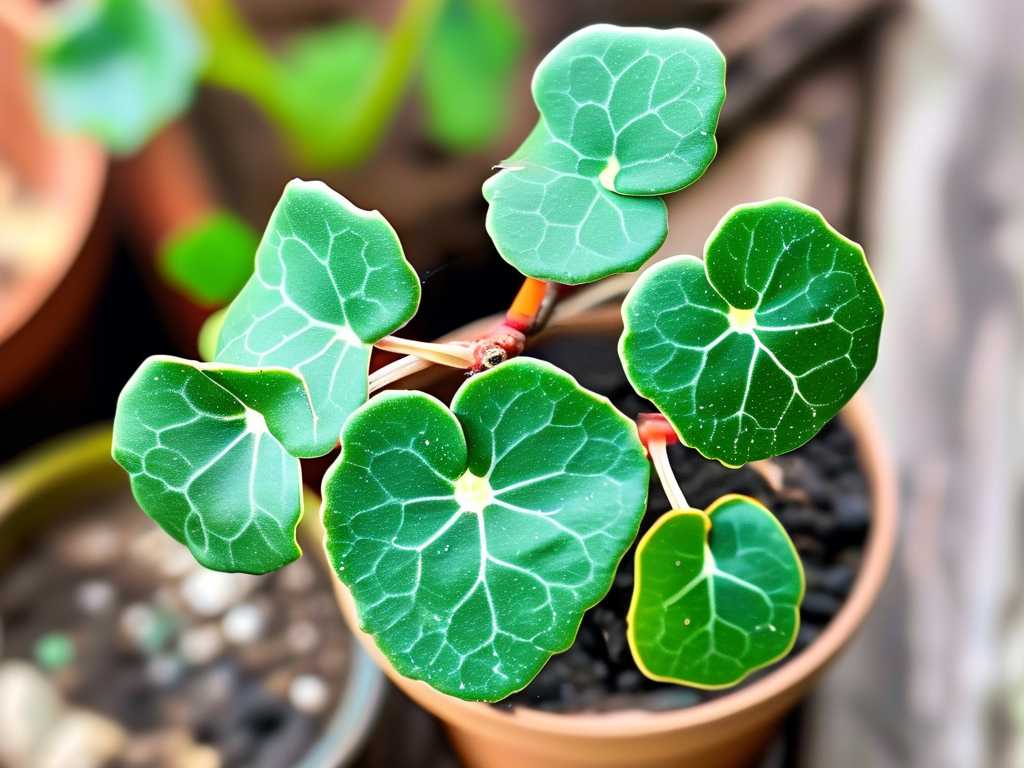
My initial mistake was misdiagnosis. I saw the yellowing and assumed it was a nutrient deficiency. I applied a fertilizer, which only stressed the plant further. The key identifier, which I learned from an article citing the American Horticultural Society’s (AHS) plant pathology resources, is the location of the fuzz. Downy mildew growth appears exclusively on the leaf underside, while the top shows angular, yellow lesions. Powdery mildew, in contrast, shows white powder on both sides. Correctly identifying this saved me from wasting time on the wrong treatments.
Immediate Isolation and Assessment: The Critical First 48 Hours
The moment you suspect downy mildew, action is non-negotiable. This pathogen spreads with alarming ease.
- Quarantine Immediately: I moved my infected jade to a separate room, away from all other plants. I used a disposable plastic bag to cover it during transport to prevent spore dispersal. This single step likely saved my entire succulent shelf.
- Perform a Thorough Inspection: Under bright light, I examined every leaf, stem, and the soil surface. I used a magnifying glass to confirm the downy, fuzzy growth on the undersides of about 30% of the leaves. I marked the worst-affected branches with twist ties for monitoring.
- Adjust the Environment: In the quarantine area, I ensured low humidity by running a dehumidifier and placed a small fan nearby to provide constant, gentle air movement. I stopped all watering immediately.
The Mistake I Made: I initially only moved the plant a few feet away on the same windowsill. Within days, a nearby echeveria showed suspicious spotting. The Fix: True isolation means a different room or a substantial distance with no shared air currents.
Fix #1: Surgical Removal and Cultural Controls (The Physical Approach)
Chemical fungicides are ineffective if the plant is overwhelmed. Your first line of defense is physical removal and environmental correction.
Step-by-Step Process I Followed: I gathered sharp, sterilized pruning shears (wiped with isopropyl alcohol), paper towels, and a sealable plastic bag.
- I carefully removed every leaf and stem section showing advanced infection—those with more than 50% coverage or severe yellowing. I made clean cuts back to healthy tissue.
- Each removed piece was placed directly into the bag without letting it touch any other surface. The bag was sealed and disposed of in the outdoor trash.
- I then gently wiped the remaining healthy-looking leaves, especially the undersides, with a soft, damp paper towel to mechanically remove any unseen spores. I used a fresh towel for each leaf to avoid cross-contamination.
- Cultural Shift: I moved the plant to a sunnier, warmer location with the fan providing a breeze. I committed to a “soak and dry” method only when the soil was completely dry several inches down, and I watered at the base, avoiding all leaf contact.
The Two-Week Observation: By Day 7, the progression of the disease had visibly halted. No new yellow spots appeared. The fuzzy growth on the remaining leaves had desiccated and turned brown. By Day 14, the plant looked stable but stressed. It wasn’t declining, but it wasn’t growing either. This was a crucial sign that the infection was arrested, but the plant needed support to recover its strength. I knew I had to move to Fix #2 to support its systemic recovery.
Fix #2: Application of a Systemic Fungicide (The Internal Shield)
For downy mildew, protectant fungicides that sit on the surface are often not enough. You need a systemic product that the plant absorbs. Based on research from university extension services, I selected a fungicide containing potassium phosphite. This compound boosts the plant’s own defense systems and directly inhibits the growth of water molds like downy mildew.
My Application Protocol:
- I diluted the fungicide exactly as per the label instructions for ornamental plants, erring on the side of a slightly weaker solution for my stressed jade.
- Applying it outdoors with gloves and a mask, I drenched the soil thoroughly until the solution drained from the pot’s bottom. This allows the roots to absorb it. I also lightly sprayed the entire plant, ensuring coverage on the undersides of all leaves.
- I repeated this application once, 14 days after the first, as a follow-up treatment. This is critical to eliminate any residual pathogen.
The Mistake I Made: In my anxiety, I considered spraying weekly. The Fix: Over-application can cause phytotoxicity. Sticking to the label’s schedule and observing the plant’s response is safer and more effective.
The Two-Week Observation (Post-Fungicide): This period showed the most dramatic turnaround. In the week following the first application, I noticed a subtle greening of the remaining leaves. By the end of the second week (Day 28 overall), tiny, healthy new buds were emerging from the nodes near my pruning cuts. This was the definitive sign I was waiting for—the plant was not just surviving but actively growing again. The systemic treatment had worked from the inside out.
Fix #3: Long-Term Health Optimization and Prevention
Curing the infection is only half the battle. Preventing a recurrence is where you secure your victory. My focus shifted from crisis management to building long-term resilience.
- Soil and Pot Hygiene: After the plant showed stable new growth for a month, I repotted it. I used a fresh, sterile, well-draining cactus/succulent mix and a clean pot. I gently washed the root ball to remove old, potentially contaminated soil.
- Watering Discipline: I instituted a strict rule: water only when the leaves show a slight give when gently squeezed, indicating mild thirst. I use a long-spouted watering can to target the soil.
- Environmental Mastery: The fan is now a permanent fixture in my plant room for air circulation. I monitor humidity with a hygrometer, keeping it below 50%. I ensure the jade gets at least 4-6 hours of direct sunlight daily.
- Regular Monitoring: Every time I water, I perform a quick leaf check, especially underneath. Vigilance is the cheapest and most effective fungicide.
The Long-Term Result: It has now been over eight months. My ‘Hobbit’ jade is fuller and more robust than before the infection. The traumatic pruning even encouraged bushier growth. There has been zero recurrence of downy mildew or any other fungal issue.
Questions from Fellow Plant Lovers (FAQ)
Can I use neem oil or a baking soda spray for jade plant downy mildew? Based on my experience and consensus from plant pathology resources like those from the AHS, I do not recommend them for an active downy mildew infection. These are more effective against powdery mildew and as general preventative tonics. Downy mildew is a more virulent, systemic pathogen that requires the aggressive physical and systemic approach outlined above. Relying on milder remedies allowed the infection to spread in my plant initially.
Will the damaged leaves recover, or should I remove them? The leaves with yellow lesions and fuzzy growth will not recover. Their photosynthetic machinery is compromised. It is best to remove them as described in Fix #1. The plant will redirect its energy into producing new, healthy growth. The scars of the old battle will remain, but they tell a story of recovery.
How contagious is this to my other houseplants? Extremely contagious, especially to other succulents in the Crassulaceae family (like echeverias, sedums, and kalanchoes). The spores are airborne and water-splashed. This is why immediate and absolute isolation is the very first and most critical step. Treat the infected plant as if it’s in its own botanical quarantine zone until you are confident the infection is eradicated.
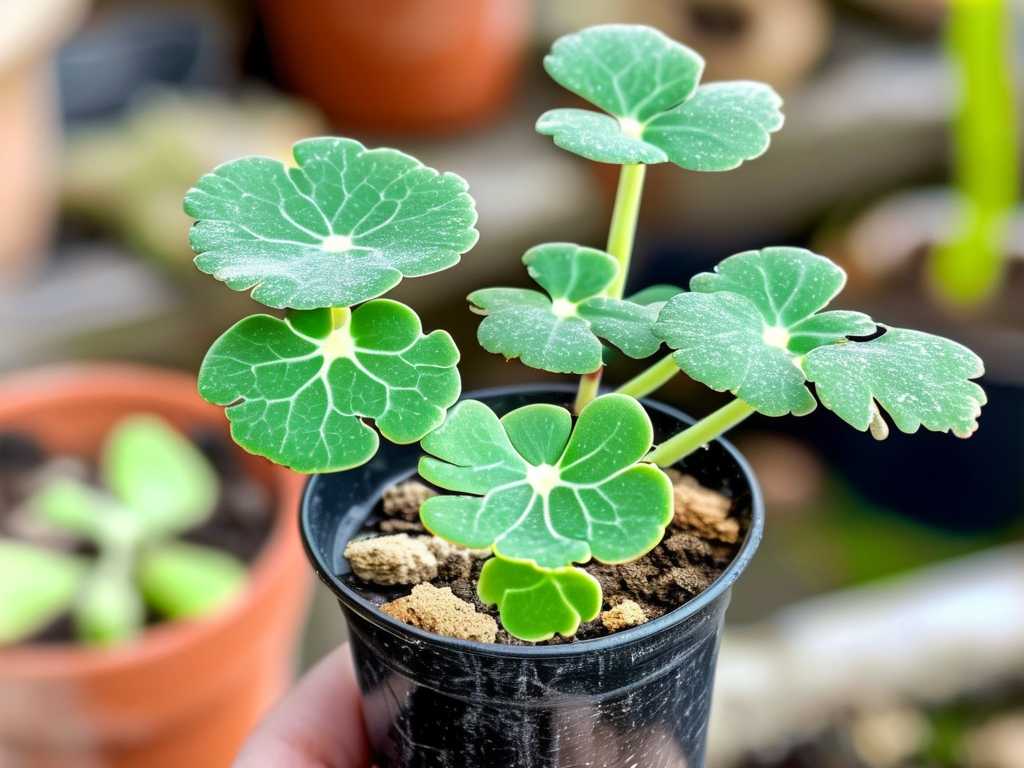
Watching a jade plant struggle with downy mildew is frightening, but it is a battle you can win. The path requires swift diagnosis, courageous pruning, the strategic use of the right systemic treatment, and a permanent change in your care habits. My journey from panic to success took focused effort over several weeks, but seeing those bright green new buds push through was worth every moment. Your jade plant is resilient. With this clear, tested plan, you can eliminate the fungal infection and help your plant return to its glorious, healthy state.





