 bluename
 How to Revive jade plant from Drought: 6 Rehydration Steps
I’ve been there. You come back from a trip, or life simply gets too busy, and you find your once-plump, vibrant jade plant looking sad and shriveled. Its leaves are wrinkled, thin, and maybe even dropping. That heart-sinking feeling is real. As a long-time indoor gardener, I’ve learned that a drought-stressed jade plant isn’t a death sentence. It’s a resilient succulent crying out for a careful, informed rescue. Through trial, error, and patient observation, I developed a reliable, step-by-step process to safely rehydrate a parched jade plant. This guide is born from my personal experience, including the mistakes I made, so you can successfully nurse your plant back to health.
Understanding Jade Plant Drought Stress
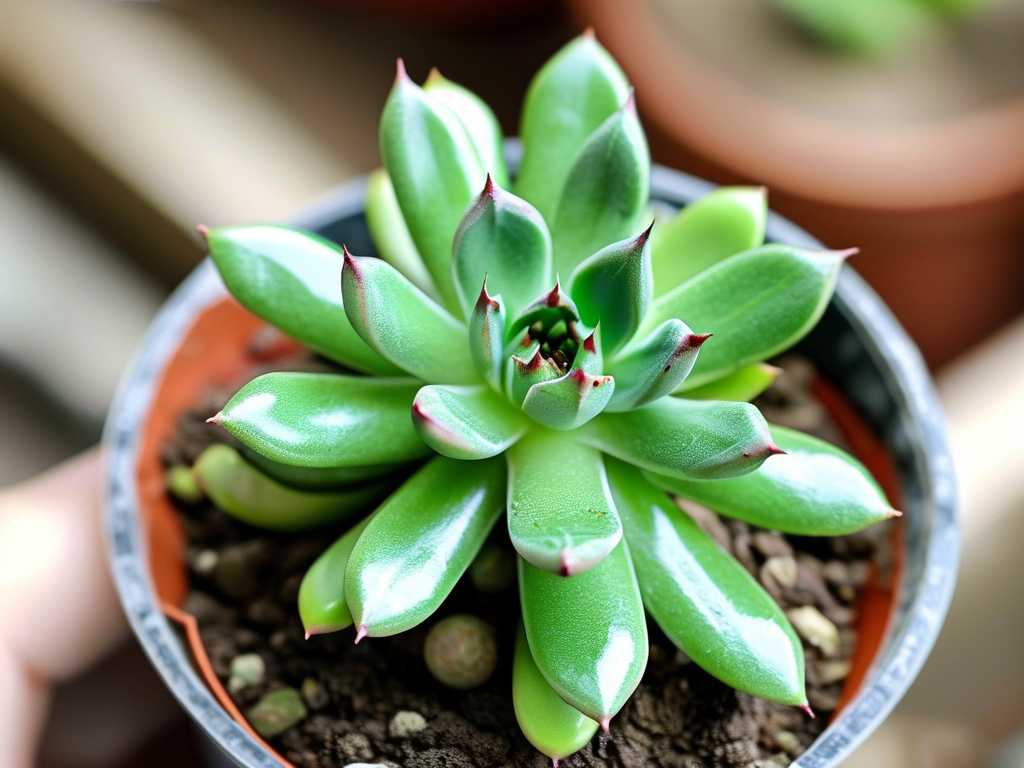
Before we dive into the rescue mission, it’s crucial to recognize the signs. A thirsty jade plant (Crassula ovata) communicates its distress clearly. The most obvious symptom is wrinkled, soft, or thin leaves. They lose their characteristic fleshy firmness and may appear deflated. In severe cases, leaves will turn brown, crisp up at the edges, or fall off at the slightest touch. The stems might also look slightly shriveled. It’s important to distinguish this from overwatering, where leaves become mushy, translucent, and yellow before falling. Drought stress leaves the plant looking dehydrated but not rotten.
According to the Royal Horticultural Society (RHS), succulents like jade plants store water in their leaves and stems, allowing them to withstand dry periods. However, prolonged drought exhausts these reserves, pushing the plant into survival mode. The American Horticultural Society (AHS) notes that the key to revival is not a sudden flood but a gradual reintroduction to moisture, which allows the damaged root system to recover without shock.
My 6-Step Rehydration Protocol
This isn’t a quick fix; it’s a two-week commitment to careful observation and adjustment. I performed this exact process on my own severely wilted jade, and here’s what worked.
Step 1: The Initial Assessment and Location Change
First, I moved my plant away from any direct sunlight. A dehydrated plant can’t cope with intense light, as it increases transpiration (water loss). I placed it in a spot with bright, indirect light—a north-facing windowsill was perfect. This reduces stress immediately, giving the plant a stable environment to begin recovery. I gently brushed away any completely dead, dry leaves from the soil surface to improve air circulation.
Step 2: The “Bottom Watering” Technique – A Game Changer
This was the most critical step where I learned from a past mistake. Years ago, I poured water directly onto the bone-dry soil of a stressed succulent. The water ran straight down the sides without wetting the root ball, and worse, it sat in the center, potentially causing rot in the weakened roots. The correct way to rehydrate a jade plant is through bottom watering.
I took my plant’s pot (with drainage holes, which is non-negotiable) and placed it in a sink or tray filled with about 2 inches of lukewarm water. I let it sit for 30-45 minutes. You’ll see the soil darken from the top as it draws moisture upward through capillary action. This method ensures the entire root ball gets evenly and thoroughly moistened without waterlogging the surface or crown of the plant. Once the topsoil feels damp, I removed the pot from the water and let it drain completely in the sink for another hour. No standing water in the saucer!
Step 3: Pruning for Recovery
After watering, I assessed the plant for any permanently damaged material. Using sterilized, sharp scissors, I carefully removed only the leaves that were completely brown, crispy, or blackened. I avoided pruning any slightly wrinkled but still green leaves, as they could still recover. The goal is to help the plant redirect its limited energy to regenerating healthy roots and new growth, not sustaining dead tissue. Be conservative here; it’s better to leave a questionable leaf than to over-prune.
Step 4: The Two-Week Observation and Care Schedule
Revival doesn’t happen in a day. I committed to a 14-day monitoring period. Here was my schedule:
- Days 1-3: I kept the plant in its bright, indirect light spot. I did not water it again. The soil remained lightly moist from the initial deep soak. The leaves were still wrinkled.
- Days 4-7: This is when I saw the first signs of hope. The deepest wrinkles on the sturdiest stems began to smooth out slightly. The leaves felt less papery and started to regain a hint of firmness. I resisted the urge to water.
- Days 8-10: More noticeable plumping occurred. I checked the soil by sticking my finger about 2 inches deep—it was now dry. This was my cue for a second, gentle bottom-watering session, this time for only 20 minutes.
- Days 11-14: The plant showed significant improvement. Most surviving leaves were nearly back to their normal, firm texture. I confirmed the plant was stabilizing.
Step 5: Addressing the “Pit” I Fell Into: Overwatering Panic
My biggest mistake in the past was “overwatering out of panic.” After the first soak, I didn’t see instant plumping, so I watered again two days later. This kept the roots too wet, and they began to rot, causing more leaf drop. I learned that succulents rehydrate from the roots up. The roots absorb water first, then slowly send it to the leaves. Leaf plumping can take several days to a week. Patience is the most important tool. If the soil is still damp, do not add more water.
Step 6: Long-Term Adjustments for a Resilient Plant
Once my jade was fully rehydrated after two weeks, I shifted to a long-term preventative care routine. I moved it back to its preferred spot with a few hours of direct morning sun. Most importantly, I changed my watering habit. Instead of watering on a calendar schedule, I now use the “soak and dry” method endorsed by succulent experts: I wait until the soil is completely dry all the way through, then water deeply via the bottom-watering technique until it drains freely. This mimics the natural boom-and-bust rainfall cycle succulents are adapted to.
Ensuring Your Jade Plant Thrives Post-Recovery
A revived jade plant needs the right conditions to stay healthy. Well-draining soil is essential—a mix labeled for cacti and succulents, which I now use, provides the gritty, fast-draining environment the roots need. I also ensure the pot is not too large, as excess soil holds moisture for too long. Finally, I monitor for new growth. The emergence of tiny, shiny new leaves from the stem tips is the ultimate sign that your jade plant recovery process is a complete success.
Common Questions About Reviving Jade Plants
How long does it take for a jade plant to recover from underwatering? From my experience, you’ll see the first signs of leaf plumping within 4-7 days. Full recovery, where the plant regains its firm, lush appearance and resumes normal growth, typically takes 2-3 weeks. Severe cases with significant leaf loss may take a month or more to look full again.
Can a jade plant come back after losing all its leaves? It depends on the stems. If the stems are still firm and green (not mushy or brittle), there is a good chance. Follow the rehydration steps, provide consistent indirect light, and be patient. The plant may bud new leaves from the stem nodes. If the stems are completely shriveled, brown, and dry, the plant may not be viable.
Should I fertilize my jade plant while it’s recovering from drought stress? Absolutely not. Fertilizing a stressed plant is like asking someone recovering from the flu to run a marathon. It forces energy into growth that the damaged roots cannot support. Wait at least one full month after you see consistent, healthy new growth before applying a diluted, balanced fertilizer at half-strength during the active growing season (spring/summer).
Watching a jade plant bounce back from the brink is incredibly rewarding. The process taught me more about plant resilience and communication than any textbook could. By understanding the signs of drought stress, employing the gentle bottom-watering technique, and practicing disciplined patience over a two-week period, you can almost always save your parched succulent. Remember, the goal isn’t just to add water, but to re-establish a healthy, trusting relationship with your plant’s natural rhythms. Your revived jade will thank you with years of sturdy, green growth.





