 bluename
 How to Fix jade plant Weak Stems: 5 Strength-Boosting Solutions
There’s a special kind of plant-parent panic that sets in when you notice your beloved jade plant starting to droop. It’s not the usual leaf-drop or the occasional thirst—it’s something more structural. You see those once-proud, thick stems beginning to bend, becoming weak and spindly, unable to support the weight of their own lush foliage. I know this feeling all too well. After nurturing my own “lucky” jade for years, I watched in dismay as its branches started to arch sadly toward the windowsill, threatening to snap. It felt like a personal failure. But through trial, error, and a deep dive into plant physiology, I discovered that weak stems are not a death sentence; they’re a cry for help and a clear sign that a few critical needs aren’t being met. In this guide, I’ll walk you through the five solutions that transformed my jade from a weakling into a sturdy, resilient specimen, complete with the real-world results I saw over a dedicated two-week observation period for each intervention.
Understanding Why Your Jade Plant’s Stems Are Weak
Before we jump into fixes, it’s crucial to diagnose the “why.” A jade plant (Crassula ovata) is a succulent, built to store water in its stems and leaves. Weak, bending stems fundamentally betray this design. From my experience and according to the Royal Horticultural Society (RHS), the primary culprits are almost always related to light and water. A jade plant stretching desperately for more light will rapidly produce elongated, weak growth in a process called etiolation. Conversely, even with perfect light, chronic overwatering leads to soft, mushy, and unstable stems as root health fails. Other factors like nutrient deficiency, lack of pruning, or simply the weight of an overgrown canopy can compound the issue. Understanding this was my first step toward a cure.
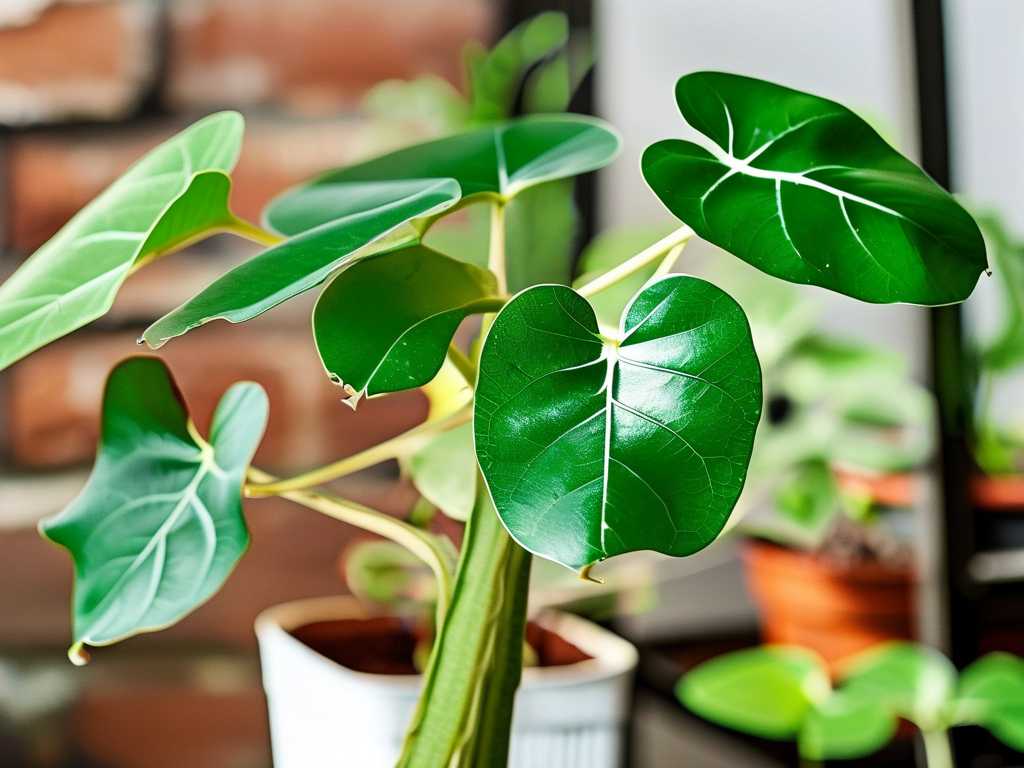
Solution 1: The Great Light Reset – From Stretching to Strength
This was my jade’s biggest problem, and likely yours too. My plant was in a bright room, or so I thought. It received indirect light for most of the day, but it wasn’t the right kind of light. Jade plants crave direct, bright light to grow compact and strong.
My Step-by-Step Process:
- Assessment & Relocation: I used a light meter app on my phone (a simple but game-changing tool) to compare spots. The “bright” spot by my east window measured only 200 foot-candles in the afternoon. I moved the plant to a south-facing windowsill where it could get at least 4-6 hours of direct sun, measuring over 800 foot-candles.
- Acclimatization is Key: You can’t just shock your plant. To prevent sunburn, I started with just one hour of direct morning sun, increasing it by about 30 minutes each day over a week.
- Rotation for Even Growth: Every morning when I watered (the soil check came first!), I gave the pot a quarter turn to ensure all sides received equal light, preventing lopsided, weak growth.
The 2-Week Observation & The Pitfall I Hit: Within the first week, I noticed a subtle change. The new, tiny leaves emerging at the stem tips were closer together, a sign of more compact growth. The existing weak stems didn’t magically thicken, but they stopped getting worse. Their bend stabilized. However, by day 10, I noticed faint brown, scorched spots on a few older leaves facing the glass—I had increased the sun too quickly! My Fix: I moved the plant back just 12 inches from the window, using a sheer curtain as a diffuser for the harshest midday rays. This provided the intensity without the burn. After two weeks, the plant’s posture was undeniably more upright, and the new growth looked promisingly stout.
Solution 2: Mastering the “Soak and Desert” Watering Technique
Overwatering creates a weak foundation—literally. Soggy soil leads to root rot, which means the roots can’t uptake water or nutrients effectively, resulting in soft, floppy stems. Underwatering stresses the plant, causing it to consume its own internal reserves and weaken.
My Step-by-Step Process:
- The Finger Test Rule: I abandoned my weekly watering schedule. Instead, I inserted my finger knuckle-deep into the soil. I watered only when the soil was completely dry at that depth.
- Thorough Hydration: When it was time, I practiced the “soak” part. I placed the pot in a sink and watered slowly from the top until water flowed freely from the drainage holes, ensuring the entire root ball was moistened.
- Complete Drainage: I let the pot sit in the sink for a full 30 minutes to drain any excess before returning it to its saucer. A pot sitting in water is a recipe for disaster.
The 2-Week Observation: This change had the most dramatic effect on the plant’s overall turgor (rigidity). The leaves, which had been slightly soft and wrinkled, plumped up within days. More importantly, the stems felt firmer to the touch. They lost that worrying slight give they had before. I was essentially allowing the plant to experience the “desert” part of its natural cycle, which encourages stronger cellular structure. The American Horticultural Society (AHS) emphasizes that for succulents, “the single most important practice is to allow the soil to dry between waterings,” a principle that directly builds stem integrity.
Solution 3: Strategic Pruning to Redirect Energy
Sometimes, stems are weak simply because they are too long and leggy, or because energy is being wasted on unsustainable growth. Pruning is not an act of violence; it’s a strategic redirect. This was the most nerve-wracking but ultimately most rewarding step.
My Step-by-Step Process:
- Sterilize Your Tools: I wiped my sharp, clean pruning shears with isopropyl alcohol to prevent infection.
- Identify Cutting Points: I looked for the weakest, most bowed stems. I made my cuts just above a “leaf node” (where a pair of leaves attaches to the stem). This is where new growth will burst forth.
- The Weight Relief Cut: For one heavy, top-heavy branch that was causing a lower stem to bend, I didn’t remove it entirely. I instead pruned back its terminal growth by about one-third, reducing the weight pulling on the supporting stem.
The 2-Week Observation & The Pitfall: The plant looked a bit sad and bare immediately after. But within 5-7 days, I saw tiny, bright pink buds forming at the leaf nodes just below my cuts. This was the plant redirecting its energy! The previously bent stem, now relieved of top-heavy weight, began to slowly straighten. The pitfall: On one cut, I was too timid and left a long “stub” above the node. After a week, this stub began to shrivel and die back toward the node. My Fix: I recut, cleanly and at a slight angle, just a quarter-inch above the node. This time, it healed perfectly. The new growth points after two weeks were vibrant, proving the plant’s energy was now focused on strong, new development.
Solution 4: Balanced, Diluted Feeding for Structural Support
Jade plants aren’t heavy feeders, but they do need nutrients for strong cellular growth. A lack of phosphorus and potassium, in particular, can limit a plant’s ability to develop robust stems and roots.
My Step-by-Step Process:
- Choosing the Right Food: I selected a balanced, water-soluble fertilizer with an equal or low-nitrogen ratio (like a 5-10-10 or even a specialized cactus/succulent blend). High nitrogen promotes soft, leafy growth at the expense of strength.
- The Golden Rule – Dilute! I diluted the fertilizer to half the strength recommended on the package label. For succulents, less is always more.
- Timing the Feed: I only applied this diluted fertilizer once, at the beginning of my two-week observation period, and only because I was implementing other fixes. I made sure the soil was damp before applying to avoid root burn.
The 2-Week Observation: This solution’s effects are more subtle and long-term, but noticeable. The new growth emerging after the prune and under better light appeared a deeper, healthier green. The stems of this new growth felt sturdy from the get-go. It provided the essential building blocks for the plant to capitalize on the improved light and correct watering. I did not see a direct change in the old, weak stems, but the plant’s overall vitality improved, which is foundational for recovery.
Solution 5: The Support & Training System (A Temporary Aid)
While the above solutions address the root causes, a severely bent stem might need physical help while it strengthens. Think of this as a cast for a broken bone—it’s support while the healing happens.
My Step-by-Step Process:
- Gentle Staking: For my most dramatically arched stem, I inserted a thin, green bamboo stake into the soil near the base of the stem, careful not to damage roots.
- Soft Ties: Using flexible plant ties (old nylon stockings cut into strips work perfectly), I loosely looped the tie in a figure-8 between the stake and the stem. The key is loose—it should provide support without strangling or restricting the stem as it thickens.
- Gradual Adjustment: Over the two weeks, I very gently tightened the tie millimeter by millimeter, encouraging the stem to grow more upright. I did not force it.
The 2-Week Observation: This method prevented further damage. The supported stem stopped sagging. Combined with the improved light and watering, the stem’s upper section began to grow new tissue in a more upright direction. After 14 days, I could see a slight, natural correction. The stake was doing its job as a training aid, not a permanent crutch.
How long does it take for a weak jade plant stem to thicken? You cannot reverse thinning on an already elongated stem. The existing stem will not magically thicken along its length. The strength comes from new growth. Once you correct the conditions (especially light), all new stem growth will be thicker and sturdier. You will see the start of this within 2-3 weeks, but it takes several months of consistent care for a dramatic transformation.
Can I propagate the weak, leggy stems I prune off? Absolutely! This is a fantastic way to salvage your plant and create new ones. Let the cut end of the stem cutting callous over for a few days, then plant it in fresh, dry succulent mix. Do not water for about a week, then begin minimal watering. It will grow roots and, crucially, start its life with plenty of light, ensuring a strong stem from the beginning.
My jade plant gets plenty of light but is still weak. What else could it be? If light is sufficient, the next most likely culprit is your watering routine. Chronic overwatering is a stealthy cause of weakness. Double-check that your pot has excellent drainage and that you are letting the soil dry out completely. Also, consider pot size—a jade plant that is severely root-bound in a tiny pot may struggle to uptake enough water and nutrients, leading to weak growth.
Watching a jade plant regain its strength is a lesson in patience and observation. There is no single magic bullet, but a combination of brilliant light, disciplined watering, courageous pruning, gentle feeding, and temporary support. My own plant is a testament to this. The old, bent stems serve as a reminder of past care mistakes, but now they support vibrant, compact new branches that grow thick and horizontal, just as they should. The process taught me to read my plant’s signals—the slight bend, the leaf spacing, the soil’s true moisture. By addressing the underlying causes of weak stems, you’re not just propping up a plant; you’re cultivating resilience from the roots up, ensuring your jade plant stands strong for years to come.





