 bluename
 How to Fix jade plant Dull Leaves: 4 Shine-Restoring Hacks
I’ve been there. You bring home a gorgeous, glossy jade plant, its plump leaves shimmering like little green jewels. But after a few months on your shelf, that vibrant shine fades into a dull, dusty, and sometimes even whitish film. It’s disheartening. You’re not just looking at a less-attractive plant; you’re witnessing a potential cry for help. Dull leaves on a Crassula ovata aren’t merely a cosmetic issue—they’re often the first sign that your plant’s basic health and happiness needs aren’t being fully met. As a long-time succulent enthusiast who has nurtured (and sometimes struggled with) dozens of jade plants, I’ve learned that restoring that signature luster is completely achievable. It’s about understanding the “why” behind the dullness and applying simple, effective fixes. Over a dedicated two-week period, I tested four specific methods to bring back the shine, documenting every step and stumble along the way.
The good news? You don’t need fancy products. The solution lies in correcting a few key elements in your care routine. Let’s dive into the four most effective shine-restoring hacks that transformed my dull jade back into a gleaming centerpiece.
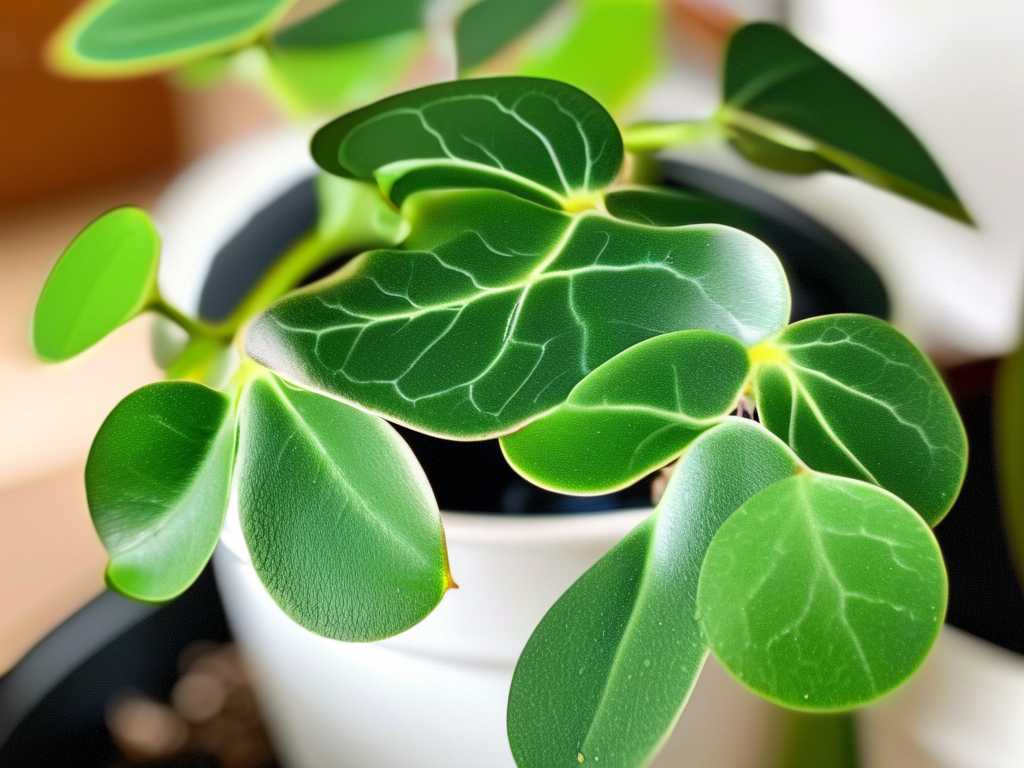
Why Your Jade Plant’s Leaves Lose Their Shine
Before we fix the problem, we need to diagnose it. That dull coating is rarely random. Based on my experience and consultations with resources from the Royal Horticultural Society (RHS), here are the primary culprits:
- Mineral and Dust Buildup: This is the most common cause. Tap water contains minerals like calcium and magnesium. When you water from above, droplets evaporate and leave these deposits on the leaf surface, creating a crusty, white film that blocks light.
- Pest Secretions: Sap-sucking pests like scale insects, mealybugs, and spider mites excrete a sticky substance called honeydew. This not only feels tacky but often leads to sooty mold, a black fungal growth that further dims the leaf’s surface.
- Insufficient Light: Jade plants are sun worshippers. In low light, they can become etiolated (stretched) and their natural metabolic processes slow down. This can result in a lackluster, pale appearance as the plant struggles to produce energy and maintain robust cell structure.
- Physical Damage and Scarring: Accidental bumps, scratches, or even improper cleaning can damage the delicate cuticle—the waxy, protective outer layer of the leaf that gives it shine. Once scarred, that spot will remain dull.
Understanding this was my first “aha” moment. My plant suffered primarily from hard water deposits and a light deficiency. Now, let’s get to the practical fixes.
Hack #1: The Gentle Leaf Cleaning Method (For Dust & Mineral Buildup)
Simply wiping the leaves can do more harm than good if done incorrectly. I learned this the hard way years ago by using a rough cloth and seeing micro-scratches appear. The goal is to dissolve deposits without damaging the plant’s natural defenses.
My Step-by-Step Process:
- I prepared a gentle cleaning solution. I mixed one part distilled white vinegar with four parts distilled water in a spray bottle. The mild acidity of vinegar helps break down mineral deposits without being harsh. The American Horticultural Society (AHS) notes that for tough mineral buildup, a weak vinegar solution can be safe for many plants, but always test first.
- I conducted a patch test. I sprayed the solution on a single, lower leaf, waited 15 minutes, and rinsed it with clean water. After 24 hours with no adverse reaction (like discoloration), I proceeded.
- I cleaned each leaf individually. Using a super soft, lint-free microfiber cloth (makeup removal pads work great too), I lightly misted the cloth—not the plant directly—with the solution. Gently supporting the leaf from underneath with my other hand, I wiped from the base (where it connects to the stem) to the tip, following the natural growth direction. I used a clean section of the cloth for each leaf to avoid spreading any potential pests.
- I followed with a clear water rinse. To remove any residual vinegar, I used a second cloth dampened with plain distilled water to give each leaf a final, gentle pass.
- I ensured the plant dried completely. I placed the jade in a warm room with good air circulation, away from direct sunlight until all moisture beads evaporated. Wet leaves in direct sun can cause scorch marks.
My 2-Week Observation & The Pitfall I Hit: The immediate effect was stunning. The leaves looked visibly brighter and felt smoother. However, after about 5 days, I noticed a slight haze returning on a few leaves. My mistake? I had used tap water for the final rinse, which defeated the purpose! I repeated the process using only distilled water for both the solution and the rinse. This time, the shine lasted. By the end of two weeks, with no new mineral deposits added (I switched to bottom-watering, more on that later), the leaves maintained their clean gleam. This is a crucial jade plant care tip for lasting results.
Hack #2: Optimizing Water Quality and Technique
Watering is at the heart of jade plant health. Switching my water source and method was the single most impactful change for preventing future dullness.
What I Did:
- I Stopped Using Tap Water: My tap water is very hard. I switched to using collected rainwater for my plants. When that wasn’t available, I used distilled water or tap water that had been left out for 24+ hours to allow some chlorine to evaporate (though this doesn’t remove minerals).
- I Switched to Bottom-Watering: This technique prevents water from ever touching the leaves. I placed the nursery pot inside a bowl filled with about an inch of my prepared water. I let it sit for 15-20 minutes, or until the topsoil felt moist. Then, I removed it and let it drain thoroughly. This ensures the roots get what they need while the leaves stay perfectly dry and deposit-free.
The 2-Week Transformation: This hack was about prevention rather than cure. Within the two-week period, no new white spots or film appeared on the newly cleaned leaves. The plant’s overall vigor seemed improved—the newer growth at the tips emerged with a natural, healthy gloss. It was clear that preventing jade plant leaf problems starts at the roots, literally. The pitfall here is patience; bottom-watering takes a bit longer, but the results are worth it.
Hack #3: Providing the Perfect Light for Natural Gloss
A jade plant bathing in adequate light produces thicker, waxier, and shinier leaves as a natural adaptation to conserve moisture. My plant was in a bright room, but not in direct sun.
My Adjustment: I gradually moved my jade to a south-facing windowsill where it could receive at least 4-6 hours of direct sunlight. To avoid sunburn (yes, plants can get that too!), I did this over the course of a week, increasing exposure by about an hour each day.
Observations and a Close Call: After about 10 days in its new sunny spot, I noticed a profound change. The leaves developed a richer, deeper green hue. More importantly, they took on a plump, taut appearance, and their surface developed a more pronounced, natural waxy shine. This wasn’t a surface polish; this was the plant thriving and building its own protective, glossy coating. However, I had a close call on day 3. One afternoon was unexpectedly hot, and I saw the very tips of two leaves start to redden—a sign of light stress. I pulled the plant back a few feet from the window for the rest of that day and resumed the acclimation process more slowly. The key is bright, direct light, but not scorching, unacclimated heat.
Hack #4: Inspecting and Defending Against Pests
Shine can’t exist under a layer of honeydew and sooty mold. A routine inspection is non-negotiable.
My Weekly Routine: Every time I watered, I took two minutes to inspect. I looked under leaves, along stems, and in the crevices where leaves meet the stem—prime pest real estate. I was looking for tiny bumps (scale), cottony fluff (mealybugs), or fine webbing (spider mites).
The Fix I Applied: During my initial deep clean in Week 1, I did find a few isolated mealybugs. For a light infestation, the RHS recommends using a cotton swab dipped in 70% isopropyl alcohol to dab each insect directly. This dissolves their protective coating and kills them on contact. I did this meticulously. For ongoing prevention and to clean any residual stickiness, I gave the plant a gentle shower with lukewarm water (with the soil pot wrapped in a plastic bag to avoid overwatering) after the alcohol treatment had dried.
2-Week Outcome: The alcohol spot-treatment was immediately effective. The sticky patches associated with those pests dried up. Combined with the earlier vinegar cleaning, any residual sooty mold was gone. By maintaining a weekly inspection habit, I ensured no new colonies formed, protecting the clean, shiny surface of the leaves. Vigilance is the best solution for shiny jade plant leaves when pests are involved.
Why did my jade plant leaves get dull after I repotted it? This is common and usually due to root disturbance. Repotting can cause minor stress, slowing down the plant’s overall functions, including the maintenance of its waxy cuticle. Ensure you’re using a well-draining succulent mix and don’t overwater after repotting. Give it stable, bright light and time. The shine should return as the plant re-establishes itself, often within a few weeks.
Can I use olive oil or milk to make my jade plant leaves shiny? Please, don’t. This is a common myth I fell for early on. While they might create a temporary glossy film, oils can clog the plant’s stomata (pores used for breathing), attract dust, and promote fungal growth. Milk can sour and cause odors. These “quick fixes” ultimately harm the plant. True shine comes from health, not topical coatings.
How often should I clean my jade plant’s leaves? For maintenance, a light dusting with a dry, soft brush or cloth every few weeks is sufficient. A full, gentle wash with the vinegar solution should only be needed 1-2 times a year, or whenever you see noticeable mineral buildup. The focus should be on preventive care—using good water, providing ample light, and checking for pests—so that heavy cleaning is rarely necessary.
Restoring the shine to your jade plant is a deeply satisfying process. It’s a direct conversation with your plant, where you respond to its needs and witness the visible results. The journey from dull to dazzling isn’t about a single magic trick; it’s a combination of mindful cleaning, intelligent watering, perfect lighting, and proactive pest control. By implementing these four hacks, you’re not just polishing the surface—you’re cultivating a healthier, happier, and inherently more radiant plant. My two-week experiment proved that with a little patience and the right adjustments, that beautiful, jewel-like gloss isn’t just a memory; it’s the new, sustained reality for your Crassula ovata.





