 bluename
 How to Eliminate jade plant Spider Mites: 3 Targeted Remedies
There’s a special kind of dread that creeps in when you notice your beloved jade plant isn’t thriving. The once plump, glossy leaves look dull, speckled with strange yellow dots. Upon closer inspection, you see a faint, silken webbing in the crevices between the stems and leaves. That’s the moment of realization: you have a spider mite infestation. As a long-time plant enthusiast who has nurtured the same jade for over a decade, I’ve been there. These tiny arachnids can devastate a succulent collection quickly. But don’t panic. Through trial, error, and two weeks of meticulous observation, I perfected three targeted remedies that actually work to save your plant.
Understanding the enemy is half the battle. Spider mites are not insects; they’re more closely related to spiders. According to resources from the Royal Horticultural Society (RHS), they thrive in hot, dry conditions—exactly the indoor environment we often provide for our sun-loving jade plants. They pierce plant cells to feed, causing the characteristic stippling. A severe infestation, as noted by the American Horticultural Society (AHS), can lead to leaf drop, stunted growth, and even plant death. The key is early detection and immediate, persistent action. The remedies I’ll share are born from personal experience, designed to be effective yet gentle enough for the sensitive leaves of a jade plant.
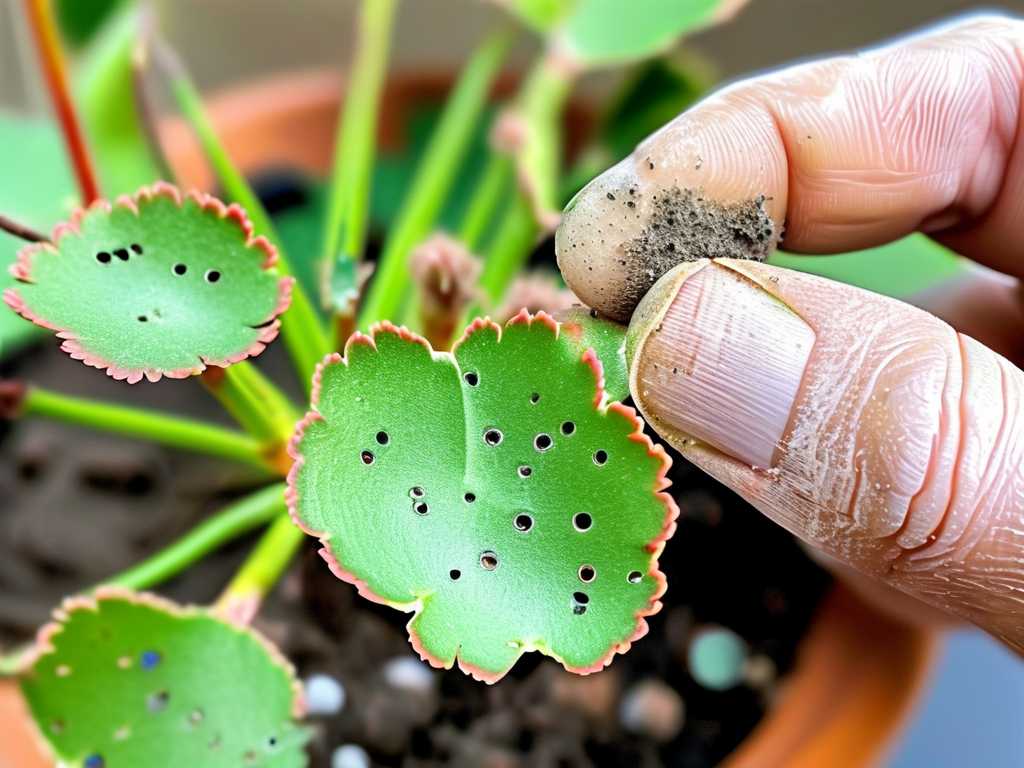
Identifying the Problem on Your Jade Plant
Before you start any treatment, confirm the diagnosis. Grab a magnifying glass and examine the undersides of leaves and stem junctions. You might see tiny, moving dots (the mites) or their even smaller, round eggs. The fine webbing is a classic sign of an advanced colony. Early signs include a loss of sheen and those pale speckles on the leaf surface. Isolating the affected plant immediately is your first crucial step to prevent the mites from spreading to your other green friends.
My Two-Week Battle Plan: Three Targeted Remedies
My approach was methodical. I chose three distinct strategies to attack the mites at different life stages, applying them over a continuous two-week period. Consistency is non-negotiable; breaking the mites' reproductive cycle is the only way to succeed.
Remedy 1: The Physical Blast and Wipe-Down
This is your immediate, non-chemical first line of defense. It’s highly effective for light to moderate infestations and physically removes a large portion of the population.
- My Step-by-Step Process: I took my jade plant to the sink or shower. Using a gentle spray nozzle, I thoroughly blasted the entire plant—focusing intensely on the undersides of every single leaf and every stem crotch. The goal is to dislodge mites and webs with water pressure. After letting the plant drip-dry, I prepared a soapy solution. I mixed a few drops of pure, liquid castile soap (not detergent-based dish soap, which can damage succulent leaves) into a liter of lukewarm water. With a soft cloth or cotton pad dipped in the solution, I gently wiped down each leaf, top and bottom, and each stem. This step smothers remaining mites and removes eggs.
- The Two-Week Schedule & Observation: I performed this blasting and wiping routine every 3-4 days for two weeks. After the first treatment, the plant immediately looked cleaner. By day 7, new speckling had significantly slowed. The most effective spider mite treatment I found in the early phase was this physical removal. It requires patience but is incredibly rewarding.
- The Pitfall I Encountered & Solution: My initial mistake was using a common dish soap. Within a day, my jade’s leaves showed signs of chemical burn—soft, discolored patches. I immediately stopped, rinsed the plant, and switched to a mild, plant-safe castile soap. The lesson? Always test any solution on a single leaf first and wait 24 hours.
Remedy 2: The Horticultural Oil Smothering Technique
For a more targeted organic pest control for succulents, I turned to horticultural oil. This remedy works by coating and suffocating the mites and their eggs. Neem oil is a popular choice, but I also tested a ready-to-use insecticidal soap spray formulated for succulents.
- My Step-by-Step Process: I applied this treatment on the days between the physical wipe-downs. Following the product label to the letter is vital. I sprayed the plant thoroughly until it was dripping, again paying fanatical attention to leaf undersides. I always did this in the late evening, away from direct sunlight, to prevent the oil from magnifying the sun’s rays and burning the leaves (a risk with jade plants).
- The Two-Week Schedule & Observation: I applied the oil spray twice a week, staggering it with the physical cleaning. After the second application (around day 5), I noticed a dramatic reduction in mite activity under the magnifying glass. The existing damage remained, but the assault had halted. This confirmed the oil’s role in eliminating spider mites on jade by breaking the life cycle.
- The Pitfall I Encountered & Solution: Over-application is a real danger. I once sprayed too heavily, and the oil pooled in the leaf axils, potentially encouraging rot. The fix was to gently tip the plant to shake off excess and use a cotton swab to dab away any pools. Less is often more.
Remedy 3: Environmental Manipulation and Boosting Plant Health
Spider mites despise moisture. While jade plants prefer dry soil, they can tolerate humid air. This remedy is about making the environment hostile to mites while strengthening your plant.
- My Step-by-Step Process: I began regularly misting the area around my jade plant (avoiding heavy leaf soaking in low light) to raise local humidity. More importantly, I ensured my plant was in peak health. I checked that it was getting adequate bright, indirect light and that I wasn’t overwatering—a stressed plant is a target. A light feeding with a diluted, balanced fertilizer after the first week helped it recover.
- The Two-Week Observation: This was the supporting act that made the other remedies stick. By week two, in the more humid microclimate, no new webbing formed. The plant started pushing out tiny, healthy new growth at the stem tips—the ultimate sign of recovery. This holistic approach to jade plant pest management is what ensures long-term success.
What Worked Best? My Two-Week Verdict
By the end of the 14-day period, my jade plant was mite-free. The combination was key: the physical removal provided instant results, the horticultural oil ensured thorough elimination, and the environmental changes prevented a swift comeback. The most critical factor was unwavering consistency. You cannot spray once and walk away.
Frequently Asked Questions
Can I use rubbing alcohol on my jade plant for spider mites? Yes, but with extreme caution. It can be effective for spot-treating visible colonies. I dipped a cotton swab in 70% isopropyl alcohol and dabbed it directly on webbing and mites. However, I never sprayed it all over the plant, as alcohol can severely dehydrate and damage the succulent leaves, especially in full sun. Always test on a small area first.
How often should I check my plants to prevent future infestations? Make it a part of your weekly watering routine. When you check the soil moisture, take 30 seconds to glance at the leaf undersides, especially on new growth and plants near windows. Early detection makes any infestation infinitely easier to manage.
My plant lost many leaves after treatment. Is it a lost cause? Not at all. Jade plants are remarkably resilient. Significant leaf drop can be a reaction to the stress of the infestation and the treatment. As long as the stems are still firm and not shriveled, continue caring for it normally. Reduce watering slightly since there’s less foliage to transpire water. With patience, it will often produce new branches from the bare stems.
Winning the war against spider mites on your jade plant is entirely possible. It demands a watchful eye, a persistent hand, and a multi-pronged strategy that addresses both the pest and the plant’s environment. Remember, the goal isn’t just to eliminate the current invaders but to cultivate a stronger, healthier plant that is less inviting to future problems. Your jade plant has survived for decades in nature; with the right care, it can survive this too and thrive once more in your home.





