 bluename
 How to Stop jade plant Leaf Drop in Summer: 5 Heat-Related Fixes
I was heartbroken. Last summer, I watched my beloved, decades-old jade plant, a treasured heirloom from my grandmother, begin a rapid decline. Its plump, vibrant leaves were turning soft, wrinkling, and then dropping one by one, creating a sad little green carpet around its pot. I panicked, thinking it was a disease or worse. After weeks of trial, error, and deep research, I discovered the true culprit wasn’t a bug or a fungus—it was the relentless summer heat. If you’re seeing the same distressing signs, don’t despair. Your jade plant isn’t dying; it’s screaming for help with the heat. Through my own hands-on experience, I identified five critical, heat-related fixes that completely turned things around over a two-week period.
Understanding why this happens is the first step to fixing it. Jade plants (Crassula ovata) are succulents, masters of storing water in their leaves and stems. However, their natural cooling mechanisms can be overwhelmed during intense summer heat. High temperatures accelerate evaporation from the soil and, more critically, transpiration from the leaves. When water loss outpaces the plant’s ability to absorb it from the roots, it starts to sacrifice its oldest leaves to conserve moisture for survival. It’s a dramatic stress response. As the Royal Horticultural Society (RHS) notes, succulents can enter a state of semi-dormancy in extreme heat, slowing growth and becoming more susceptible to stress from other factors like incorrect watering. My mission became clear: I needed to replicate a cooler, more stable microclimate and adjust my care routine to support my plant through the thermal onslaught.
Relocate for Indirect Light and Cooler Ambiance
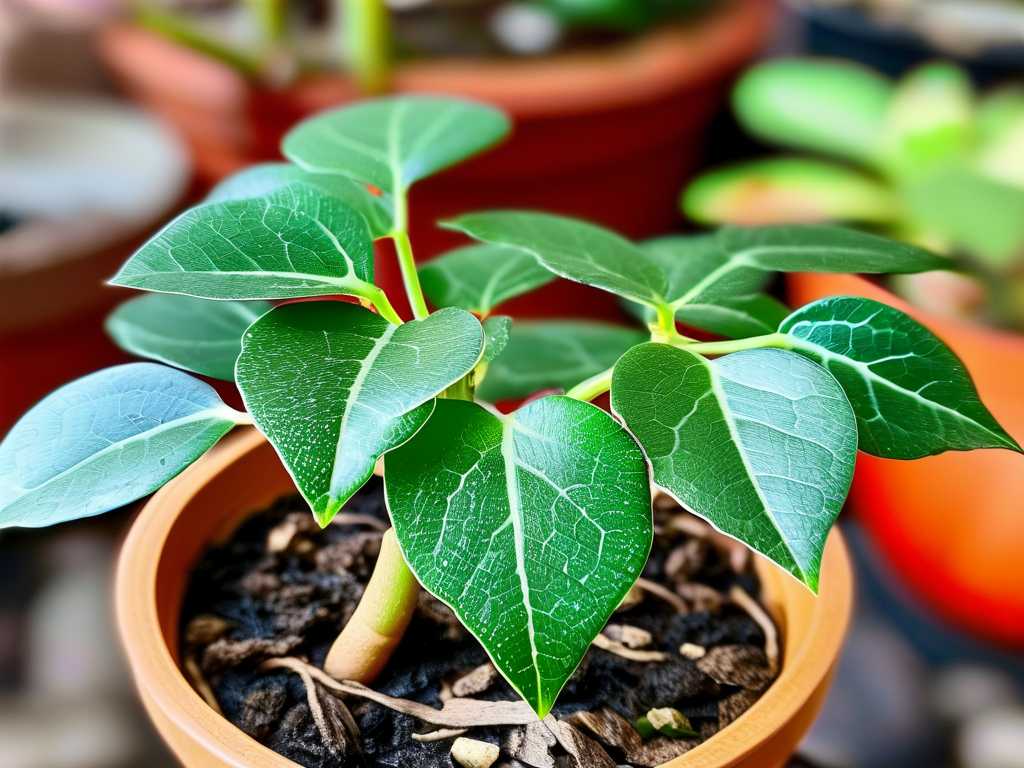
My first mistake was leaving my jade in its prized spot on a south-facing windowsill where it thrived in spring. The summer sun through that glass was essentially baking it. The fix was a strategic relocation. I moved it about 5 feet back into the same room, to a bright table where it received abundant, but purely indirect, light for most of the day. The goal is to avoid the intense, direct rays between 10 a.m. and 4 p.m. An east-facing window that gets gentle morning sun is also an excellent summer home.
- My Two-Week Observation: Within just 3-4 days of the move, I noticed a complete halt in the daily leaf drop. The remaining leaves stopped looking so stressed and limp. This was the single most effective change I made. It directly addressed the primary source of heat stress.
Master the “Soak and Dry” Watering Method for Heat Waves
Here was my second big pitfall: I was watering more frequently, but I was watering shallowly. I’d give it a little drink every few days, thinking I was helping. This was a disaster. Shallow watering encourages roots to stay near the hot, dry surface and doesn’t provide the deep reservoir the plant needs. The correct method is the “soak and dry” approach, but with a summer twist.
- Check the Soil: I inserted my finger deep into the pot, a full 2-3 inches down. If it was completely dry, it was time.
- The Deep Soak: I took the plant to the sink and watered it slowly and thoroughly, allowing water to run freely out of the drainage holes for a solid minute. This ensures the entire root ball is saturated.
- Drain Completely: I let it sit in the sink to drain for an hour, ensuring no water was left in the saucer to create a humid, root-rot-inducing environment.
- The Pitfall & Fix: I learned the hard way that watering in the midday heat is inefficient—more water evaporates. I switched to watering deeply in the early morning or late evening when temperatures were cooler, allowing the plant to uptake water more effectively. Over two weeks, this deep watering rhythm (which ended up being about every 10-12 days, not weekly) restored turgor pressure, and the leaves plumped back up beautifully.
Optimize Air Circulation and Humidity Management
Stagnant, hot air is a silent stressor. While jade plants prefer low humidity, a complete lack of air movement around a heat-stressed plant can worsen the situation. I placed a small, oscillating fan on a low setting across the room from my plant, ensuring it wasn’t blowing directly on it but promoting gentle air movement in the entire space. This helped cool the leaf surface and reduced the risk of fungal issues that can exploit a weakened plant.
Conversely, I was careful to keep it away from the direct blast of air conditioning vents. The sudden, cold, dry air from AC is another form of shock. According to insights from the American Horticultural Society (AHS), avoiding drastic temperature fluctuations is key for plant health. The gentle fan, combined with my relocation, created a stable, breezy environment without extreme temperature drops.
Conduct a Mid-Summer Nutrient Check
Fertilizing a stressed plant can burn its roots and accelerate decline. I had fertilized in late spring, so I immediately stopped all feeding when the leaf drop began. My two-week observation period was a “nutrient holiday.” The goal was to reduce metabolic demand, not stimulate growth. Once the plant stabilized and stopped dropping leaves after week two, I considered a very diluted, half-strength feeding with a balanced, water-soluble fertilizer. But in truth, for that summer, I mostly let it be. The energy was directed toward recovery, not new growth.
Evaluate Pot and Soil for Thermal Mass and Drainage
This is a longer-term fix I implemented after the crisis. My jade was in a dark, plastic pot. Dark colors absorb heat. For the following season, I repotted it into a light-colored, terracotta clay pot. Terracotta is porous, allowing the soil to breathe and excess moisture to evaporate, which naturally cools the root zone. More urgently, I checked my soil mix. A dense, moisture-retentive mix holds heat. I amended it with extra perlite and coarse sand to improve drainage and aeration, creating a cooler, grittier environment that jade roots adore.
My Two-Week Recovery Timeline and Lasting Results
- Days 1-3: Relocated plant, started deep watering protocol. Leaf drop continued but slowed.
- Days 4-7: Daily leaf drop stopped completely. Remaining leaves felt less soft.
- Days 8-14: Leaves began to firm up and regain their glossy sheen. No new signs of stress appeared. The plant looked stable and quietly healthy again.
The transformation wasn’t about lush new growth; it was about the cessation of decline and the return of resilience. By addressing the heat holistically—through light, water, air, and environment—I gave my jade plant the tools to endure the summer.
Why are the leaves on my jade plant turning yellow and soft before falling off in summer? This is the classic sign of heat stress combined with likely watering issues. The heat accelerates water loss, and if the roots are in hot soil or the watering is insufficiently deep, the plant cannibalizes its leaves. Soft, yellowing leaves indicate this water-stress sacrifice. Focus on deep watering and cooling the plant’s location first.
Can I mist my jade plant to cool it down in hot weather? I do not recommend misting jade plants. As succulents, they are adapted to dry air, and misting can lead to water sitting in leaf axils, promoting rot and fungal diseases. It provides only momentary relief. Far more effective is increasing ambient air circulation with a fan and ensuring the roots have access to deep soil moisture.
Should I repot my jade plant immediately if it’s dropping leaves in summer? No, avoid repotting during a stress event. Repotting is itself a major stressor that can worsen the situation. Focus on the environmental and care fixes first—light, water, and air. Once the plant has stabilized and stopped dropping leaves (which my methods achieved within two weeks), you can plan a repot for the following cooler season, opting for a well-draining mix and a terracotta pot to prevent future heat-related root issues.
Watching a jade plant shed its leaves is alarming, but it’s a powerful communicator. That leaf drop is a direct signal that its current environment is too demanding. These five fixes are not just theories; they are the exact, sequential steps I took to rescue my own plant. The solution lies in shifting from a routine of simple care to one of strategic heat management. By providing bright indirect light, mastering deep watering, ensuring gentle airflow, holding back on fertilizer, and planning for a cooler root zone, you can help your jade plant not just survive, but confidently weather the summer heat. My plant is now greener and more robust than ever, a testament to the power of understanding and responding to its silent, leafy language.





