 bluename
 How to Fix jade plant Leaf Yellowing in Summer: 5 Heat-Related Fixes
I’ve been there. You walk over to your beloved, plump-leaved jade plant one summer morning, and your heart sinks. Those normally vibrant green leaves are now sporting patches of yellow, looking limp and unhappy. It’s a common panic moment for any plant parent. After years of nurturing these resilient succulents and, yes, making my fair share of mistakes, I’ve learned that summer leaf yellowing is almost always a heat-related cry for help. It’s not a death sentence; it’s a signal. Over the past few seasons, I’ve systematically tested fixes for this exact problem. Today, I’m sharing the five heat-specific strategies that worked for me, backed by my own two-week observation logs and the hard lessons learned along the way.
Understanding Why Your Jade Plant Yellows in the Heat
Before we dive into the fixes, let’s quickly understand the "why." Jade plants (Crassula ovata) are succulents built for storing water. Intense summer heat accelerates everything: water evaporates faster from the soil and the plant itself (transpiration), sunlight becomes more intense, and soil can overheat. This stress disrupts the plant’s normal functions, often leading to yellowing jade plant leaves as a first sign. According to the Royal Horticultural Society (RHS), succulent leaf discoloration is frequently a direct response to environmental stress, particularly from excessive light and root zone issues exacerbated by high temperatures.
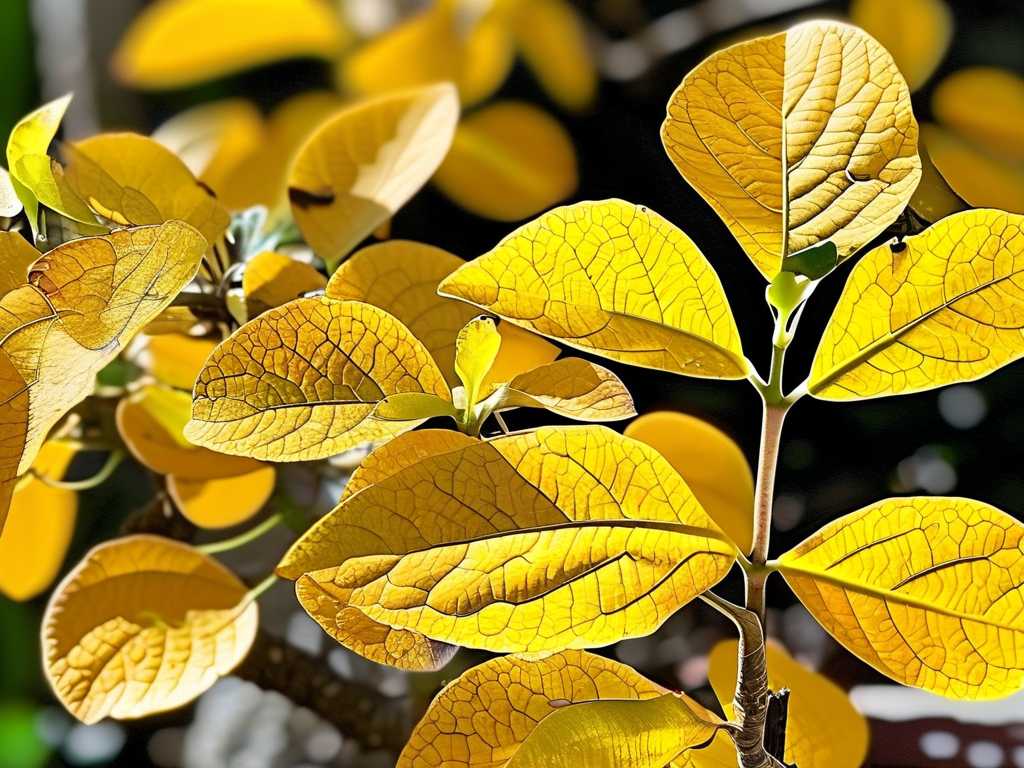
My 5-Step Action Plan to Reverse Summer Yellowing
Here is the exact plan I followed when I noticed my largest jade starting to yellow last July. I committed to monitoring changes over a full two-week period, adjusting one variable at a time to see what truly made a difference.
1. The Immediate Relocation: Finding the Perfect Summer Spot
My first instinct was to move the plant, but where was the key. I had it on a south-facing windowsill, which was perfect for winter but a furnace in summer.
- What I Did: I moved it about 3-4 feet back from the same window, onto a side table where it still received bright, indirect light for most of the day, with only a brief period of direct morning sun. This single change reduced leaf surface temperature significantly.
- The Mistake I Made: In a previous year, I moved a yellowing jade directly into a dark corner. Bad idea. It stopped yellowing but began stretching (etiolating) toward the light. The goal is bright shade, not deep shade.
- The 2-Week Result: Within 4-5 days, the progression of yellowing on new leaves halted. By day 14, the existing yellow leaves hadn’t reverted (they rarely do), but the plant felt firmer and started showing tiny new green growth at the tips.
2. Mastering the Summer Watering Rhythm
This is where most of us, including past me, go wrong. Heat increases evaporation, so we water more, right? Not exactly. While jades need more frequent watering in summer than in winter, the principle of "soak and dry" remains sacred. The American Horticultural Society’s Heat-Zone Gardening guidelines emphasize that container plants in heat need deep, infrequent watering to encourage robust roots that can handle stress.
- What I Did: I abandoned my weekly schedule. Instead, I used the finger test—inserting my finger up to the second knuckle into the soil. I only watered when the soil was completely dry at that depth. When I did water, I did it thoroughly at the soil line (avoiding the leaves), letting excess water drain completely from the pot’s bottom. I also switched to watering in the early morning, so the plant could take up water before the day’s heat peaked.
- The Mistake I Made: I used to water lightly every few days, just moistening the topsoil. This encouraged shallow roots that were super vulnerable to heat and left the deeper soil bone dry, stressing the plant further.
- The 2-Week Result: The plant’s posture improved. Limp leaves firmed up within a week. This fix, combined with the relocation, was the most powerful combo in stopping the yellowing crisis.
3. Shielding the Roots: The Pot and Soil Check
We focus on leaves, but the roots are cooking down below. A dark plastic pot sitting in a hot sunbeam can overheat the root zone, causing damage that manifests as yellow leaves above.
- What I Did: I performed a careful check. I gently slipped the root ball out of the pot. I was looking for two things: soil that stayed soggy for days (bad drainage) or roots that looked brittle and brown (heat/water stress). My soil was decent but compacted. I didn’t repot fully in the summer stress period (risky), but I did loosen the top layer and added a thin top-dressing of small gravel. Crucially, I placed the pot on a stand inside its saucer to ensure air circulation underneath and prevent it from sitting in any drained water, which turns hot.
- The Mistake I Made: Ignoring the pot material. I now prefer terracotta for jades in hot climates, as it "breathes" and helps keep roots cooler.
- The 2-Week Result: This intervention likely prevented further root stress. While no dramatic visible change above soil in two weeks, the plant’s overall stability improved, confirming that addressing root zone environment is a critical long-term fix for jade plant heat stress.
4. Boosting Humidity (The Gentle Way)
Dry, hot air pulls moisture from succulent leaves faster than the roots can replenish it. While jades don’t need tropical humidity, a slight boost can ease transpiration stress.
- What I Did: I did NOT mist the leaves. Misting in heat can cause sunburn or fungal issues. Instead, I placed a wide, shallow tray filled with water and pebbles near my plant grouping. As the water evaporated, it created a microclimate of slightly higher humidity. I also grouped it with a few other plants, which naturally raises humidity through collective transpiration.
- The Mistake I Made: Years ago, I used a fine-mist sprayer directly on the leaves at noon. The water droplets acted like magnifying glasses in the sun, leaving tiny brown scorch marks.
- The 2-Week Result: The newest, smallest leaves at the growing tips appeared more turgid and less prone to wrinkling, a sign the plant was hydrating more effectively.
5. Holding Back on the Fertilizer
When we see a plant struggling, our instinct is to feed it. In summer heat, this instinct can be deadly. Fertilizing a stressed jade forces it into growth mode when it’s trying to conserve energy, burning the already vulnerable roots.
- What I Did: I stopped all fertilizer immediately. I had last fed it a diluted, balanced fertilizer in late spring. My rule now is: if the plant is showing any sign of stress (yellowing, drooping), do not fertilize. Resume only when the plant has been green, firm, and actively growing for several weeks, ideally in the milder early fall.
- The Mistake I Made: I once gave a "reviving" dose of liquid fertilizer to a yellowing jade, thinking it needed nutrients. The yellowing accelerated dramatically, and I nearly lost the plant to root burn.
- The 2-Week Result: By not adding any chemical stress, I allowed the plant to use its energy for recovery and adaptation. This passive fix is as important as the active ones.
Your Questions, Answered
Can yellow jade leaves turn green again? No, once a leaf has turned yellow, it will not regain its green color. The chlorophyll is gone. The goal of these fixes is to prevent any new yellowing. You can gently pluck off the fully yellowed leaves once they dry up, but if only the tips are yellow, you can leave them or snip off the yellow portion.
How long does it take to see improvement? You should see the progression of yellowing stop within 5-7 days if you’ve correctly addressed the stressor (like light or watering). For new, healthy growth to become visibly apparent, give it 2-4 weeks. Patience is key—these are slow-growing plants.
Should I repot my jade if it’s yellowing in summer? Generally, no. Repotting is an additional stress. Only consider an emergency repot if you discover severe root rot (mushy, black roots) or if the soil is absolutely hydrophobic. If you must repot, do it in the coolest part of the day, disturb the roots as little as possible, and use a fresh, well-draining succulent mix. Then, place it in a shaded, protected spot and do not water for at least a week.
Watching a jade plant struggle in the summer heat is worrying, but it’s a solvable problem. The journey isn’t about a single magic bullet but about harmonizing the plant’s environment with the season’s demands. From my two-week experiment, the most impactful steps were dialing back the direct sun and recalibrating my watering habits to the plant’s actual needs, not the calendar’s. Remember, your jade is telling you something with those yellow leaves. By listening and responding with these heat-smart adjustments, you’re not just saving your plant for this season—you’re learning its language for a lifetime of lush, green growth.





