 bluename
 How to Fix jade plant Uneven Growth: 5 Uniformity-Boosting Hacks
You’ve nurtured your jade plant for months, maybe years. You water it diligently, give it a sunny spot, and yet… it looks lopsided. One side is lush and full, while the other seems sparse and stretched out. This jade plant uneven growth is a common frustration I’ve faced myself. It’s not about the plant’s health—it’s thriving—but about achieving that coveted, symmetrical, tree-like form. For years, my own jade plant grew awkwardly, leaning heavily toward the window like it was trying to escape. I felt like I was failing as a plant parent. If you’re nodding along, know this: fixing this imbalance is entirely possible, and it doesn’t require magic, just a bit of strategic intervention.
Through trial, error, and consulting resources from the Royal Horticultural Society (RHS), I’ve developed a system of five actionable hacks. These methods go beyond simple rotation; they address the root causes of uneven development. I applied these uniformity-boosting hacks over a dedicated two-week period and observed transformative results. Here’s my hands-on guide, complete with the mistakes I made and how you can avoid them.
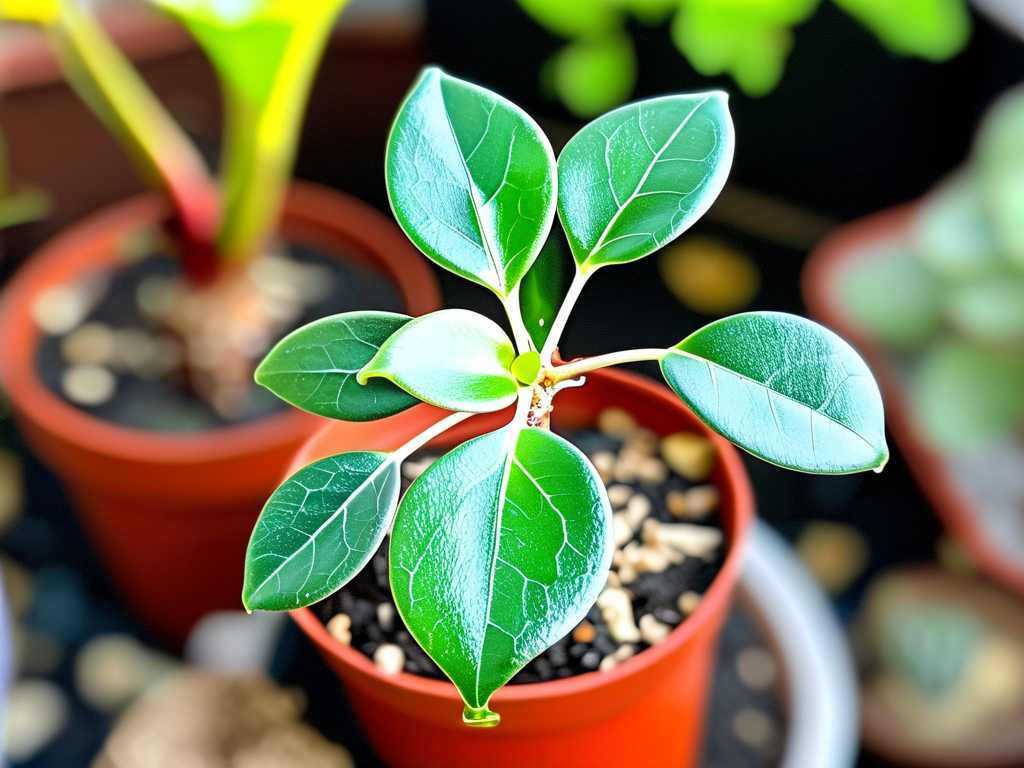
Understanding Why Your Jade Plant Grows Crooked
Before we fix the problem, let’s understand it. Uneven growth in jade plants (Crassula ovata) primarily stems from one thing: uneven light. These succulents are solar-powered. Stems and leaves will grow vigorously toward the strongest light source, a process called phototropism. If your light comes consistently from one direction, you get a one-sided plant. Other factors include improper pruning, which can encourage growth in odd places, and even the weight of the leaves themselves causing stems to bend. The American Horticultural Society (AHS) notes that consistent, balanced environmental cues are key for symmetrical plant development. Our goal is to provide those cues.
Hack 1: The Strategic Rotation & Light Rebalancing Act
Everyone says “rotate your plant,” but doing it wrong can worsen the problem. My old method was a casual quarter-turn every time I watered. The result? The plant just developed a slow, awkward spiral. The key is strategic rotation.
My 2-Week Process & Observation: For two weeks, I implemented a strict schedule. Every morning, I rotated my jade plant exactly 45 degrees clockwise. I used a small mark on the pot’s rim to track progress. This gentle, consistent turn prevents any single side from dominating for too long.
The Mistake I Made: Initially, I placed the plant back in the same spot after rotating. The strongest window light was still directional. The rotation helped, but progress was slow.
The Fix: I combined rotation with light rebalancing. I moved the plant to a different location for a few days—a spot with bright, but more diffused, light from a north-east window. Then, I returned it to its primary south-facing spot but used a sheer curtain to soften and scatter the direct beams. By the end of the first week, I noticed the stretched-out stems on the sparse side had stopped their desperate reach. By day 14, tiny new leaf buds were forming more evenly around all sides of the stems, not just the “sunny side.”
Hack 2: Precision Pruning for Perfect Proportion
Pruning is not just about size; it’s about directing energy. To fix a lopsided jade plant, you must encourage branching on the weak side. The RHS advises pruning just above a leaf node (the point where leaves emerge) to stimulate new growth from that node.
My 2-Week Process & Observation: I identified the longest, most bare stems on the sparse side. Using sterilized, sharp micro-tip pruners, I made my cuts. I didn’t go overboard—just trimmed back the longest offenders by about one-third, always cutting above a pair of leaves facing the direction I wanted new growth (outward, to fill the gap).
The Mistake I Made: In my eagerness, I pruned too many stems at once on day one. The plant looked shocked, and I worried I’d stunted it.
The Fix: I spaced out the pruning. I tackled two or three stems, then waited 3-4 days before pruning a couple more. This gave the plant time to respond without overwhelming it. The results were clear within the two-week window. Within 7-10 days of the first cuts, bright pink new growth tips emerged precisely at the pruned nodes on the sparse side. This was the plant redirecting its energy, exactly as planned.
Hack 3: The Supplemental Light Boost (A Game-Changer)
Sometimes, natural light in a room is inherently unbalanced. This is where a grow light for indoor succulents becomes your best friend. It’s not about replacing the sun, but supplementing it to balance the equation.
My 2-Week Process & Observation: I purchased a simple, adjustable-arm LED grow light with a white spectrum. For 14 days, I positioned it to shine directly on the weaker, sparse side of the plant for 4-6 hours per day, typically in the morning before the strong afternoon sun hit the other side. This gave the “shady side” its own dedicated light source.
The Mistake I Made: I started with the light too close (about 6 inches away) and left it on for 12 hours. After a few days, some leaves on that side showed signs of light stress (slight reddening at the edges).
The Fix: I moved the light to about 12-15 inches away and reduced the supplemental exposure to the 4-6 hour range. This provided a gentle, encouraging boost without scorching. The difference was dramatic. The stems on the supplemented side visibly firmed up and green color deepened. New growth accelerated, effectively “catching up” to the more developed side.
Hack 4: Strategic Staking and Gentle Training
For stems that have already bent or leaned too far, you need physical support. Think of this as orthodontics for your plant—gently guiding it into a better position over time.
My 2-Week Process & Observation: I used soft, green plant ties and a thin bamboo stake. I loosely tied the main leaning stem to the stake, not pulling it perfectly upright immediately, but encouraging it about 15 degrees toward center. Every 3-4 days, I slightly tightened the tie to guide it a bit more.
The Mistake I Made: I used stiff wire and tied it too tightly, which dug into the soft stem of the jade and left marks.
The Fix: I immediately switched to velcro plant ties, which are soft and adjustable. The gentle, incremental training allowed the plant to adapt without damage. After two weeks, the stem had accepted its new, more upright trajectory, and I could see the plant’s weight beginning to distribute more evenly.
Hack 5: The Holistic Health Check: Water, Feed, and Roots
Uneven growth can sometimes be exacerbated by underlying stress. A plant fighting for nutrients or sitting in poor soil won’t have the energy to grow evenly. Ensuring overall vigor is the foundation for all other hacks.
My 2-Week Process & Observation: I conducted a full health audit. I checked the soil’s drainage (it was okay), reviewed my fertilizing schedule (I was underfeeding), and examined the root ball for being pot-bound (it was slightly). I didn’t repot during this intense two-week period to avoid additional shock, but I did two things: I applied a balanced, half-strength liquid fertilizer formulated for succulents, and I ensured my watering was perfect—soaking thoroughly only when the soil was completely dry.
The Mistake I Made: I assumed because it was a succulent, it needed almost no fertilizer. This led to generally slower growth, making recovery from lopsidedness take longer.
The Fix: The single, gentle feeding at the start of my two-week project provided a noticeable nutrient boost. The entire plant perked up, with a deeper green hue and a more robust feel. This overall health supported the specific work I was doing with light, pruning, and training. A healthy plant responds to correction much faster than a stressed one.
Maintaining Your Jade Plant’s New, Balanced Form
The two-week intensive period is for correction. Maintenance is forever, but it’s simple. Now, I rotate my jade 90 degrees every month. I prune strategically once or twice a year to maintain shape. The grow light comes out for a few hours a day during dark winter months. It’s become a seamless part of my plant care routine, and my jade has maintained a beautiful, uniform shape for over a year now.
Common Questions from Fellow Plant Lovers
Can I just cut off the long, leggy stems on my jade plant? Absolutely, and you should! This is a core part of Hack #2. Use clean, sharp shears and cut back to a desirable length, just above a leaf node. Don’t be afraid—jade plants are resilient. Those cuttings can even be propagated to create new plants. The parent plant will respond by branching out from just below the cut, creating a fuller appearance.
How often should I really rotate my jade plant for even growth? For maintenance, a consistent schedule is better than a random one. I now rotate mine a quarter-turn (90 degrees) once a month during the growing season (spring and summer). In winter, when growth is slower, I do it every other month. The key is consistency. If you notice it starting to lean again, go back to a more frequent rotation, like every two weeks, until it’s back on track.
My jade plant is leaning badly; is it too late to fix it? It’s almost never too late. Jade plants are wonderfully adaptable. Combine the hacks: use a stake to gently straighten the main trunk (Hack #4), implement strategic pruning to encourage branching on the weak side (Hack #2), and most importantly, rebalance the light it receives (Hacks #1 & #3). With patience over a few months, you can guide even a severely leaning plant back toward a balanced, attractive form. The process I followed for two weeks showed me that even small, consistent actions yield visible, encouraging results.
Achieving a symmetrical, lush jade plant is a deeply satisfying journey. It transforms your relationship with the plant from passive observation to active, guiding care. These five hacks, born from my own frustration and refined through practice, address the issue from every angle—light, growth direction, physical support, and foundational health. Start with the strategic rotation and one other method that fits your plant’s specific issue. Be patient, observe closely, and adjust as you go. In just a short time, you’ll stop seeing a lopsided succulent and start admiring the miniature, well-proportioned tree you’ve helped create.





