 bluename
 How to Cure jade plant Root Diseases: 3 Soil-Borne Infection Fixes
There’s a special kind of panic that sets in when your beloved, long-lived jade plant starts to look… wrong. The leaves, normally plump and glossy, become soft, wrinkled, or start dropping for no apparent reason. You check the light, adjust your watering, but the decline continues. If this sounds familiar, you’re likely facing an invisible enemy below the soil line: root disease. I’ve been there, staring at a cherished jade that seemed to be giving up, and I learned the hard way that the fix isn’t just about watering less—it’s about rescuing the roots from infection. In this guide, I’ll walk you through the three soil-borne infection fixes that saved my plant, based on two weeks of intensive care, careful observation, and a few mistakes I had to correct along the way.
Understanding the Enemy: What Are Soil-Borne Jade Plant Root Diseases?
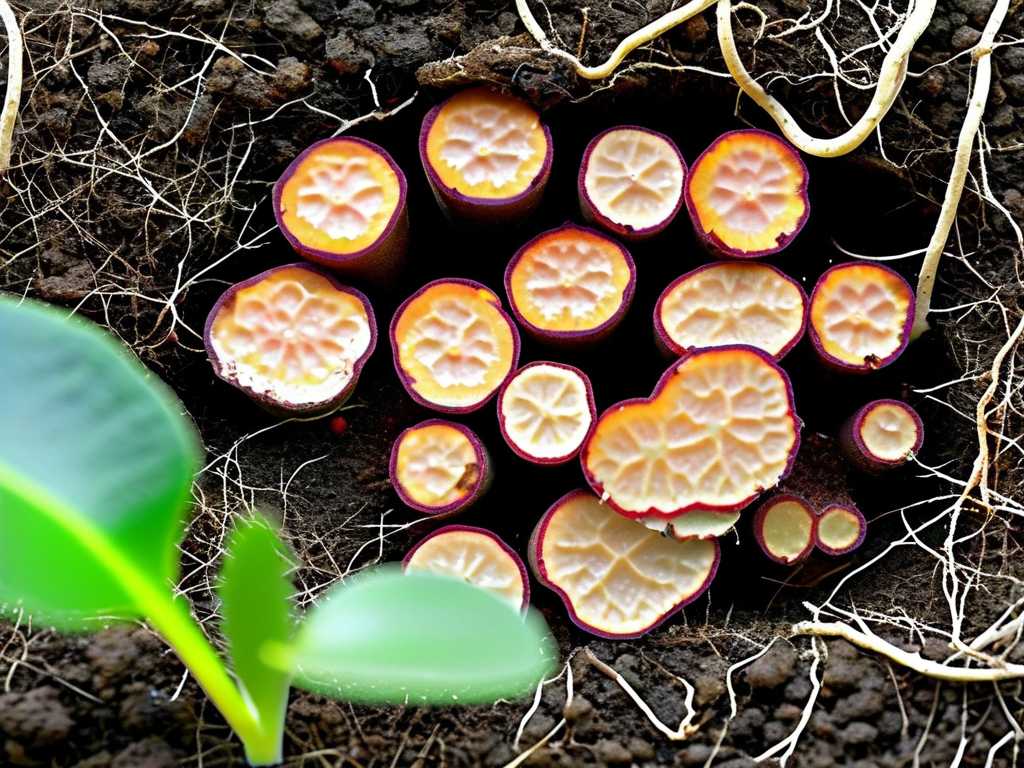
Before we dive into the fixes, let’s understand what we’re fighting. Soil-borne diseases are caused by pathogens like fungi (e.g., Pythium, Phytophthora, Fusarium) and bacteria that thrive in wet, poorly-draining soil. They attack the root system, rotting the tissues that absorb water and nutrients. The cruel irony is that the symptoms above ground—wilting, leaf drop—often mimic underwatering, tempting us to water more and加速 the rot.
According to the American Horticultural Society (AHS), over 90% of houseplant failures originate from root problems, with overwatering being the primary catalyst for these infections. The Royal Horticultural Society (RHS) notes that succulents like jade plants are particularly susceptible because their roots are adapted for dry conditions and lack defenses against persistent moisture.
Core Long-tail Keywords for This Guide:
- how to treat root rot in jade plants
- fixing fungal infections in succulent soil
- jade plant root disease recovery steps
Semantic Variants: jade plant root rot treatment, saving a jade from root rot, soil fungus treatment for succulents.
Fix #1: The Surgical Intervention – Unpot, Inspect, and Prune
This is the most critical and immediate step. You cannot cure a root disease by treating the soil surface alone.
My Step-by-Step Process & 2-Week Observation:
- The Unpotting: I stopped watering my jade for over a week to dry the soil slightly. Then, I gently tipped the pot and coaxed the root ball out. The first sign of trouble was the smell—a musty, unpleasant odor, not like healthy earth.
- Root Inspection and Triage: I carefully removed all the old soil under a gentle stream of lukewarm water. The reality was stark. While some roots were still firm and white, many were mushy, brown, or black and sloughed off at a touch. This is a classic sign of jade plant root disease.
- The Pruning: Using sterilized, sharp scissors (I wiped them with isopropyl alcohol), I cut away every single soft, rotten root. I pruned back until I only saw healthy, firm, white tissue. This felt drastic—I removed nearly 60% of the root mass. I also pruned back about a third of the top growth to reduce the demand on the recovering roots.
- Disinfection: The RHS recommends treating remaining roots with a fungicide. I used a diluted hydrogen peroxide solution (1 part 3% peroxide to 2 parts water) as a gentle antifungal root soak for a few minutes.
- The First Mistake & Fix: My initial error was being too timid with the pruning. A few days after the first repot, I noticed the plant was still declining. I had to unpot it again and found I’d left behind a few compromised roots that had continued to decay. The second time, I was more thorough, cutting further back into healthy tissue to ensure all rot was removed.
The 2-Week Mark: After the correct, thorough pruning, the plant stabilized. No more leaves dropped. The remaining stems stayed firm. This was the foundation for all future recovery.
Fix #2: The Fresh Start – Sterile Soil and the Right Pot
Replanting into the old, contaminated soil is a guaranteed path to relapse. You must provide a sterile, well-draining environment.
My Step-by-Step Process & 2-Week Observation:
- Soil Mix: I created a sterile, fast-draining mix. I used a pre-packaged succulent/cactus mix as a base, but to further improve drainage—a key to fixing fungal infections in succulent soil—I amended it with roughly 30% additional perlite and 20% coarse horticultural sand. I moistened this mix very slightly before potting; it should feel barely damp, not wet.
- Pot Selection: I chose a clean pot that was actually smaller than the previous one, as my root system was now much reduced. Crucially, it had multiple large drainage holes. Terracotta is ideal because it’s porous and helps wick away moisture.
- Repotting: I placed the pruned jade in the new pot and gently filled in with the fresh mix, tapping the pot to settle it without compacting. I did not water it in.
- The Waiting Game: This is the hardest part. I placed the plant in bright, indirect light and did not water it for a full 7-10 days. This allows the root wounds to callus over, preventing new infections.
- The Second Mistake & Fix: In my anxiety, I placed the freshly potted jade in direct, hot sun. The stressed plant became scorched. I quickly moved it to a location with very bright but filtered light, which it tolerated much better during recovery.
The 2-Week Mark: After the initial dry period, I gave the plant a very light bottom-watering. The soil dried out completely within 3-4 days, confirming excellent drainage. The plant showed its first sign of active recovery: a tiny, bright green growth nub at the tip of one stem.
Fix #3: The Aftercare Protocol – Watering and Monitoring for Recovery
Post-op care determines whether your jade thrives or relapses. The goal is to support new root growth without restarting the infection cycle.
My Step-by-Step Process & 2-Week Observation:
- The New Watering Rule: I abandoned my old schedule. The new rule was: water only when the soil is 100% dry all the way to the bottom of the pot. I checked this by weight (the pot felt very light) and sometimes used a wooden skewer inserted into the soil.
- Watering Technique: When I watered, I used the bottom-watering method. I placed the pot in a shallow tray of water for about 15-20 minutes, allowing the soil to soak up moisture from the bottom. This encourages roots to grow downward and prevents the stem base from staying wet. I then let it drain thoroughly.
- Hold the Fertilizer: AHS guidelines stress that fertilizing a plant with a damaged root system can burn new roots and cause further stress. I withheld all fertilizer for the first 2-3 months of recovery.
- Monitoring: I inspected the plant daily for signs of improvement (new, firm growth) or regression (new softness, leaf drop).
- The Third Mistake & Fix: About 10 days in, I was so encouraged by the new growth that I gave a slightly too-heavy top-watering. The surface soil stayed damp for too long. I noticed a slight softening at the base of one lower stem. I immediately moved the plant to a spot with better air circulation and refrained from watering until the pot was bone-dry again, which halted the issue.
The 2-Week Mark (End of Observation): The tiny growth nub had developed into a proper set of new leaves. The original leaves, while slightly wrinkled from the ordeal, had firmed up and were no longer dropping. The plant was clearly on a positive trajectory, having successfully begun its jade plant root disease recovery steps.
My jade is dropping leaves but the soil is dry. Is it root rot? Possibly. Severe root rot can destroy so many roots that the plant cannot absorb water, causing drought-like symptoms (leaf drop, wrinkles) even in dry soil. The only way to know is to gently unpot and inspect the roots.
Can I use cinnamon or hydrogen peroxide as a home remedy? Yes, cautiously. After pruning rotten roots, a light dusting of cinnamon powder on the cuts can act as a mild antifungal. A diluted hydrogen peroxide soak (as described) can help disinfect and aerate the roots. However, for advanced infections, a commercial fungicide labeled for root rot may be necessary.
How long until my jade plant is fully recovered? Patience is key. Stabilization (no further decline) can happen in 2-3 weeks with correct action. Visible new growth is a great sign within a month. However, full recovery to its former lushness, regrowing a robust root system and canopy, can take a full growing season (6-12 months). Consistent, careful care during this period is essential.
Watching a jade plant succumb to root disease is distressing, but it’s rarely a death sentence. The process requires decisive action, a willingness to cut away the damaged parts, and the discipline to provide a fresh, well-draining foundation. By combining surgical root pruning, a complete soil overhaul, and meticulously careful watering, you create the conditions for a remarkable comeback. My plant, now six months past its crisis, is pushing out vigorous new branches—a resilient testament to the fact that with the right jade plant root rot treatment, even the most serious soil fungus treatment for succulents can lead to a full and thriving recovery.





