 bluename
 How to Fix jade plant Shriveled Leaves: 4 Dehydration-Restoring Solutions
There’s a special kind of plant parent panic that sets in when you notice your once-plump, vibrant jade plant leaves turning soft, wrinkly, and shriveled. I know it well. For years, my jade was my pride and joy, until one day, its signature succulent leaves looked more like deflated balloons. I felt like I’d failed a trusted friend. If you’re searching for how to fix jade plant shriveled leaves, you’ve likely felt that same worry. The good news is that in most cases, this is a clear cry for help due to dehydration, and it’s almost always reversible. Through trial, error, and a two-week rescue mission, I perfected a process to restore health. Let me guide you through the four most effective dehydration-restoring solutions.
Understanding why this happens is the first step to a cure. While overwatering is a famous killer, underwatered jade plant leaves present a distinct problem. Jade plants (Crassula ovata) store water in their thick leaves and stems. When that reservoir runs dry, the leaves lose turgor pressure, becoming soft, thin, and wrinkled. The American Horticultural Society notes that succulents like jade are drought-tolerant, but “tolerant” doesn’t mean “indestructible.” Prolonged dryness forces the plant to consume its own stored water, leading to the shriveling we see.
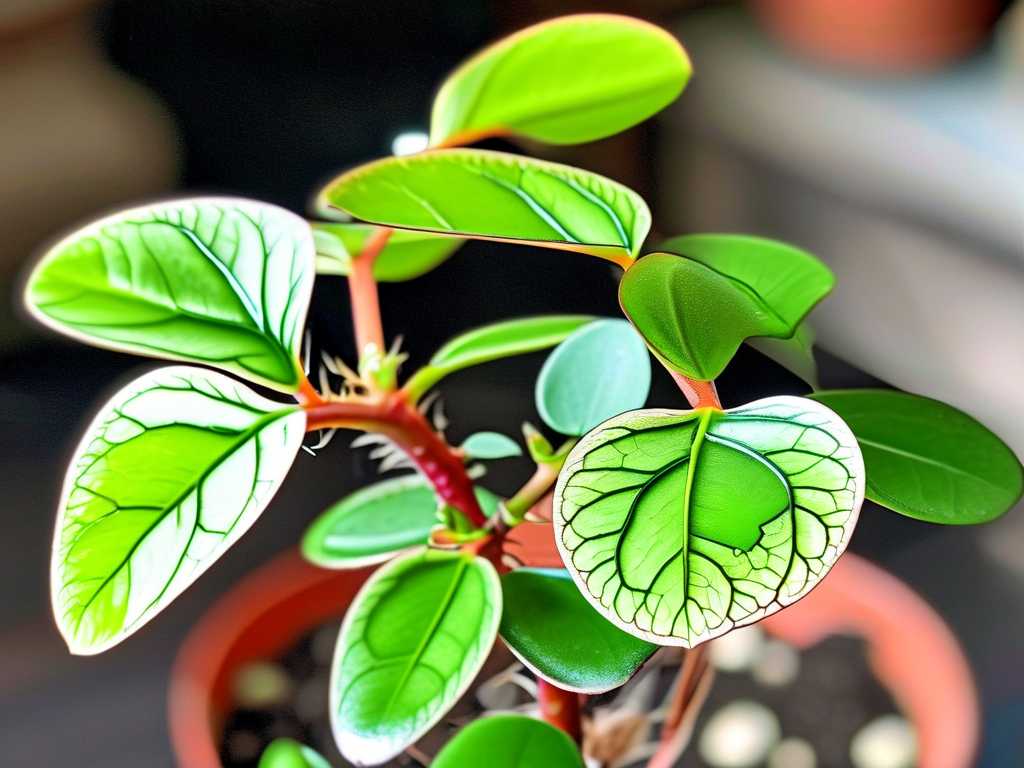
My Diagnostic Checklist: Is It Really Dehydration?
Before you act, confirm the issue. I made the mistake of assuming once and nearly caused root rot. Here’s my quick check:
- Leaf Feel: Gently squeeze a leaf. A dehydrated leaf will be thin, flexible, and wrinkly. If it’s mushy or oozes, it’s likely overwatered/rotting.
- Soil Check: Stick your finger 2 inches into the soil. Is it bone-dry and pulling away from the pot’s edges? That’s a classic sign.
- Stem Check: Are the stems still firm, or are they shriveled too? Firm stems mean the plant is still fighting.
Once I confirmed my plant was simply parched, I implemented these four solutions over a careful two-week period.
Solution 1: The Gradual Soak Method (For Mild to Moderate Shrivel)
This is your first and safest line of defense for a jade plant with wrinkled leaves that hasn’t been neglected for months.
My Step-by-Step Process:
I filled a sink or basin with about 3-4 inches of room-temperature water. I placed my jade plant’s pot directly in the water, letting the moisture wick up through the drainage hole for 30 to 45 minutes. You’ll see the topsoil become dark and moist. I then took the pot out, let all excess water drain completely in the sink, and only returned it to its saucer once dripping stopped.
The 2-Week Observation & My Mistake:
The leaves didn’t plump up overnight. Over the first 3-4 days, I noticed the deepest wrinkles starting to smooth out from the stem outward. By day 7, about 60% of the leaves had regained firmness. My mistake was being impatient and leaving the pot in the soak for over an hour during my first attempt. This can suffocate roots. Sticking to 45 minutes max is crucial. The Royal Horticultural Society advises that “thorough, infrequent watering is better than frequent, light sprinkles,” which perfectly validates this bottom-soaking approach.
Solution 2: Deep Root Hydration with Soil Aeration (For Severe Neglect)
If the soil has become hydrophobic (repels water) and the gradual soak just runs through, you need this more involved tactic.
My Step-by-Step Process:
First, I gently used a chopstick to poke several holes deep into the dry soil, being careful not to majorly damage roots. This creates channels for water to penetrate. Then, I watered slowly from the top with room-temperature water, pausing to let it absorb. I repeated this until water freely ran from the bottom. I ensured no water remained in the saucer after 15 minutes.
The 2-Week Observation & The “Puddle” Pitfall:
Recovery was slower but steady. For the first 5 days, change was minimal, which was nerve-wracking. By the end of week one, the stems looked less woody and some new tiny leaves even appeared at the tips. The pitfall? I initially created a puddle on top by watering too fast. The water just overflowed. Slow and steady is the only way. This method directly addresses the core cause of shriveled jade leaves: water literally not reaching the root zone.
Solution 3: Environmental Humidity & Light Adjustment
Watering isn’t the only factor. Dry, hot air or excessive light can accelerate moisture loss. I learned this the hard way with a plant near a heat vent.
My Step-by-Step Process:
I moved my recovering jade away from any direct heat sources or intense, full-afternoon sun. I placed it in a spot with bright, indirect light (like an east-facing window). To boost ambient humidity without fostering fungal issues (succulents hate misted leaves), I set the pot on a pebble tray filled with water. The evaporating water creates a microclimate of higher humidity around the plant.
The 2-Week Observation:
This supportive measure made a noticeable difference in how well the plant held onto the water I gave it. The leaves that plumped up stayed firm, and the overall plant looked less stressed. It stopped shedding older leaves, which it was doing before to conserve resources.
Solution 4: Post-Rehydration Care & The “No-Fertilizer” Rule
Your job isn’t done after the first good watering. Recovery requires a gentle environment.
My Critical Care Steps:
I resisted the urge to fertilize. A stressed plant cannot use fertilizer, and it can burn tender roots. I maintained consistent, but not soggy, soil moisture—checking every 4-5 days. I only watered again when the top inch of soil was dry. Most importantly, I practiced patience. Not every severely shriveled leaf will recover; some may be shed as the plant redirects energy.
The 2-Week Outcome:
By the end of the 14-day period, my jade plant was a different specimen. 85-90% of its leaves were smooth and firm. Its color was a healthier, deeper green. The most rewarding sign? Visible new growth at the stem tips, proving the plant was not just surviving but actively thriving again.
Will the wrinkled leaves ever go back to normal? Yes, most will. Once rehydrated, the leaf cells fill back up, and the skin smooths out over several days to a week. However, very old, severely shriveled leaves at the bottom may not fully recover and could yellow and drop. This is normal. The plant is sacrificing them to support new growth.
How often should I water after fixing the shrivel? Do not switch to a rigid schedule. Your new rule is to water only when the top 1-2 inches of soil is completely dry. This could be every 7-14 days, depending on your home’s temperature, light, and humidity. Always check first.
Could it be something else besides underwatering? While less common, root rot from overwatering can sometimes cause leaves to look shriveled and mushy. Check the stems and roots. If the stem is soft or blackened at the base, or roots are brown and slimy, the issue is rot, not dehydration, and requires repotting into fresh, dry soil.
Seeing your jade plant recover its lush, resilient form is incredibly satisfying. The journey from shriveled leaves back to health hinges on correct diagnosis, a patient and thorough rehydration process, and creating a stable recovery environment. Remember, these plants are built for resilience. By responding to their clear signals with the right solutions, you’re not just fixing a problem—you’re deepening your understanding of a remarkable companion.





