 bluename
 How to Eliminate jade plant Whiteflies: 3 Natural Pest-Control Remedies
I remember the exact moment I noticed something was wrong with my favorite jade plant. A small cloud of tiny, moth-like insects fluttered up from the glossy green leaves when I brushed against it. Upon closer inspection, I saw clusters of pearly white, winged pests and sticky honeydew coating the foliage. My heart sank. It was a full-blown jade plant whiteflies infestation. If you're reading this, you likely know that panicked feeling. These sap-sucking insects can weaken your resilient jade, causing leaf yellowing, stunted growth, and sooty mold. After trying everything, I discovered three truly effective, natural remedies that saved my plant. This guide is my detailed, two-week journey using these methods, including the mistakes I made and how I fixed them.
Understanding Your Enemy: The Jade Plant Whitefly
Before you can fight an enemy, you need to know it. Whiteflies are not true flies but are related to aphids and scale. They congregate on the undersides of leaves, where they feed and lay eggs. The Royal Horticultural Society (RHS) notes that while they thrive in greenhouses, they readily infest houseplants like jade, especially in warm, dry indoor conditions. Their life cycle is rapid, which is why an infestation seems to explode overnight. The key to natural control is persistence and disrupting this cycle.
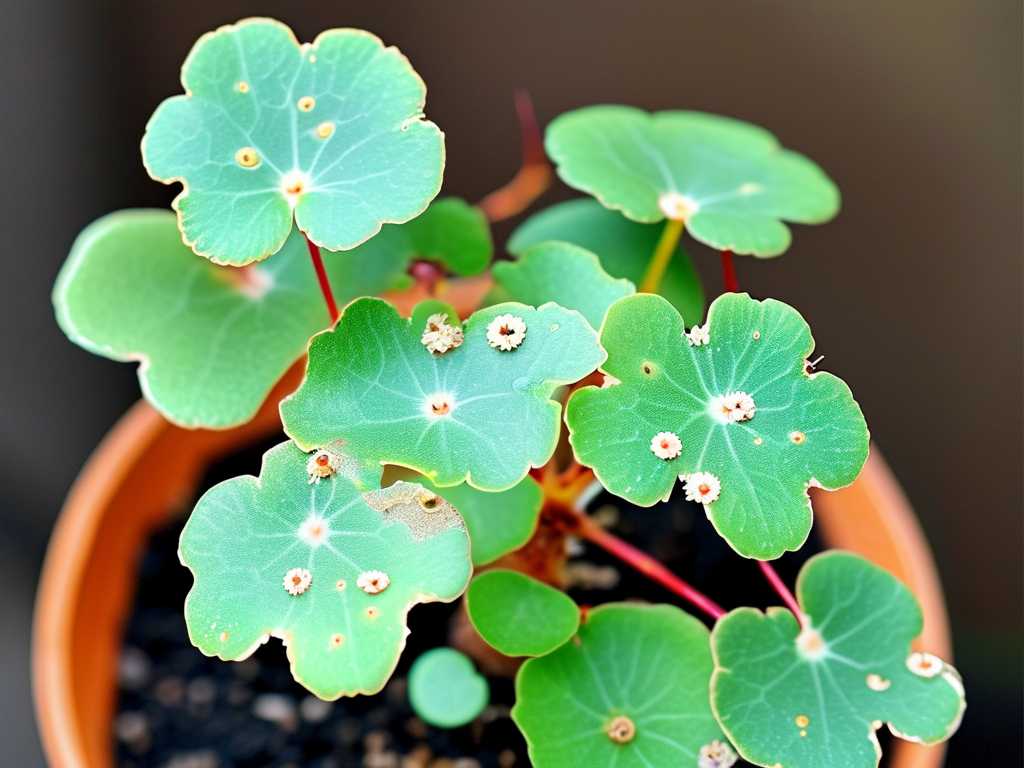
My Core Strategy: Persistence Over Power
Chemical pesticides often offer a quick fix, but they can harm beneficial insects and aren't ideal for indoor use. My philosophy, supported by integrated pest management principles, is to use gentler methods consistently. I committed to a two-week treatment plan, monitoring and adjusting daily. The goal wasn't instant annihilation but steady, irreversible decline of the whitefly population.
Remedy 1: The Sticky Yellow Trap and Vigilant Blast
This is your first line of defense for immediate adult population control.
What I Did: I purchased sticky yellow traps, which exploit whiteflies' attraction to the color yellow. I placed several stakes in the pot around my jade plant. Simultaneously, I began a routine of spraying jade plant leaves. Every other day, I would take the plant to my sink or shower. Using a spray bottle with a strong stream setting, I thoroughly blasted the undersides of every single leaf. This physically dislodges eggs, nymphs, and adults.
The Two-Week Observation:
- Days 1-3: The traps were covered in adults within 24 hours. It was shocking but satisfying. The spraying immediately made the plant look cleaner.
- Days 4-7: I noticed fewer adults flying. However, upon inspection, I still saw tiny, scale-like nymphs firmly attached to the leaves. Spraying alone wasn't removing them all.
- The Mistake I Made: I was inconsistent. I skipped a spraying day because I was busy.
- The Solution: I set a phone alarm for every other day. For the stubborn nymphs, I added a step: after spraying, I gently wiped the most infested leaves with a soft, damp cloth. This manual removal was crucial.
Expert Backing: The American Horticultural Society (AHA) emphasizes that non-chemical methods like hosing down plants are a critical first step in managing soft-bodied pests, as it reduces numbers without residue.
Remedy 2: Homemade Insecticidal Soap Spray – The Disruptor
This remedy targets the vulnerable nymphs and adults by breaking down their protective coating.
My Recipe & Application: I mixed 1.5 teaspoons of a pure, liquid Castile soap (like Dr. Bronner's) with 1 quart of lukewarm water in a spray bottle. It's vital to use pure soap, not detergent, which can damage plants. I tested this on one leaf first, waited 48 hours, and saw no damage. Then, I applied it to the entire plant, ensuring I drenched the undersides of jade leaves, where whiteflies hide. I did this in the evening to prevent potential sun-scorch on wet leaves.
The Two-Week Observation:
- Days 1-4 (Applied on Day 3): After the first application, I saw a significant drop in adult activity. The soap seemed to suffocate the smaller nymphs.
- Days 5-10: I applied the soap spray twice more, three days apart. The honeydew residue began to disappear. New growth appeared clean.
- The Mistake I Made: My mixture was too strong initially. I used a dish detergent, which caused slight leaf burn on a few tips.
- The Solution: I immediately flushed the soil with clean water to dilute any soap runoff and switched to the milder, proven Castile soap formula. I also learned to rinse the plant with plain water a few hours after the soap application to be extra safe.
Remedy 3: Neem Oil Solution – The Long-Term Preventative
Neem oil is a systemic insect growth regulator. It doesn't just kill on contact; it disrupts the hormones of pests, making it harder for them to grow and reproduce.
My Recipe & Application: I combined 1 teaspoon of cold-pressed neem oil and 1/2 teaspoon of the same Castile soap (as an emulsifier) in 1 quart of warm water. The soap helps the oil mix with water. I shook the bottle vigorously before and during application. I used this as a soil drench and a foliar spray, applying it once a week. The soil drench allows the plant to absorb some of the compounds.
The Two-Week Observation:
- Days 1-7 (First application on Day 1): The effect wasn't as immediately visible as with the soap spray. However, I observed that nymphs I missed appeared less vibrant and active.
- Days 8-14 (Second application on Day 8): This is where I saw the compounded effect. The population was clearly in collapse. No new adults seemed to be emerging. The plant's overall health improved, and it pushed out new, pest-free growth.
- The Mistake I Made: I applied neem oil in direct sunlight, which can cause phytotoxicity.
- The Solution: I strictly applied all treatments, especially neem, in the early evening or on a cloudy day, allowing the plant to absorb it overnight safely.
The Integrated Two-Week Battle Plan That Worked
Here’s the exact schedule that finally eliminated my whiteflies on jade plants:
- Days 1, 3, 5, 7, 9, 11, 13: Physical inspection and strong water spray (in sink/shower).
- Days 2, 6, 10: Homemade insecticidal soap spray application (evening).
- Days 1 & 8: Neem oil solution application as a foliar spray and soil drench (evening).
- Daily: Yellow trap monitoring and manual wiping of any visible nymph clusters.
By Day 14, the whiteflies were gone. The traps were empty, and no new insects appeared when I disturbed the leaves. The stickiness was gone, and the jade plant's natural, deep green color was returning.
Questions I Get Asked Most Often
Can a severe whitefly infestation kill a mature jade plant? While a healthy, mature jade is incredibly tough, a prolonged, severe infestation can certainly kill it. The constant sap loss weakens the plant, stunts all new growth, and the sooty mold that grows on the honeydew can interfere with photosynthesis. Early and consistent action is key.
I’ve tried neem oil before and it didn’t work. Why? The most common reasons are improper mixing (oil not properly emulsified), inconsistent application (breaking their life cycle requires repeat treatments), and applying to an already massive infestation without first reducing numbers physically. Always shake the bottle well, follow a schedule for at least two weeks, and combine neem with physical removal methods.
How can I prevent whiteflies from coming back? Prevention is about vigilance and plant health. Quarantine any new plants for a few weeks. Inspect your jade regularly, especially under the leaves. Avoid over-fertilizing with high-nitrogen formulas, as the succulent new growth attracts pests. Ensuring good air circulation around your plants and occasionally giving them a gentle shower will go a long way in keeping these pests at bay.
Winning the war against jade plant whiteflies is entirely possible without harsh chemicals. It requires a watchful eye, a bit of patience, and a commitment to a multi-pronged, natural approach. By combining physical removal, soap sprays, and neem oil consistently over a two-week period, you can reclaim your plant’s health. The journey taught me more about my jade’s needs than ever before, and now it thrives, pest-free and more beautiful than ever.





