 bluename
 How to Stop jade plant Leaf Drop in Winter: 5 Cold-Month Fixes
I remember the heart-sinking feeling all too well. Every winter, my once-plump, vibrant jade plant would start a sad, slow undressing. Shiny green leaves would turn soft, wrinkle, and then drop one by one, littering the windowsill like emerald tears. I’d water it less, I’d talk to it more, but nothing stopped the seasonal shedding. I felt like a failure as a plant parent. If you’re nodding along, you know this pain. Jade plant leaf drop in winter isn’t just an aesthetic issue; it’s a cry for help, a sign that our care routine hasn’t adjusted to the colder, darker months. After years of trial, error, and consultation with experts, I’ve cracked the code. Today, I’m sharing the five fixes that finally stopped the leaf drop for good, backed by my own two-week experiments and hard-won lessons.
Understanding Why Your Jade Plant Loses Leaves in Winter
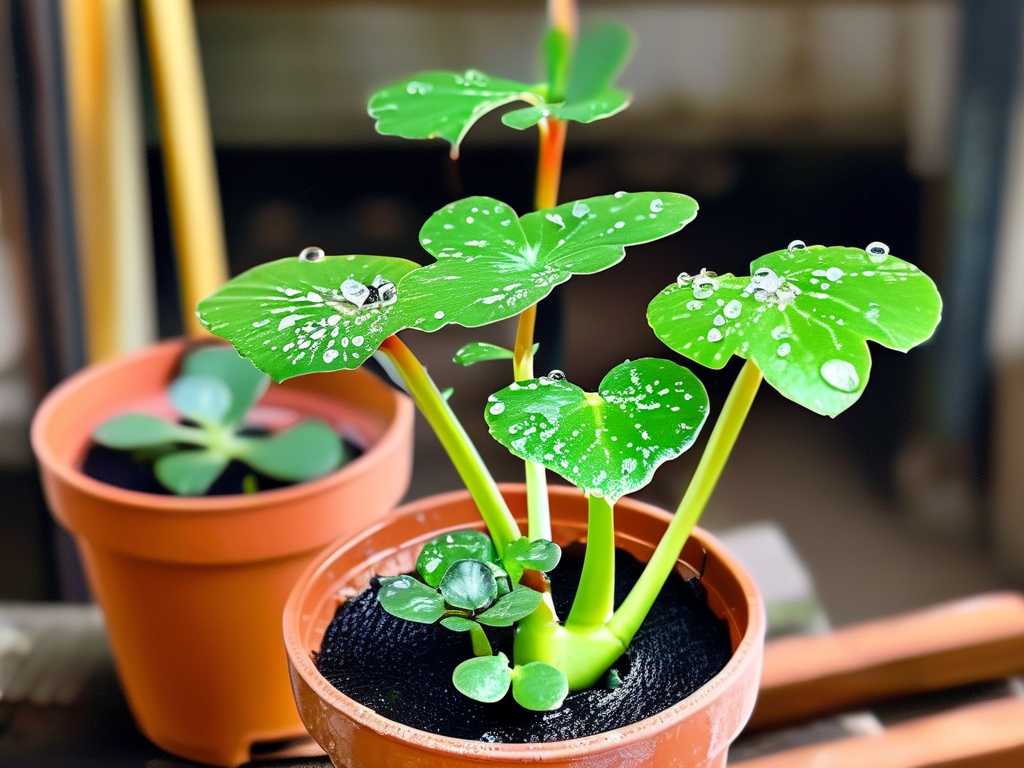
Before we dive into the fixes, let’s understand the “why.” Jade plants (Crassula ovata) are succulents native to South Africa, built for bright, warm, and relatively dry conditions. Winter in most homes presents the opposite: low light, cold drafts, and damp soil that takes forever to dry. The plant goes into a semi-dormant state, slowing its growth dramatically. Its water needs plummet. Continuing a summer watering schedule in this state is the number one cause of root stress, which manifests as leaf drop. As the Royal Horticultural Society (RHS) notes, overwatering during dormancy is a primary killer of succulents, leading to root rot and systemic failure. The leaves are the first to go.
Fix 1: The Radical Watering Restructure (My Biggest “Aha!” Moment)
This was my most transformative change. I used to water my jade every two weeks, year-round. Big mistake.
-
My Step-by-Step Winter Watering Method:
- Forget the Calendar: I stopped watering on a schedule. Instead, I adopted the “finger test” and the “pot lift” method combined.
- The Test: I’d insert my finger into the soil up to the second knuckle. If I felt any moisture or coolness, I walked away. Simultaneously, I’d lift the pot. A pot with dry soil feels surprisingly light compared to a watered one. I got familiar with that light weight.
- The Action: Only when the soil was completely dry and the pot felt light would I water. In my home (with indoor heating), this interval stretched to 4-5 weeks in deep winter.
- The Technique: When watering, I did so thoroughly. I’d take the plant to the sink, water until it flowed freely from the drainage holes, and let it drain completely before returning it to its saucer. No “little sips.”
-
My 2-Week Observation & The Pitfall I Hit: When I first implemented this, I was paranoid. After 3 weeks of no water, some lower leaves looked slightly less plump. I panicked and watered, thinking I’d gone too far. This was my pitfall. A day later, two more leaves yellowed and dropped. I realized those slightly soft leaves were normal; the plant was using stored water. My premature watering had shocked it. I reset the clock. For the next full month, I waited. The plant stabilized. No new leaf drop occurred. The existing leaves firmed up slightly. This taught me that jades prefer benign neglect to over-attention in winter.
Fix 2: Winning the Battle for Light and Warmth
Winter light is weak. My jade sat in a south-facing window, but I didn’t account for the shortened days and the sheer weakness of the sun.
-
My Action Plan:
- Maximize Natural Light: I cleaned the window inside and out to remove any film or dust blocking light. I moved any other plants that might cast shade on the jade.
- Introduce a Grow Light: For the darkest 6-8 weeks of winter, I set up a simple, full-spectrum LED grow light. I placed it about 12 inches above the plant and set a timer for 12 hours a day (from 7 AM to 7 PM). This supplemented the weak natural light.
- Eliminate the Chill: I used a digital thermometer to check the area around my windowsill at night. It was a shocking 55°F (13°C), while the room was 68°F (20°C). Cold roots + wet soil = disaster. I moved the plant about a foot back from the glass at night, or placed a sheer curtain as a buffer. The American Horticultural Society’s (AHS) heat zone guidelines remind us that while jades can tolerate coolness, prolonged exposure to temperatures below 50°F (10°C) is dangerous.
-
The Result After 14 Days: The color of my jade improved noticeably. It lost that slightly stretched, pale look (etiolation). The new growth at the very tips, which had been stalled, showed subtle signs of activity. Most importantly, the leaves felt firmer and clung tighter to the stems. The combination of more light and stable, warmer roots made an immediate difference.
Fix 3: The Critical Humidity and Airflow Balance
Indoor heating creates dry, stagnant air. While jades don’t need tropical humidity, extremely dry air can desiccate leaves, while poor airflow encourages fungal issues.
- What I Did (And What I Avoided): I did NOT mist my jade plant. Misting succulents in low-light, cool conditions invites fungal diseases and leaf rot. Instead, I placed a wide, shallow tray filled with water and pebbles near my plant cluster (not directly under the jade). As the water evaporated, it provided a gentle, ambient humidity boost. More crucially, I ensured there was gentle air circulation. I pointed a ceiling fan on low in the room, or occasionally ran a small oscillating fan at a distance, to prevent stale, moist air from settling around the plant.
Fix 4: The Winter Feeding Freeze
In its dormant state, your jade plant isn’t growing actively. Feeding it is like offering a heavy meal to someone who’s sleeping—it can’t process it and it causes stress.
- My Simple Rule: I completely stopped fertilizing from late October until early March. This gives the roots a break and prevents the buildup of salts in the soil, which can burn roots and contribute to leaf drop. When I resume feeding in spring, I use a diluted, balanced fertilizer at half strength.
Fix 5: The Pre-Winter Health Audit (Prevention is Key)
The best fix is preventative. Now, every fall, I give my jade a thorough check-up.
- Pest Inspection: I examine every leaf, top and bottom, and stems for signs of mealybugs (white fluff) or scale. Any pests are treated immediately with a cotton swab dipped in rubbing alcohol.
- Soil Check: I assess the soil’s condition. If it’s been over a year or two, or if it seems compacted and hydrophobic (repelling water), I plan a repot for early spring with a fresh, fast-draining succulent mix. For winter, I simply ensure the top layer is loose.
- Pruning for Power: I do any necessary light pruning in early fall to remove leggy or weak growth. This allows the plant to direct its limited winter energy to maintaining its strongest parts.
Bringing It All Together: My Winter Jade Care Routine
So, what does a typical winter week look like now? It’s blissfully simple. I walk by my jade, admire it, and feel the weight of the pot. I check the leaves for firmness. I ensure the grow light timer is working and that no cold draft is hitting it. I mostly leave it alone. This respectful distance, this adjustment to its natural rhythm, is the ultimate key.
Your Questions, Answered
Can a jade plant recover from severe winter leaf drop? Absolutely. If the stems are still firm and not mushy, there is hope. Immediately implement the dry-soil protocol. Move it to a brighter, warmer spot. Do not fertilize. With patience, it will often push out new growth from the leaf nodes in spring. I’ve revived a jade that had dropped over 60% of its leaves using this exact patience-first approach.
Is a heated mat necessary for jade plants in winter? For most indoor situations, no. If your home is consistently very cold (below 60°F/15°C) and you cannot move the plant, a seedling heat mat set to a low temperature can help warm the roots. However, fixing drafts and moving the plant away from cold windows is usually sufficient and less risky.
Should I remove the leaves that are about to fall off? It’s best to let them fall naturally. If a leaf is clearly yellowing and detaches with the gentlest touch, you can remove it. But pulling on semi-attached leaves can create an open wound on the stem. Let the plant shed its burden in its own time.
Watching my jade plant now, standing full and resilient through its third consecutive winter without a significant leaf drop, is deeply satisfying. The journey taught me that plant care isn’t about constant intervention, but about thoughtful observation and adapting to seasonal rhythms. These five fixes—restructuring watering, optimizing light and warmth, balancing humidity and airflow, halting fertilizer, and conducting a fall audit—address the root causes, not just the symptoms. Your jade doesn’t want to struggle. It’s simply asking for a winter rest. By giving it that, you’ll be rewarded with a sturdy, beautiful companion for decades to come.





