 bluename
 How to Treat jade plant Cold Damage: 4 Frost-Bite Fixes
I’ll never forget the sinking feeling I had that chilly morning. I walked over to my favorite, decade-old jade plant by the window and saw it—limp, discolored leaves that felt like soggy paper, sections of the stem turning mushy and dark. A sudden, unexpected cold snap had crept in overnight, and my resilient succulent was showing the classic, heartbreaking signs of cold damage. If you’re here, you probably know that panic all too well. Your once-plump jade plant now looks defeated, and you’re desperately searching for a way to bring it back from the brink. The good news? All is not lost. Through trial, error, and a two-week rescue mission, I learned exactly how to treat jade plant cold damage. Let me walk you through the four fixes that saved my plant.
Understanding the Enemy: What Cold Damage Really Does to Your Jade
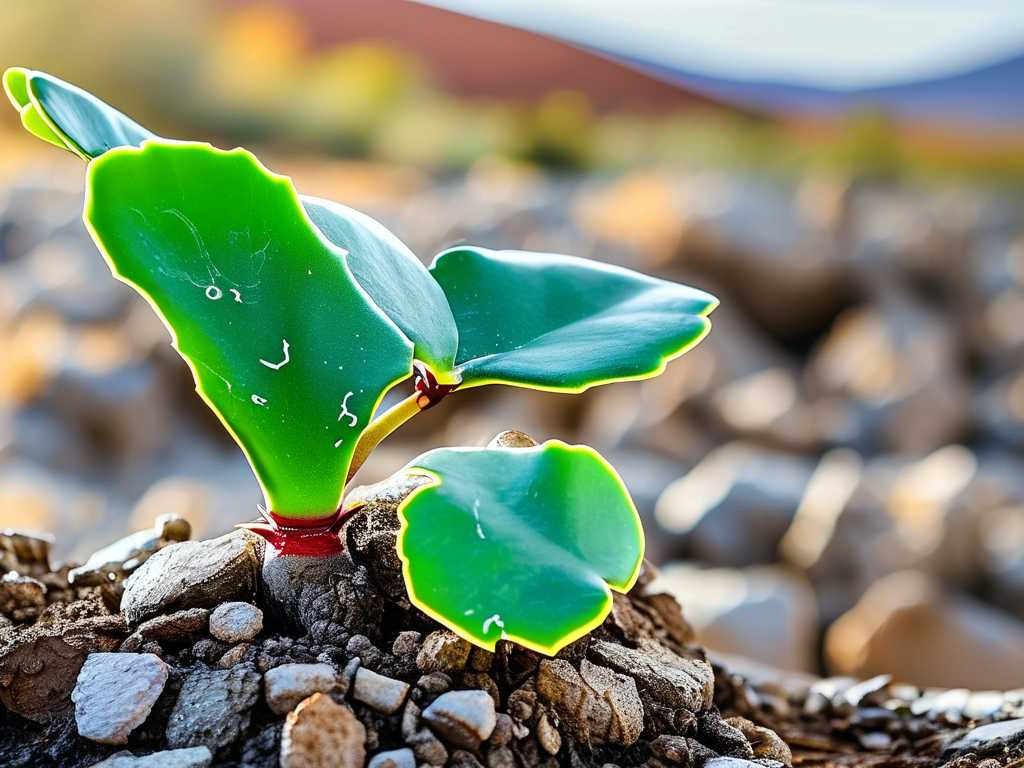
Before we jump into action, it’s crucial to understand what we’re dealing with. Jade plants (Crassula ovata) are native to warm, arid climates. Their fleshy leaves and stems are designed to store water, not to withstand freezing temperatures. When exposed to cold, the water inside their cells can freeze. This forms ice crystals that literally rupture the cell walls—think of it like tiny, devastating internal frostbite. This damage disrupts the plant’s ability to transport water and nutrients, leading to the collapse of tissues.
According to the Royal Horticultural Society (RHS), succulents like jade plants are particularly vulnerable to temperatures below 50°F (10°C), with freezing temperatures causing rapid and often severe damage. The American Horticultural Society’s (AHS) plant heat-zone map, while focused on heat, reminds us that understanding a plant’s cold tolerance is fundamental. For jade plants, that tolerance is very low.
The damage you see isn’t always immediate. Sometimes, it manifests days later as tissues slowly decay. This was my first lesson: patience and careful observation are your most important tools.
Step 1: The Immediate Triage – Move and Assess
The moment you suspect cold damage, act swiftly.
- Move It Gently: Do not panic-repot or make sudden moves. Carefully bring your plant to a warm (60-70°F), bright, but indirectly lit location. Avoid placing it right next to a hot radiator, as extreme temperature swings add more stress.
- The Initial Assessment: Here’s where you need to be brutally honest with yourself. Gently examine every part of the plant. Look for leaves that are translucent, blackened, or mushy. Feel the stems. Are they firm, or do they bend too easily with a squishy feel?
- My Critical Mistake & Fix: In my haste, I started pulling off every slightly discolored leaf on day one. Big error. Some leaves, while shocked, were still functional. By removing them prematurely, I robbed the plant of energy reserves it needed to recover. The fix: Mark severely damaged parts mentally or with a gentle tie, but wait 3-4 days. The true extent of the damage will become clearer, and you’ll avoid over-pruning.
Step 2: The Surgical Trim – Removing Rotten Tissue
After the 3-4 day waiting period, it’s time for careful surgery. This is the most vital step in learning how to fix frostbitten jade plant issues.
- Gather Your Tools: Use a sharp, sterile knife or pruning shears. I wipe mine down with isopropyl alcohol between cuts to prevent spreading any potential rot.
- What to Cut:
- Leaves: Remove any leaves that are completely mushy, black, or detached. If a leaf is partially damaged, you can sometimes cut away only the bad portion if the base is healthy.
- Stems: This is critical. You must cut back any soft, mushy stem until you reach clean, firm, white or green tissue inside. Sometimes, this means cutting a main stem back significantly. It feels drastic, but it’s necessary to stop the rot from spreading upward.
- The Observation Period: Don’t water the plant yet. Leave the cut ends to callus over in the dry, warm air for at least 5-7 days. This forms a natural seal against bacteria and fungus.
Step 3: The Delayed Watering – When and How Much
This step counters every instinct you have. Your plant looks thirsty and sad, but watering a cold-damaged jade too soon is a death sentence.
- The Why: The root system is likely also shocked and damaged. Wet soil will cause any compromised roots to rot instantly, finishing off the plant from below.
- My Timeline & Results: I waited a full 10 days after the initial trim before giving even a hint of water. On day 10, I gave it a very light sip—just enough to barely moisten the top inch of the bone-dry soil—ensuring no water sat in the saucer.
- The Two-Week Mark: By the end of the second week, I noticed a crucial sign of hope: the remaining firm stems and leaves had perked up slightly. No new mushy spots had appeared. This told me the rot was arrested. Only then did I perform a proper but cautious watering, soaking the soil thoroughly and letting all excess drain away completely.
Step 4: The Long-Term Recovery Care
Recovery from jade plant frost damage treatment isn’t a one-week affair. It’s a commitment to optimal care.
- Light: Provide plenty of bright, indirect light. Direct, harsh sun can scorch the recovering plant. A south or east-facing window behind a sheer curtain is ideal.
- Watering Regimen: Go back to the golden rule for succulents: water only when the soil is completely dry, all the way to the bottom of the pot. In my recovery space, this meant watering only once every 3-4 weeks.
- Hold the Fertilizer: Do not fertilize for at least 3-4 months. The plant is using energy to heal, not grow. Fertilizer can burn tender new roots and add stress.
- The Reward of Patience: Around the 6-week mark, I finally saw it: tiny, bright green buds forming at the nodes below where I had made the big stem cuts. New growth is the ultimate sign of success.
Will the mushy leaves from cold damage ever recover? No, they will not. Once the cell walls are ruptured, that tissue is dead and will continue to decay. Your goal is not to save those leaves but to remove them to prevent mold and to redirect the plant’s energy to surviving healthy parts.
How long should I wait to see if my jade plant survives cold shock? Give it a minimum of 2-3 weeks. The initial 1-2 weeks are about stopping the damage (rot). Signs of survival, like firm remaining stems and eventually new buds, may take 4-8 weeks to appear. Do not give up on it too quickly.
Can I propagate parts of the plant that were damaged by frost? You can only propagate perfectly healthy tissue. If a leaf or stem tip was untouched by the cold and is still firm and plump, you can try to propagate it following standard methods. Any piece showing signs of mushiness or translucency will not root and will likely rot.
Watching a beloved jade plant suffer from cold is a stressful experience, but it’s often a recoverable one. The keys are a calm, step-by-step approach: immediate relocation, a patient assessment, sterile removal of all damaged tissue, and a disciplined withholding of water until the plant signals it’s ready. My plant lost over half its mass, but the strong, new growth that emerged from those pruned stems made it fuller and healthier in the long run. Your jade’s resilience might just surprise you. Provide the right care, resist the urge to over-manage, and let time work its magic.





