 bluename
 How to Fix jade plant Sparse Growth: 5 Fullness-Boosting Solutions
There’s a unique kind of plant parent frustration that comes from watching your jade plant grow. Instead of the lush, bushy, tree-like specimen you envisioned, you’re left with a leggy, sparse jade plant with more stem than leaf, stretching awkwardly toward the light. I know this feeling intimately. For years, I struggled with a jade that seemed determined to be a minimalist sculpture rather than a vibrant living thing. Its sparse growth wasn't just an aesthetic issue; it felt like a personal failure. If you're nodding along, know this: a leggy jade is not a lost cause. It’s a plant communicating its needs, and with the right interventions, you can transform it into a dense, vigorous symbol of prosperity. This guide is born from my own two-week journey from frustration to success, detailing the exact, actionable steps that finally gave my jade plant the fullness it deserved.
Understanding Why Your Jade Plant Gets Leggy and Sparse
Before we dive into the fixes, it’s crucial to understand the "why." A jade plant (Crassula ovata) becomes sparse primarily due to inadequate light. In its native South African environment, it basks in bright, direct sun for hours. Indoors, it often receives less intense, indirect light, causing it to etiolate—stretch its stems to seek more photons. This results in elongated internodes (the spaces between leaves) and weaker, spindly growth. Other contributing factors include improper watering, lack of pruning, and nutrient deficiencies, but insufficient light is almost always the chief culprit. The Royal Horticultural Society (RHS) notes that succulents like jade plants require several hours of direct sunlight daily to maintain compact, sturdy growth. Recognizing this was my first "aha!" moment.
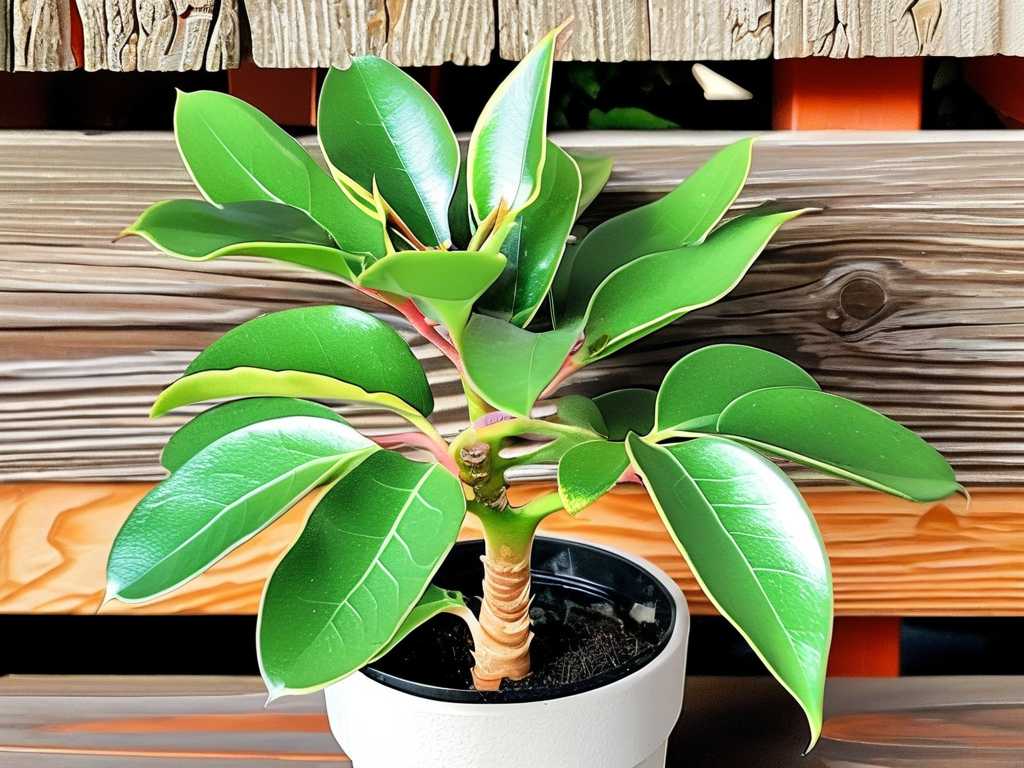
The 5-Step Action Plan for a Bushier Jade Plant
My mission was clear: reverse the legginess and encourage dense, branching growth. I committed to a five-pronged strategy for two weeks, documenting every change and result. Here’s the exact blueprint I followed.
1. The Great Light Migration: Repositioning for Success
The most critical step was addressing the light deficit. My jade was in a bright room, but several feet from a north-east facing window. I moved it to a south-facing windowsill where it could receive at least 4-6 hours of direct morning sun. Important caution: If your jade has been in low light, don’t shock it with sudden, intense afternoon sun. I made this mistake initially, and within two days, saw faint brown scorch marks on some leaves. I quickly corrected by using a sheer curtain for the first week to diffuse the strongest rays, then removed it. The American Horticultural Society (AHA) emphasizes the need for this gradual acclimation to prevent sunburn.
My 2-Week Observation: Within the first 5 days, I noticed a change. The plant’s posture seemed to improve—it stopped its desperate lean. By day 10, the vibrant red tinge on the leaf edges, a sign of healthy sun stress, began to appear on new growth. The existing stems didn’t shorten, but any new growth emerging was noticeably more compact.
2. The Strategic Snip: Pruning to Promote Branching
Pruning is where you actively shape your jade’s future. The goal is to remove leggy growth and signal the plant to produce new branches at the cut points. Using clean, sharp pruning shears wiped with isopropyl alcohol, I identified the longest, most barren stems. I made my cuts just above a pair of leaves, or "leaf nodes." This is where dormant growth buds reside. For a particularly long, bare stem, I sometimes cut it back by half. I saved all the healthy cuttings for propagation (more on that later).
The Pitfall and Fix: My first cut was timid, only removing an inch. I saw minimal new growth. I learned you often need to be more assertive. On week two, I went back and made deeper cuts on a few stems, leaving only 2-3 leaf pairs from the base. This felt drastic, but it worked.
My 2-Week Observation: After the initial prune, nothing happened for about 7 days. Then, tiny pinkish dots appeared at the leaf nodes just below my cuts. By the end of the second week, these had developed into definite, small new branches. The plant was already looking bushier at its core.
3. Watering for Strength, Not Just Survival
I had been on a rigid "once every two weeks" watering schedule. This was wrong. Overwatering causes rot, but inconsistent underwatering stresses the plant, hindering lush growth. I adopted the "soak and dry" method. I would thoroughly water the plant until water ran freely from the drainage holes, then wait until the soil was completely dry up to my first knuckle before watering again. This encouraged the roots to grow strong and deep in search of moisture, supporting healthier top growth.
My 2-Week Observation: With improved light and strategic pruning, the plant’s water uptake increased slightly. My "dry out" period shortened from 14 days to about 10. The leaves, which had been slightly soft and wrinkled, became plump and firm—a sign of perfect turgor pressure and health.
4. A Gentle Nutritional Boost
Jade plants are light feeders, but a sparse plant recovering from stress can benefit from a mild nutrient boost. I used a balanced, water-soluble fertilizer (diluted to half the recommended strength) only once at the beginning of my two-week project. A fertilizer with a roughly equal NPK ratio (like 10-10-10) supports overall growth. The RHS advises feeding succulents sparingly, only during active growth periods in spring and summer.
My 2-Week Observation: No dramatic "growth spurt" from the fertilizer alone, but the new branch buds and leaves appeared a vibrant, healthy green. It provided a supportive base for the other interventions without risking fertilizer burn.
5. The Propagation Bonus: Creating Instant Fullness
This was my secret weapon for immediate visual impact. Instead of discarding the healthy cuttings from pruning, I propagated them. I let the cut ends callous over for 2-3 days, then planted them directly into the soil around the base of the mother plant. This technique, called "clustering," instantly creates a fuller pot. These cuttings will root and grow, contributing to a denser appearance while the mother plant focuses on branching.
My 2-Week Observation: The cuttings showed no signs of wilting. By day 14, they were still firm and green, indicating they had begun the rooting process. Their presence in the pot immediately made the composition look lusher and more intentional, boosting my morale while waiting for the main plant to respond.
Sustaining the Fullness: Long-Term Care After the Fix
The two-week transformation was encouraging, but maintaining a bushy jade plant is an ongoing practice. Continue to provide abundant light, rotate the pot quarterly for even growth, and prune strategically once or twice a year to maintain shape. Repot only when root-bound, using a well-draining cactus/succulent mix. Your once-sparse jade will reward you with resilient, dense growth for years to come.
Will pruning my jade plant hurt it? Not if done correctly. Jade plants are incredibly resilient and respond to pruning with vigorous new growth. Always use clean tools and make cuts above leaf nodes. The minor stress of pruning is what stimulates the desired bushier form.
Can I fix a jade plant that is too leggy without cutting it? You cannot shorten existing elongated stems. The only way to permanently correct severe legginess is through strategic pruning. Increasing light will prevent further legginess, but the already-long stems will remain. Pruning is the essential, active step in solving sparse growth.
How often should I water my jade plant to keep it full? Frequency is less important than technique. Never water on a calendar schedule. Always use the "soak and dry" method: water deeply, then allow the soil to dry out completely before watering again. The interval will vary with seasons, light, and temperature. Plump, firm leaves are your best indicator of perfect watering.
Transforming a sparse jade plant into a pillar of leafy abundance is deeply satisfying. It requires understanding its language—interpreting legginess as a cry for light and sparse growth as an invitation to prune. By systematically improving light, courageously pruning, and optimizing care, you don’t just fix the plant; you become a more attentive and skilled plant caregiver. My two-week experiment proved that with consistent, informed action, your jade can reclaim its destined, lush form. Start with the light, don’t fear the shears, and watch your thriving, full jade plant grow.





