 bluename
 How to Fix jade plant Dry Leaves: 4 Moisture-Restoring Hacks
I’ve been there. You walk over to your beloved jade plant, its plump, jade-green leaves usually a symbol of resilience, only to find them wrinkled, dry, and perhaps even starting to drop. That heart-sinking feeling is all too familiar for any plant enthusiast. If you’re searching for how to fix jade plant dry leaves, you’ve likely already ruled out the obvious—yes, you remembered to water it! The frustration is real because the solution isn’t always just more water. In fact, that can make things worse. Through my own trial and error, and after nursing several jade plants back to health, I’ve identified four precise hacks that truly restore moisture balance. This guide is born from my hands-on experience, including a detailed two-week rescue mission I documented on a particularly suffering plant.
Understanding why jade plant leaves get dry is the first step to a cure. Contrary to popular belief, it’s rarely just about “thirst.” Jade plants are succulents, storing water in their leaves, stems, and roots. Dry, shriveled leaves signal a breakdown in this storage system. The primary culprits are often chronic underwatering, where the soil becomes hydrophobic and repels water, or root damage from overwatering or poor soil that prevents water uptake. Other factors include excessive direct sunlight, which scorches leaves, and extremely low humidity. The Royal Horticultural Society (RHS) notes that succulents like jade plants show “clear signs of water stress through leaf texture changes” long before permanent damage occurs. My goal was to address the root cause, not just the symptom.
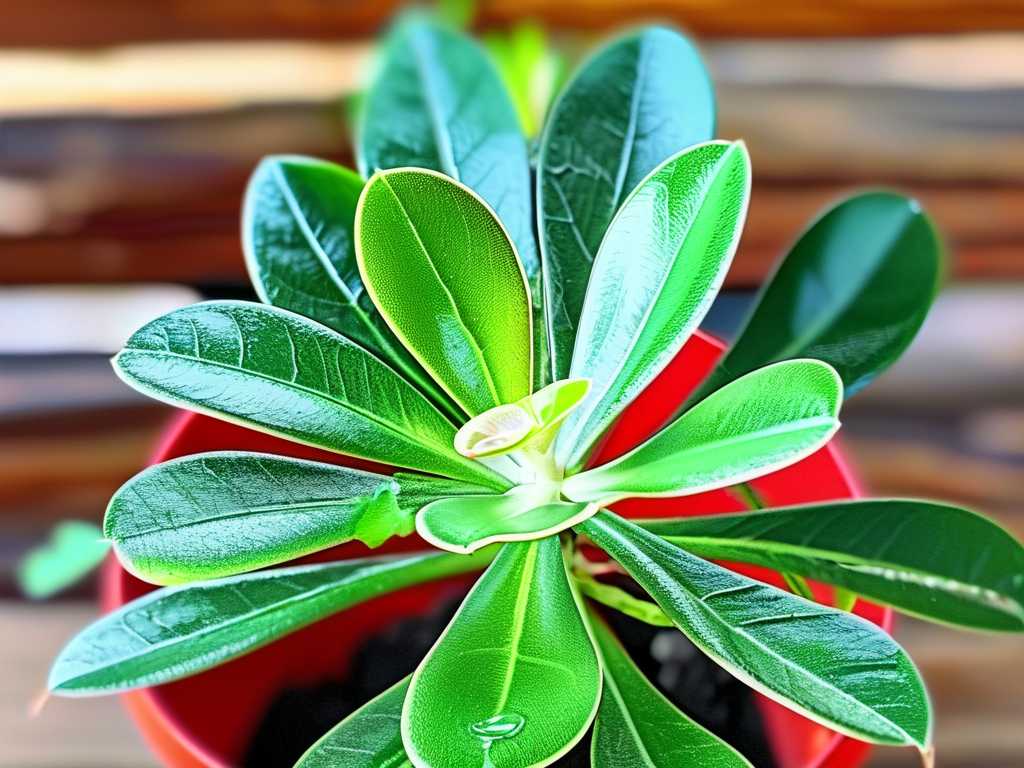
Here are the four moisture-restoring hacks I personally used and observed over a critical two-week period.
Hack 1: The Bottom-Watering Immersion Therapy
When you water from the top and it seems to run straight through, your soil has likely become water-repellent. The center of the root ball remains bone-dry. Bottom-watering is the most effective fix.
My process was simple but required patience. I placed the nursery pot (with drainage holes) inside a bowl or sink filled with about 2 inches of lukewarm water. I let it sit for 30 to 45 minutes. I watched as the surface of the soil slowly darkened, a sure sign moisture was wicking upward. The American Horticultural Society’s (AHA) Plant Care guides affirm that this method “ensures even saturation, rehydrating parched potting mix effectively.”
-
My 2-Week Observation: Within the first 24 hours, the most pliable stems showed a slight firmness. After 3 days, the deepest wrinkles on the lower, older leaves began to smooth out. By the end of week one, new turgor pressure was evident. The key lesson? Don’t rush. A quick 10-minute soak wasn’t enough for my severely dehydrated plant.
-
The Pitfall I Hit: I left one pot soaking for over two hours in my first attempt. This led to oversaturation for a plant that wasn’t as dry. The fix? Always check the soil moisture by touching the top after 30 minutes. If it’s damp, it’s done.
Hack 2: Strategic Pruning for Energy Redirection
A plant struggling with moisture loss is under immense stress. Supporting it to restore jade plant health means reducing its burden. Dry, crispy leaves won’t recover. They drain energy the plant needs to heal its roots and hydrate remaining foliage.
With clean, sharp scissors, I carefully removed any leaves that were more than 50% shriveled or crispy. I also pruned any completely dry, brittle stems. This felt drastic, but it was necessary. It allowed the plant to focus its limited resources.
-
My 2-Week Observation: This was the most visually dramatic change. Immediately, the plant looked less distressed. Within a week, I noticed tiny new growth nodes appearing near the pruning cuts on healthier stems—a sure sign of redirected energy. The plant was no longer trying to sustain the unsustainably dry leaves.
-
The Pitfall I Hit: I initially only removed leaves, ignoring a thin, desiccated stem. It later developed a soft spot. The fix? Be thorough in your assessment. Any stem that has lost all flexibility and is dry through should be pruned back to healthy tissue.
Hack 3: The Humidity Dome Microclimate
While jade plants don’t need tropical humidity, extremely dry air (common in heated homes) can pull moisture from leaves faster than the stressed roots can replace it. Creating a temporary humid microclimate aids recovery.
I didn’t buy anything. I simply used a clear plastic bag. After watering, I placed three tall stakes around the pot’s edge to keep the plastic off the foliage, then loosely draped the bag over the whole plant, creating a “dome.” I opened it for an hour each day for air circulation.
-
My 2-Week Observation: Leaves stopped feeling papery within 4-5 days. The slight plumpness returned faster than to a plant I was treating without the dome. After 10 days, I removed the dome permanently, as the plant showed stable improvement. This hack is a powerful moisture-restoring technique for succulents in crisis.
-
The Pitfall I Hit: On day two, I sealed the bag tightly, creating stagnant, wet conditions. I saw a hint of mold on the soil surface. The fix? Always ensure the cover is loose and provide daily ventilation to prevent fungal issues.
Hack 4: Post-Rescue Soil & Light Audit
The first three hacks address the emergency, but preventing relapse is crucial. Once my plant was stabilized (around the 10-day mark), I planned its long-term care.
I waited until the end of the two weeks, then gently tipped the plant out of its pot. The roots were fine but the soil was poor and compacted. I repotted it into a fresh, fast-draining succulent mix, blending in some extra perlite. I also moved it from a scorching south window to a spot with bright, indirect light (an east-facing window), as recommended by the RHS for stressed succulents recovering from dry leaf problems.
-
My 2-Week Observation: The repotting initially caused a slight pause, but within 3-4 days post-repot, the plant looked brighter and more anchored. The new soil held moisture evenly without staying soggy. This audit is what cemented the recovery.
-
The Pitfall I Hit: I initially repotted immediately after the soak, which can shock a stressed plant. The fix? Time your repotting. Let the plant recover from its dehydration crisis first before handling the roots.
Can a completely dry, crispy jade leaf turn green again? No, once a leaf has lost all moisture and turned crispy, the cells are permanently damaged. It will not regain its green, plump appearance. The best action is to gently prune it away so the plant can focus energy on healthy growth.
How often should I water after using these hacks? Abandon a fixed schedule. After the initial rescue soak, allow the soil to dry out almost completely between waterings. Stick your finger about 2 inches into the soil. If it’s dry, it’s time to water deeply (preferably using the bottom-watering method). This could mean watering every 2-4 weeks, depending on your home’s conditions.
My jade plant’s leaves are dry AND soft/ yellowing. What does that mean? This is a critical distinction. Dry and crispy typically points to underwatering. Dry, but also soft, mushy, or yellowing, often indicates overwatering and root rot. In this case, the roots are damaged and cannot take up water, causing leaves to dry out despite wet soil. The solution would involve unpotting, inspecting and trimming rotten roots, and repotting in dry, fresh soil.
Watching a jade plant wither is discouraging, but it’s a remarkably communicative plant. Those dry leaves are a clear distress signal. By moving beyond simple top-watering and employing targeted strategies like bottom-soaking, strategic pruning, and microclimate control, you address the underlying issue. My two-week journey proved that recovery is not only possible but can be quite rapid once the correct moisture balance is restored. Remember, the ultimate goal is to create an environment where the roots can function properly, allowing your jade plant to return to its naturally lush, resilient state.





