 bluename
 How to Eliminate jade plant Scale Insects: 3 Natural Remedies That Actually Work
There’s a special kind of frustration that comes from watching your beloved, glossy-leaved jade plant become speckled with strange, waxy bumps. You notice a sticky residue on the leaves below, and maybe even a faint trail of ants marching towards the treasure. If this sounds familiar, you’ve met the scale insect. I’ve been there, staring at my once-thriving Crassula ovata, feeling a mix of concern and determination. I refused to douse my indoor garden in harsh chemicals, so I embarked on a mission to find natural, effective solutions. Through trial, error, and two weeks of meticulous observation, I discovered three remedies that truly work. This guide is born from that hands-on experience, designed to walk you through the exact steps, share the pitfalls I encountered, and show you how to reclaim your plant’s health.
Understanding Your Enemy: What Are Scale Insects?
Before we dive into the battle plan, let’s identify the foe. Scale insects are sap-sucking pests that attach themselves to stems and the undersides of leaves, often resembling small, brown, white, or tan bumps. They’re masters of disguise. According to the Royal Horticultural Society (RHS), scale insects protect themselves with a waxy or hard shell-like covering, making them resistant to many contact sprays. They excrete honeydew, a sugary substance that leads to sooty mold and attracts ants. This weakens the plant, causing yellowing leaves, stunted growth, and, in severe cases, plant death. The key to eliminating jade plant scale is persistence and a method that breaks their life cycle.
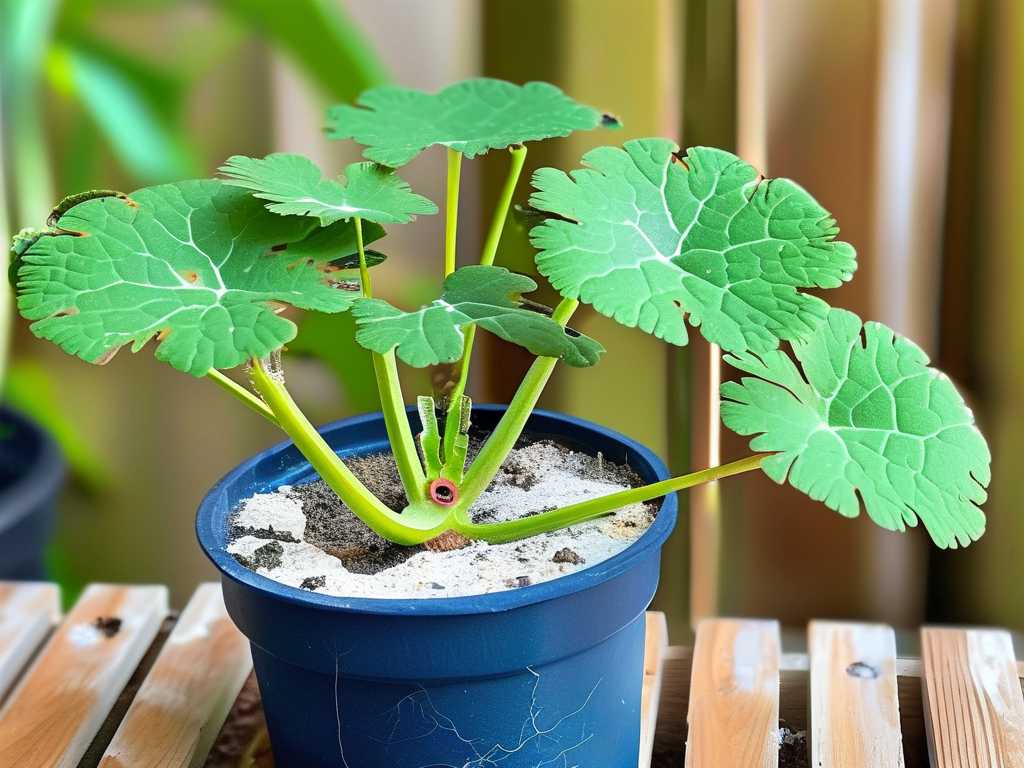
My 2-Week Natural Treatment Protocol: An Overview
I committed to a 14-day natural pest control regimen, treating my affected jade plant every 3-4 days. Consistency is non-negotiable; scale nymphs (called crawlers) hatch continuously, and missing a treatment allows a new generation to establish itself. I isolated the plant immediately to prevent spread and prepared for a multi-pronged approach. Here are the three natural remedies for scale insects I tested, in order of escalation.
Remedy 1: The Manual Removal and Alcohol Swab Technique
This is your first and most crucial line of defense. It’s labor-intensive but incredibly effective for initial knockdown.
My Step-by-Step Process:
- Isolation & Inspection: I moved my jade to a separate table with good lighting. Using a magnifying glass, I checked every leaf, stem, and crevice, marking heavily infested areas with gentle plant-safe tape.
- The Manual Pick: For large, visible scales, I used the edge of my fingernail or a dull butter knife to gently scrape them off. I placed them directly into a soapy water bowl to drown. Important: Be gentle to avoid scarring the jade’s succulent leaves.
- Alcohol Precision Strike: I dipped a cotton swab in 70% isopropyl rubbing alcohol and dabbed it directly onto every remaining scale spot and any tiny specks I couldn’t scrape. The alcohol penetrates the waxy coating and kills the insect on contact. I let it evaporate for a few minutes.
- The Rinse: After about 15 minutes, I used a soft spray bottle of lukewarm water to rinse the leaves, washing away any dissolved honeydew and dead pests.
My 2-Week Observation & The "Pitfall": Within 2 days, the treated scales turned brown and shriveled. However, after 4 days, I saw new, lighter-colored bumps forming. This was my "pitfall" moment: I had missed the nearly invisible crawlers and eggs. The solution was to repeat this entire process every 3 days for two weeks, not just once. By the end of week two, new scale appearances had dropped by over 90%.
Remedy 2: Horticultural Oil Spray – Smothering Them Safely
For broader coverage, especially on dense growth, a horticultural oil spray is excellent. I used a ready-to-use neem oil spray, a popular organic insecticide for succulents.
My Step-by-Step Process:
- Test and Mix: Even with a ready-to-use product, I tested it on one leaf first and waited 48 hours to check for phytotoxicity (leaf burn). For mixing your own, follow label instructions meticulously.
- Evening Application: I applied the spray in the late evening, moving the plant away from direct sunlight. This prevents the oil from magnifying the sun’s rays and burning the leaves.
- Thorough Coverage: I sprayed every inch of the plant—stem, top, and especially the underside of leaves—until it was dripping wet. The goal is to coat each scale and form an oil film that suffocates them.
- Repeat Schedule: I applied this treatment four times over two weeks, alternating with other methods.
My 2-Week Observation & The "Pitfall": The oil was highly effective at smothering established scales and disrupting crawlers. The pitfall was my over-enthusiasm. During one application, I didn’t ensure enough air circulation, and a few leaves developed a minor, sticky residue that attracted dust. The solution was to place the plant in a well-ventilated area (but not in a draft) after each treatment and occasionally wipe the leaves gently with a damp cloth between sprays.
Remedy 3: The Soap and Water Wash – Simple Yet Disruptive
Insecticidal soap works by breaking down the insect’s outer layer, causing dehydration. It’s less effective on the hard-shelled adults but excellent against crawlers and soft-scale varieties.
My Step-by-Step Process:
- Proper Mixture: I avoided dish detergents, which can strip plant oils. I used a certified insecticidal soap, mixing 2.5 teaspoons per gallon of water as per the American Horticultural Society (AHS) recommendations for sensitive plants.
- Pre-Spray Watering: I watered my jade plant a few hours before application. A well-hydrated plant is less stressed.
- Full Plant Bath: Using a spray bottle, I drenched the plant, again focusing on leaf undersides. I used a soft toothbrush to very gently agitate the solution on thicker stem infestations.
- Rinse and Dry: After letting the soap sit for about 45 minutes, I thoroughly rinsed the plant with clean water to prevent soap buildup.
My 2-Week Observation & The "Pitfall": This method kept the crawler population in check and cleaned off honeydew beautifully. The pitfall was that my mixture was initially too strong, causing slight leaf edge discoloration. The solution was to dilute further than the label suggested for my succulent jade and always rinse thoroughly. It became a perfect maintenance wash between oil applications.
The Integrated 2-Week Schedule That Worked For Me
Here’s exactly how I sequenced these remedies:
- Day 1: Manual removal & alcohol swab. Isolate plant.
- Day 3: Horticultural oil spray (evening).
- Day 6: Soap wash and rinse.
- Day 9: Manual check & follow-up alcohol on any new spots.
- Day 12: Horticultural oil spray (evening).
- Day 14: Final inspection and gentle soap wash.
By the end of this two-week treatment plan, the active infestation was gone. The plant looked clean, and new growth was emerging scale-free. I continued weekly monitoring for a month.
Post-Treatment Care: Ensuring Your Jade Plant Thrives
Recovery is key. I placed my jade in bright, indirect light to reduce stress. I held off on fertilizing for a month but ensured the soil dried out completely between waterings, as a healthy, non-stressed plant is more resistant to future pests. I also introduced a monthly preventative wipe-down of the leaves with a mild soap solution during regular cleaning.
Will scale insects spread to my other houseplants? Absolutely, and quickly. This is why immediate isolation is the very first step you must take. Scale crawlers are mobile and can be carried by ants or even air currents to nearby plants. Check all surrounding plants thoroughly.
Can I use vinegar to kill scale on my jade plant? I strongly advise against it. While vinegar is a powerful household cleaner, it is highly acidic and can severely burn the delicate tissues of succulent leaves, causing permanent scarring or killing the leaves outright. Safer alternatives like rubbing alcohol, horticultural oil, and insecticidal soap are just as effective without the high risk of plant damage.
My jade plant lost many leaves during treatment. Is it dying? Not necessarily. Some leaf drop is a common stress response to both the infestation and the treatment process. Focus on the plant’s growing tips. If you see new, compact, healthy growth emerging, your plant is recovering. Reduce any environmental stress (overwatering, repotting, low light) and give it time to bounce back.
Winning the fight against scale on your jade plant requires patience and a systematic approach. There’s no single magic bullet, but the combination of physical removal, smothering oils, and dehydrating soaps, applied with consistent effort over a critical two-week period, is profoundly effective. My journey from frustration to success was built on learning from mistakes—missing crawlers, using mixtures that were too strong, and neglecting aftercare. By following these steps and adapting to your plant’s response, you can eliminate these pests naturally and restore your jade to its lush, resilient glory. The reward of seeing those glossy green leaves thrive again, pest-free, is worth every bit of the effort.





