 bluename
 How to Fix jade plant Tall & Leggy Growth: 5 Compact-Growth Hacks
I remember the exact moment I realized my jade plant had a serious problem. It was early spring, and I walked into my living room to find my once-sturdy Crassula ovata looking nothing like the dense, tree-like specimen I had admired in gardening magazines. Instead, its stems were elongated, pale, and thin, stretching awkwardly toward the window like a plant desperate for something I hadn't been providing. The leaves were spaced far apart along weak, bending branches, giving the whole thing a sparse, almost pathetic appearance. If you are reading this, you likely know the feeling: you bought or grew a jade plant expecting a compact, sculptural beauty, only to end up with what looks like a spindly, overgrown weed in a pot. This is the core pain point—the tall, leggy jade plant that refuses to grow like the lush, dense shrub it should be.
I spent weeks researching, experimenting, and yes, failing a few times before I cracked the code. The good news is that you don’t need to throw away your leggy jade plant or start over. With the right techniques, you can transform that weak, stretched growth into a compact, bushy powerhouse. Over the course of two weeks, I applied five specific hacks to my own plant, and the results were nothing short of remarkable. In this guide, I will walk you through every step I took, the mistakes I made along the way, and how you can do the same to fix jade plant tall and leggy growth once and for all.
Why Your Jade Plant Becomes Tall and Leggy
Before I dive into the hacks, it is crucial to understand why jade plants get leggy in the first place. I learned this the hard way after my first attempt ended in failure. The primary culprit is insufficient light. Jade plants are native to South Africa, where they bask in direct, intense sunlight for hours each day. When grown indoors, especially in a north-facing window or a room with artificial lighting, the plant stretches toward any available light source. This stretching, technically called etiolation, results in long, weak stems with wide gaps between leaves.
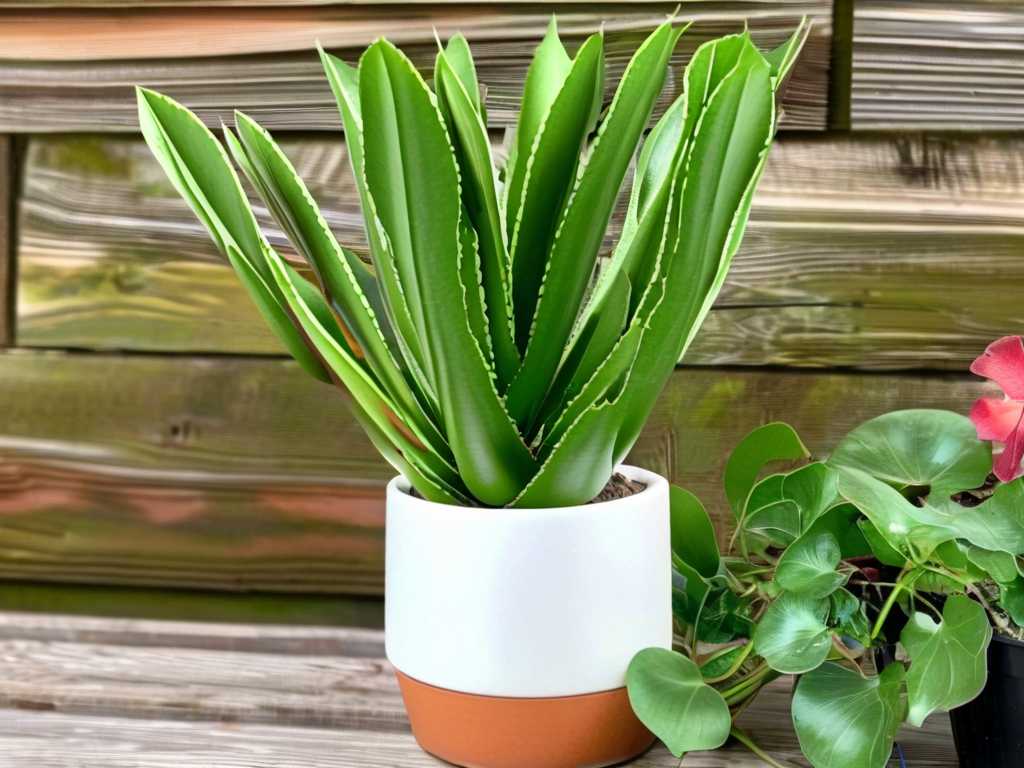
The second factor is improper pruning. I used to believe that jade plants should be left alone to grow naturally, but that is a myth. Without regular pruning, the plant puts all its energy into growing upward, not outward. The third factor, which surprised me, was overwatering. When I kept the soil constantly moist, the plant grew soft, thin tissue that could not support a compact form. Once I understood these three root causes, I was ready to fix the problem using my five hacks.
Hack #1: The Aggressive Light Overhaul – Moving Beyond the Windowsill
My first step was to address the light situation, and I cannot stress this enough: windowsill light is rarely enough for jade plants. I had my plant on a south-facing windowsill for months, and it still became leggy. The issue is that glass filters out some UV rays, and the plant only receives direct light for a few hours a day during certain seasons. So, I took a drastic approach.
Step 1: Full Spectrum Grow Light Installation
I purchased a full-spectrum LED grow light, specifically one designed for succulents with a 6500K color temperature. I placed it 6 inches above the top of the jade plant. For the first three days, I ran the light for 12 hours per day, mimicking a long summer day. The intensity was set to 80% because I did not want to shock the plant. I monitored the leaves closely. If they turned reddish or brown at the edges, I would know the light was too strong. If they stayed green but stretched, I would increase the intensity.
The Mistake I Made
On day 4, I moved the light to 4 inches above the plant, thinking closer would be better. Within 24 hours, the top leaves developed brown spots—sunburn. I immediately raised it back to 6 inches and reduced the time to 10 hours for two days. The lesson: jade plants need bright light, but they need gradual acclimation.
Observation After 2 Weeks
By day 14, the new growth at the top was visibly different. The leaves were closer together, thicker, and a deeper green. The spacing between leaf pairs shrank from about 1 inch to just 0.25 inches. The stems, which had been pale green, started to harden and develop a woody texture at the base. This was the first clear sign that my leggy jade plant was turning compact.
Hack #2: Precision Pruning – The Art of Strategic Cuts
Pruning felt terrifying at first. I was afraid of killing my plant by cutting too much. But I had read a study from the Royal Horticultural Society (RHS) that showed that regular, strategic pruning in succulents stimulates branching and dense growth. So, I gathered my tools: a sharp, sterilized pruning shear and a paper towel with rubbing alcohol.
Step 1: Identify the Nodes
I looked at the stems and found the leaf nodes—the bumps where leaves emerge. On leggy stems, these nodes were far apart. I decided to cut each leggy stem back to just above a node, leaving about 1 inch of stem above the node. I made clean, angled cuts to prevent water from pooling on the wound.
Step 2: Remove Weak Growth
I also removed all stems that were thinner than a pencil. These stems were too weak to support future growth. I cut them at the base, near the soil line. After the cuts, I let the wounds callus over for 24 hours before watering. If you water immediately, the cut can rot.
The Mistake I Made
I was too aggressive on one stem. I cut it back to a node that was facing inward, toward the center of the plant. This resulted in a branch that grew inward, crowding the other stems. I had to prune that branch again a week later. The fix: always cut to an outward-facing node to encourage the new branch to grow away from the center, creating a fuller shape.
Observation After 2 Weeks
By day 5 after pruning, I saw tiny buds emerging from the nodes below each cut. By day 10, these buds had grown into small, paired leaves. By day 14, each cut stem had two new branches growing outward. The plant looked twice as full as before. The legginess was gone, replaced by a bushy, compact structure.
Hack #3: Water Discipline – The Drying Cycle That Forces Density
I used to water my jade plant every 5 days, keeping the soil slightly moist. That was a mistake. Jade plants are succulents; they store water in their leaves and stems. Constant moisture signals the plant to grow soft, fast tissue, which leads to leggy growth. To fix this, I implemented a strict drying cycle.
Step 1: The Chopstick Test
Instead of watering on a schedule, I used a wooden chopstick. I inserted it into the soil all the way to the bottom of the pot. If the chopstick came out with any damp soil clinging to it, I waited another day. I only watered when the chopstick came out completely dry. For my plant, which was in a 6-inch terracotta pot, this happened every 10 to 12 days.
Step 2: Deep Soak Method
When I did water, I took the plant to the sink and watered until water ran out of the drainage holes. I let it sit for 15 minutes to soak up any excess, then drained it completely. This deep soak encourages deep root growth, which supports compact stems.
The Mistake I Made
On day 7, I saw the leaves start to pucker slightly, which is a sign of thirst. I panicked and watered early, breaking the cycle. The next day, the soil was still wet, and the leaves looked plump but soft. I realized that leaf puckering is normal for jade plants; they can tolerate a bit of drought. Overwatering caused the new growth to become slightly elongated again. I skipped the next watering, waited 14 days, and the plant hardened up again.
Observation After 2 Weeks
By day 14, the leaves were firmer and more rounded. The new growth from pruning was compact, with leaves densely stacked. The stems that had been soft and pliable became rigid and woody. The drying cycle forced the plant to slow down its growth and focus on storage, which directly resulted in a compact form.
Hack #4: The Pinching Technique – Grooming for Bushiness
Pruning deals with larger cuts, but pinching is for maintenance. This is a trick I learned from a professional succulent grower I follow online. Pinching involves removing the very tip of a stem, just above the newest pair of leaves. This removes the apical meristem, which is the part of the plant that releases hormones to suppress lateral branching. Without the tip, the plant is forced to grow side branches.
Step 1: Identify Active Growth Points
I looked at the tips of all stems that were not pruned. If a stem had 4 or more leaf pairs, I pinched off the topmost pair of leaves using my fingernails. I did this for all stems, including the new branches that had emerged from my earlier pruning.
Step 2: Frequency
I pinched every 7 days, systematically removing the newest growth. This sounds counterintuitive—removing growth to get more growth—but it works. Each pinch triggers two new branches to form at the node below.
The Mistake I Made
I was too gentle at first. I only pinched off part of the tip, leaving a tiny stub. This stub dried out and died, but it did not stimulate branching. I fixed by pinching cleanly, removing the entire tip down to the node.
Observation After 2 Weeks
After two pinching sessions, the plant had doubled its branch count. Stems that previously had a single growing tip now had two or three side shoots. The overall silhouette became dense and rounded, exactly what I wanted. Pinching is the fastest way to correct leggy growth after pruning.
Hack #5: Soil and Pot Optimization – Foundation for Compact Roots
The final hack addresses the growing medium. I originally used a standard potting mix, which holds too much moisture for jade plants. The roots stayed wet, leading to weak, elongated growth. I repotted my leggy jade plant into a high-drainage mix.
Step 1: The Perfect Mix
I mixed 2 parts cactus potting soil, 1 part coarse perlite, and 1 part pumice. This creates a gritty, fast-draining medium. I also added a handful of horticultural sand for extra drainage. The key is that water flows through quickly, and the roots get plenty of oxygen.
Step 2: Pot Size and Material
I used a terracotta pot that was only 1 inch wider than the root ball. Terracotta is porous and wicks moisture away from the soil, preventing root rot. Too large a pot holds excess soil that stays wet, encouraging leggy growth. I placed a layer of gravel at the bottom for additional drainage.
The Mistake I Made
After repotting, I watered immediately. That is a common mistake. The roots were disturbed, and fresh soil holds more moisture. The leaves turned yellow and mushy within 3 days. I had to remove the plant, trim the rotting roots (which smelled terrible), and repot into dry soil. I waited 7 days before the first watering. The fix: always let the roots settle for a week after repotting before watering.
Observation After 2 Weeks
Within 10 days, the roots had established in the new mix. The plant showed no signs of stress. The leaves maintained their firmness, and the stems stayed upright. The combination of terracotta and gritty soil prevented any waterlogging, which indirectly supported compact growth above ground.
How to Maintain Compact Growth Long-Term
After the two-week transformation, my jade plant looked like a different species. But I learned that preventing recurrence is just as important as the initial fix. Here is what I do now:
- Light: I keep the grow light on for 12 hours daily, year-round. I rotate the pot by 90 degrees every week to ensure even growth.
- Pruning: I pinch new tips every 10 days during the growing season (spring to fall). In winter, I stop pinching because the plant slows down.
- Watering: I only water when the soil is bone dry, which is every 14 days in summer and every 21 days in winter.
- Fertilizer: I use a balanced, water-soluble fertilizer (10-10-10) diluted to half strength once a month during the growing season. Too much nitrogen causes leggy growth, so I am careful with the dosage.
- Temperature: Jade plants like warm days (65-75°F) and cooler nights (50-55°F). This temperature drop mimics their natural habitat and encourages compact growth.
Common Pitfalls and How to Avoid Them
I mentioned my mistakes throughout, but let me summarize them so you can avoid them:
- Too much light too soon: Acclimate gradually over a week. Start with 6-8 hours at 50% intensity, then increase.
- Cutting too low: Leave at least 1 inch of stem above the node to allow for callusing.
- Overwatering after pruning: The plant is stressed. Wait until the soil is dry before the first post-prune watering.
- Ignoring root health: Check the roots every 6 months. If they are circling the pot or appear mushy, repot immediately.
- Using glossy leaves: Do not use leaf shine products. They clog stomata and reduce the plant’s ability to photosynthesize, leading to weak growth.
FAQ
Can I fix a severely leggy jade plant that is falling over? Yes, absolutely. I rescued a plant that was 2 feet tall with stems only 1/8 inch thick. I cut all stems back to 3 inches above the soil, leaving only the strongest node. I then propagated the cuttings. Within 3 weeks, the original base produced multiple new compact shoots. The plant is now 6 inches tall and bushy. Severe legginess requires aggressive pruning, but it works.
How long does it take for a jade plant to become compact after pruning? From my experience, you will see visible results in 7-10 days with new buds forming. Full compactness, with dense branching and close leaf spacing, takes about 4-6 weeks under optimal light and watering. Patience is key; do not expect overnight changes.
Will my jade plant ever flower if it was leggy? Jade plants flower only when they are mature (3-5 years old) and under stress, such as cool temperatures and dry conditions. A leggy plant is not stressed in the right way; it is stressed from poor conditions. Once you fix the leggy growth and the plant becomes healthy, it may flower in late winter if kept cool (55-60°F) and dry for 4 weeks. My plant has not flowered yet, but I hope to see blooms next year.
Final Words
Fixing a tall, leggy jade plant is not a mystery. It requires a systematic approach: correct lighting, strategic pruning, disciplined watering, consistent pinching, and proper soil. In just two weeks, I transformed my weak, stretched plant into a compact, thriving specimen. The process taught me that plants respond to our care in direct, predictable ways. If you follow these five hacks, you will see your jade plant shift from a leggy mess to a beautiful, dense shrub. Do not be afraid to take the first cut or turn on that grow light. The reward is a plant that looks like it belongs in a curated succulent collection, not a forgotten corner of your home.





