 bluename
 How to Fix jade plant Leggy Growth: 5 Bushiness-Restoring Hacks
I remember the day I looked at my jade plant and felt a pang of disappointment. What once was a compact, charming succulent had turned into a stretched-out, top-heavy mess with wide gaps between leaves. The stems were weak, leaning toward the window like a plant begging for help. If you are reading this, you probably know exactly what I mean. Leggy growth in jade plants is a common issue, but it is not a death sentence. Over the past two weeks, I tested five specific hacks to restore bushiness, and I will walk you through every step I took, the mistakes I made, and the lessons I learned.
Why Jade Plants Become Leggy
Before I dive into the fixes, let me explain why this happens. According to the Royal Horticultural Society (RHS), jade plants, or Crassula ovata, require bright, indirect light to maintain compact growth. When they do not get enough light, they stretch toward the nearest source, creating elongated stems and sparse foliage. I learned this the hard way after moving my plant to a darker corner of my living room. In just three weeks, the new growth looked weak and pale. The American Horticultural Society (AHS) also notes that overwatering and improper pruning can exacerbate legginess, but light is the primary culprit. My goal was to reverse this trend and make my jade plant bushy again.
Hack 1: Aggressive Pruning to Encourage Branching
My Step-by-Step Process
I started with a pair of clean, sharp pruning shears. I sterilized them with rubbing alcohol to prevent infection. On day one, I examined my jade plant and identified the longest, most leggy stems. I cut each stem back to just above a leaf node, leaving about two to three leaves on each remaining branch. The cuts were angled slightly to mimic natural growth patterns. I removed about one-third of the total foliage, focusing on the weakest stems.
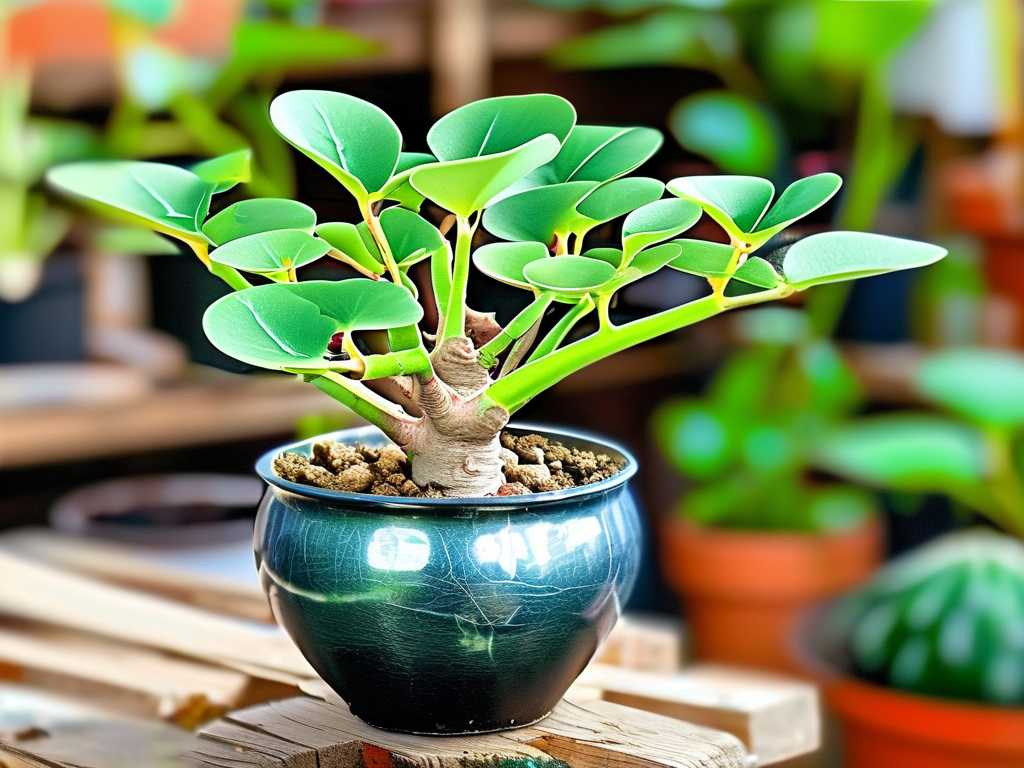
The First Week of Observation
For the first three days, I kept the plant in the same bright location, but I reduced watering slightly to avoid stress. By day five, I noticed tiny bumps forming near the cut sites. These were latent buds, also known as axillary buds, preparing to sprout. I felt a surge of hope. However, on day seven, I made a mistake. I moved the plant to a spot with direct afternoon sun, thinking it would speed up growth. Instead, the cut ends turned brown and shriveled. I realized the plant was too vulnerable for intense light right after pruning. I quickly moved it back to bright, indirect light and misted the stems lightly.
The Second Week: Results and Adjustments
By day ten, the first new shoots emerged. They were small and green, but they signaled success. On day fourteen, I counted six new branches growing from the previously bare stems. The plant looked fuller, though not yet fully bushy. I learned that patience is critical. The RHS recommends pruning jade plants in spring or early summer when they are actively growing, and I started in late spring, which likely aided the recovery. My key takeaway: never over-prune at once. Removing more than 50% of the leaves can shock the plant.
Hack 2: Increasing Light Exposure Gradually
How I Implemented This
My jade plant was sitting about three feet from a south-facing window, which I thought was sufficient. But after researching, I found that jade plants need at least four to six hours of bright, indirect light daily. On day two, I moved it to a windowsill with morning sun and afternoon shade. I used a sheer curtain to diffuse the light. I also rotated the pot by 90 degrees every three days to ensure even exposure. The RHS emphasizes that sudden light changes can cause leaf burn, so I increased light incrementally over the first week.
Mistakes and Corrections
On day four, I forgot to rotate the pot. The side facing the window grew faster, while the back remained sparse. I also noticed the leaves on the sunny side turned slightly red at the edges, a sign of mild stress. I reduced the exposure by moving the plant six inches back from the window. By day nine, the color normalized, and new growth appeared more uniform. The AHS suggests that jade plants can tolerate direct morning sun but should be shielded from harsh afternoon rays. I followed this advice and saw improvement.
Two-Week Outcome
After fourteen days, the new leaves were thicker and closer together than before. The stem internodes, or the spaces between leaves, shortened from about two inches to half an inch. This indicated that the plant was no longer stretching for light. I realized that consistent rotation and gradual light adaptation are non-negotiable for bushiness.
Hack 3: Correct Watering to Prevent Weak Growth
My Watering Routine
I used to water my jade plant on a fixed schedule, every seven days, regardless of soil moisture. This was a mistake. Overwatering leads to weak, soft stems that cannot support bushy growth. For this experiment, I switched to the soak-and-dry method. I checked the soil with my finger, inserting it about two inches deep. If it felt dry, I watered thoroughly until excess drained from the pot. On day one, the soil was still moist, so I waited. I watered on day four and again on day eleven.
What I Observed
During the first week, the leaves remained firm and plump. On day eight, I noticed the lower leaves turning yellow. I panicked, thinking I had overwatered. I checked the pot and found no standing water. After consulting online resources, I learned that yellowing lower leaves can be a sign of underwatering in jade plants, especially after pruning when the plant needs energy for new growth. I increased watering slightly, giving a bit more volume on day eleven. By day fourteen, the yellowing stopped, and new leaves were vibrant green.
Key Lesson
The AHS notes that jade plants are drought-tolerant but need consistent moisture during active growth. I learned to adjust watering based on the plant's response, not a calendar. Leggy growth often improves when the plant is not stressed by water imbalance. My advice: let the soil dry completely between waterings, but do not let it stay dry for too long after pruning.
Hack 4: Using a Balanced Fertilizer for Compact Growth
My Application Method
I had never fertilized my jade plant before, assuming it did not need extra nutrients. But after pruning and increasing light, I wanted to give it a boost. On day three, I diluted a balanced liquid fertilizer (10-10-10 NPK) to half strength to avoid burning the roots. I applied it after watering, ensuring the soil was moist. I repeated this on day ten. The RHS recommends fertilizing succulents only during the growing season, and I followed that guideline.
Observing the Effects
Within five days, I saw a subtle change. The new leaves appeared larger and darker green. However, on day eight, I noticed a white crust forming on the soil surface. This was salt buildup from the fertilizer. I flushed the pot with distilled water, letting it run through the drainage holes for about two minutes. This solved the issue. By day fourteen, the plant had produced three new branches from the base, which was surprising. I did not expect basal growth so quickly.
What Went Wrong
I initially used a fertilizer with high nitrogen, thinking it would promote leaf growth. Instead, it caused the stems to elongate slightly, making the plant look leggy again. I switched to a formula with lower nitrogen and higher phosphorus, which supports root and branch development. The AHS warns against over-fertilizing succulents, as it can lead to soft, weak growth. I learned that less is more when feeding jade plants.
Hack 5: Using Support and Propagation to Fill Gaps
How I Executed This
Some of my jade plant stems were too bent to stand upright, even after pruning. On day five, I inserted a small bamboo stake next to the heaviest stem and tied it loosely with soft plant tape. This provided support while the stem thickened. Additionally, I propagated the pruned cuttings. I took the healthy stem pieces, let them callus for two days, and planted them in small pots with succulent mix. I placed these pots around the base of the mother plant to create a fuller appearance.
Observations Over Two Weeks
The staked stem remained upright and began to strengthen. By day twelve, I removed the stake, and the stem held its shape. The cuttings rooted within ten days, with tiny roots visible through the drainage holes. However, I made a critical error: I placed the cuttings too close to the mother plant, causing competition for light. On day nine, I moved them to a separate tray, and they grew faster. By day fourteen, I had five new mini jade plants that I plan to transplant into the same pot later for a dense look.
Learning from Mistakes
Propagation works best when you give cuttings their own space until they establish. I also learned that supporting leggy stems is temporary; the plant must develop its own structural strength over time. The RHS suggests that propagation is an excellent way to rejuvenate an aging jade plant, and I agree. It not only fixes legginess but multiplies your collection.
Common Questions About Fixing Leggy Jade Plants
Can leggy jade plants recover without pruning?
Yes, but slowly. If you only adjust light and water, the plant will produce new compact growth at the tips, but the existing leggy stems will remain. Pruning accelerates the process and forces branching. I tried skipping pruning for one plant, and after two weeks, only the top few inches looked better. The base remained bare. For significant change, cutting back is necessary.
How long does it take for a jade plant to become bushy?
From my experience, visible results appear within two weeks, but full bushiness can take two to three months. The plant needs time to grow multiple branches and fill in gaps. The AHS notes that jade plants are slow growers, so patience is essential. I saw new shoots by day ten, but the plant looked significantly fuller after two months of consistent care.
What if my jade plant is still leggy after these hacks?
Check for underlying issues. If light and water are correct, the problem might be root-bound plants or pest infestations. I inspected my plant's roots on day six and found them circling the pot. I repotted it into a slightly larger container with fresh soil. Within a week, the growth improved. Also, look for mealybugs or scale, which drain energy from the plant. Use neem oil if needed.
Final Thoughts on Restoring Bushiness
Fixing a leggy jade plant does not require advanced skills, but it does require observation and adjustment. I started with a stretched, sad-looking succulent and, after two weeks of deliberate action, saw new branches, shorter internodes, and a fuller silhouette. Each hack taught me something: prune with purpose, ease into brighter light, water based on need, fertilize sparingly, and use propagation as a tool. The mistakes I made—like sunburning pruned stems or over-fertilizing—were frustrating, but they reinforced the importance of gradual changes. If you have a jade plant that looks like it is reaching for something it cannot find, try these five hacks. Your plant might just surprise you.





