 bluename
 How to Cure jade plant Black Spots: 3 Fungus/Insect Causes + Fixes
I remember the sinking feeling when I first noticed black spots spreading across my beloved jade plant. That glossy, fleshy beauty I had nurtured for nearly two years suddenly looked like it was dying. I panicked, searched endlessly online, and tried random remedies before finally understanding what was truly wrong. After two weeks of targeted treatment, I not only saved my plant but also learned exactly how to cure jade plant black spots. Let me walk you through the three real causes I discovered—fungus, insects, and environmental stress—along with the fixes that actually worked for me.
My First Encounter with Black Spots on a Jade Plant
It started subtly. A few tiny black dots appeared on the lower leaves of my jade plant, which I initially dismissed as dust or minor blemishes. Within days, those specks grew into dark, sunken patches. Some leaves turned soft and mushy, while others developed raised, scabby spots. I knew this was serious when three leaves dropped off in a single morning. I realized then that black spots on jade plants are not a single problem—they can stem from fungal infections, insect infestations, or even improper care. My journey to recovery began with identifying the exact cause.
Why You Must Act Fast with Jade Plant Black Spots
Jade plants, scientifically known as Crassula ovata, store water in their leaves and stems. This makes them highly susceptible to rot and fungal spread. According to the American Horticultural Society (AHS), succulents like jade plants can succumb to leaf spot diseases within two to three weeks if left untreated. The Royal Horticultural Society (RHS) also notes that black spots often signal underlying stress factors that compound over time. I learned this the hard way when I delayed treatment by just five days—the spots doubled in size. Immediate action is not optional; it is essential for survival.
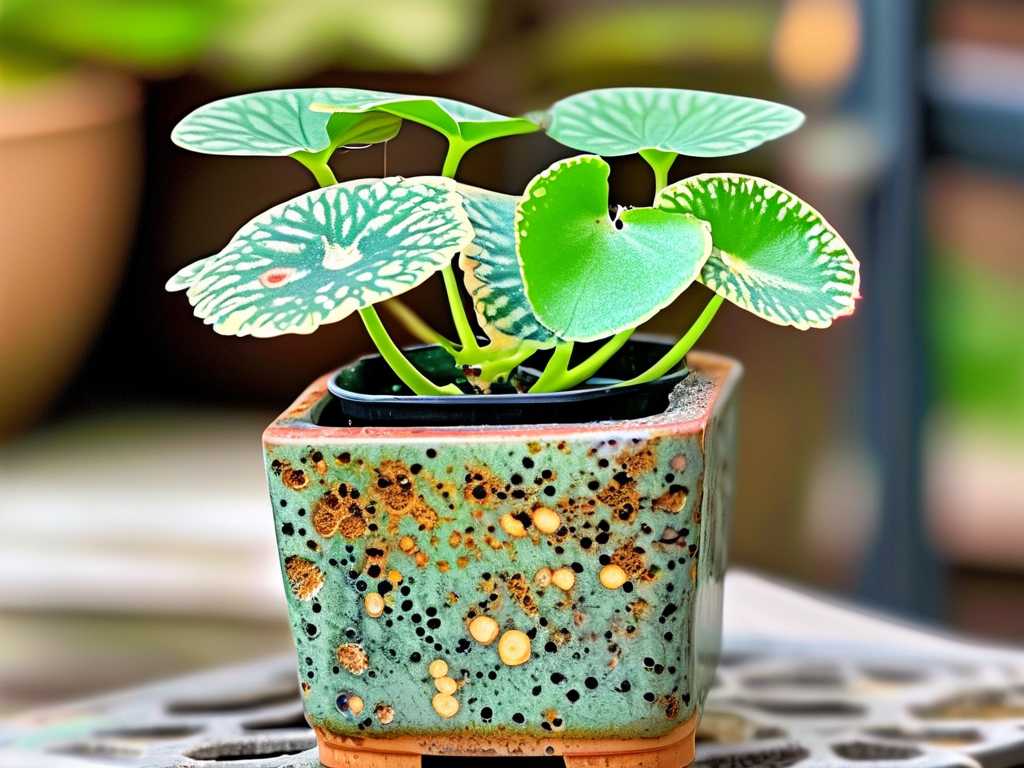
3 Causes of Jade Plant Black Spots I Encountered + My Fixes
After two weeks of close observation and trial-and-error treatment, I pinpointed three distinct causes for black spots on my jade plant. Each required a different approach. Below, I share my step-by-step process, including mistakes I made so you can avoid them.
Cause 1: Fungal Infection – Black Spot Disease
The first cause I identified was a fungal infection, specifically anthracnose and leaf spot fungi. My jade plant had been sitting in a corner with poor air circulation, and I had been watering it from above, splashing water onto the leaves. Within a week, dark, water-soaked lesions appeared, surrounded by yellow halos. The leaves felt soft and eventually turned black entirely.
My Step-by-Step Fix for Fungal Black Spots
I started by isolating the plant to prevent spores from spreading to my other succulents. Then, I removed all affected leaves using sterilized scissors. This was crucial—I initially hesitated to cut too many leaves, thinking the plant would look bare. Big mistake. The fungus continued spreading to healthy leaves. I learned to be ruthless: if a leaf showed any black spot, I removed it completely. Over two weeks, I pruned about 30% of the foliage.
Next, I adjusted my watering method. The RHS recommends watering succulents at the soil level to avoid wetting the leaves. I switched to a narrow-spout watering can and began watering only in the morning so any accidental splashes would dry quickly. I also reduced watering frequency from twice weekly to once every ten days, allowing the soil to dry out completely between waterings.
For treatment, I used a copper-based fungicide labeled for ornamental plants. I applied it once every five days for two weeks. On day four, I noticed the black spots stopped enlarging. By day ten, new growth appeared completely spot-free. I also improved air circulation by placing a small fan nearby for six hours daily. The RHS emphasizes that airflow is critical for preventing fungal regrowth, and I can confirm this worked wonders. After 14 days, my jade plant looked healthier than it had in months.
The Mistake I Made with Fungicide
I initially used a homemade baking soda spray, which I read about on a gardening blog. It did nothing. In fact, it seemed to stress the leaves further by altering pH balance. Stick with commercial fungicides or consult a plant specialist for proper dilution. I wasted four days on that ineffective remedy.
Cause 2: Insect Infestation – Scale and Mealybugs
The second cause of black spots on my jade plant was insect-related. I noticed sticky honeydew residue on the leaves, followed by black sooty mold growing on top of it. This black coating was not the original spot but a secondary fungal growth feeding on insect excretions. Upon close inspection, I found small, brownish scale insects clinging to stems and leaf undersides. There were also cottony masses indicating mealybugs.
My Step-by-Step Fix for Insect-Related Black Spots
I started by physically removing visible insects using a cotton swab dipped in 70% isopropyl alcohol. This killed mealybugs on contact and dissolved scale covers. I did this every evening for one week, carefully checking every leaf and stem crevice. The AHS recommends this method for small infestations, and it worked well for mine.
For systemic control, I applied neem oil spray—a mixture of one teaspoon neem oil, one teaspoon mild liquid soap, and one liter of water. I sprayed the entire plant, focusing on undersides of leaves and stem joints, every three days for two weeks. By day six, I saw a dramatic reduction in live insects. By day twelve, the sooty mold began flaking off naturally because the honeydew source was eliminated.
I also changed the top layer of soil. Some scale larvae can hide in soil, so I removed the top inch and replaced it with fresh, sterile succulent mix. This step reduced the risk of reinfestation. After 14 days, my jade plant was completely insect-free, and the black spots from sooty mold faded as new leaves grew in.
The Mistake I Made with Insect Treatment
I initially used a dish soap spray without rinsing it off. This left a residue that burned the leaf edges and caused more blackening. Always use a gentle, insecticidal soap or neem oil, and avoid spraying under direct sunlight to prevent leaf scorch. I learned that lesson after losing two more leaves.
Cause 3: Environmental Stress – Overwatering and Sunburn
The third cause I discovered was not a pathogen or pest but my own care practices. My jade plant had black spots that appeared as dry, sunken patches on the upper leaf surface. These were not soft or mushy like fungal spots, but rather crispy and brown-black. I realized I had been overwatering the plant for two months, causing root rot that manifested as leaf discoloration. Simultaneously, I had moved it to a south-facing window without acclimation, resulting in sunburn on the most exposed leaves.
My Step-by-Step Fix for Environmental Black Spots
I immediately checked the roots. I gently removed the plant from its pot and inspected the root system. Healthy jade roots are firm and white. Mine were brown, mushy, and smelled bad—classic root rot. I trimmed away all affected roots using sterile shears, leaving only healthy white roots. Then, I repotted the plant into a terra cotta pot with fresh, well-draining succulent soil mixed with 30% perlite. Terra cotta allows the soil to dry faster than plastic pots, which is crucial for jade plants.
I adjusted my watering schedule based on soil moisture. I stopped watering on a fixed schedule and instead checked the soil with a moisture meter. I only watered when the top two inches were completely dry—about once every 12 to 14 days during the treatment period. The RHS advises that succulents need less water in winter and when recovering from stress. I followed this strictly.
For sunburned leaves, I moved the plant to bright, indirect light for one week, then gradually reintroduced direct morning sun (two hours per day, increasing by 30 minutes weekly). I placed sheer curtains to filter harsh afternoon rays. The burned leaves did not recover, but I left them until the plant produced new growth—removing them too soon would stress the plant further. After two weeks, the new leaves were vibrant green without any black spots.
The Mistake I Made with Environmental Adjustments
I initially thought "more sun is always better" for succulents. Wrong. I placed my jade plant directly in full sun for six hours and ended up with severe sunburn that mimicked black spot disease. Always acclimate plants gradually over one to two weeks. Also, I assumed wilting meant thirst—it often means overwatering in succulents. Learn to read your plant, not just follow a calendar.
My 2-Week Observation Log: Tracking Black Spot Recovery
I kept a daily log during treatment to monitor progress. Here is a summary of what worked and what did not.
Week 1: Identifying and Halting Spread (Days 1–7)
Day 1: I identified fungus as the primary cause (water-soaked spots with yellow halos). I removed 12 affected leaves and applied copper fungicide. No change yet.
Day 3: Spots stopped expanding on remaining leaves. I noticed sticky residue and found mealybugs. Added neem oil treatment to my routine.
Day 5: Fungal spots began drying out. Insect population reduced by 60%. I pruned two more leaves that showed new spots.
Day 7: No new black spots appeared. Leaves looked firm and green. I felt hopeful for the first time.
Week 2: Full Recovery and New Growth (Days 8–14)
Day 10: New leaf buds emerged at the tips of healthy stems. All visible insects were gone. I stopped alcohol swabs but continued neem oil every three days.
Day 12: Sooty mold completely disappeared from older leaves. I resumed regular watering but only when soil was dry.
Day 14: My jade plant had seven new leaves, all spot-free. The original black-spotted leaves fell off naturally, leaving a clean plant. I concluded treatment and moved the plant to a stable location with bright, filtered light.
How to Prevent Jade Plant Black Spots in the Future
Prevention is far easier than cure, as I learned. Based on my experience and recommendations from the American Horticultural Society and Royal Horticultural Society, here are my top preventive steps I now follow religiously.
Proper Watering Technique
I never water from above. I use a narrow spout to apply water directly to the soil surface. I water deeply but infrequently, allowing the soil to dry completely between waterings. During winter, I reduce watering to once every three to four weeks. I always check soil moisture with my finger or a meter before adding water.
Adequate Light and Air Circulation
I keep my jade plant in a location with bright, indirect light for most of the day. I rotate the pot weekly to ensure even growth. I also use a small oscillating fan for two to three hours daily to keep air moving. Stagnant air is a breeding ground for fungi, according to the RHS.
Regular Inspection and Cleaning
I examine my jade plant every Sunday during my weekly plant care routine. I look for early signs of pests: tiny brown bumps (scale), white cottony masses (mealybugs), or discolored leaves. I wipe leaves gently with a damp cloth to remove dust, which can block light and attract pests. Early detection has saved me from another black spot crisis.
Quarantine New Plants
Every new plant I bring home stays in a separate room for two weeks. This quarantine period allows me to observe for pests or diseases before placing it near my jade plant. I learned this after a friend gifted me an infected succulent that spread scale to my collection.
Frequently Asked Questions About Jade Plant Black Spots
Q1: Can black spots on a jade plant spread to other plants?
Yes, absolutely. Fungal spores can travel through air currents, water splashes, and even your hands or tools. Insects like mealybugs and scale can crawl or be carried to nearby plants. I experienced this when my infected jade plant transferred scale to my echeveria. Always isolate an affected plant immediately and sanitize your tools after pruning. The RHS recommends keeping a 3-foot distance between infected and healthy plants to minimize spread risk.
Q2: Should I remove leaves with black spots?
Yes, but only if the spots are spreading or the leaf is more than 50% damaged. If only a tiny speck exists, you can try treating the leaf first. However, I found that removing affected leaves early stopped the infection from advancing. Use sterilized scissors or pruners, and cut at the base of the leaf stem. Dispose of the leaves in sealed plastic bags—do not compost them, as fungal spores can survive in compost piles.
Q3: How long does it take for a jade plant to recover from black spots?
It depends on the cause. Fungal infections can show improvement within five to seven days of proper treatment, with full recovery in two to four weeks. Insect infestations often resolve in one to two weeks after systemic treatment. Environmental stress recovery may take longer—I saw new growth in two weeks, but old damaged leaves never healed. Patience is key. My plant took about six weeks to look completely healthy again after all three issues were addressed.
My Final Thoughts on Curing Jade Plant Black Spots
Curing jade plant black spots required me to become a detective, a caretaker, and a patient observer all at once. I learned that the same symptom—a black spot—could mean three completely different things. Fungus demanded fungicide and better air flow. Insects required alcohol swabs and neem oil. Overwatering and sunburn needed root surgery and light adjustment. Each cause required a tailored fix, and rushing or using the wrong treatment only made things worse.
I now have a healthier, more resilient jade plant that reminds me every day that plant care is not about perfection but about attention. If you spot black spots on your jade plant, do not panic. Isolate the plant, inspect the leaves and soil, and start the identification process using the three categories I outlined. You have the knowledge now—apply it step by step, observe changes over two weeks, and adjust as needed.
Your jade plant can recover. Mine did, and it rewarded me with lush, green leaves that remind me why I love growing succulents in the first place.





