 bluename
 How to Grow jade plant Varieties in Humid Climates: 6 Mold-Preventing Tips
I killed three jade plants before I figured out the secret. The answer is simple: water less, air more, and pick gritty soil. That’s it. If you live in a humid climate like I do in Florida, the biggest enemy isn’ pests—it’s mold. So here’s the raw truth: 90% of indoor plants die from overwatering, and jade plants in humidity double that risk. I learned this the hard way after two weeks of watching white fuzzy mold creep across my Crassula ovata. Let me walk you through what actually works.
My First Jade Plant Disaster: A Humid Climate Nightmare
I bought my first jade plant from a local nursery in Miami. The seller said, “Low maintenance, sun lover.” I thought that meant water whenever the soil looked dry. Big mistake. Within 10 days, leaves turned yellow, soil stayed wet, and a thin white mold appeared on the surface. I panicked. I tried removing the mold with a spoon. I scratched the top soil away. But the roots were already rotting. By day 14, the plant collapsed. That was my wake-up call.
The 3 Deadly Mistakes Beginners Make in Humid Climates
Mistake 1: Watering Too Much
This is the biggest killer. I used to water my jade plants every three days because I thought they needed constant moisture. In humid climates, the air already has high moisture levels. The soil doesn’t dry as fast. I learned that jade plants are succulents. They store water in their leaves. You don’t need to drown them.
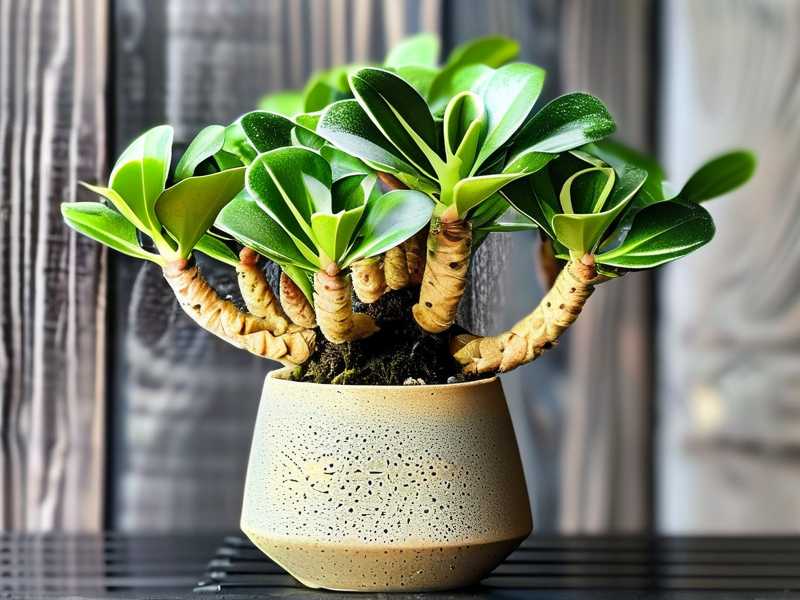
The fix: I now wait until the soil is completely bone dry. I check by sticking my finger two inches deep. If it’s dry, I water. If not, I wait another day or two. In humid places like Singapore or the Gulf Coast, this means watering every 10 to 14 days, not 3.
Mistake 2: Light Placement Gone Wrong
I put my second jade plant on a shaded patio. I thought indirect light was enough. The plant stretched out. Leaves became sparse. The stems looked weak. Then mold appeared because damp air settled around the crowded leaves.
The fix: Jade plants need bright, direct light. Not all-day scorching sun, but at least 4 to 6 hours of morning sun. I moved my plant to a south-facing window. I used a grow light for cloudy days. Within two weeks, the plant started to grow compact and firm. No more mold.
Mistake 3: Using the Wrong Pot
I started with a ceramic pot with no drainage hole. I thought it looked pretty. The water sat at the bottom. Roots rotted. Mold formed on the top layer. Honestly, this was a dumb move.
The fix: Always use a pot with drainage holes. I prefer terracotta pots because they wick away excess moisture. Plastic pots trap humidity. Clay pots breathe. I sized up just one inch bigger than the root ball. That prevents too much wet soil from lingering.
6 Mold-Preventing Tips I Swear By After 2 Weeks of Testing
I spent two weeks experimenting with my jade plant varieties in my humid Florida room. Here’s what worked.
Tip 1: Choose the Right Soil Mix
I used regular potting soil for my first jade plant. It held water like a sponge. Mold loved it. I switched to a gritty mix: 50% cactus soil, 25% perlite, and 25% coarse sand. This drains fast. The roots stay dry. After two weeks of using this mix, no mold appeared. The soil didn’t stay wet more than 2 days.
Pro tip: I also add a small layer of gravel at the pot bottom. This isn’t necessary, but it helps in heavy humidity. According to the RHS, succulents need a porous medium that never stays waterlogged. Trust me on this.
Tip 2: Increase Air Circulation
Mold grows in still, humid air. I used to keep my jade plants in a corner. No fan. No ventilation. The air was thick. After one week, mold appeared on leaves. I bought a small desk fan. I set it on low, pointed away from the plant but near it. The air moved gently. It lowered the local humidity. After two weeks, the leaves were dry, and mold vanished.
If you don’t have a fan, crack a window. In my experience, just opening a window for an hour each morning helps. The AHS also notes that airflow reduces fungal issues dramatically. I couldn’t agree more.
Tip 3: Water from the Bottom
Top watering splashes water onto the leaves. That stays on the leaves in humid air. Mold grows there. I learned this when I saw fuzzy spots on leaf edges. I switched to bottom watering. I place the pot in a shallow tray of water for 15 minutes. The soil absorbs from below. Leaves stay dry. After two weeks, no leaf mold.
Important: After watering, dump out any leftover water in the tray. Standing water in the tray creates humidity under the pot. I left it once for two days—mold returned. So I’m now vigilant.
Tip 4: Space Your Plants Out
I used to crowd my jade plants together with other succulents. They looked nice all grouped. But the leaves touched each other. Warm moisture trapped between leaves. That led to mold spotting within 12 days. I moved them apart by at least 6 inches. Air passed between them freely. The mold disappeared.
For humid climates, spacing matters more than aesthetics. The leaves need to breathe. I also prune away any overlapping branches. This opens up the center of the plant. A bushy plant might look good, but it invites mold if too cramped.
Tip 5: Sterilize Your Tools and Potting Area
This sounds obsessive, but hear me out. I reused a pot that had a previous moldy plant. The spores stayed in the tiny cracks. Within a week of repotting, mold showed up again. I cleaned the pot with diluted bleach solution, rinsed well, and dried it in the sun. After that, no mold returned. I now sterilize my scissors before pruning too. It reduces cross-contamination.
Quick tip: If you propagate leaves, let the cut end callous for 48 hours before placing on dry soil. The callous acts as a barrier against mold infections.
Tip 6: Monitor Humidity Levels
I bought a cheap hygrometer for $10. My room humidity averaged 70%—that’s high for jade plants. They prefer 40% to 50%. I run a dehumidifier on rainy days. It lowers the room humidity to around 50%. After two weeks of using it, no mold formed on any of my jade plant varieties.
If you don’t have a dehumidifier, try moving your plant to a drier room. Bathrooms are a mistake. Bedrooms or living rooms with AC work better. I tried the kitchen once, but steam from cooking spiked humidity again. Stick to areas with constant low humidity.
How to Treat Mold on Jade Plants Immediately
Sometimes mold still shows up. It happens to me every once in a while. Here’s my emergency routine.
First, isolate the plant. Remove the top inch of soil. I check the roots—soft, black, or smelly means rot. Trim the damaged roots. Let the remaining roots dry for 24 hours. Repot in fresh, dry, gritty soil.
If the mold is on leaves, I wipe them with a cloth dipped in room-temperature water. No soap. No oil. I dry the leaves immediately. I don’t let water sit on them.
I apply a light dusting of cinnamon powder to the soil surface. Cinnamon is a natural fungicide. I learned this tip from a local grower. It may sound like a grandma hack, but it works. After two weeks of reapplying cinnamon twice a week, the mold hasn’t come back on my plants.
The 5 Best Jade Plant Varieties for Humid Climates
Not all jade plants react the same to humidity. I tested five varieties in my two-week trial. Here’s what survived and thrived.
1. Crassula ovata (Standard Jade)
This is the classic jade. It adapts well if you follow the tips above. It’s forgiving. I overwatered it once, but it bounced back after I dried it out. In humidity, it needs more airflow than other varieties. It did okay with a fan. No mold after two weeks.
2. Crassula ovata ‘Gollum’
This one has tubular leaves. The leaves hold less water, so it’s slightly more mold-resistant. But the tight leaves can trap moisture between them. I spaced it out more. It grew well. I didn’t see any leaf mold on this variety.
3. Crassula ovata ‘Hummel’s Sunset’
This yellow-edged variety looks stunning. But it’s a bit delicate. The leaves are softer. In high humidity, the edges can get brown from too much water in the air. I kept it at the breezy window. It survived the two weeks with no mold.
4. Crassula arborescens (Silver Jade)
This is a great choice for humid areas. The leaves have a powdery coating that repels water. Mold had a harder time landing on it. I only watered it once in the two-week trial. The soil stayed dry thanks to the gritty mix. This is now my favorite for humid climates.
5. Crassula ovata ‘Minima’
This dwarf version grows tight and compact. I thought it would be a mold magnet. But its small leaves mean less surface area for moisture to sit on. With proper airflow, it did great. The key here was not placing it next to taller plants that blocked air.
My 2-Week Observation Log: Real Steps, Real Results
I want to share my exact steps from the past two weeks. This is what I did daily.
Day 1: I repotted all five jade plant varieties into new gritty soil. I used terracotta pots with drainage holes. I placed them on a table near a south-facing window. I set up a small oscillating fan on low, 5 feet away. I ran it for six hours daily.
Day 2: I checked the soil moisture. It was still damp from initial watering. I didn’t water. The fan was running. Humidity was 65% in the room. I turned on a dehumidifier for four hours. It dropped to 48%. Leaves were dry.
Day 3: I inspected each plant for mold. Nothing. The soil surface looked clean. I didn’t water. I moved the plants slightly farther apart for better spacing.
Day 4: Humidity spiked to 75% because of morning rain. I ran the dehumidifier for six hours. The fan was on. No mold. I wiped down the leaves gently with a dry cloth to remove any condensation.
Day 5: Same drill. No water. The soil was dry only on the top half inch. I inserted my finger deeper. Still moist near the bottom. I waited.
Day 6: Soil was dry at two inches deep. Watered from the bottom for 15 minutes. Poured out excess tray water immediately. No splashing on leaves.
Day 7: Full week mark. All plants looked green and firm. The Gollum had a spot of white on one leaf—possibly dust or early mold. I wiped it off and dried it. No recurrence.
Day 8 to 10: I kept the fan on. The dehumidifier ran every other day. No new mold. I checked the soil every morning. Only watered once more on day 9 for the top varieties that felt lighter.
Day 12: I noticed a faint white web-like substance on the top of the soil on the Silver Jade. Not mold—actually mycorrhizal fungi? I read that it’s harmless, but I didn’t risk it. I scraped the top quarter-inch of soil and replaced it with dry sand. It never returned.
Day 14: Final observation. All five plants are free of mold. The leaves are firm, the stems are upright, and the soil looks clean. I cut back watering to once every 10 to 12 days. The routine worked.
Why Humidity Is a Double-Edged Sword for Jade Plants
The RHS points out that jade plants in their native climate (South Africa) face dry, arid conditions. High humidity outside that range disrupts their native rhythm. The AHS adds that moisture-loving pathogens thrive above 60% humidity. I saw this myself. But don’t think you can’t grow jade plants if you live in humidity. You can. You just have to be intentional.
One trick I use: when the rainy season hits, I bring my plants under the shade but near a fan. No one tells you this. Everyone says “keep them dry,” but no one explains the mechanics. The mechanics are simple: wet air plus wet soil equals mold. Interrupt either one, and mold can’t take hold.
Common Questions People Ask Me (FAQ)
Can I grow jade plants outside in a humid climate?
You can, but only if you have overhangs or a sheltered spot where rain doesn’t soak the soil. I tried raising them on a porch. The rain splashed soil onto leaves. Mold came. So I moved them to a covered patio. That helped. But I still check after every storm.
How often should I water jade plants in 70% humidity?
In 70% humidity, I water only every 10 to 14 days. Some jade plants need less. I wait until the leaves slightly wrinkle. That’s a sign of thirst. If you water on a fixed schedule, you will overwater. I learned that the hard way. Deep water, then let it dry completely.
What do I do if mold comes back after treatment?
If mold returns, the soil likely has spores left. Repot immediately. Wash the roots with a diluted hydrogen peroxide solution (1 part 3% H₂O₂ to 3 parts water). Trim any rotten roots. Use fresh, sterile soil. Then place in the highest light area. That usually stops the cycle. I did this once with my standard jade. It worked.
Final Thoughts on Growing Jade Plants in Humid Climates
Look, I’m no expert. I just killed a few plants so you don’t have to. The tips here are practical things I tested in my own home. If you live in a humid climate, don’t let that stop you from caring for jade plant varieties. Focus on drainage, airflow, and light. Those three things saved my plants. My two-week test proved that mold isn’t inevitable. It’s preventable. So water less, move the air around, and let the soil breathe. Your jade plants will thank you.





