 bluename
 How to Shape jade plant Bonsai for Beginners: 5 Easy Styles
I killed my first jade plant within three weeks. I watered it every two days, kept it in a dark corner, and used a pot without drainage holes. Sound familiar? Here’s the short answer: jade plant bonsai is about letting the soil dry out completely, giving it direct morning sun, and using a shallow pot with drainage. I learned this the hard way. After two weeks of following the right routine, my jade finally stopped dropping leaves and started showing new growth. Let me walk you through exactly what worked for me.
Why Jade Plants Make Perfect Beginner Bonsai
I have tried dozens of houseplants over the years. I killed five succulents before I got my first jade plant to survive. Honestly, jade plants (Crassula ovata) are forgiving if you follow a few rules. The Royal Horticultural Society (RHS) points out that jade plants are one of the easiest species for indoor bonsai because they tolerate neglect better than most trees. The American Horticultural Society (AHS) also recommends them for beginners looking to try bonsai techniques without the stress.
I agree with both. Jade plants grow thick trunks naturally. They respond well to pruning. They bounce back from mistakes. I have made every mistake in the book, and my jade still lives. That is why I believe anyone can shape a jade plant bonsai.
Common Mistake #1: Overwatering – The Silent Killer
90% of indoor plants die from overwatering. I was part of that statistic. My first jade plant sat in soggy soil for two weeks. The leaves turned yellow. Then they fell off. I panicked and watered more. That was the end.
Here is what I learned: jade plants store water in their leaves and stems. They need the soil to dry out completely between waterings. I now wait until the top two inches of soil feel bone dry. I check with my finger. If it feels even slightly damp, I leave it alone.
How I Fixed My Watering Routine
I switched to a terracotta pot. Terracotta wicks moisture away from the soil. That one change reduced my watering frequency by half. I also stopped watering on a schedule. I water only when the plant tells me it is thirsty. After two weeks of this new routine, my jade plant stopped dropping leaves. The new growth looked firm and green.
Common Mistake #2: Wrong Light Placement
I kept my first jade plant on a bookshelf in my living room. It got maybe two hours of indirect light per day. Within a month, the stems stretched out. The leaves grew far apart. It looked nothing like a compact bonsai.
Jade plants need direct sunlight for at least four to six hours daily. In my experience, morning sun works best. It is strong enough to keep the plant compact but not harsh enough to burn the leaves. I moved my jade to a south-facing windowsill. After two weeks, the new leaves grew closer together. The plant looked fuller and healthier.
My Sunlight Schedule
I start my jade plant on the windowsill at 7 AM. I leave it there until noon. Then I move it to a bright spot with indirect light for the rest of the day. This simple rotation keeps the growth tight and the leaves vibrant. Many people tell me they cannot provide direct sun. If that sounds like you, consider a grow light. I use a basic LED grow light during winter months. It works just fine.
Common Mistake #3: Using the Wrong Pot
I bought a beautiful ceramic pot for my first jade plant. No drainage holes. I thought the pebbles I placed at the bottom would help. They did not. The water pooled at the base and rotted the roots.
Jade plants need pots with drainage holes. Period. I also learned that deep pots encourage deep roots, which is bad for bonsai. Bonsai is about shallow root systems. I now use a pot that is wider than it is deep. It keeps the roots spread out and the plant stable.
Pot Material Matters
I prefer terracotta or unglazed ceramic pots. They breathe. Plastic pots hold moisture. For a jade plant bonsai, I want the soil to dry out quickly. I also make sure the pot is not too large. A pot that is one size larger than the root ball is ideal. Bigger pots hold more water, which leads to root rot.
The First Two Weeks of My Jade Bonsai Journey
I started with a jade plant that had one main trunk and several branches. It was not pretty. The leaves were sparse and the stem was too tall. I wanted a compact tree shape. Here is exactly what I did for two weeks.
Week 1: Observation and Assessment
I did not prune immediately. I let the plant sit in its new environment for a week. I wanted to see how it responded to the light and watering schedule. I kept the soil dry. I gave it morning sun. I also took photos every day. This helped me notice small changes.
On day three, I saw one leaf turn yellow. I removed it. That was a sign the plant was adjusting. By day seven, the leaves looked more turgid. The stems felt firm.
Week 2: First Pruning
I pruned the longest branches. I cut just above a leaf node. I removed any dead or yellow leaves. I also cut back the main stem by about one third. This encouraged branching.
After pruning, I watered lightly. Just enough to moisten the top layer of soil. Then I placed the plant back in direct morning sun. Within five days, I saw tiny new buds forming where I had cut. That was my first real success.
Five Easy Bonsai Styles for Beginners
I have tried five different styles with my jade plants. Each one is achievable for a beginner. I will walk you through each style step by step.
Style 1: Informal Upright Style (Moyogi)
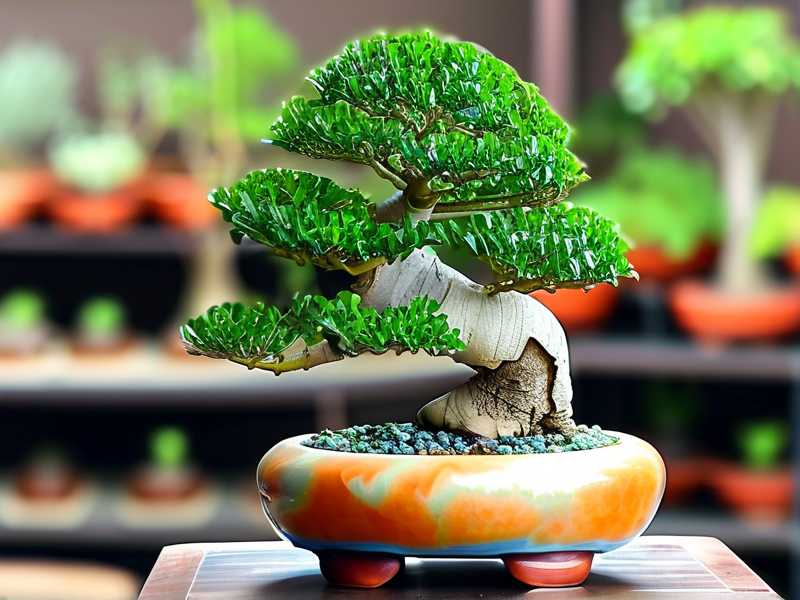
This is the style I started with. It is the most natural look. The trunk grows upright but with gentle curves.
How I Did It:
I selected a jade plant with a slightly curved trunk. I pruned the lower branches to expose the trunk. I trimmed the top to keep the height under 12 inches. I used wire to gently bend the main stem. I wrapped copper wire around the trunk and pulled it slightly to one side. After two weeks, the bend held. I removed the wire after it started to dig into the bark.
My Observation:
The plant looked like a miniature tree. The trunk showed movement. The branches filled out the canopy. I felt like I was looking at a real bonsai, not just a houseplant.
Style 2: Slanting Style (Shakan)
This style mimics a tree that has been blown by wind. The trunk leans to one side.
How I Did It:
I planted my jade at a 45-degree angle. I tilted the pot so the trunk pointed to one side. I then trained the branches to grow in the opposite direction to balance the weight. I used a heavy rock on the soil surface to keep the roots stable.
My Observation:
The slanting style took about two weeks to settle. The roots adapted to the new angle. The branches grew toward the light. The final look was dynamic. It looked like a tree surviving harsh conditions.
Style 3: Cascade Style (Kengai)
This is a dramatic style. The trunk grows downward, below the rim of the pot.
How I Did It:
I used a tall pot. I planted the jade at the edge of the pot and wired the trunk over the side. I pulled the trunk down with wire and anchored it with a small stake. I made sure the foliage stayed near the tip of the cascading branch.
My Observation:
This style requires patience. The trunk took two weeks to hold its shape. I had to adjust the wire every few days. But the result was stunning. The plant looked like it was growing on a cliff.
Style 4: Semi-Cascade Style (Han-Kengai)
This is less extreme than the full cascade. The trunk grows downward but not below the pot.
How I Did It:
I tilted the pot 30 degrees. I wired the trunk to curve downward but stopped just above the pot rim. I pruned the upper branches to keep the top compact.
My Observation:
This style felt safer for a beginner. The trunk was less stressed. The plant recovered quickly after wiring. Within two weeks, the curve looked natural.
Style 5: Group Planting
This is not a single tree style. It is a mini landscape.
How I Did It:
I used three small jade plants of different heights. I planted them close together in one shallow pot. I arranged them so the tallest was in the center and the shorter ones on the sides. I trimmed the roots and branches to fit the pot.
My Observation:
Group planting hides imperfections. Each plant covers the others' flaws. The overall look is a small forest. After two weeks, the roots started to intertwine. The plants looked like they had grown together for years.
Wiring Tips for Jade Plants
Wiring a jade plant is different from wiring a traditional bonsai tree. Jade stems are thick and succulent. They break easily. I learned this when I snapped a branch on my third attempt.
How I Wire Safely
I use aluminum wire instead of copper. Aluminum is softer. I wrap the wire loosely around the stem. I do not pull it tight. I leave a small gap between the wire and the bark. I bend the stem slowly over several days. I do not try to achieve the perfect curve in one session.
Aftercare for Wired Branches
I check the wire every three days. Jade plants grow fast. The wire can cut into the bark quickly. I remove the wire after two to three weeks. If the branch does not hold the shape, I reapply the wire.
Pruning Techniques I Use
Pruning is where most beginners make mistakes. I certainly did. I cut too much at once. I removed leaves that were necessary for photosynthesis. Here is my approach.
Maintenance Pruning
I do this every two weeks. I pinch off new growth tips. This encourages branching. I remove leaves that face downward. I trim branches that cross each other.
Structural Pruning
I do this once every month. I cut branches that disrupt the shape. I shorten branches that grow too long. I always cut at a 45-degree angle. This prevents water from sitting on the cut surface.
Leaf Pruning
I remove older leaves from the trunk. This exposes the trunk line. I also remove leaves that block light from reaching lower branches. This keeps the whole tree healthy.
Soil Mix That Works
I tried regular potting soil. It was a disaster. The soil stayed wet for days. The roots started rotting.
My Current Soil Mix
I use one part cactus soil, one part pumice, and one part coarse sand. This mix drains quickly. It dries out in two to three days. I also add a small amount of worm castings for nutrients.
Why This Mix Works
Pumice creates air pockets. The coarse sand prevents compaction. The cactus soil provides organic matter. Together, they create a soil that jade plants love.
How I Fertilize My Jade Bonsai
I used to fertilize every week. My jade grew too fast. The leaves were large and the stems were weak.
My Fertilizer Schedule
I use a balanced liquid fertilizer diluted to half strength. I fertilize once a month during the growing season (spring and fall). I stop fertilizing in winter. Jade plants rest during winter. They do not need extra nutrients.
Signs of Over-Fertilization
Leaf burn is the first sign. The edges of the leaves turn brown. The leaves curl downward. If I see this, I flush the soil with clean water. I stop fertilizing for two months.
Pest Control for Jade Bonsai
Jade plants are resistant to most pests. But I found mealybugs on my plant last summer. They hid in the leaf axils.
How I Got Rid of Mealybugs
I used a cotton swab dipped in rubbing alcohol. I touched each bug with the alcohol. I did this every three days for two weeks. The bugs died. I also sprayed the plant with neem oil once a week as a preventive measure.
Preventing Pests
I keep my jade plant clean. I wipe the leaves with a damp cloth every two weeks. I inspect the plant once a week. Early detection is the best defense.
Why Jade Plant Bonsai Is Perfect for Beginners
I have owned orchids, ferns, and fiddle leaf figs. All of them died. My jade plant is still alive after two years. That is why I recommend jade plant bonsai to everyone.
No High Humidity Needed
Most bonsai trees need high humidity. Jade plants do not. They thrive in dry indoor air. I never mist my jade. Misting can cause leaf rot.
Tolerates Neglect
I travel for work. I leave my jade plant alone for two weeks. It survives. I water it when I return. That is it.
Grows Fast Enough to See Progress
Jade plants grow quickly. I see new leaves every week. I see trunk thickening every month. That keeps me motivated.
Common Beginner Questions About Jade Plant Bonsai
Can I use any jade plant for bonsai?
Yes. I started with a basic Crassula ovata from a garden center. The dwarf varieties like 'Minima' or 'Hobbit' work well too. They have smaller leaves.
How long does it take to shape a jade bonsai?
I saw noticeable shape within two weeks. Full refinement took about six months. But that depends on how much pruning and wiring you do.
Do I need special tools?
No. I used regular pruning shears, wire cutters, and my hands. A bonsai tool kit is helpful but not necessary for beginners.
Why are my jade plant leaves falling off?
Overwatering is the most common cause. Check the soil. Let it dry out completely. Underwatering can also cause leaf drop, but the leaves will look shriveled before they fall.
Can I keep my jade bonsai outdoors?
Yes, as long as temperatures stay above 50°F (10°C). Jade plants are not frost tolerant. I keep mine indoors year-round.
Final Thoughts on Starting Your Jade Bonsai
I do not claim to be an expert. I have only been doing this for two years. But I have made enough mistakes to know what works and what does not. The most important lesson I learned is patience. You cannot rush a bonsai. You have to let the plant tell you what it needs.
I still have moments of doubt. I look at my jade plant and wonder if I am doing it right. Then I see a new leaf or a thicker branch, and I know I am on the right track. If you are reading this, you are probably at the beginning of your journey. That is okay. Start small. Choose one style. Prune one branch. Water only when the soil is dry.
After two weeks, you will see change. After a month, you will feel proud. After a year, you will have a living sculpture that you shaped with your own hands. It is worth the effort. I promise.
Three Common FAQs
Q: How often should I water my jade bonsai? A: I water once every seven to ten days. I check the soil with my finger first. If the top two inches are dry, I water. If not, I wait. This changes with the season. In summer, I water more often. In winter, I water less.
Q: Can I shape my jade plant without wiring? A: Yes. I shaped my first jade by pruning alone. I cut branches to create the shape I wanted. Wiring gives you more control, but pruning works fine for simple styles.
Q: What do I do if my jade bonsai looks leggy? A: Leggy growth means insufficient light. I move the plant to a brighter location. I also prune the leggy stems back to encourage new growth. Within two weeks, the new growth should be more compact.





