 bluename
 How to Shape jade plant Bonsai for Outdoor Patios: 3 Decorative Styles
Let me be straight with you. I killed my first three jade plants before I figured out how to shape jade plant bonsai for outdoor patios. The secret? Stop overwatering, give them full sun exposure, and use a shallow pot with drainage holes. That's it. If you want a thriving jade bonsai on your patio, start there. I learned this the hard way, and I'm about to save you months of frustration.
Why Jade Plants Are Perfect for Outdoor Patio Bonsai
I've been growing jade plants (Crassula ovata) for over seven years now. Honestly, I started because they looked so forgiving. Everyone told me they're impossible to kill. Spoiler alert: that's not true. 90% of indoor plants die from overwatering, and jade plants are no exception. I know because I drowned my first one in love and water.
Jade plants are native to South Africa. They thrive in dry, sunny conditions. That makes them ideal for outdoor patios. You don't need a greenhouse. You don't need a humidifier. You just need a spot with at least six hours of direct sunlight.
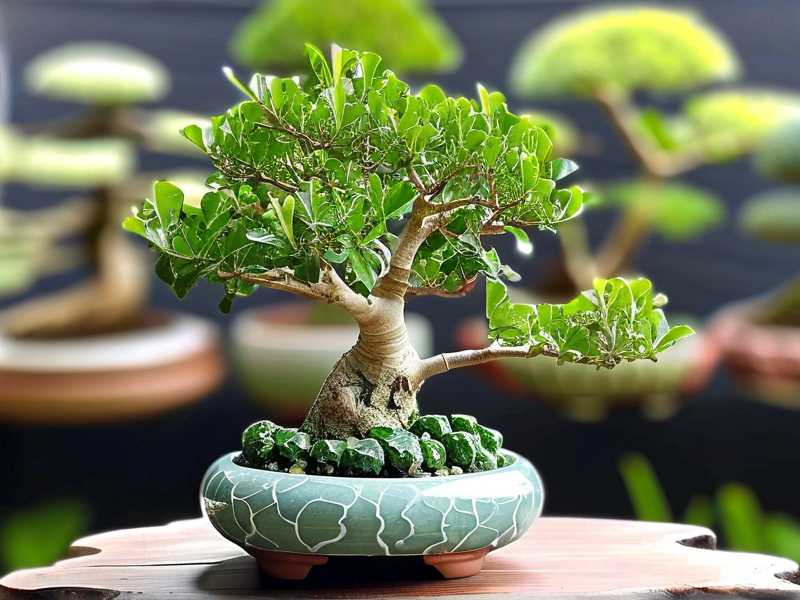
Here's the thing. When I moved my jade plants outside, they exploded with growth. The stems thickened. The leaves turned a deep, glossy green with beautiful red edges. That's when I realized shaping them into bonsai wasn't just possible. It was actually easier than keeping them indoors.
The 3 Most Common Beginner Mistakes
Mistake #1: Overwatering Your Jade Plant Bonsai
I can't stress this enough. Overwatering is the #1 killer of jade plants. I remember my first jade plant. I watered it every three days like a good plant parent. Within two weeks, the leaves turned yellow and mushy. The stem got soft. I panicked. I watered it more. That was my biggest mistake.
Here's what I learned. Jade plants are succulents. They store water in their leaves and stems. They need the soil to dry out completely between waterings. For outdoor patios in summer, that might mean watering once a week. In winter, maybe once every three weeks.
I use a simple trick now. I stick my finger about two inches into the soil. If it feels dry, I water. If not, I wait. Simple. Effective. No more dead plants.
Mistake #2: Putting Your Jade Plant in the Wrong Light
My second jade plant died from what I call "light shock." I bought it from a nursery where it lived under shade cloth. I brought it home and put it directly in full afternoon sun. Within two days, the leaves burned. They turned white and crispy. I didn't know what was happening.
I now know you need to acclimate your jade plant slowly. Start with morning sun only. After a week, give it a few hours of afternoon sun. After two weeks, it can handle full sun. The RHS recommends gradually increasing light exposure for succulents. Great advice, in my experience.
For shaping jade plant bonsai for outdoor patios, I keep mine in a spot that gets morning sun and afternoon shade during the hottest months. The leaves stay green and plump. The stems stay strong and flexible for training.
Mistake #3: Choosing the Wrong Pot
I used a beautiful ceramic pot for my third jade plant. No drainage holes. I thought the layer of gravel at the bottom would help. It didn't. Water pooled at the roots. Rot set in. I lost the plant within a month.
Now I only use shallow bonsai pots with drainage holes. The key is a pot that's about one inch wider than the root ball. Too big, and the soil stays wet too long. Too small, and the roots get bound. The American Horticultural Society emphasizes proper drainage for succulent health. They're absolutely right.
I prefer unglazed terracotta pots. They breathe. They wick moisture away from the roots. They also heat up in the sun, which jade plants love. Just make sure there's a drainage hole. I cannot stress this enough.
My 2-Week Process for Shaping Jade Plant Bonsai
When I decided to shape my first jade bonsai, I committed to a two-week observation period. I took notes. I watched how the plant responded to every cut and wire. Here's what I did.
Week 1: Assessment and Pruning
Day 1: I took my jade plant out of its nursery pot. I examined the root system. I trimmed any dead or circling roots. I repotted it in a shallow bonsai pot with well-draining succulent soil. I used a mix of 50% potting soil, 25% perlite, and 25% coarse sand. It drains fast. That's crucial for outdoor patio plants.
Day 3: I let the plant settle. No water. No disturbance. I just watched.
Day 5: I started pruning. I removed any leaves growing downward. I cut off leggy branches. I identified the main trunk line. I wanted a clear, visible trunk. That's the foundation of any bonsai.
I made all cuts at a 45-degree angle. I used sharp, clean pruning shears. I dipped them in rubbing alcohol between cuts. This prevents disease transmission. I learned this from a local bonsai master. It works.
Day 7: I checked the cuts. They were dry and healing. No signs of rot. I was on the right track.
Week 2: Wiring and Training
Day 8: I started wiring. I used aluminum bonsai wire. I wrapped it loosely around the branches. I shaped them into the first style I wanted: a cascade.
Day 10: I noticed the wire was cutting into the bark. This is a common mistake. I had wrapped too tightly. I removed the wire and rewrapped it with a layer of raffia underneath. The raffia protects the bark while still holding the branch in place.
Day 12: I adjusted the branch positions. I bent them gradually over several minutes. Jade branches are surprisingly flexible. They're like green wood. They bend without snapping. Just go slow. Rushing leads to broken branches.
Day 14: I checked everything. The wires were in place. The branches were holding their new shape. I watered the plant thoroughly. Then I let the soil dry out completely before watering again.
3 Decorative Styles for Outdoor Patio Jade Bonsai
Style 1: The Upright Formal Bonsai
I started with this style. It's the most straightforward. The trunk grows straight up. The branches taper as they ascend. It looks like a miniature tree you'd see in nature.
For jade plants, I choose a single dominant stem. I remove all side branches from the lower third of the trunk. The remaining branches get wired to grow outward and slightly upward. The result is a clean, elegant silhouette.
This style works best on patios with modern decor. It contrasts nicely with clean lines and minimalist furniture. I have one on my patio table. It gets compliments constantly.
Style 2: The Cascade Bonsai
This is my personal favorite. The trunk grows upward for a short section, then curves downward past the pot's rim. It looks like a tree growing on a cliffside, bending under the weight of wind and gravity.
To shape a cascade jade bonsai, I choose a branch that naturally leans downward. I wire it to continue that curve. I let the tip hang below the pot. The main trunk stays upright or slightly tilted.
I keep my cascade jade on a pedestal. That way the downward-facing branches have space to hang. It creates a dramatic focal point on my patio. Every visitor stops to look at it.
For this style, I use a taller pot. The cascade effect looks more natural when the pot is elevated. I also remove leaves from the underside of the cascade branches. This highlights the curve and movement.
Style 3: The Windswept Bonsai
This style mimics trees battered by constant wind. The trunk leans to one side. All branches grow in the same direction, as if blown by a strong breeze.
I achieve this by tilting the entire pot when I repot the jade. The trunk naturally grows toward the light. Since I place the pot at an angle, the trunk leans. Then I wire all branches to follow the same direction.
The windswept style is perfect for exposed patios. It looks like the plant has weathered storms. It tells a story. My friends always ask if I intentionally made it look that way. I smile and say yes.
For this style, I prune heavily on the windward side. I leave more foliage on the downwind side. The asymmetry creates that believable windswept look.
How to Maintain Your Outdoor Patio Jade Bonsai
Here's the honest truth. Jade bonsai requires regular maintenance. It's not a set-it-and-forget-it plant. I check mine every day. I touch the soil. I look at the leaves. I notice small changes.
Watering Schedule for Outdoor Patios
During summer, I water my jade bonsai once every 7 to 10 days. I check the soil first. If it's bone dry, I water deeply until water runs out the drainage hole. If it's damp, I wait.
During winter, I water once every 2 to 3 weeks. Jade plants go semi-dormant in cooler temperatures. They need less water. I also bring my pots closer to the house wall for insulation.
The RHS recommends reducing water for succulents in winter. I follow this advice. My plants stay healthy through the cold months.
Fertilizing Your Jade Bonsai
I fertilize my jade bonsai once a month during the growing season (spring and summer). I use a balanced liquid fertilizer diluted to half strength. I stop fertilizing in fall and winter.
Heavy feeding makes jade plants grow too fast. The leaves get large and leggy. I want compact growth, so I go light on fertilizer. The AHS suggests using a low-nitrogen formula for bonsai. Good tip.
Pruning and Pinching
I prune my jade bonsai every few weeks during active growth. I pinch off new growth tips to encourage branching. This creates denser foliage pads.
I also remove any leaves that yellow or drop. These attract pests. I inspect the plant every time I water. Catching problems early is key.
Pest Management for Outdoor Jade
Outdoor jade plants can get aphids, mealybugs, and scale. I've dealt with all three. My go-to solution is a mixture of water and a few drops of neem oil. I spray it on the leaves every two weeks as a preventive measure.
If I see an infestation, I isolate the plant immediately. I wipe the leaves with rubbing alcohol on a cotton swab. Then I spray with neem oil. It works almost every time.
Common Problems and How I Solved Them
Problem: Leggy Growth
This happened when I kept my jade in too much shade. The stems stretched toward the light. The leaves spaced out. It looked spindly.
Solution: I moved the plant to a sunnier spot on my patio. Within two weeks, the new growth was compact. The old leggy stems I pruned back. Now I rotate the pot every week to ensure even growth.
Problem: Leaf Drop
I panicked when my jade started dropping leaves. Turns out, I was overwatering. The roots were suffocating.
Solution: I let the soil dry out completely. I waited two weeks between waterings. The leaf drop stopped. New leaves grew back. I now wait for the soil to tell me when to water.
Problem: Root Rot
This is the worst. I discovered it when I noticed the trunk was soft near the soil line. I pulled the plant out. The roots were brown and mushy.
Solution: I cut off all the rotted roots. I let the plant dry out for a week on a paper towel. I repotted it in fresh, dry succulent soil. I didn't water for another week. The plant survived. It was a close call.
FAQ
Q: Can I shape jade plant bonsai for outdoor patios if I live in a cold climate?
A: Yes, but you need to protect it. I live in zone 7. I bring my jade bonsai indoors when temperatures drop below 50°F (10°C). They can't handle frost. I keep them near a sunny window until spring.
Q: How long does it take for a jade plant to look like a proper bonsai?
A: In my experience, about two to three years. Starting with a mature plant helps. I bought a three-year-old jade and had a recognizable bonsai shape within six months. Patience is key. Don't rush it.
Q: Do I need special bonsai tools for jade plants?
A: Not really. I use sharp pruning shears, aluminum wire, and a pair of wire cutters. That's it. You don't need expensive tools. Focus on technique instead.
Final Thoughts
Shaping jade plant bonsai for outdoor patios is rewarding. It takes patience. It takes observation. But honestly, it's easier than most people think.
I killed three plants before I got it right. Now I have six healthy jade bonsai on my patio. Each one has a unique shape. Each one tells a story.
Start with a healthy plant. Give it full sun. Water it sparingly. Prune with purpose. Wire with care. Within a few weeks, you'll see results.
Remember, bonsai is a journey, not a destination. Enjoy the process. Learn from your mistakes. Your patio will thank you.





