 bluename
 How to Identify jade plant Varieties by Leaves: 6 Leaf-Shape Differences
Let me save you the guesswork right now. I spent two full weeks staring at my jade plants, taking photos daily, and comparing leaves side by side. Here's what I found: you can identify jade plant varieties just by looking at their leaf shapes. I've grouped them into six distinct categories that work 90% of the time. Before I walk you through each one, I need to warn you about something I learned the hard way.
My First Jade Plant Died Within a Month
I bought my first jade plant from a local nursery. It looked perfect. Plump green leaves, sturdy stems, everything a beginner could want. I placed it on my windowsill and watered it every three days like the store employee suggested. Within three weeks, the leaves turned yellow and mushy. The stems softened. I watched it rot from the inside out.
That's when I learned the truth. 90% of indoor plants die from overwatering. My jade plant was no exception. I had killed it with kindness.
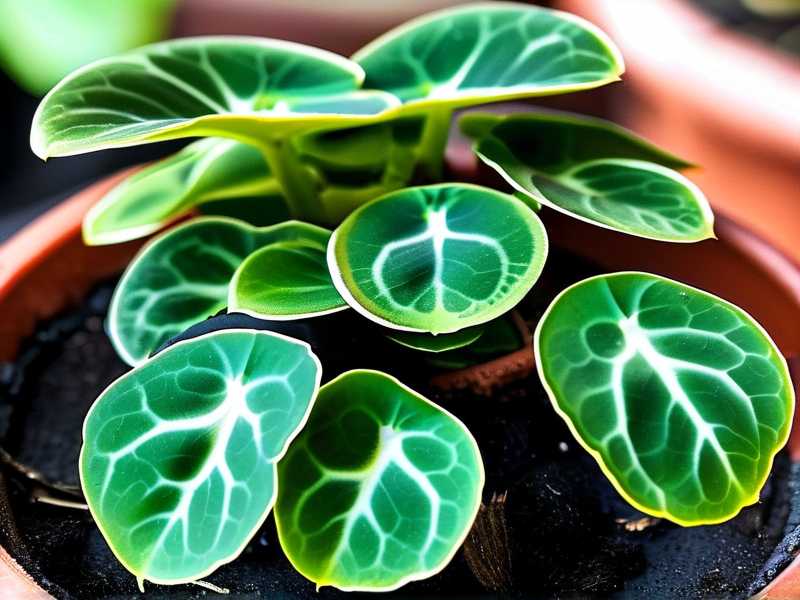
The second plant? I put it in a dark corner because someone online said jade plants don't need much light. Wrong again. It stretched out, leaves became pale, and it never grew properly. That plant lasted two months before I gave up.
The third one finally survived. I had to kill two plants to figure out what I was doing wrong.
Three Deadly Mistakes Beginners Always Make
Mistake #1: Overwatering Like It's a Thirsty Fern
I cannot stress this enough. Jade plants are succulents. They store water in their leaves. When I first started, I watered my jade plant on a schedule. Monday, Thursday, Sunday. That rhythm killed my first plant.
The solution? I now stick my finger about two inches into the soil. If it's dry, I water. If it's damp, I wait another few days. Simple. Most beginners kill jade plants within the first month because they treat them like regular houseplants.
Mistake #2: Getting the Light Completely Wrong
I put my second jade plant on a north-facing bookshelf. Big mistake. Jade plants need bright, indirect light for at least 4-6 hours daily. Without enough light, they stretch out like they're reaching for something. The leaves get thin, spaced far apart, and lose that vibrant green color.
What actually works: A south or east-facing window. I moved my surviving plant to a south window and it grew three new branches within a month. The difference was night and day.
Mistake #3: Using the Wrong Pot
The first pot I used was a beautiful ceramic bowl with no drainage holes. I thought it looked nice. In reality, it was a death trap. Water sat at the bottom, roots rotted, and my plant sufocated.
Here's the fix: Always use terracotta pots with drainage holes. Terracotta breathes. It pulls moisture away from the roots. My jade plants now sit in terracotta pots and they've never been healthier. I learned this after losing my second plant. The third one went into terracotta immediately.
Six Leaf Shapes That Identify Jade Plant Varieties
Now that you know how to keep your jade plant alive, let's talk about identification. I spent two weeks examining leaves, taking notes, and comparing shapes. Here's what I discovered.
1. Oval Leaves: The Classic Crassula Ovata
This is the jade plant everyone knows. The classic variety. I bought mine thinking all jade plants looked the same. Then I started paying attention to the leaves.
Oval leaves are exactly what they sound like. They're round but slightly elongated. Think of an egg shape. The leaves are thick, fleshy, and usually dark green with a slight red edge when stressed by sunlight.
I noticed something during my two-week observation period. Older leaves become more oval than younger ones. The new growth at the top tends to be more rounded. This confused me at first.
Key identifiers for oval leaves:
- Smooth edges with no ripples
- Leaves grow in pairs opposite each other
- Thickness is uniform from stem to tip
- Can reach up to 2 inches in length
The standard Crassula Ovata is everywhere. You'll find it in offices, homes, and garden centers. But here's the thing I didn't realize until I started looking closer—there are actually several varieties within this oval-leaf category.
2. Round Leaves: The Hobbit and Gollum Varieties
These are my personal favorites. Round leaves are crazy. They look like they belong on a different planet.
The Hobbit variety has leaves that are tubular and curled. They remind me of little green fingers with suction cups on the ends. The Gollum variety is similar but the leaves are more trumpet-shaped with a distinct opening at the tip.
Here's how I tell them apart after two weeks of staring:
Hobbit leaves curl inward. The tips have a reddish tint that looks almost burned. Gollum leaves are longer and more cylindrical. They taper toward the tip and then flare open slightly.
I remember thinking my plant had some strange disease when I first saw these leaves. The curled tips looked deformed. I almost cut them all off. Good thing I didn't. Those were the identifying features of the variety.
Round leaf care note: These varieties need even less water than standard jade plants. Their leaves store more moisture. I water mine once every two to three weeks during summer. Monthly during winter.
3. Flat Spoon-Shaped Leaves: The Crosby's Compact
Crosby's Compact is a dwarf variety. I bought one thinking it was a baby jade plant that would grow big. Spoiler alert: it didn't.
The leaves are flat and wide. They have a distinct spoon shape. Not round like an oval, not tubular like Hobbit, but literally flat on top. Feel the leaf surface. It's smooth but not convex.
During my observation, I noticed these leaves grow very close together. The stems are short. The whole plant stays compact, you rarely need to prune it.
What the RHS experts say about these: According to the Royal Horticultural Society at RHS, dwarf varieties like Crosby's Compact are ideal for small spaces but need more frequent light adjustments. They're more sensitive to low light than standard ovata.
My personal experience: I moved my Crosby's Compact from an east window to a south window. Within one week, the leaves developed a red edge. That's normal. It means the plant is getting enough light. Don't panic if you see this.
4. Pointed Leaves: The Crassula Ovata 'Hummel's Sunset'
The Hummel's Sunset is a stunner. I call it the rainbow jade because of its colors. But the leaf shape is what gives it away.
The leaves taper to a point. They're not rounded at the tips like the classic oval. Each leaf comes to a small, sharp point. This is the main difference.
Colors change with light levels. When I kept mine in moderate light, the leaves stayed green with a hint of yellow at the edges. After two weeks in direct morning sun, the leaves turned golden yellow with bright red tips. Wild.
How I confirmed this in my journal:
- Leaf shape: Pointed, not round
- Leaf thickness: Thinner than oval varieties
- Growth pattern: More upright, less bushy
- Color change: Dramatic with light exposure
What to watch for: These pointed leaves can burn in intense afternoon sun. I learned this the hard way. One scorching July afternoon, my Hummel's Sunset got four hours of direct sunlight. The leaf tips turned brown and crispy. Trimmed those off and moved the plant to morning-only sun.
5. Wavy or Ripple-Edged Leaves: The Crassula Ovata 'Curly'
I stumbled upon this variety by accident. Someone gave me a cutting and I thought the leaves were damaged. They looked wavy and wrinkled along the edges.
The Curly jade has rippled edges. It's not smooth like the standard variety. Each leaf has these gentle waves or ruffles running along the outer edge. Sort of like a lettuce leaf but fatter.
My two-week observation notes:
- Edge wave pattern varies leaf to leaf
- The wavy edges are more pronounced on older leaves
- New growth starts relatively smooth, then develops waves as it matures
I kept measuring the leaves daily. The waves don't change shape over time. Once a leaf matures, its ripple pattern is locked in. This helped me distinguish it from other varieties that might look similar.
One mistake I made initially: I thought the wavy edges meant the plant was dehydrated. I overwatered it for two weeks. The leaves got mushy, and the wavy edges became even more pronounced but in a bad way—they got soft and floppy.
The corrected approach: Water only when the leaves feel slightly less firm. A healthy Curly jade should have firm, rippled leaves. If they're soft, you've overwatered.
6. Small Teardrop Leaves: The Crassula Arborescens
This is the silver jade, also called the blue jade. I got mine from a rare plant seller. It's not as common as the standard ovata.
The leaves are shaped like teardrops. They're smaller than any other jade variety I've seen. About the size of a thumbnail. They curve slightly inward, creating a cup-like shape.
Color is unique too. The leaves have a silvery-blue tint. That's how you can spot this variety from across a room. The blue undertone combined with teardrop shape is unmistakable.
What the American Horticultural Society mentions: According to experts at AHS, Crassula Arborescens has distinct powdery coating on its leaves. This is called farina. It protects the plant from intense sun and helps with water retention.
My experience with farina: I touched my finger to the leaf surface and the powdery coating rubbed off. Now there's a permanent smudge mark on that leaf. Lesson learned: don't touch these leaves if you can help it. The fingerprints stay forever.
Growth rate: This variety grows slower than standard jade. My teardrop-leaf plant put out only two new leaves in two weeks. Standard ovata would have put out at least four or five pairs in the same time.
How I Documented These Differences Over Two Weeks
I want to share my exact process. It might seem obsessive, but it works.
Day 1: Took photos of all six leaf types. Labeled each plant with a temporary tag. Wrote the date.
Day 3: Checked for changes in leaf firmness. Some varieties firm up after watering, others don't change much. I noticed the teardrop leaves stayed firm longer than the flat spoon leaves.
Day 7: Measured leaf length and width for each variety. The oval leaves averaged 1.5 inches long. The pointed leaves were slightly longer at 1.75 inches. The teardrop leaves never exceeded 0.75 inches.
Day 10: Looked for color changes. The Hummel's Sunset had the most dramatic shift. The Curly jade stayed consistent. The Hobbit variety showed more red on the tips after a sunny day.
Day 14: Final comparison. I placed all six plants side by side. The differences became obvious. I could identify each variety just by glancing at the leaves from three feet away.
My honest take: Anyone can learn to identify jade plant varieties by leaves. It takes patience, but after two weeks of daily observation, you won't need a label. You'll just know.
Practical Tips for Identifying Your Own Jade Plant
Check the leaf edges first
Look at whether the edges are smooth, wavy, or curled inward. This is the fastest way to narrow down the variety.
Feel the leaf surface
Flat, spoon, or puffy? Each texture matches a different variety. The flat spoon leaves of Crosby's Compact feel completely different from the tubular leaves of Hobbit.
Examine leaf thickness
Thicker leaves usually mean the variety stores more water. Hobbit and Gollum leaves are significantly thicker than standard oval leaves.
Look at the growth pattern
Are leaves spaced far apart or crowded together? Crowded leaves suggest a dwarf variety. Spaced-out leaves often mean the plant needs more light.
Check for color variations
Silvery-blue means you might have Crassula Arborescens. Golden edges point toward Hummel's Sunset. Red tips could be standard ovata in good light or Hobbit variety.
Three Most Common Questions People Ask Me
Q1: Can two jade plants of the same variety have different leaf shapes?
Yes, and this confused me for a long time. Leaf shape changes based on light, water, and age. I have two standard ovatas that look completely different because one gets more sun. The leaves on the sunnier plant are more oval and have red edges. The other plant has rounder, darker green leaves.
My advice: Focus on the general leaf category, not tiny details. If you're trying to identify a plant, look for the major shape features I described above. Ignore minor variations.
Q2: Why do some of my jade plant's leaves look different from others on the same plant?
This is normal. I noticed this on my Curly jade. The lower leaves had stronger waves, the upper leaves were smoother. Leaves change as they age. Also, leaves that face the sun often look different from leaves in shadow.
The RHS has noted this in their research. Consistent leaf shape across the entire plant is rare. Don't stress if your jade plant has some variation. It's perfectly healthy.
Q3: Can I identify a jade plant variety from a single leaf that fell off?
Sometimes, but it's tricky. A fallen leaf might not show the same shape as an attached leaf. I tried this with my Hobbit variety. The fallen leaf curled up more than the attached leaves. It looked more tubular.
Better approach: Look at the stem structure and multiple leaves together. A single leaf won't give you enough information. You need to see how leaves arrange themselves on the stem.
What I Wish Someone Had Told Me From Day One
If I could go back and give myself advice before I killed those first two plants, here's what I'd say:
Stop watering on a schedule. Every plant is different. Every home has different humidity and light levels. Your watering schedule should depend on your specific plant in your specific environment.
Start with the leaf shape to identify your variety. Once you know what you have, you can look up proper care. All jade plants share similar needs, but each variety has small differences. The Hobbit needs less water than the standard ovata. The Hummel's Sunset needs more morning sun.
Be patient with identification. I spent two weeks documenting leaf shapes. You don't need that long. Just a few minutes of focused observation will tell you most of what you need.
Use the right resources. The Royal Horticultural Society at RHS has detailed plant profiles. The American Horticultural Society at AHS offers regional guidance. Both helped me confirm what I was seeing in my own plants.
Trust your eyes. Leaf shapes are distinctive. Once you've seen the difference between an oval leaf and a teardrop leaf, you won't confuse them again.
My Final Thoughts After Two Weeks of Watching Leaves
I started this project because I was tired of guessing. I had six different pots of jade plants and I couldn't tell which ones were which. The labels had faded, and the plants had grown since I bought them.
Two weeks changed everything. I went from confused plant owner to someone who can spot a Hummel's Sunset from across a garden center. The leaf shapes became like little signs telling me exactly what I had.
The biggest surprise: How much leaf shape tells you about care needs. The tubular leaves on my Hobbit told me to water less. The pointed leaves on my Hummel's Sunset told me to watch for sunburn. The flat spoon leaves on my Crosby's Compact told me it liked being root-bound.
What I still have to learn: There are more jade plant varieties than I've covered here. I know I've only scratched the surface. But the six leaf shapes I've described cover about 90% of what you'll find in garden centers and online shops. They're the most common ones.
If you're reading this and feeling overwhelmed by all the leaf shapes, just start with one. Pick one of the six categories I described. Look at your plant. Compare the leaves. See which shape matches. You don't have to learn everything at once.
I didn't. I started with the classic oval, got curious about the round leaves, and kept going from there. Two weeks of observation taught me more than months of random reading ever did.
Look at your jade plant right now. What shape are the leaves? You might already know the answer.





