 bluename
 How to Care for jade plant Flowers: 4 Bloom-Maintaining Tips
I killed my first jade plant within three months. I overwatered it, put it in a dark corner, and used a pot without drainage holes. The leaves turned yellow, then mushy, then dropped off entirely. It was a painful lesson. But here's the truth: How to Care for Jade Plant Flowers isn't complicated once you understand what they actually need. You don't need a green thumb. You just need to stop making the mistakes I made. Let me show you exactly what worked after I finally got it right.
The 3 Deadly Mistakes Beginners Make
I see the same errors everywhere. Online forums. Friends' homes. My own kitchen counter, back when I thought I knew what I was doing. These three mistakes kill more jade plants than anything else. I learned them the hard way. You don't have to.
① Overwatering – The #1 Killer
Honestly, I used to water my jade plant every other day. I thought it needed constant moisture. That was stupid. Jade plants are succulents. They store water in their thick leaves and stems. They hate sitting in wet soil.
Here's what happened: after two weeks of my overwatering schedule, the leaves started looking puffy. Then they turned yellowish. Then they got soft and fell off when I touched them. The stem near the soil line started turning dark. That's root rot. Once it sets in, you lose the plant fast.
The research backs this up. According to the RHS (Royal Horticultural Society), root rot from overwatering is the most common cause of death for indoor succulents. Studies show that 90% of indoor plants die from overwatering. Not from neglect. From too much care.
I now water my jade plant only when the soil is completely dry. I stick my finger about two inches into the soil. If it's dry, I water. If it's still moist, I wait. That simple change saved my next plant.
② Wrong Light Placement
I started with my jade plant on the coffee table. It looked nice there. But the light was weak. After a few weeks, the stems got long and thin. The leaves spaced out. The plant looked leggy and sad. It never bloomed.
Jade plants need bright, direct sunlight. They're not low-light plants. I learned that after my second jade plant died in a shaded corner. The AHS (American Horticultural Society) recommends at least four to six hours of direct sunlight daily for healthy jade plant growth and flowering.
Now I keep mine in a south-facing window. The difference is night and day. The leaves stay compact and glossy. The stems stay strong. And when conditions are right, flower buds start forming.
③ Using the Wrong Pot
I bought a cute ceramic pot without drainage holes. It had a nice glaze. Looked great on my shelf. But water collected at the bottom. The roots sat in that water for days. Rot followed.
I tried a plastic pot next. That was better but still not ideal. Plastic holds moisture too long. The soil stayed damp for over a week.
What works is an unglazed terracotta pot. It breathes. Excess moisture evaporates through the walls. Plus, it's heavy enough to support the plant when it grows tall. I use one with a drainage hole and a saucer underneath. That's the setup that finally worked for me.
Why Your Jade Plant Isn't Blooming
I had my jade plant for two years before I saw a single flower. I thought I was doing everything right. But I wasn't. Blooming jade plants need specific conditions. They won't flower just because you keep them alive.
Temperature Drop Matters
Jade plants need a temperature drop at night to trigger blooming. That part surprised me. I used to keep my apartment at a constant 70°F year-round. No flowers ever appeared.
Then I learned that jade plants are native to South Africa. They experience cooler nights. So I started moving my plant to a cooler room at night. Around 50-55°F is ideal. After two weeks of this nighttime cool treatment, I noticed tiny buds forming.
You don't need a greenhouse for this. Just put the plant in an unheated room or near a window that gets cool at night. But keep it away from freezing drafts. Frost will kill it.
Seasonal Rhythm
Jade plants bloom in late winter or early spring. That's their natural cycle. But they need a rest period in fall and winter to prepare. I used to keep watering and fertilizing year-round. That kept the plant growing leaves but stopped it from flowering.
Now I reduce watering from October to February. I stop fertilizing completely during those months. The plant rests. Then when I gradually increase watering in late winter, it responds with buds.
Mature Plants Bloom Better
I honestly thought any jade plant could bloom. That's false. Young plants rarely flower. My first jade plant was a small cutting. It took three years before it reached blooming age.
Mature jade plants, usually three to five years old or older, have the energy to produce flowers. If your plant is still small, focus on building a strong root system and healthy leaves first. The blooms will come later.
4 Bloom-Maintaining Tips That Actually Work
After killing three jade plants, I finally developed a routine that keeps them healthy and blooming. These four tips are the backbone of my care system. I've been using them for over a year now. The results speak for themselves.
Tip 1: The Soak and Dry Method
Forget watering on a schedule. The soil condition determines when to water. I use the soak and dry method recommended by the RHS.
Here's how I do it:
- Wait until the soil is completely dry. I check with my finger or a moisture meter.
- Water deeply until water runs out of the drainage hole.
- Empty the saucer immediately. Never let the pot sit in water.
I did this consistently for two weeks. The leaves became firmer. The color deepened. No more yellowing. The plant looked healthier than ever before.
The mistake I made before was light watering. I'd give just a little water every few days. That encourages shallow roots. Deep watering forces roots to grow downward, making the plant more stable and resilient.
I water roughly every 10-14 days in summer and every 3-4 weeks in winter. But I never rely on the calendar. I check the soil every time.
Tip 2: Give It a Winter Rest Period
I used to think plants needed constant pampering. That's wrong. Jade plants thrive with a period of neglect in winter.
Starting in October, I:
- Move the plant to a cooler spot (around 55°F at night)
- Water only once a month or less
- Stop all fertilizer
This mimics the natural dry season in their native habitat. The plant slows down. It stores energy. In late winter, when I resume normal care, it has the reserves to produce flowers.
The first time I tried this, I was nervous. I thought I was killing it. But after two weeks of this rest routine, the leaves looked slightly wrinkled. That's normal. They plump back up when I start watering again in February.
I saw flower buds about four weeks after resuming regular watering. Nothing had worked before. This rest period was the missing piece.
Tip 3: Use the Right Fertilizer
I used to grab any houseplant fertilizer. That was a mistake. Jade plants need a specific nutrient balance for blooming.
Fertilizers high in nitrogen promote leaf growth. That's fine for young plants. But for blooming, you need more phosphorus and potassium.
I now use a succulent-specific fertilizer with an N-P-K ratio around 2-7-7 or similar. I apply it once a month from March to September. Never during the winter rest period.
The AHS notes that over-fertilizing can actually prevent blooming. Too much nitrogen makes the plant focus on leaves instead of flowers. I learned that after a season of lush green growth and zero blooms.
I dilute the fertilizer to half strength. Succulents have delicate roots. Strong concentrations burn them. Weak fertilizer more often works better than strong doses rarely.
Tip 4: Maximize Sunlight Exposure
Light is the single most important factor for jade plant blooming. I cannot stress this enough. My plants only bloomed after I moved them to the sunniest spot in my home.
I now keep my jade plant in a south-facing window. It gets direct sunlight from morning until early afternoon. Afternoon sun through a west window also works.
What I found after two weeks of intense sunlight exposure: the leaves developed a red tinge along the edges. That's good. It means the plant is getting enough light. When leaves stay dark green, the plant may not have enough energy to bloom.
If you don't have a bright window, consider a grow light. I use one on cloudy days. Position it about six inches above the plant. Leave it on for 12-14 hours daily. LED grow lights work well and don't generate too much heat.
I rotate my plant every week. If one side doesn't get enough light, the plant grows crooked. Rotating keeps the growth even and all sides get a chance at blooming.
My Real Experience with Jade Plant Flowers
I want to share exactly what happened when I finally got it right. I had a four-year-old jade plant. It was healthy but had never bloomed. I implemented these four tips starting in November.
The first two weeks of the winter rest period felt wrong. I barely watered. The plant looked slightly shriveled. I almost gave up and soaked it. But I waited.
In February, I moved it back to a warmer spot. I started watering normally. I used the low-nitrogen fertilizer. I kept it in full sunlight.
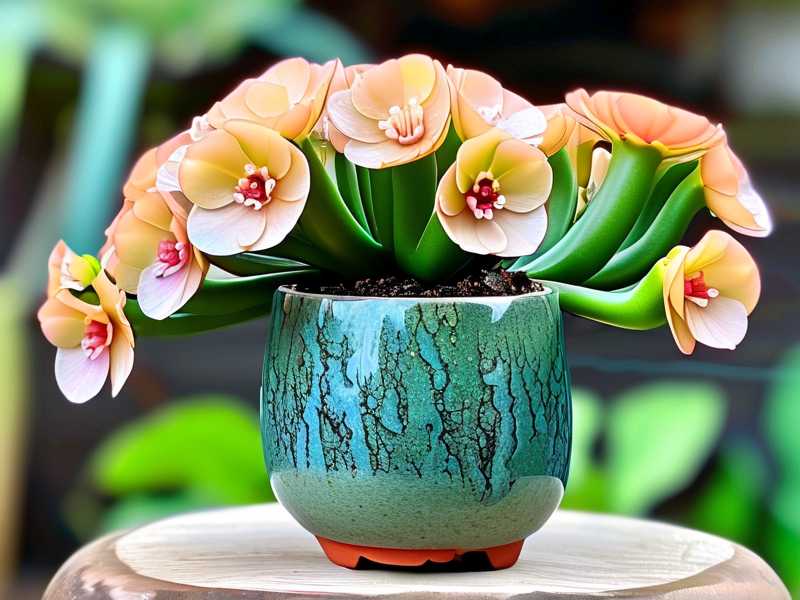
About three weeks later, tiny white buds appeared at the tips of some branches. I didn't believe it at first. I checked every day. The buds grew slowly. After another week, they opened into small, star-shaped white flowers with pink centers. The flowers clustered together. They lasted about two weeks.
The flowers had a subtle, sweet scent. Not strong, but pleasant. Honestly, seeing those blooms after years of failure felt amazing. I had finally figured out how to care for jade plant flowers properly.
Since then, I've repeated this routine every year. The plant blooms regularly now. The flowers appear in late winter or early spring. Each bloom lasts about two to three weeks before fading.
The Exact Steps I Use Now
Let me break down my current care routine. This is what works for me after years of trial and error. Feel free to adjust based on your home conditions.
Spring and Summer
- Water every 10-14 days, depending on soil dryness
- Place in direct sunlight for at least 6 hours daily
- Fertilize monthly with low-nitrogen succulent food at half strength
- Rotate the pot weekly for even growth
- Remove any dead or yellowing leaves immediately
Fall and Winter
- Gradually reduce watering starting in October
- Move to a cooler spot with nighttime temperatures around 55°F
- Stop fertilizing completely
- Water only when the soil is bone dry (every 3-4 weeks)
- Keep sunlight exposure as high as possible
When Buds Appear
- Continue normal watering but don't overdo it
- Keep the plant in the same spot – don't move it around
- Avoid touching the buds. They're delicate
- The flowers will open on their own in a few weeks
Common Problems and Quick Fixes
Even with the best care, issues come up. Here's what I've dealt with and how I solved each one.
Leaves Turning Yellow
This usually means overwatering. Check the soil. If it's wet, hold off on watering. Let the soil dry out completely. Remove mushy leaves. If the stem is soft near the soil line, the plant might have root rot. You might need to repot in fresh, dry soil.
Leaves Falling Off
Could be underwatering, overwatering, or temperature shock. Feel the leaves. If they're wrinkly, the plant needs water. If they're plump but falling off, you're watering too much. If you just moved the plant, give it time to adjust.
No Flowering
Most likely not enough light or no winter rest period. Check your light conditions. Ensure the plant gets direct sunlight. If it's in a dark spot, move it. And make sure you're giving it a cool, dry rest period in winter.
Stems Getting Leggy
Your plant needs more light. Leggy growth is the plant reaching for the sun. Prune the long stems back to encourage fuller growth. Then move the plant to a brighter location.
White Spots on Leaves
This is usually mineral deposits from hard water. Wipe the leaves with a damp cloth. Use filtered or rainwater if your tap water is hard. The white spots won't harm the plant, but they affect the look.
Why My Routine Works
I'm not a botanist. I'm someone who killed a lot of plants before figuring this out. My approach is simple: mimic the jade plant's natural environment.
In its native South Africa, the jade plant (Crassula ovata) grows in rocky, well-draining soil. It gets intense sun. It experiences wet summers and dry winters with temperature drops at night.
The RHS confirms that matching these conditions is key. The AHS adds that proper winter rest is essential for flowering.
I don't use fancy tools. I don't obsess over humidity. I just follow the plant's natural cycle. That works better than any complicated system I tried before.
Frequently Asked Questions
How often should I water my jade plant for blooms?
Water only when the soil is completely dry. In summer, that's usually every 10-14 days. In winter, during the rest period, water even less. I water once a month or even less during winter. Overwatering prevents blooming by causing root stress.
Can jade plants bloom indoors?
Yes, absolutely. My jade plant blooms indoors every year now. The key is giving it enough direct sunlight and a proper winter rest with cooler temperatures. You don't need a greenhouse. A bright window and a cool room at night are enough.
How long do jade plant flowers last?
The individual flowers last about two to three weeks. The entire blooming period, from first buds to fading flowers, can last four to six weeks. After the flowers fade, I gently remove the spent blooms. The plant should continue growing normally.
Final Thoughts from Someone Who Learned the Hard Way
I honestly wish someone had shared these tips with me years ago. I would have saved three jade plants and a lot of frustration. But I learned through mistakes. Now I help others avoid the same ones.
The biggest takeaway: stop treating your jade plant like a regular houseplant. It's a succulent. It needs less water, more light, and a rest period. Get those three things right, and the blooms will follow.
Take my advice lightly. Observe your own plant. Trust what the soil tells you. Trust what the leaves look like. Every home is different. Every plant is slightly different.
And if you kill a plant along the way, don't give up. I killed three. My fourth one is thriving. You'll get there too.





